Points of Interest Are Numbered and Target Area is Outlined in Red

Retrieved April 22nd, 2023 fromhttps://www.google.com/maps/place/Middlefork+Savanna+Forest+Preserve/@42.2603512,-87.8903739,5104m/data=!3m1!1e3!4m6!3m5!1s0x880f94ff1fffafab:0x8115c1c5e6b7b92!8m2!3d42.25804!4d-87.8839919!16s%2Fg%2F1tlqql4y
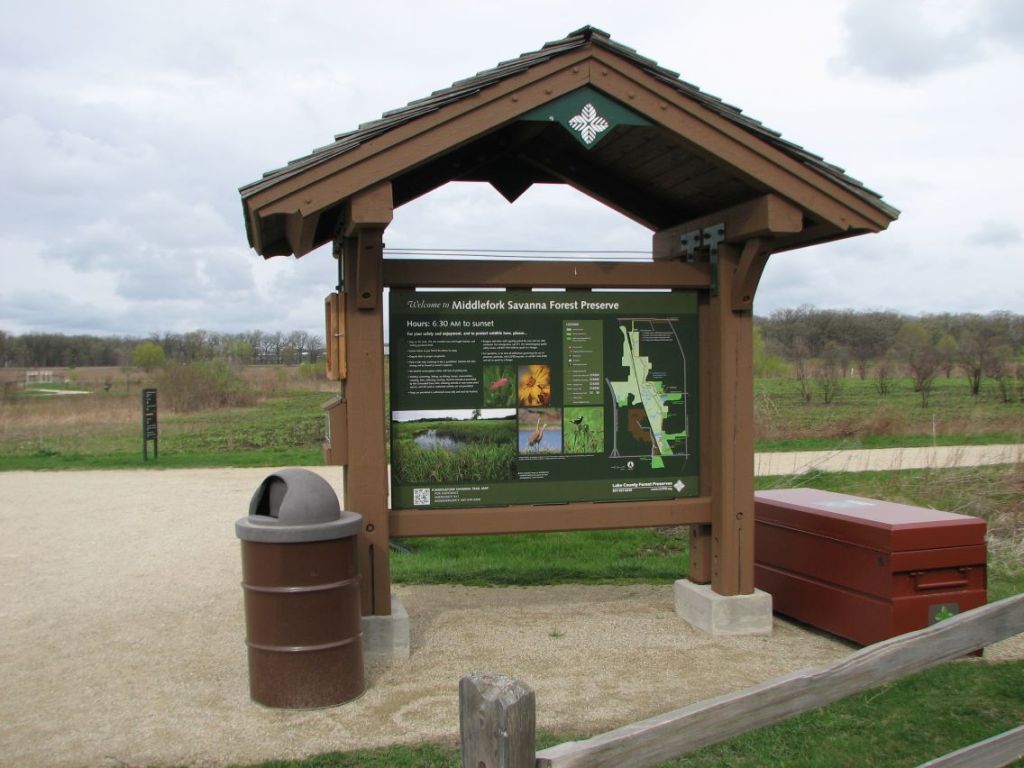
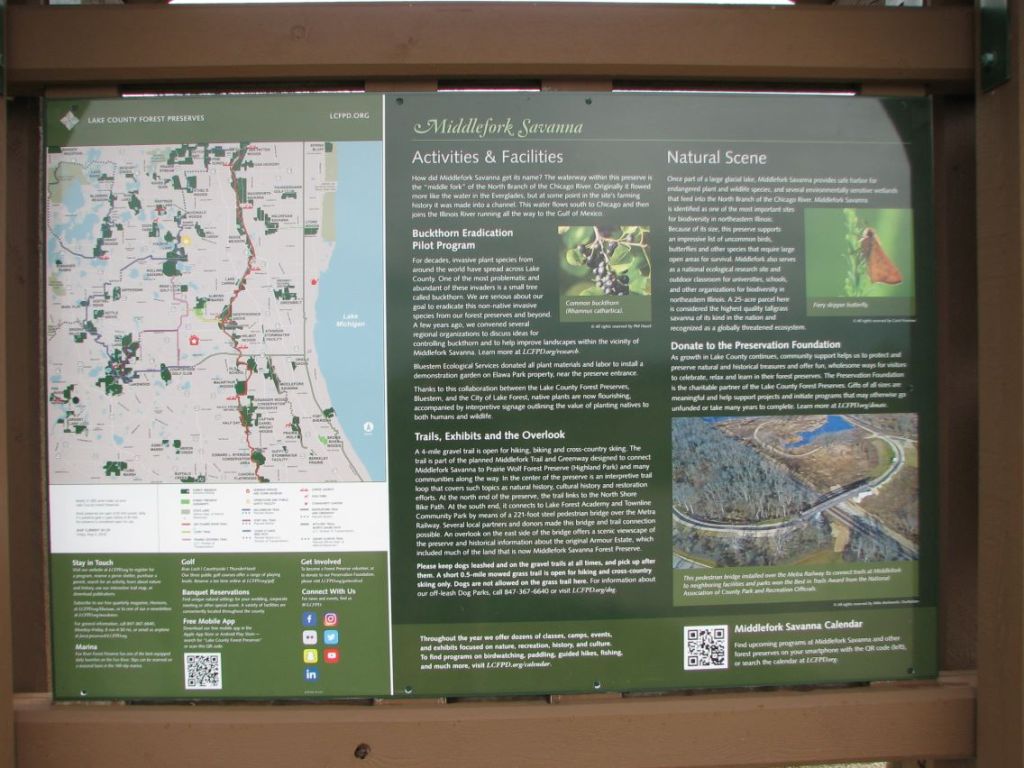
Point of Interest One: Kiosk at Entrance
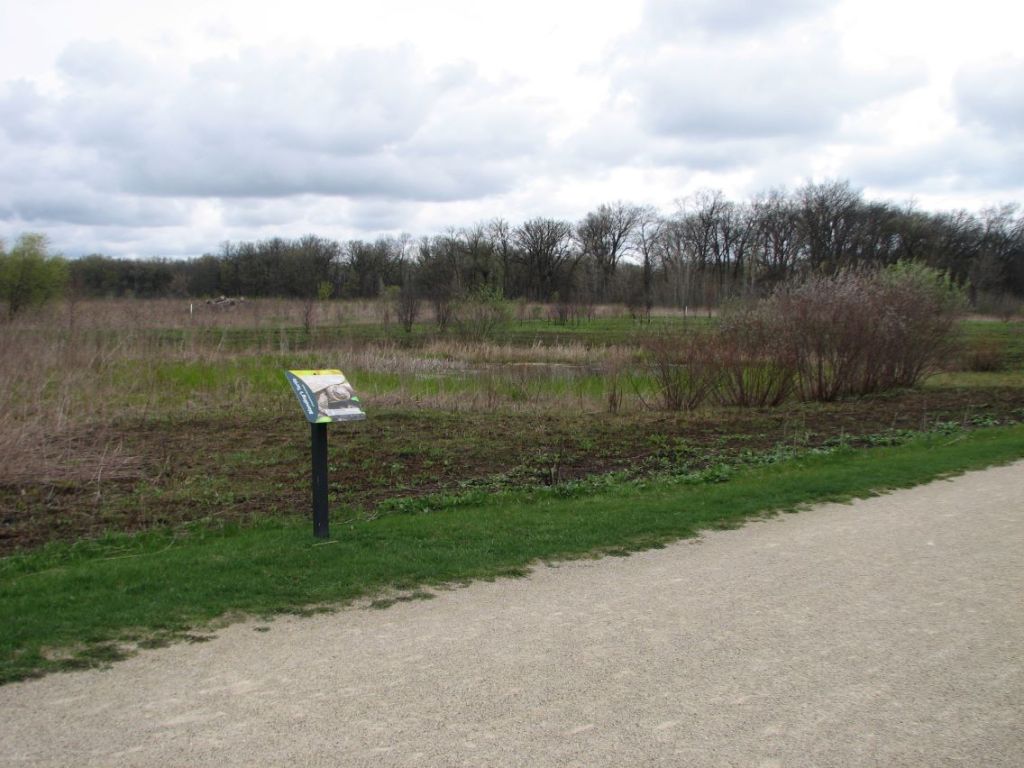
Point of Interest Two: Blanding’s Turtle Sign

The Fire Did a Good Job of Top-Killing Shrubs
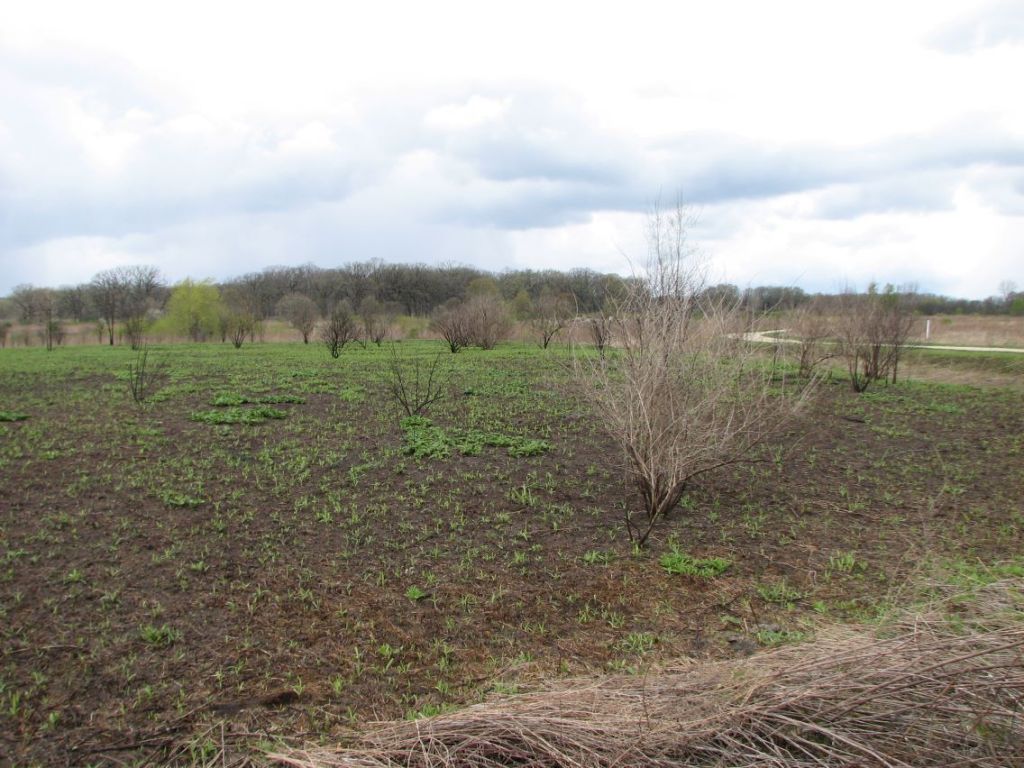
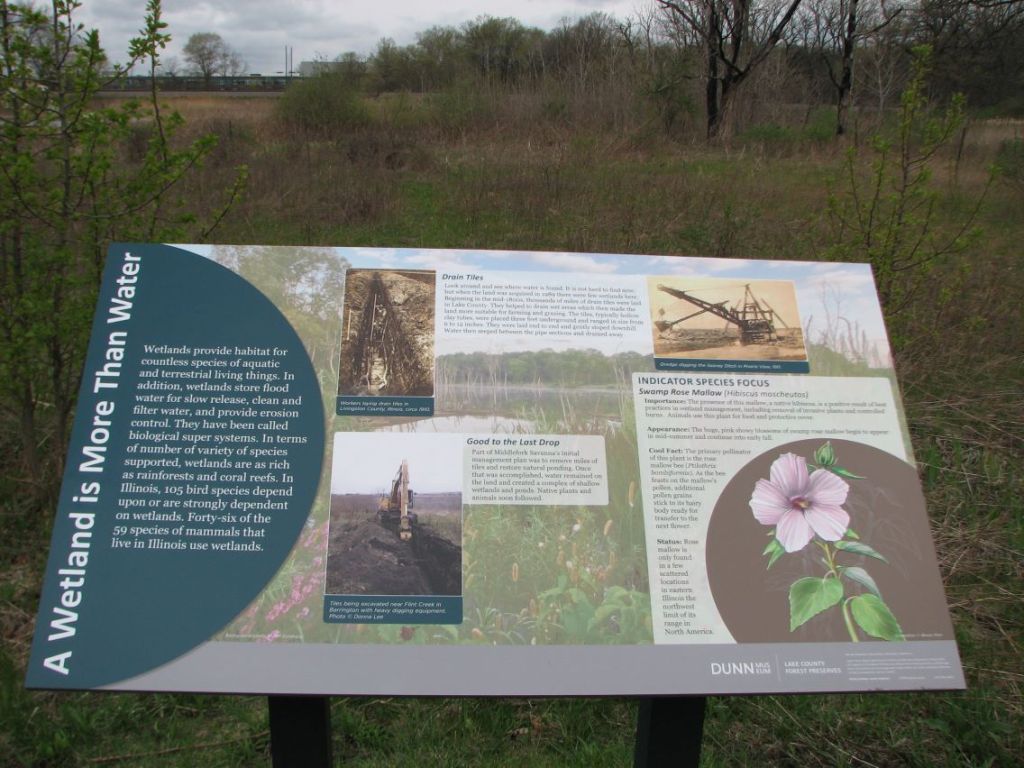
Point of Interest Three: Diversity of Habitats Sign

Point of Interest Four: A Wetland is More Than Water Sign
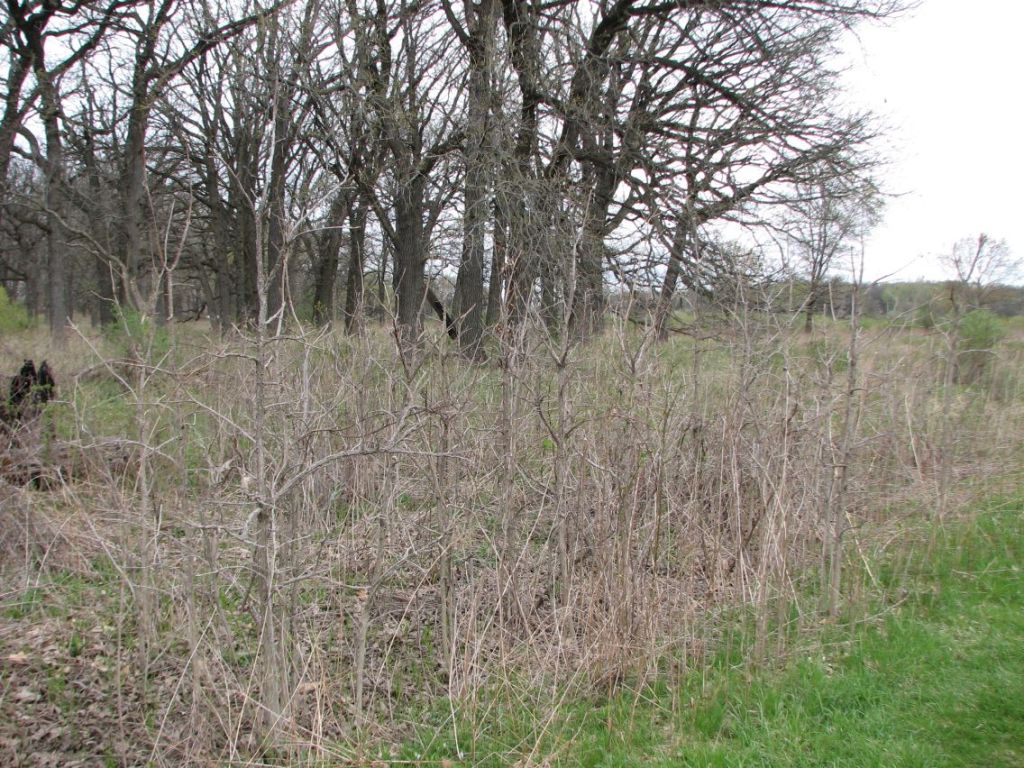
Young Bur Oaks
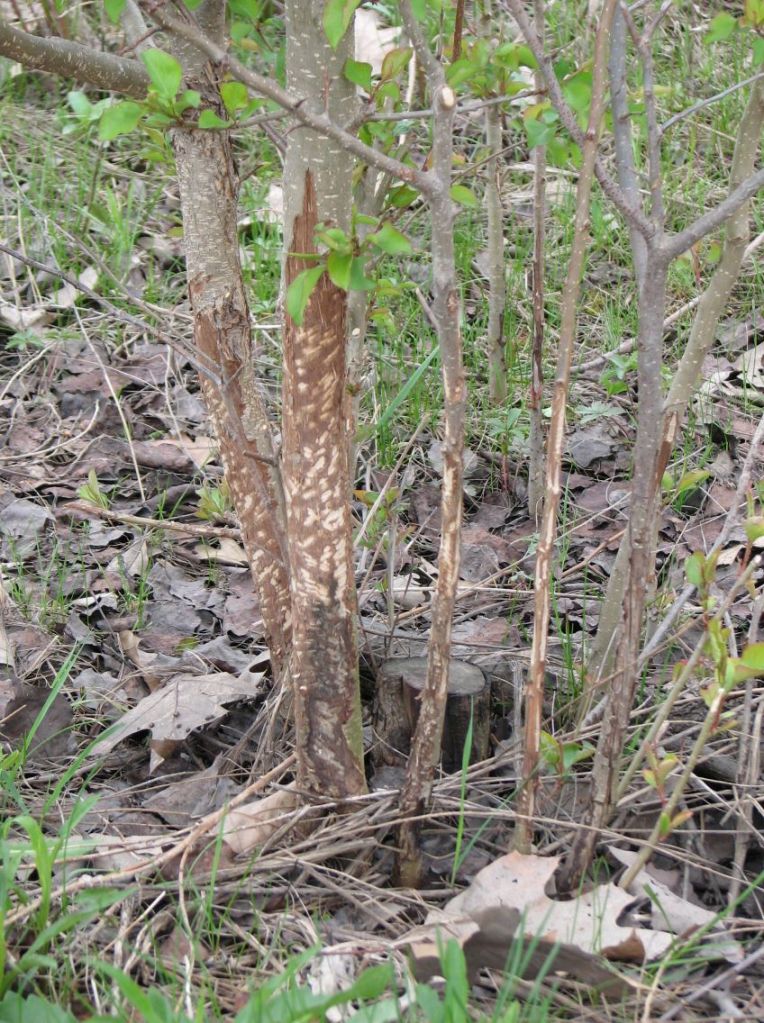
Callery Pear With Bark Chewed Away

Closeup of Bark Chewed Away
Point of Interest Five: Grass Path with Invasive Shrubs Visible in Distance

Point of Interest Six: Shrub Restoration
Roses
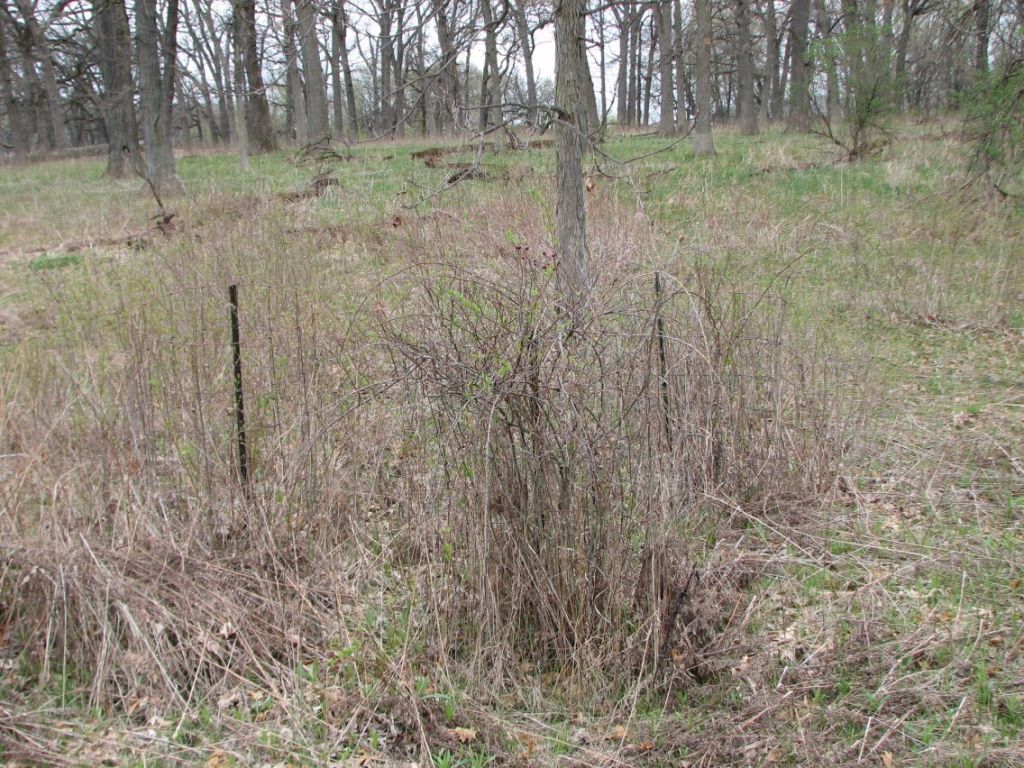
Hazelnuts

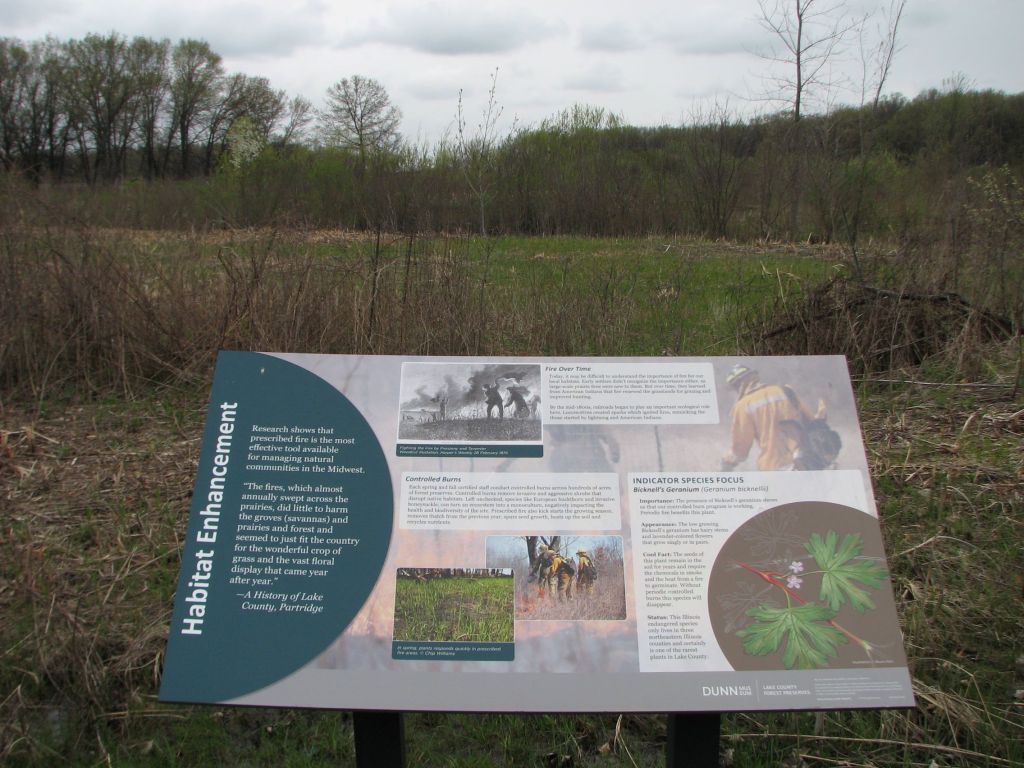
Point of Interest Seven: Habitat Enhancement Sign
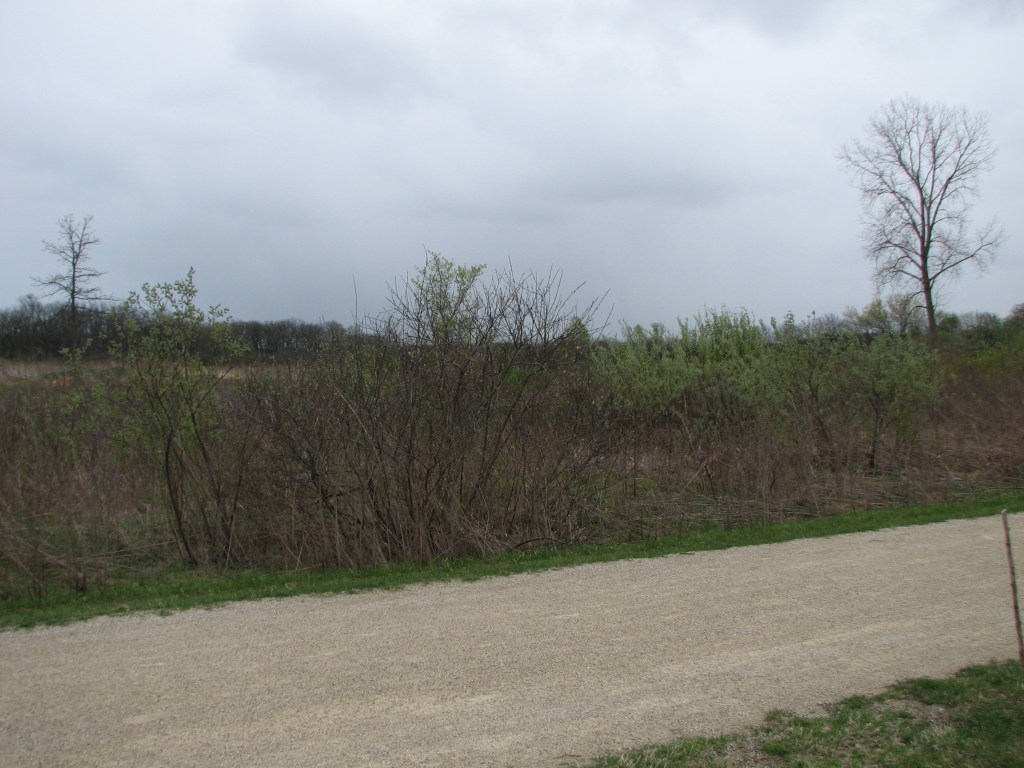
Point of Interest Eight: Willows Killed Back to the Ground by Fire and a Plum Blooming in the Background

Adjacent area north on the trail that was not burned. Willows growing leaves.
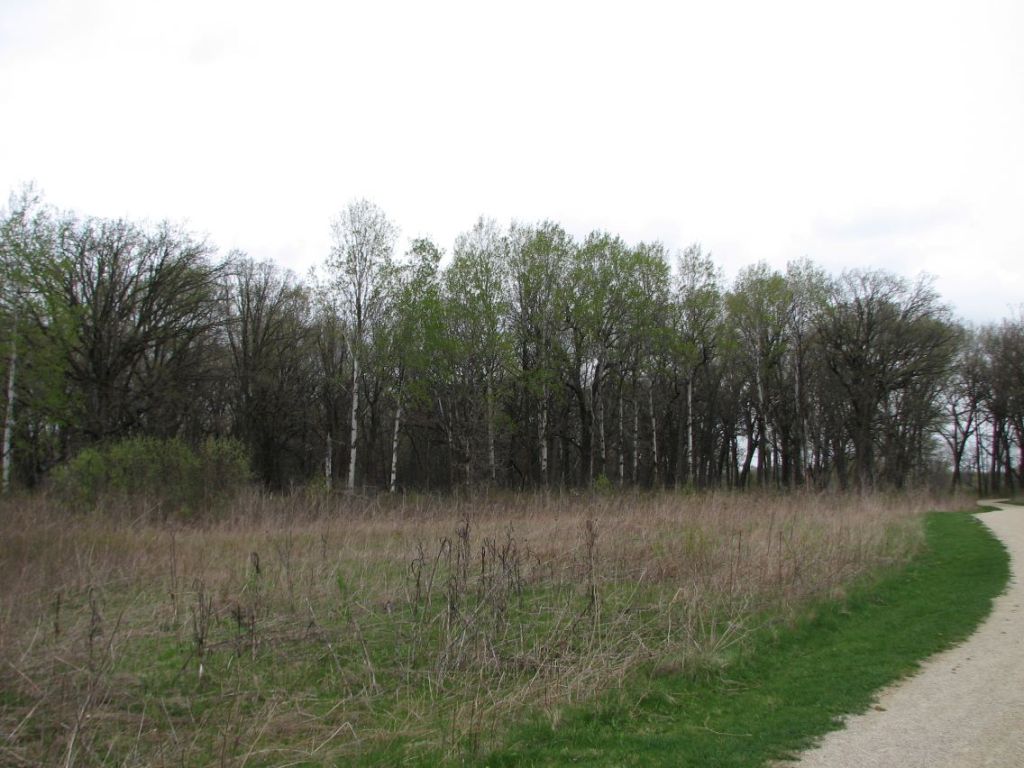
Point of Interest Nine: Aspen
Point of Interest Ten: Forestry Mowed Area

Great Water Dock in River

Point of Interest Eleven: Sedge Meadow with Blue Flag Irises
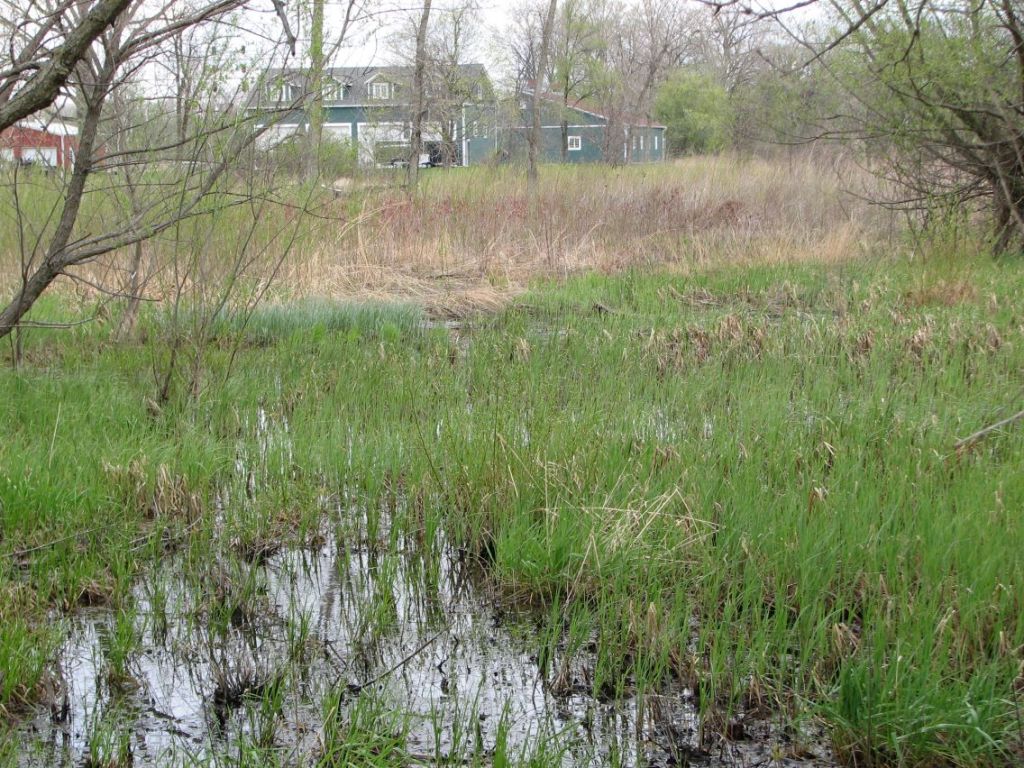
Point of Interest Twelve: Invasive Lesser Celandine
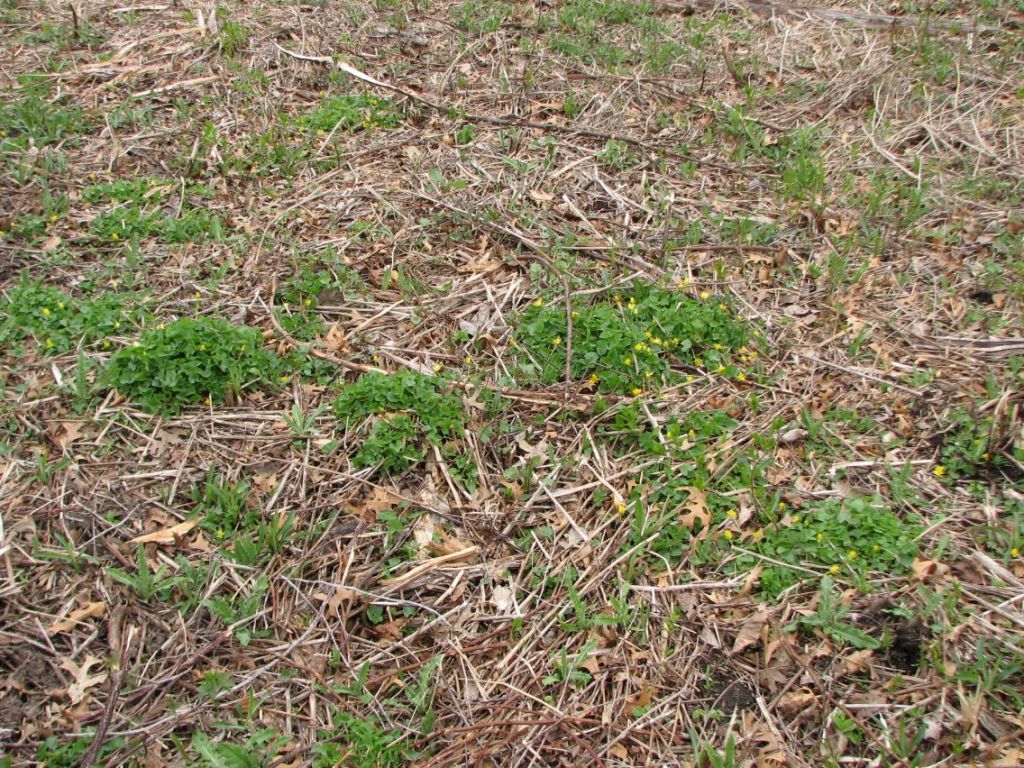
Melted Sign on East Side Of Trail When Walking Back Toward Parking Lot. Oops

Point of Interest Thirteen: Middlefork’s Undesirables

Point of Interest Fourteen: Large Patch of Invasive Phragmites

Point of Interest Fifteen: Wetland


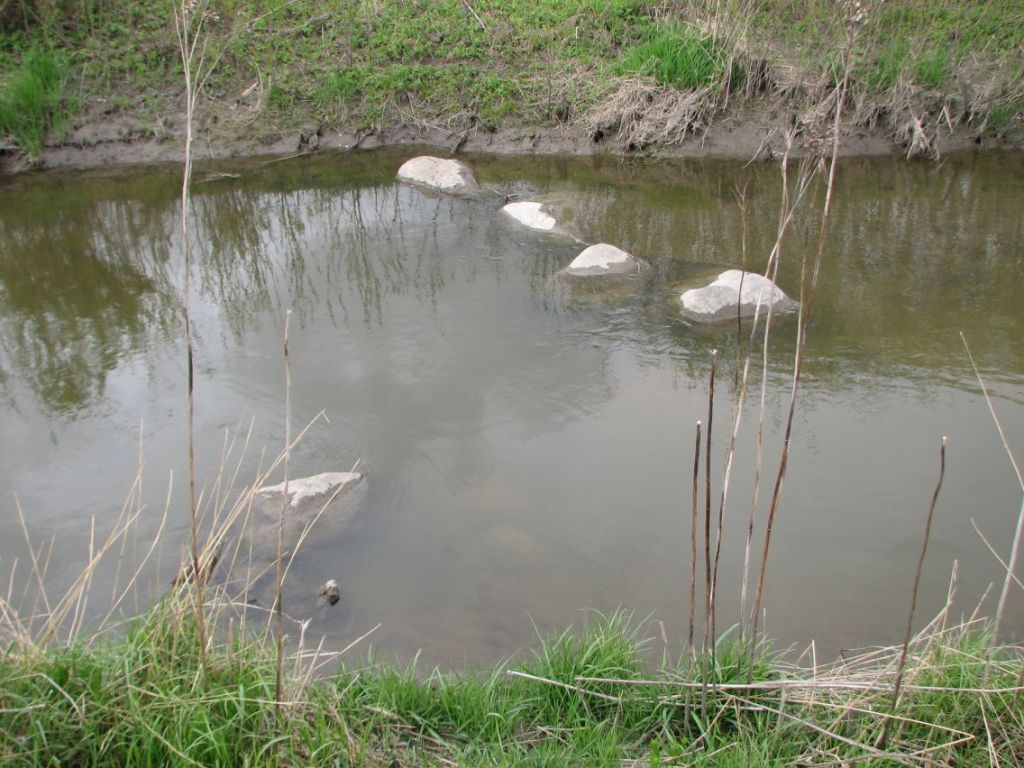
Point of Interest Sixteen: Rocks Places in River
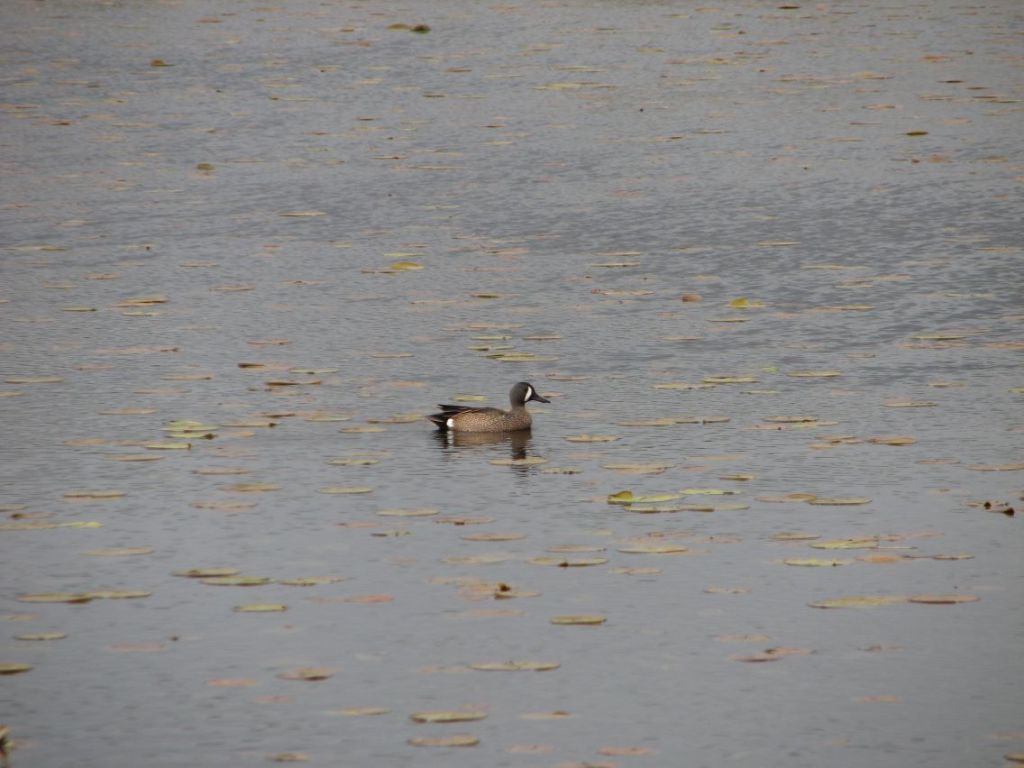
Point of Interest Seventeen: Wetland with lily pads. Blue-winged teal shown.

Work Area 4/22/2023

Retrieved April 22nd, 2023 https://www.google.com/maps/place/Middlefork+Savanna+Forest+Preserve/@42.2423925,-87.883265,451m/data=!3m1!1e3!4m6!3m5!1s0x880f94ff1fffafab:0x8115c1c5e6b7b92!8m2!3d42.25804!4d-87.8839919!16s%2Fg%2F1tlqql4y
Wide View

When I arrived at the end of the workday, I counted 28 people working. I saw people leaving on the trail as I was arriving. Someone mentioned that over 40 people attended the workday. This would represent about 100 hours of work. In contrast, I estimate it would take me less than 20 hours to treat this area if I applied herbicide to the bark of the shrubs and they were left standing to decompose/burn in fire. The 20 hours estimate is for applying herbicide with mini-paint rollers in the same careful manner used at the workday, so herbicide is not dripped onto the ground or nearby vegetation. This estimate also includes applying more herbicide to stems to get a higher rate of control.
Closer View of Slope Showing Treated Stumps

Common Buckthorn: Treated Stumps

Common Buckthorn: Small Treated Stumps
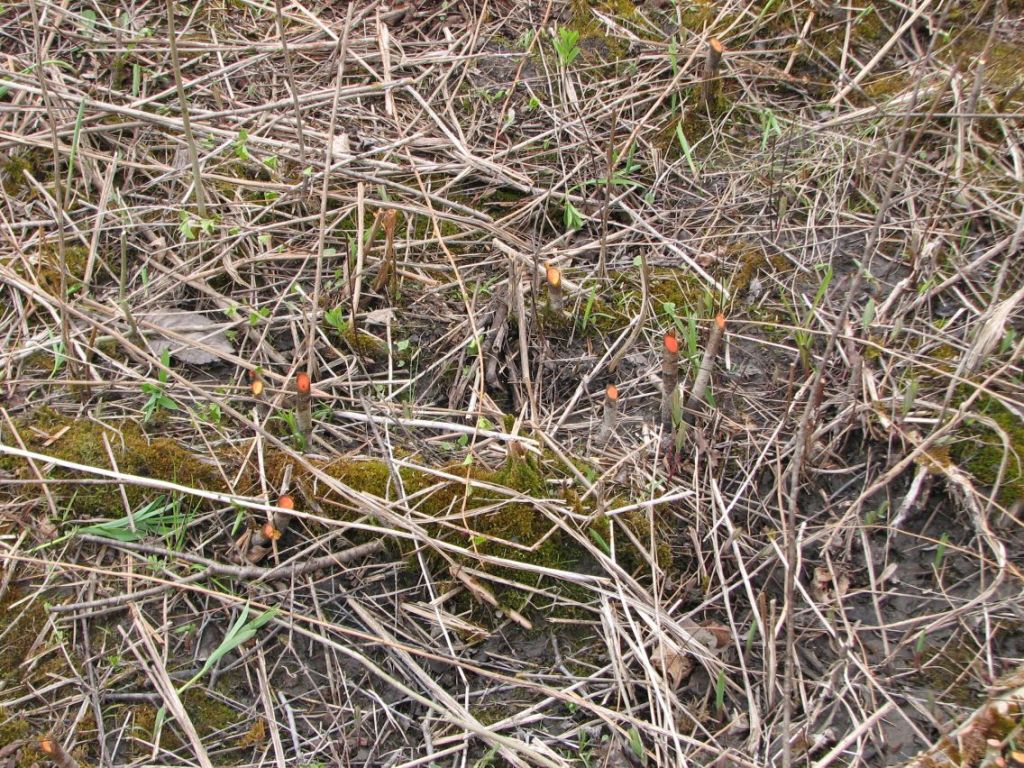
Asian Bush Honeysuckle: Treated Stumps

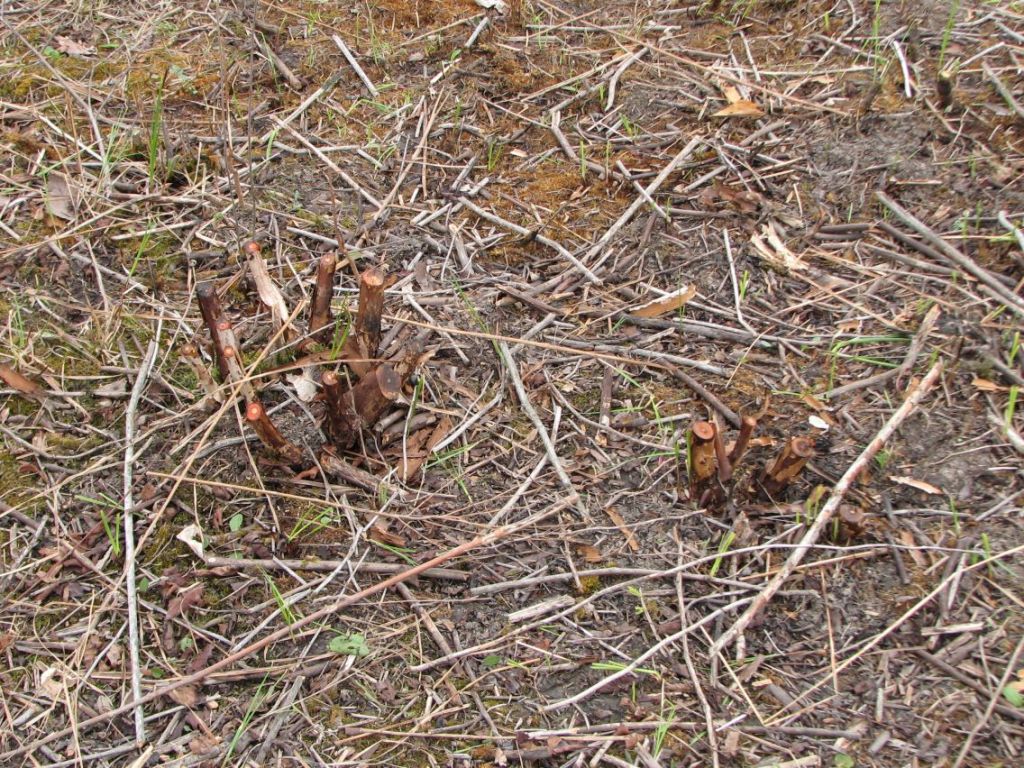
Multiflora Rose: Treated Stumps
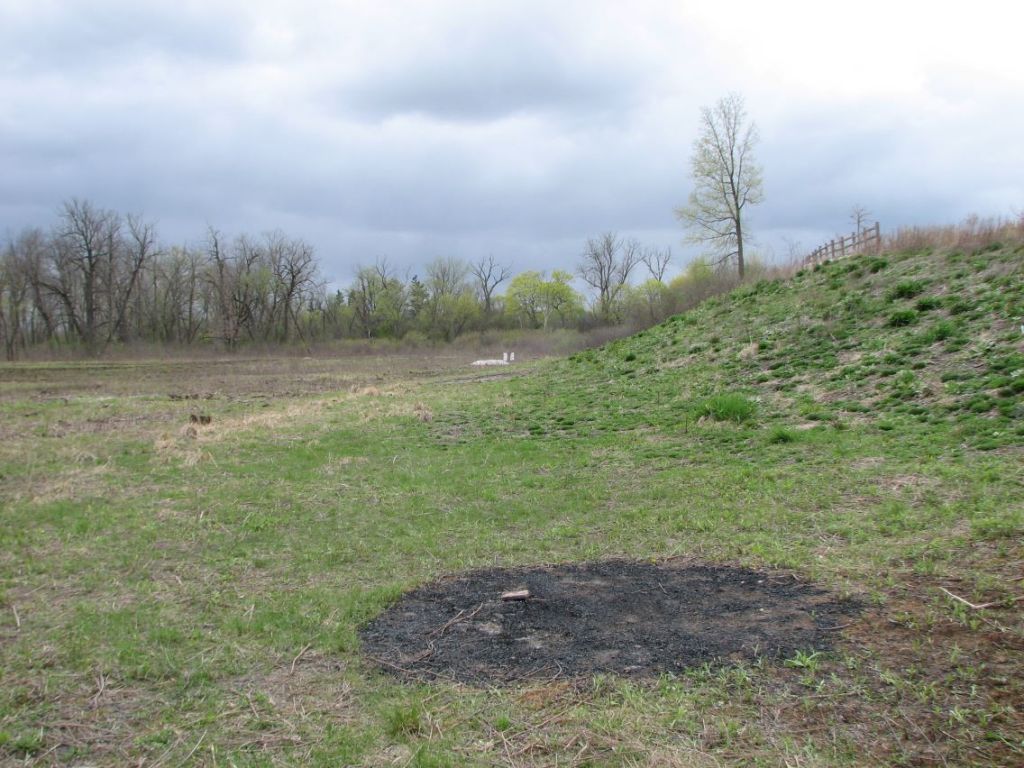
Looking From Old Burn Scars Toward Today’s Workday Area
Ash pile visible in distance.
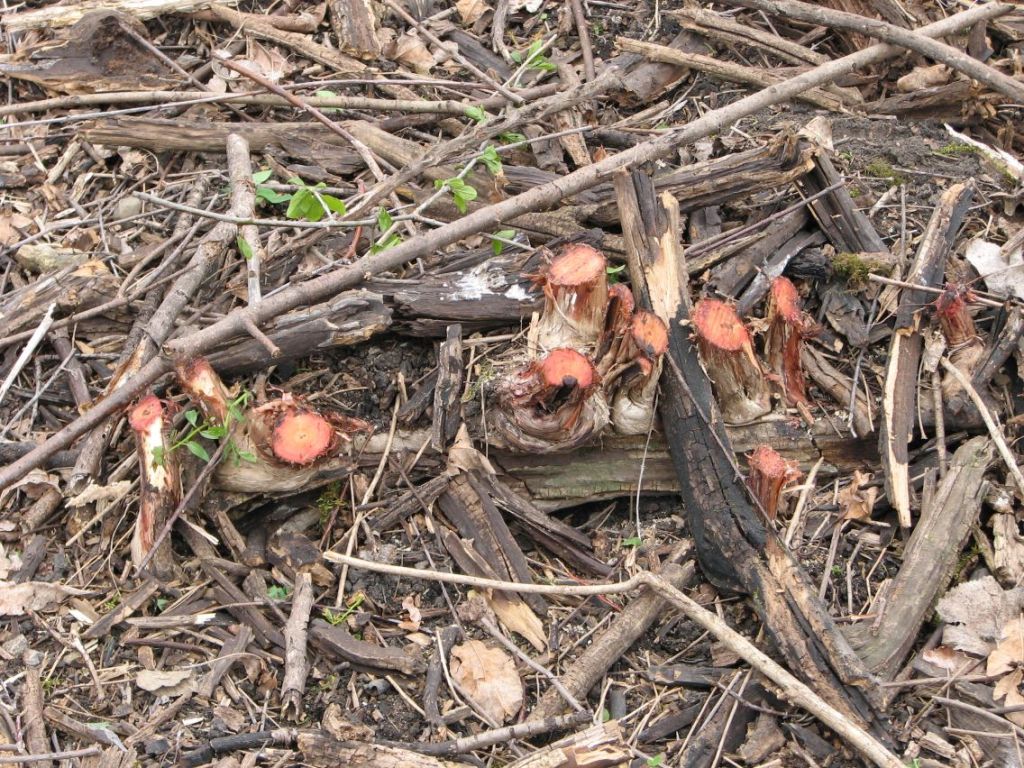
Herbicide Application
Herbicide was applied liberally to the cut surface using foam mini-paint rollers. The amount of herbicide applied can be seen in the images. The herbicide has run down the stump coating some of the outer bark.
My experience is the stem must be coated for about a length of two and half times the diameter of the shrub at the base when applying triclopyr ester in basal oil to the basal bark of larger woody invasive species to get good control. (Updated from about a length of two times the diameter … on 7/22/24).
For smaller stems (less than or equal to one inch) the proportion needs to be even higher (increasing up to 10 times the diameter at ground level for 1/4 inch diameter stems). (Updated from “… (3 to 4 times the diameter at ground level…” on 7/22/2024)
Large Asian bush honeysuckles (> than about 6 inches in diameter at ground level) are tough and need even more herbicide applied. The length of herbicide applied to large Asian bush honeysuckle that is important is from the crotch of the branches coming out of the base up the length of each branch.
Looking at the images of the stumps that were treated, I believe only the small treated stumps of common buckthorns and the multiflora roses will have received enough herbicide for there to be some level of control.
Added 7/22/2024 – The above was later proven to not be true. The larger stems had better control than the smaller stems. See the subsequent post on this topic below.
The very small buckthorns (seedlings) were not treated. My experience has been the large buckthorns and Asian bush honeysuckles did not receive the amount of herbicide necessary for control. This fall, I will visit the site and evaluate the success of the herbicide application to see if my prediction proves correct.
Post Script: It was raining ice toward the end of the workday and afterwards. This type of precipitation would not cause herbicide to splash off stems. Rain did not occur until the next Saturday. Therefore, rain splashing herbicide onto adjacent plants should not create visible off-target impacts. Impacts observed would more likely be from vapors, since this application occurred after the growing season had begun.

 Stewardship Chronicles
Leave a comment