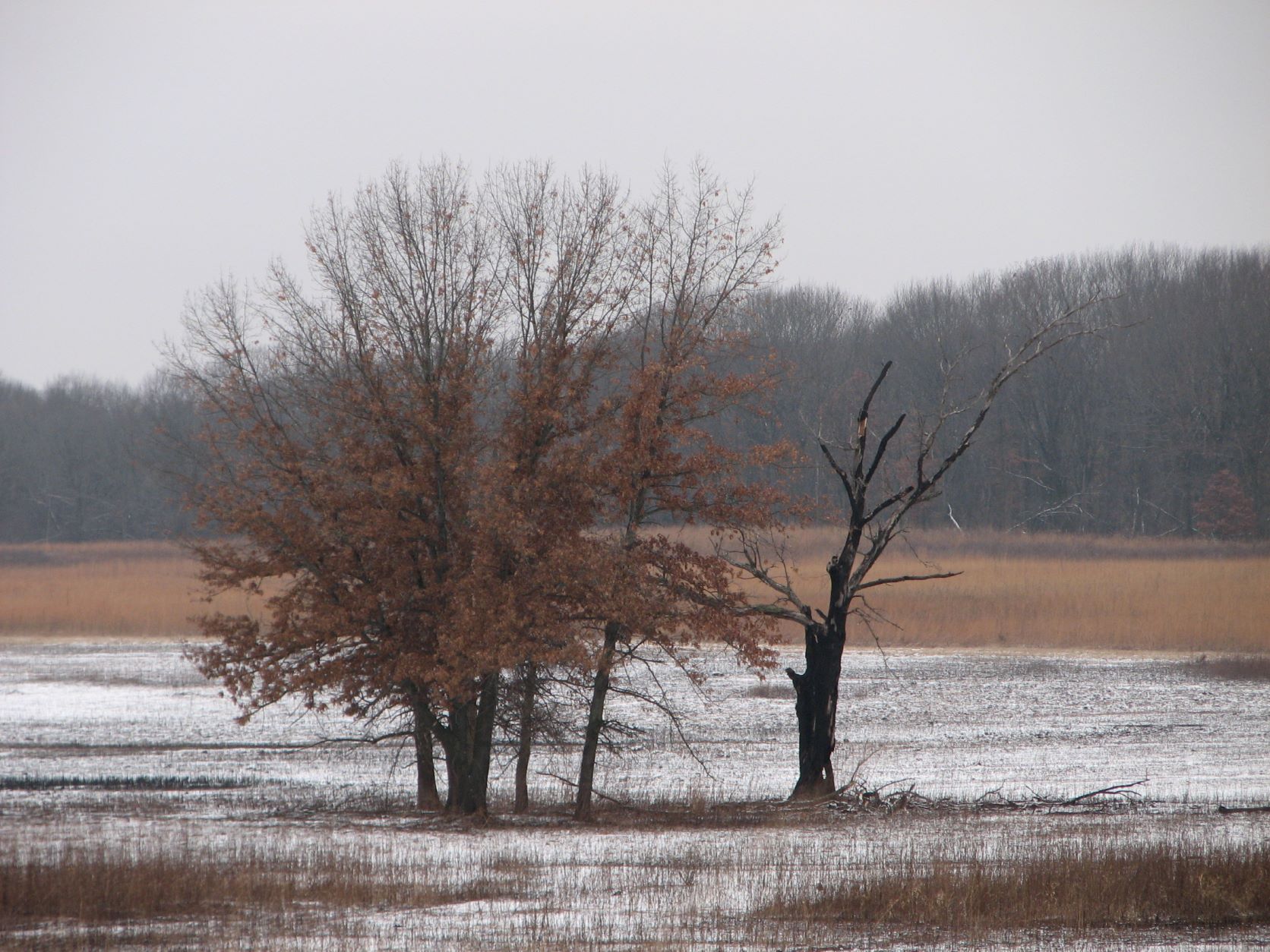

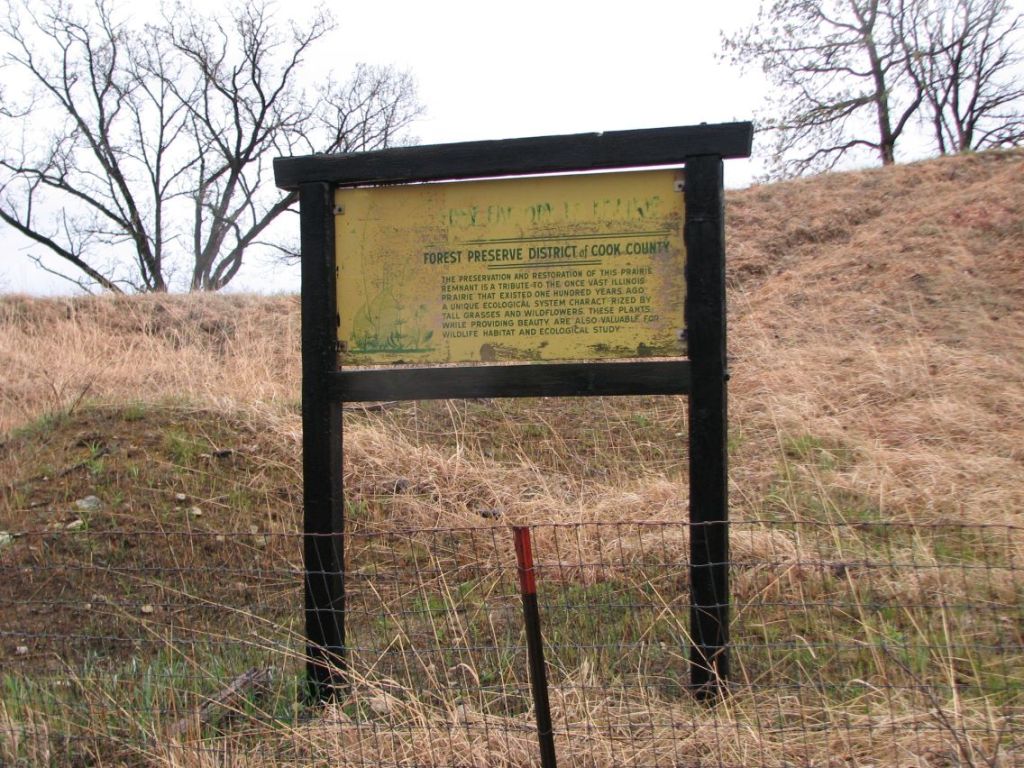
Sign Along Shoe Factory Hill Road
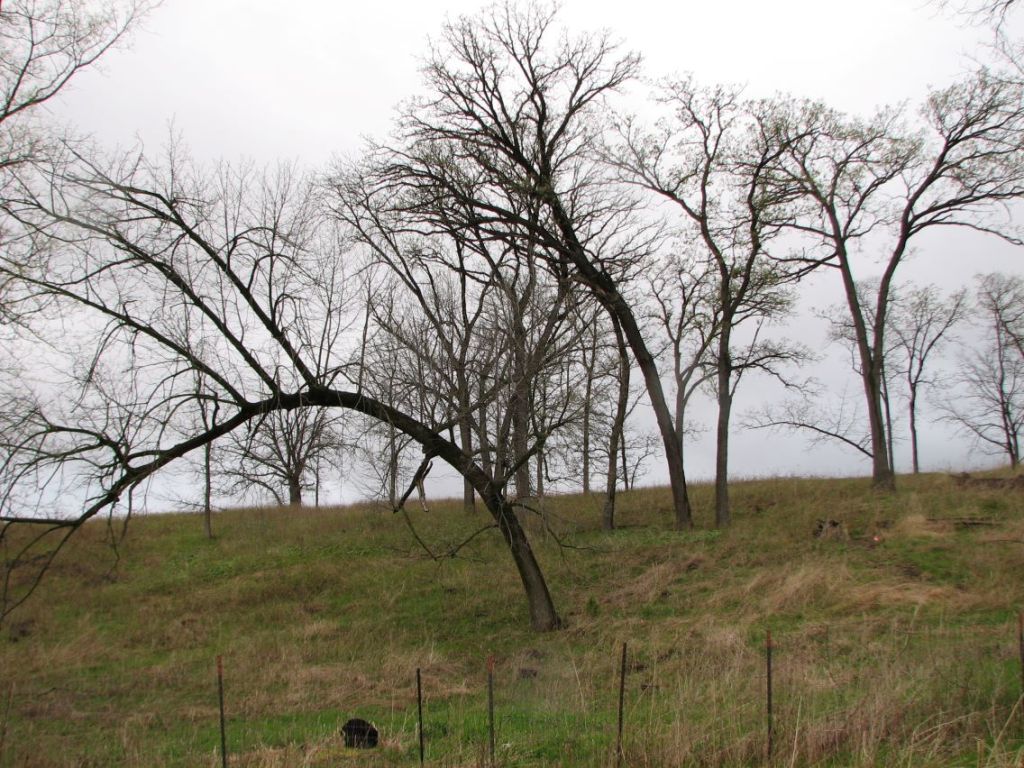
East Side of Shoe Factory Road Nature Preserve – Lots of tree thinning has occurred here over the years.

I was worried that the tree thinning that had been done on the east side of the Shoe Factory Road Nature Preserve was too much for many of the woodland species. The change was from full shade to full morning sun in many areas. After the tree thinning occurred, there were lots of weedy species and raspberries that established. The raspberries are still there. However, the woodland plants have filled in and expanded from what I remember being there before. My worries were unnecessary.
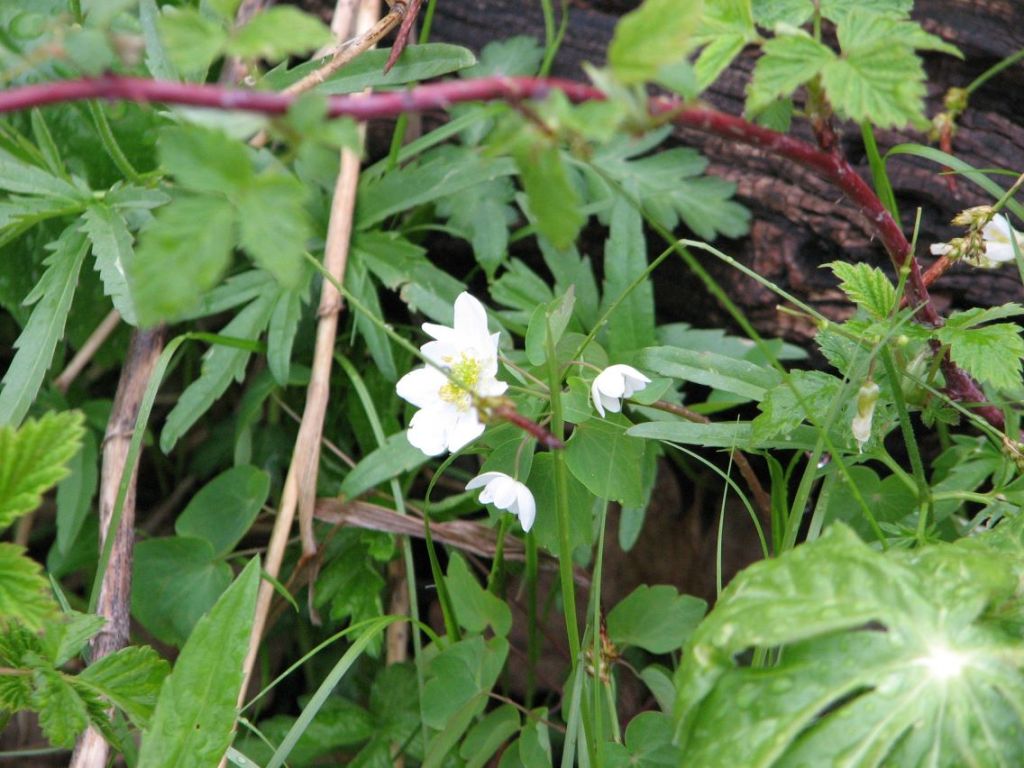
Rue Anemone
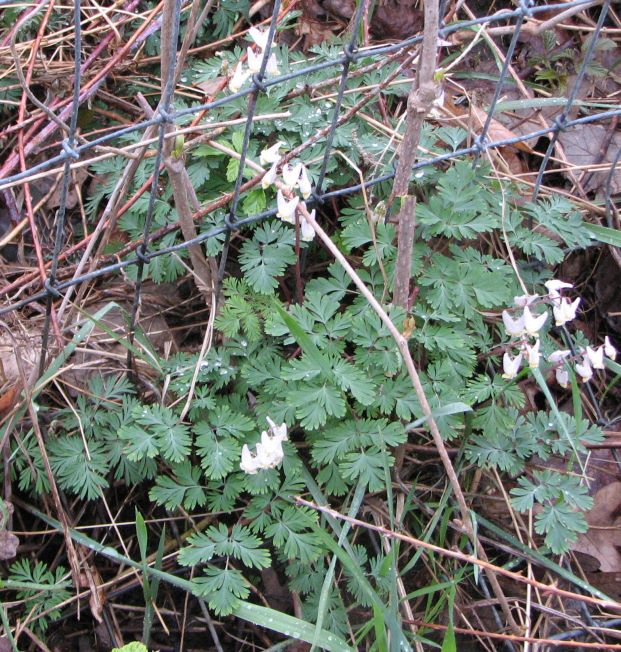
Dutchman’s Breeches Along Shoe Factory Hill Road

This image is looking north from near the top of Shoe Factory Hill Road. The ash piles from the 1/7/2023 workday are visible in the background. The line of box elder trees in front of the ash piles had rings cut around them with a saw and triclopyr ester in basal oil applied to these cuts. I have never seen this done before. The trees have formed leaves, which is common, but may die later. Alternatively, the cut could heal, and the tree will need to be treated again. I am intrigued to observe the results.

This image shows the result of burning the first brush pile east of the Shoe Factory Road Nature Preserve labeled on the map from my post titled “Poplar Creek on 1/8/2023.” It will be interesting to see the succession that occurs in various burn scars.
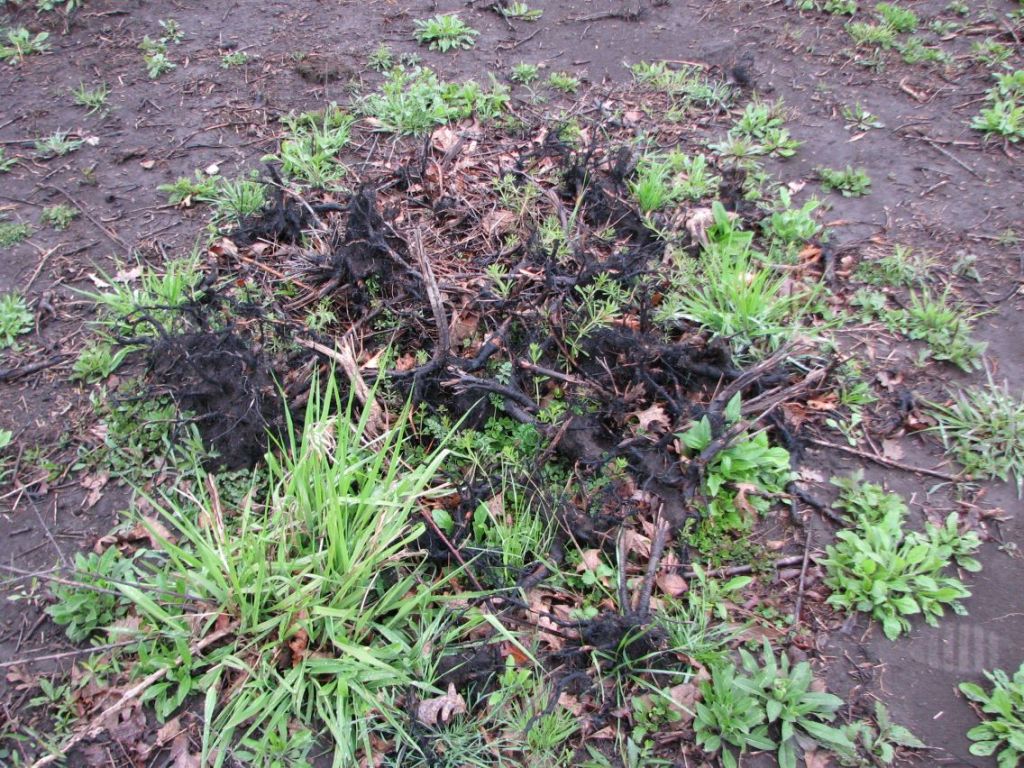
Here some buckthorns were removed.
From Kirk Garanflo, 6/3/2023
“The piled buckthorn stumps that were uprooted in the area just east of the Shoe Factory Road Prairie Nature Preserve were the result of one successful method of quickly eliminating a deep, dense hedge of buckthorn and extending the prairie restoration that exists to the south all of the way north to Shoe Factory Road. Removing a buckthorn grove adjacent to the Preserve’s eastern fence has dramatically restored a wet drainage. Where in the past only a few cardinal flowers emerged every year, now a profusion appears (see the attached photo).”
and
“As for the buckthorn stumps, the hedge had been previously foliar herbicided and most of the brush was quite dead. Simply chain sawing them would have left a bed of “pointy sticks” through which walking would have been both difficult and hazardous. Removing them altogether made the area safely passable and herbaceous restoration easier and simpler.”

On the east side of the field restored to prairie vegetation just east of the Shoe Factory Road Nature Preserve, I came upon a patch of American vetch. It was beyond the edge of this field where there was a line of oak trees.
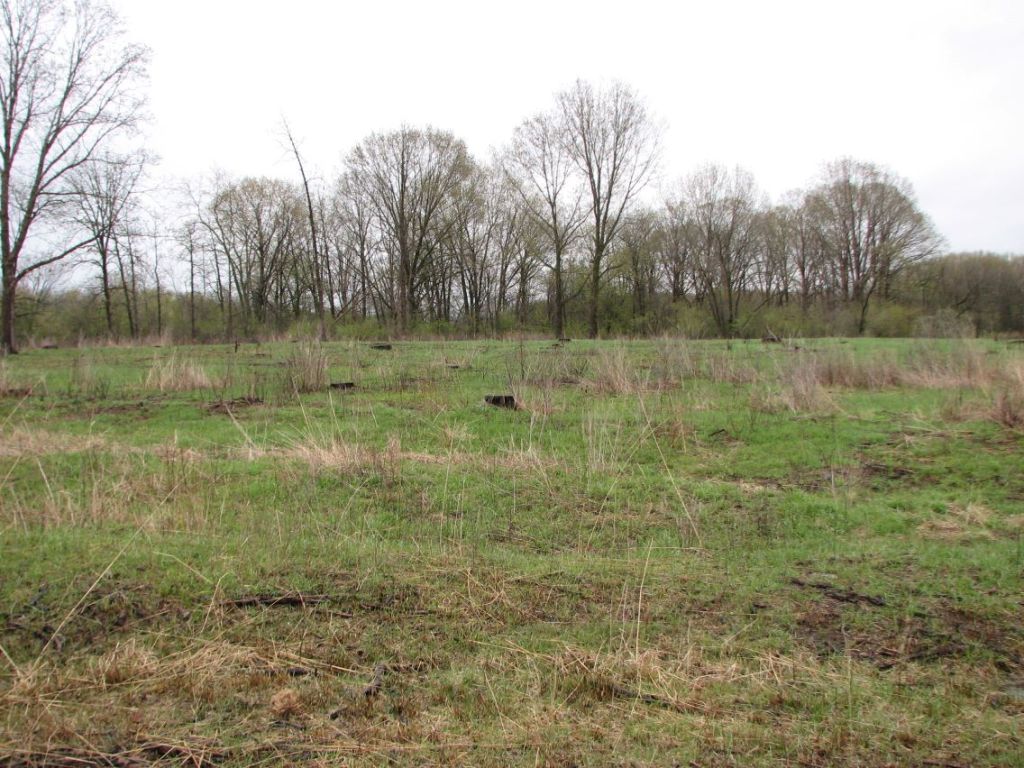
This is looking into the northern portion of the area labelled “Tree Removal to Expand Prairie” on the map of my post titled “Poplar Creek On 1/8/2023.” Stumps are visible to the new tree line.

This is a closer view of the above image. When I walked through this area, I noticed lots of prairie ragwort. This indicates this area is ready to receive seeds.

As I walked south through the area labelled “Tree Removal to Expand Prairie” on my post titled “Poplar Creek on 1/8/2023”, I saw lots of mowed common buckthorn and Asian bush honeysuckle. In the center of the southern portion of this area there were patches that were dead. This indicates these dense areas of woody invasive species that had been mowed had also been sprayed. The Asian bush honeysuckles in the above image are on the edge and were growing vigorously.

Beyond where the invasive shrubs were mowed, they were top killed by fire.
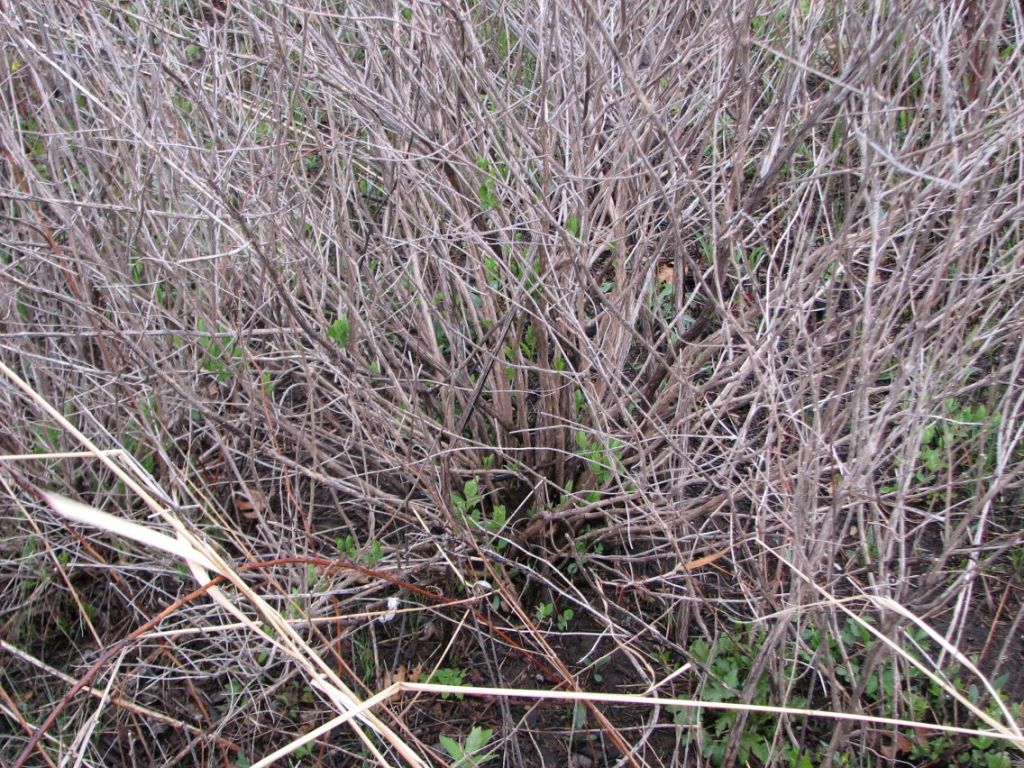
Here is a closer view of the largest Asian bush honeysuckle in the above image. As you can see, fire only top killed these shrubs. They are sprouting vigorously from the roots. I believe it is easier to treat woody invasive species if herbicide is applied before burning or cutting when there are less stems. Any stem that does not get enough herbicide applied will survive and need to be treated later.
 Stewardship Chronicles
Leave a comment