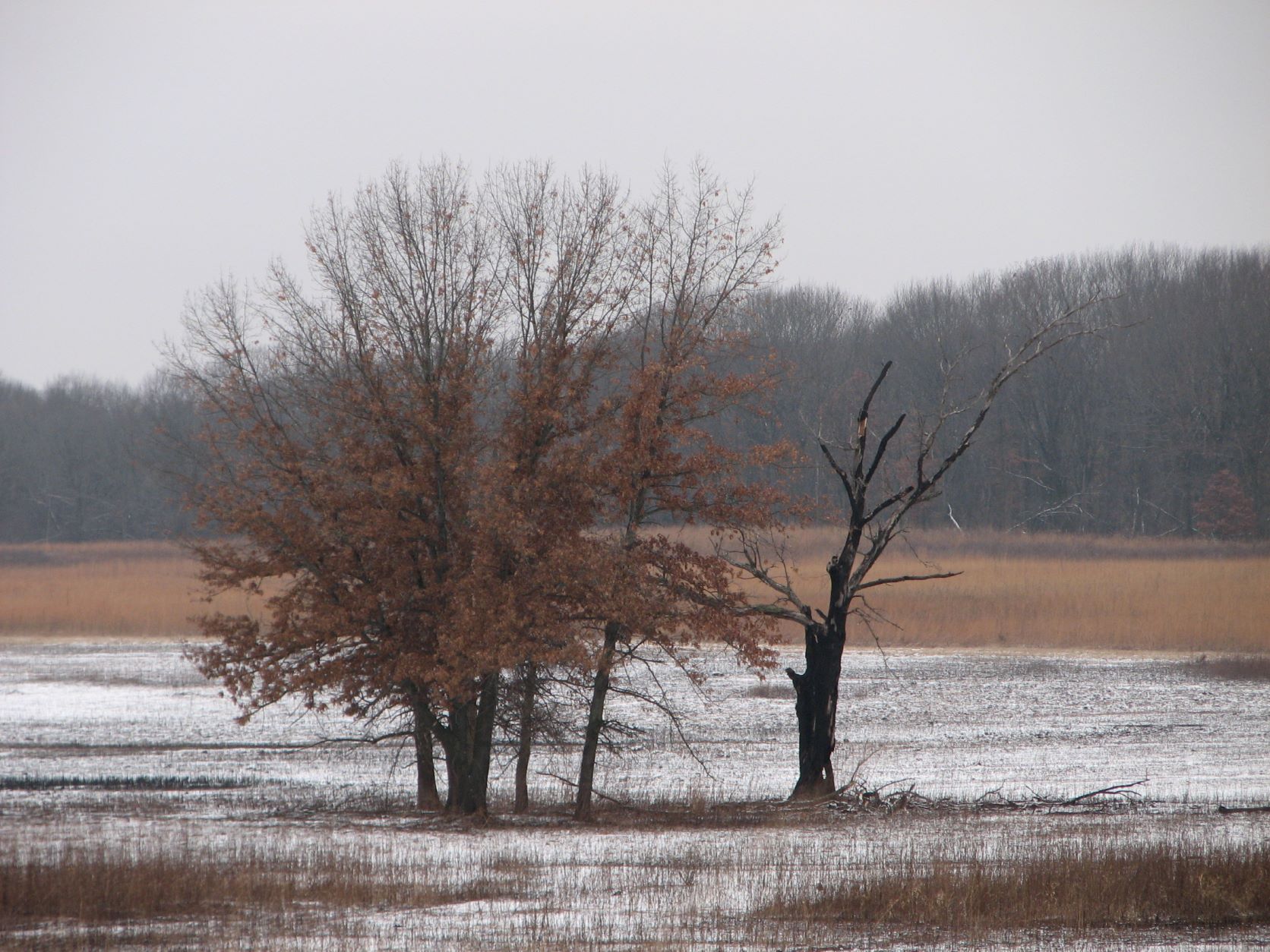
North of Shoe Factory Road
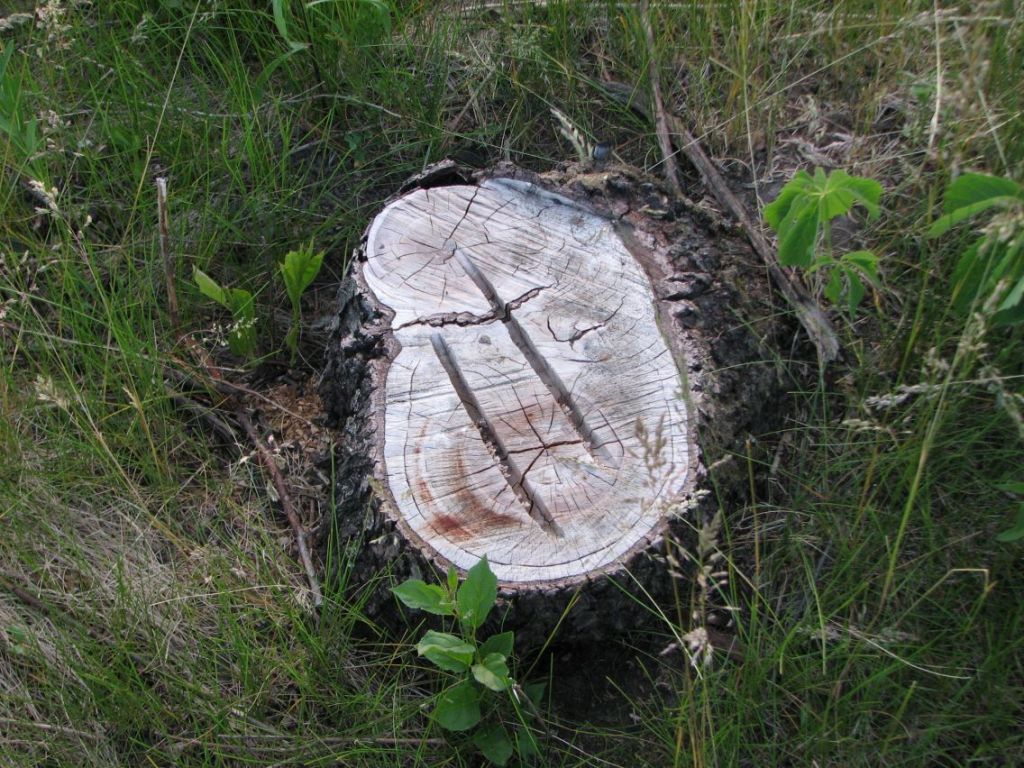
I took a picture of this stump after it had been treated with herbicide. You can see this picture on the post labelled “Poplar Creek on 1/8/2023.” Now there are sprouts forming around the stump. The herbicide application did not kill it.
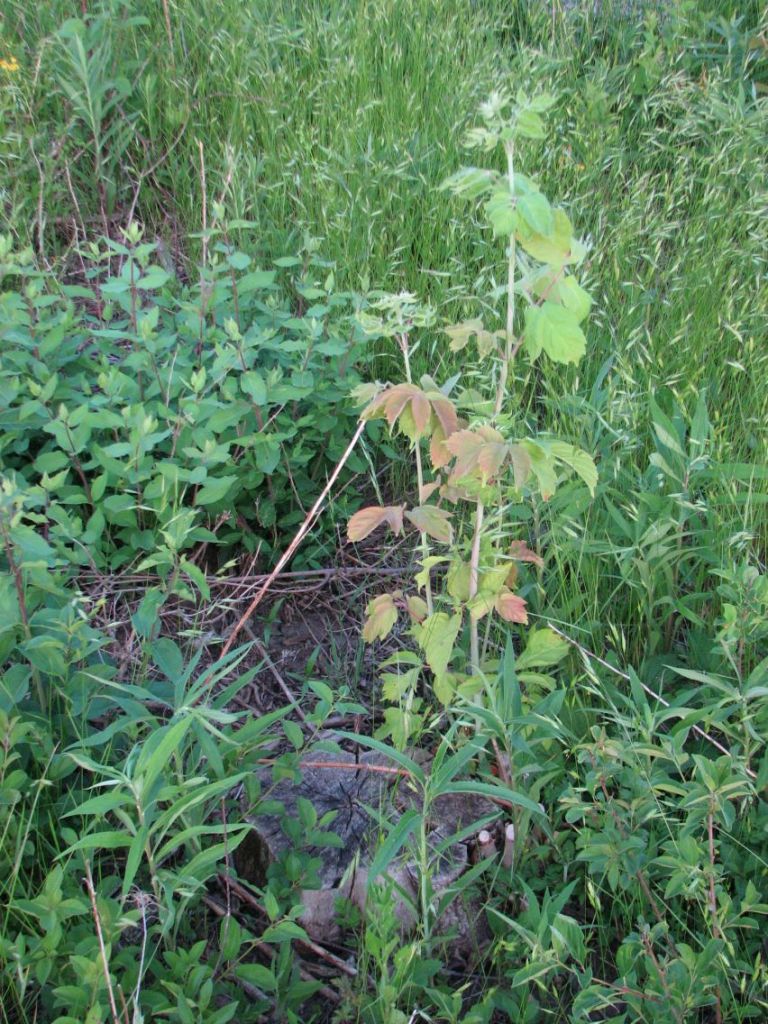
This box elder tree likely had been cut and treated prior to the 1/7/2023 workday. It looks like the sprouts were cut again and treated. However, new sprouts are still growing.
Box Elder is a difficult tree to kill. When I apply herbicide to frills the bark heals over and I have to make new cuts and apply herbicide at least one more time to kill this species of tree. This is using 41 percent active ingredient glyphosate. The one benefit of the sprouts is they have thin bark. If triclopyr ester in basal oil is applied to these sprouts then the herbicide penetrates much more readily than through the thick bark of the uncut tree. Sprouts have much more surface area that can be covered than cut stumps.

These box elder trees had rings cut around them with a saw and triclopyr ester in basal oil applied to the cut. I posted a picture of these trees from further up the hill in the post “Poplar Creek 4/30/2023. These box elder trees are not yet dead. However, the leaves are small and yellow. It may take two years before I know if this control method was successful.
Results of Herbicide Application to Stumps
These results are preliminary. I have to wait at least a full year after a herbicide application to evaluate results. Sometimes it takes a few months for treated plants to die and other times they can sprout after appearing dead for a full season.
I counted two tree stumps that I marked on the map on the post titled “Poplar Creek 1/8/2023” that were sprouting out of fifty tree stumps I relocated that were treated that day. This control level is about as close to perfect as can be achieved. It makes me wonder how they are getting such good control when others are not achieving nearly such good results.

This photo is from the same location as a photo posted on the post title “Poplar Creek 1/8/2023.” The photo from the prior post shows some gray dogwood stems had been treated with herbicide and others did not get treated with herbicide. In the above photo, the gray dogwood stems treated with herbicide are not sprouting and the ones missed being treated with herbicide are sprouting. The fact that gray dogwood stems are small and close together makes it difficult for me to relocate ones that had been treated with herbicide to measure the effectiveness of the herbicide application. My estimate is about 80 percent of the treated gray dogwood stems are sprouting. However, this is likely because I am counting untreated stems since only a fraction had herbicide applied. It would take marking treated stems to get a truly accurate measure of effectiveness. I have not done this since as a member of the public I am allowed to visit the preserves, but I do not have permission to alter them by placing flags. If I did put flags by treated stumps they would likely be removed. This is the reason I have instead made maps.

These buckthorn stumps are in an area I had marked on my map as having the invasive woody species cut and treated before the 1/7/2023 workday. Most of the buckthorn stumps are sprouting. This would not meet my control goals.
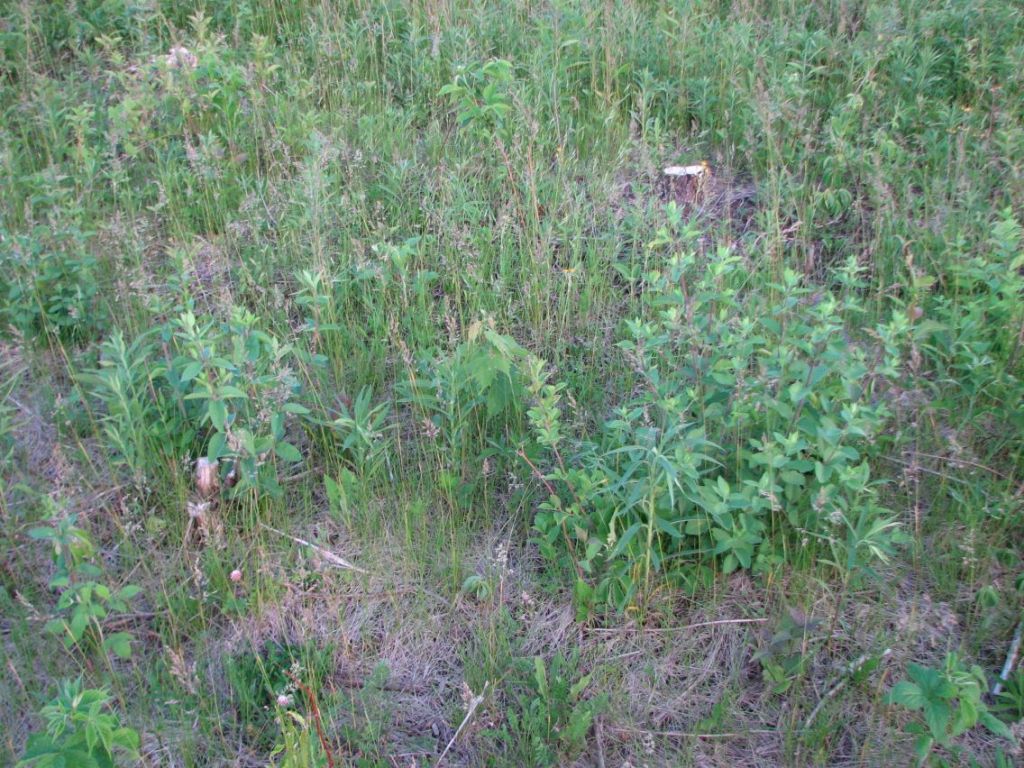
These are sprouting Asian bush honeysuckle. I believe they were cut and treated before the 1/7/2023 workday. Asian bush honeysuckle is tough to kill. Most people don’t apply nearly enough herbicide to control it.
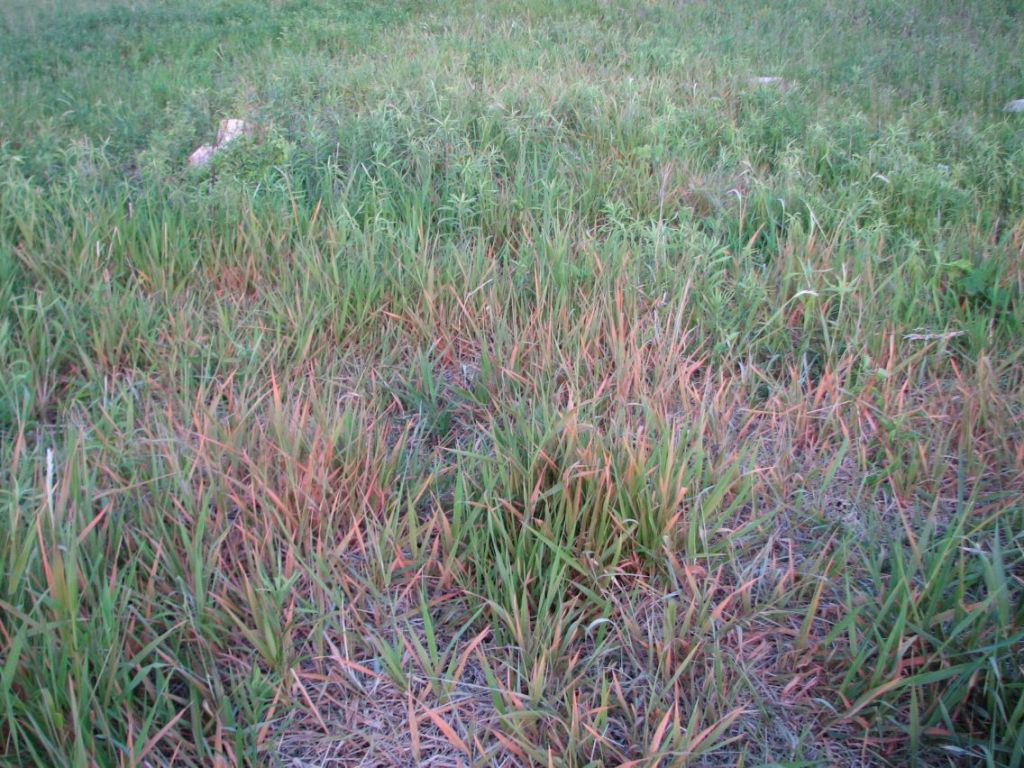
Reed canary grass that has been sprayed with herbicide North of Shoe Factory Road where the 1/7/2023 workday occurred. Reed Canary Grass was also sprayed south of Shoe Factory Road.

These are invasive bird’s-foot trefoil. They are abundant in the area north of Shoe Factory Hill Road.
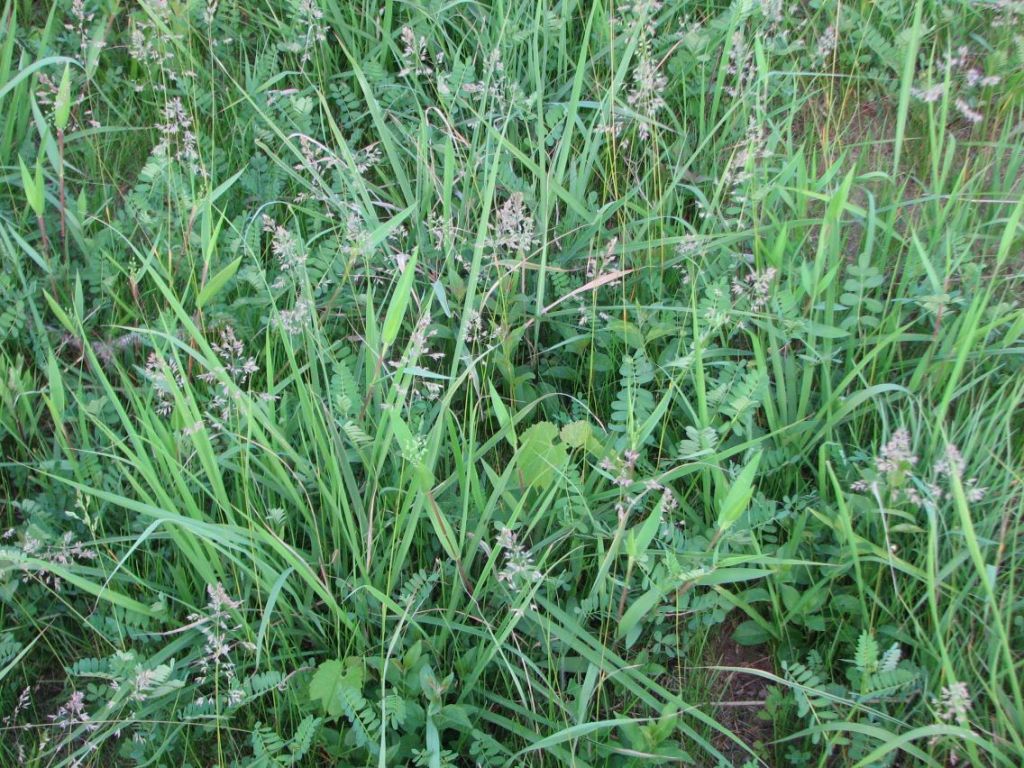
This is invasive crown vetch. This is another plant that is abundant north of Shoe Factory Hill Road.
From Kirk Garanflo, 6/3/2023
“The proliferation of both bird’s-foot trefoil and crown vetch throughout the field north of Shoe Factory Road is a recent (within the last 5 or so years) phenomenon. It began, I noticed, when the FPDCC’s contractors began widening the corridor of the unpaved trail in order to accommodate the paved bicycle path that was eventually constructed through the area. I have removed teasel seedheads from this area every year for about 25 years and did not observe these two extensive weeds before the bike path construction began.”
South of Shoe Factory Road
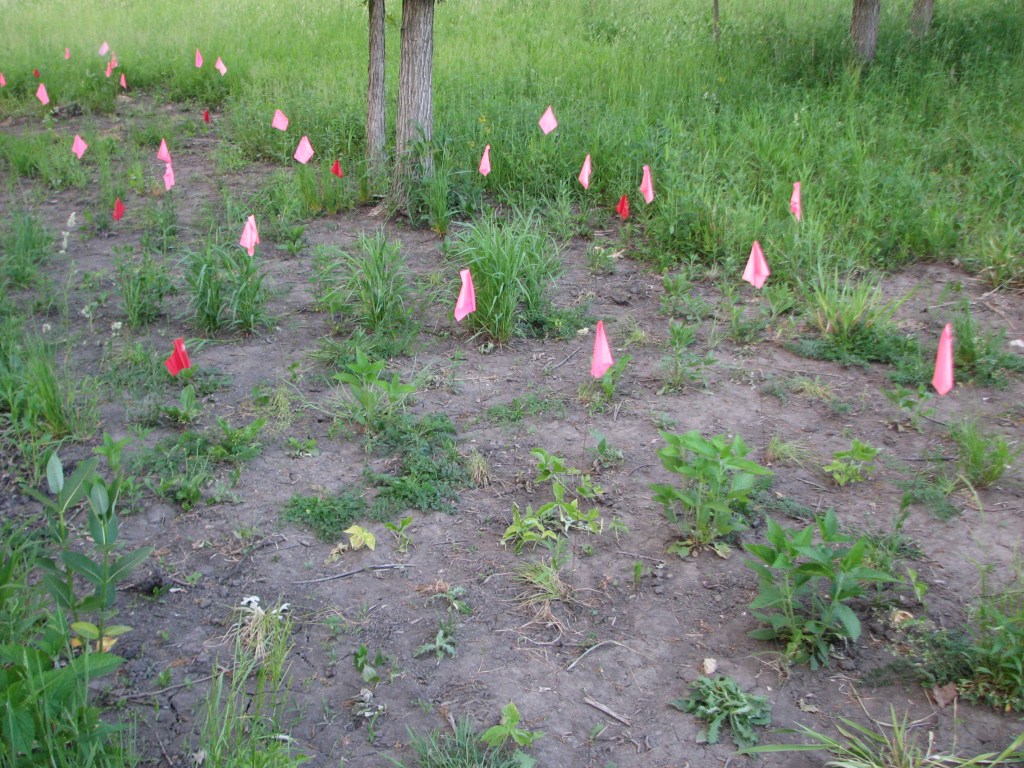
Immediately east of the Shoe Factory Road Prairie Nature Preserve under oak trees there were flags marking each sedge that had been planted. It looks like they could use some water.
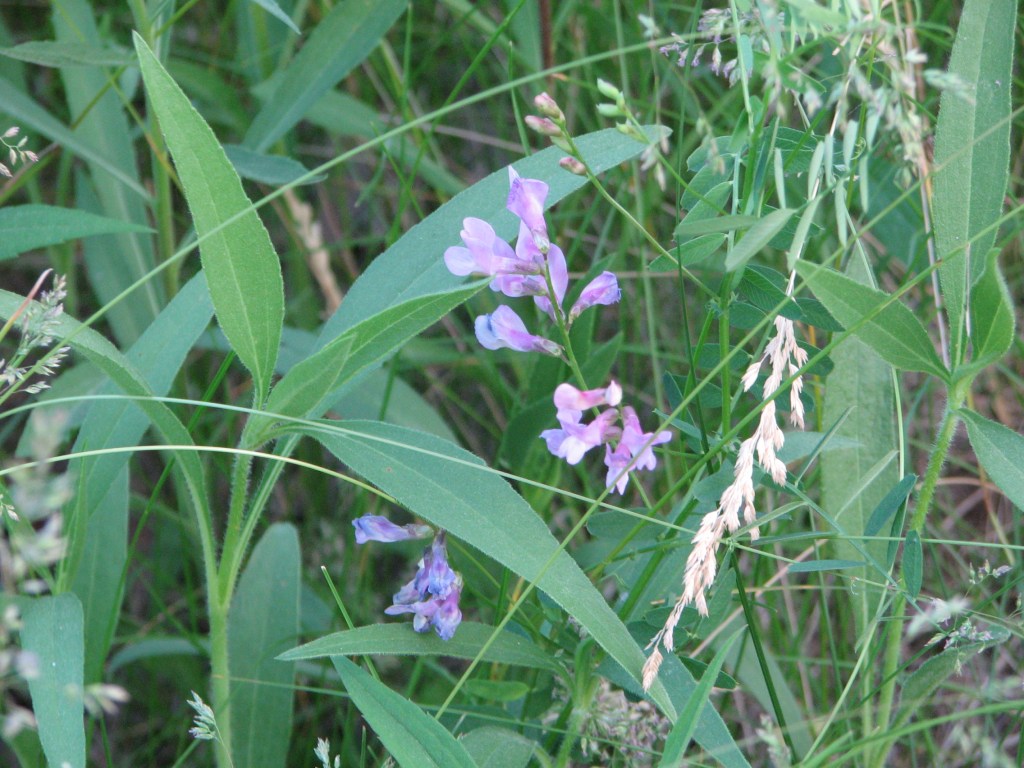
American Vetch was blooming in the location I found it on 4/30/2023.

I visited the area where I saw lots of prairie ragwort on my 4/20/2023 visit. I was hoping for a nice show. However, the flowers were all dried up from a lack of rain this May.

This pretty invasive species is dame’s rocket. The stewards have been battling it for years. There is still plenty north of the trail and east of the Shoe Factory Road Prairie Nature Preserve.

The above photo is from the area titled “Tree Removal to Expand Prairie” on the map from the post titled “Poplar Creek on 1/8/2023.” The area shown in the photo is south of the trail. On the post titled, “Poplar Creek on 4/30/2023,” I wrote “In the center of the southern portion of this area there were patches that were dead. This indicates these dense areas of woody invasive species that had been mowed had also been sprayed.” The common buckthorn has not sprouted. However, Galium aparine has grown in this area. This indicates enough herbicide was applied to control the common buckthorn without preventing other plants from establishing the following year. This can often be a difficult balance to achieve.
 Stewardship Chronicles
Leave a comment