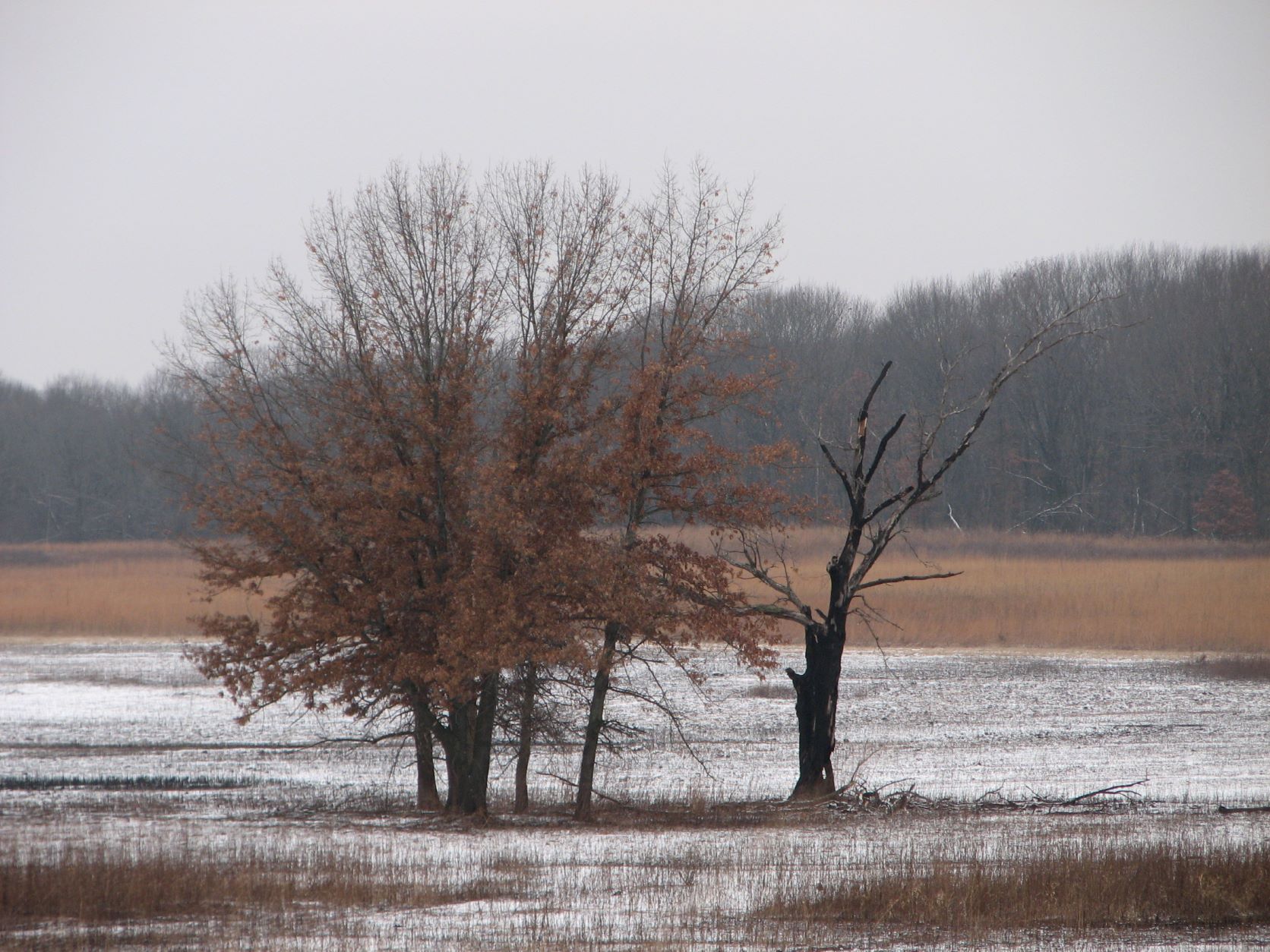

Above is what the garden looked like from the side on 5/3/2023.
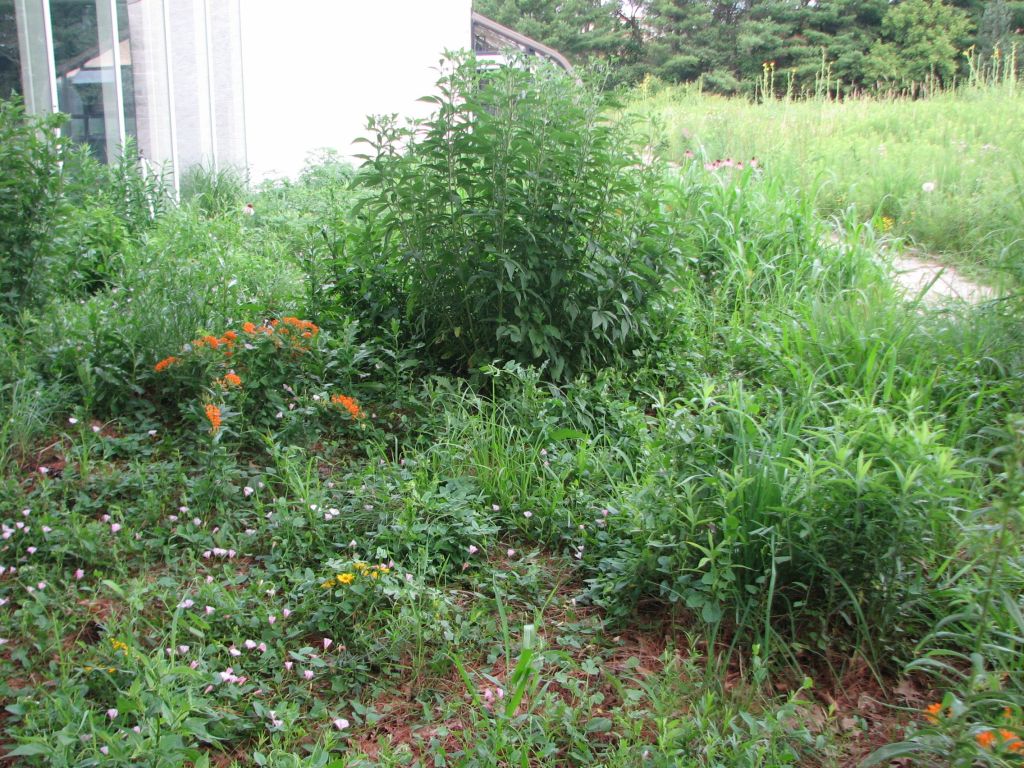
This is what the garden looks like today. Some plants that have survived the spraying include butterfly milkweed (Asclepias tuberosa), little bluestem (Schizachyrium scoparium), pale purple coneflower (Echinacea pallida), prairie coreopsis (Coreopsis palmata), prairie dropseed (Sporobolus heterolepsis), royal catchfly (Silene regia), wild bergamot (Monarda fistulosa), and wild golden glow (Rudebeckia lacinata). These plants may not have emerged, or only emerged a little, when spraying occurred.
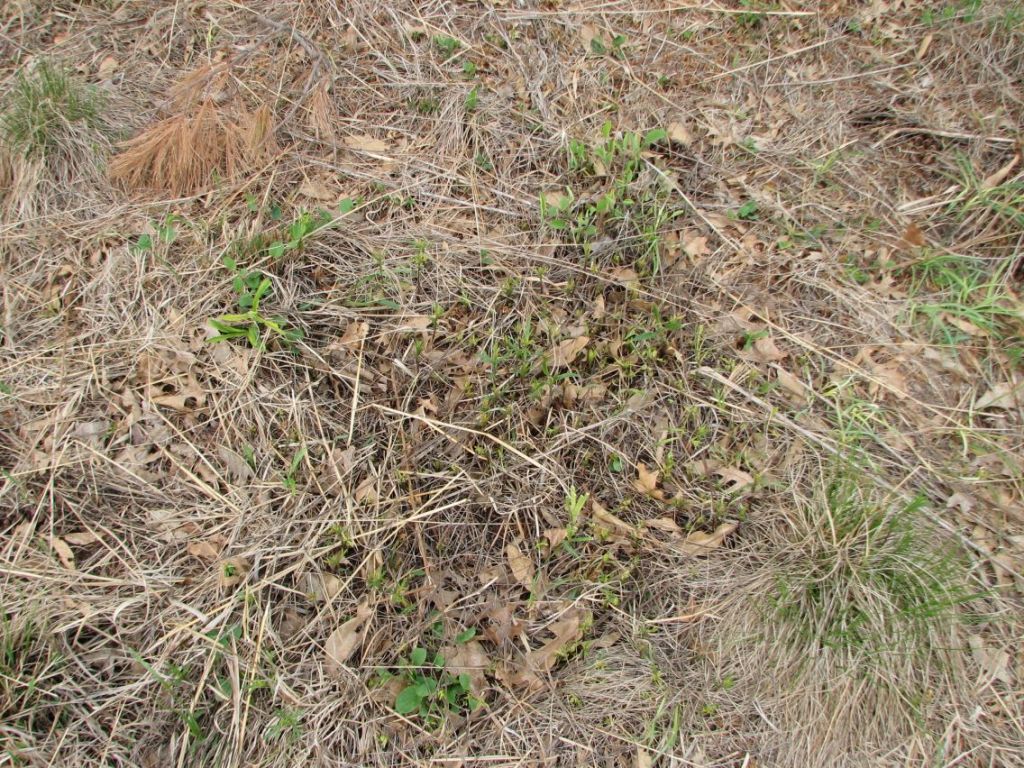
Prairie coreopsis on 5/3/2023 after being sprayed.

Prairie coreopsis on 7/13/2023. It appears the least impacted parts have recovered from spraying.

The bindweed (5/3/2023) was not impacted much by spraying.
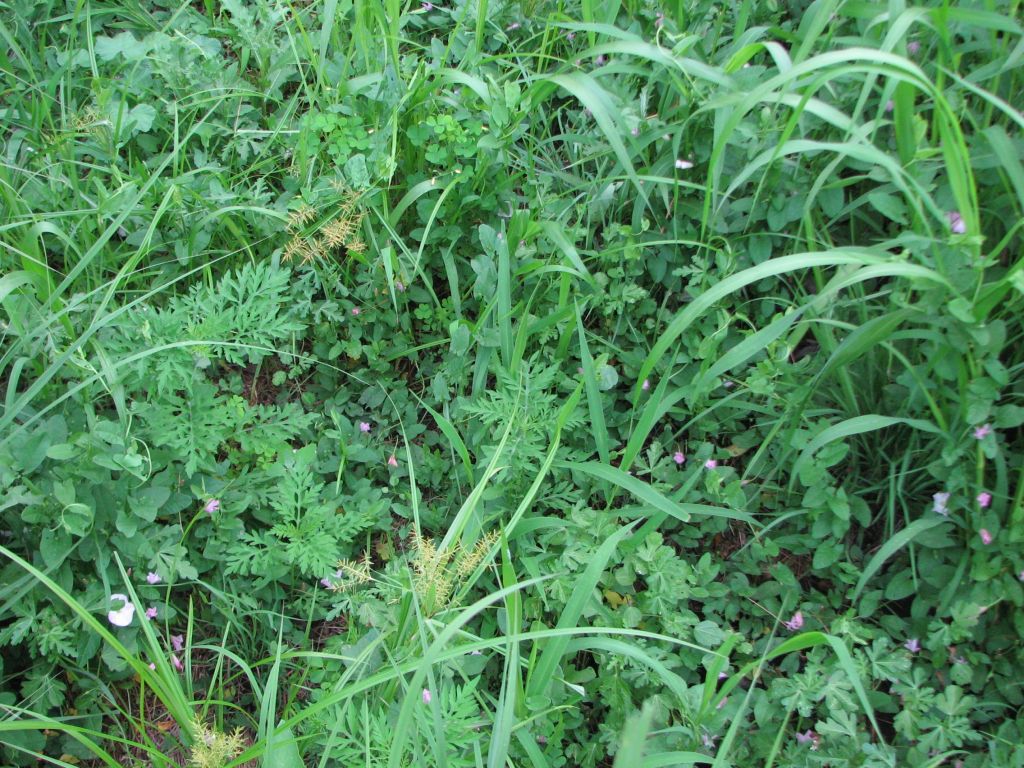
The same location on 7/13/2023. The bindweed has expanded and the area has filled in with a lot of annual weeds and chufa (Cyperus esculentus).

Thistle showing herbicide damage on 5/3/2023.
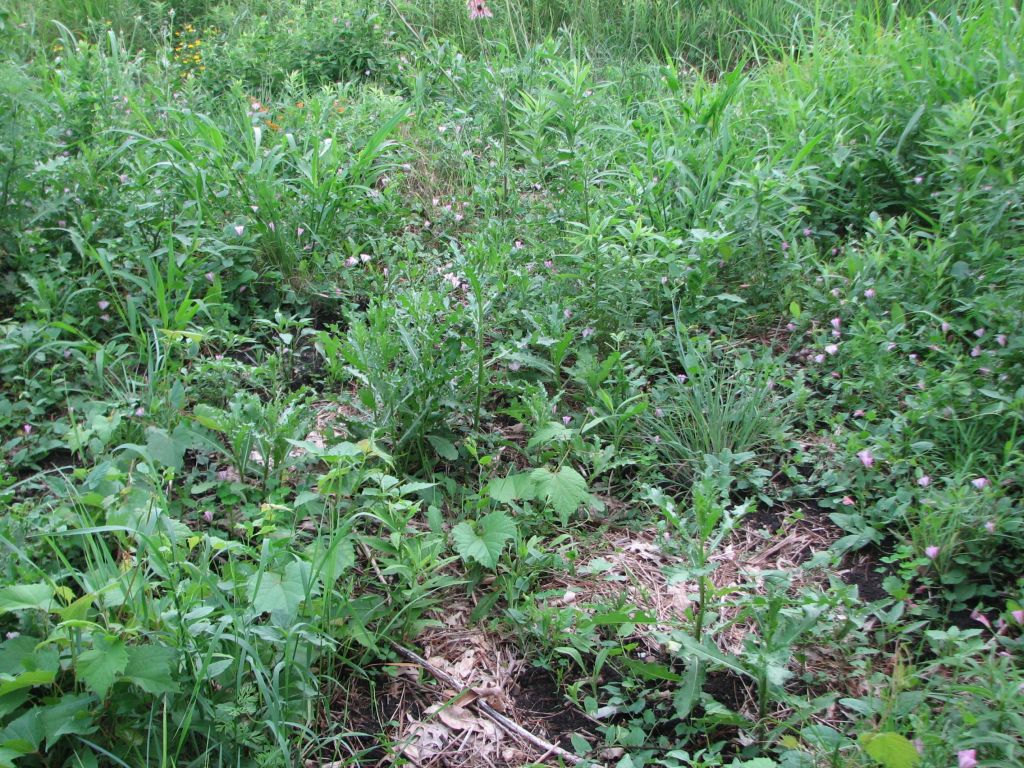
Thistles rebounding (7/13/2023) after have been spray earlier in the season.
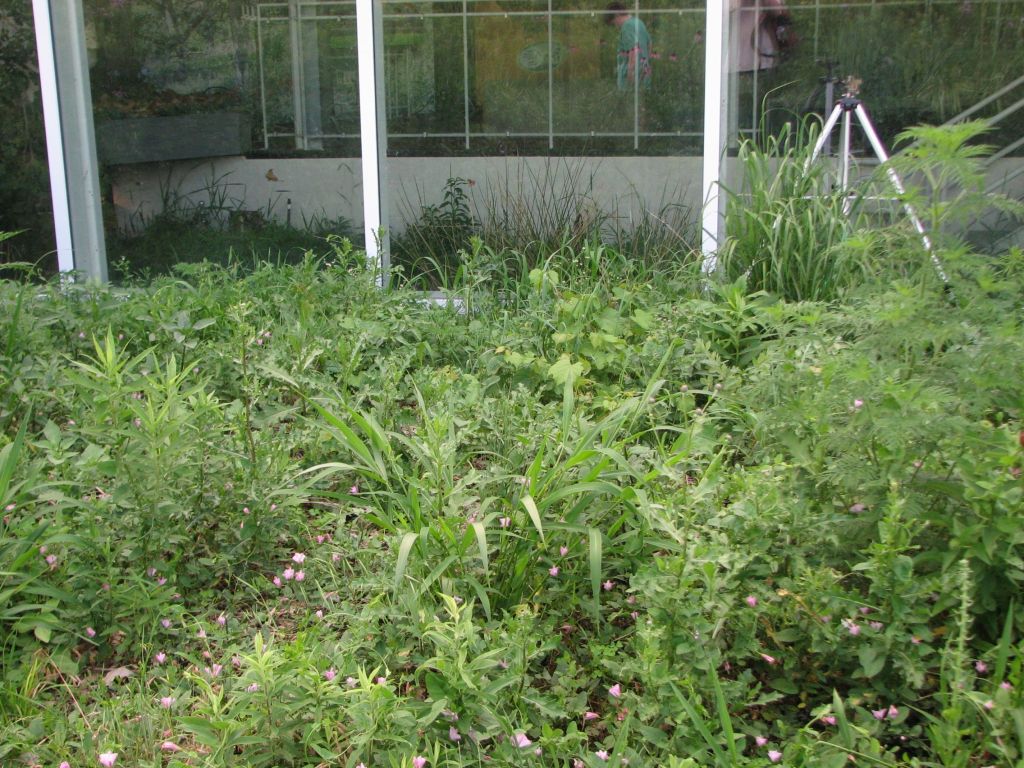
Same patch of thistles (7/13/2023), and other weeds, looking toward the visitor center.

The weedy annual grasses have taken advantage of the long-lived prairie plants being killed by the herbicide. There is a lot of barnyard grass (Echinochola sp.) growing now that was not present before.
In the middle of the image is a purple prairie clover (Dalea purpurea) that was planted this spring. A lot of high-quality prairie plants were planted, but you can’t see them because of all the faster growing weeds. I think the conservative prairie plants would have established better if they were planted in between the already existing conservative prairie plants. Spraying causes a surge in nutrients resulting in rank weed growth that can shade shorter-statured developing prairie plants to death.

Garden from near the southeastern corner (7/13/2023). Some of the later emerging prairie plants that survived the spraying are visible. These include pale purple coneflower, royal catchfly, and warm season grasses. Mostly what is visible are weeds that have taken advantage of the spraying. Near the middle of the image is cheatgrass (Bromus techorum). The spraying had killed all of this winter annual. However, a few months later it is already back and producing seeds. I predict that next year, with the competition from long-lived prairie species reduced, the cheatgrass will be worse than it was before herbicide was sprayed.
Plants That Did Not Survive Herbicide Spraying


Nodding Wild Onion (Allium cernuum)
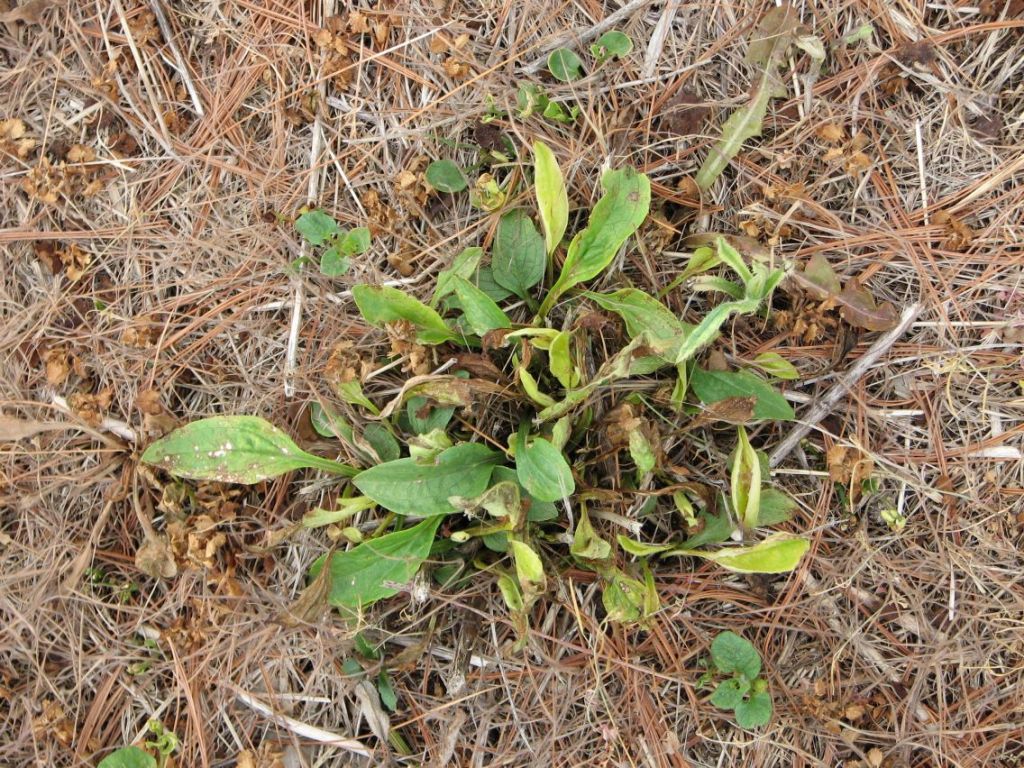
Purple Coneflower (Echinacea purpurea)
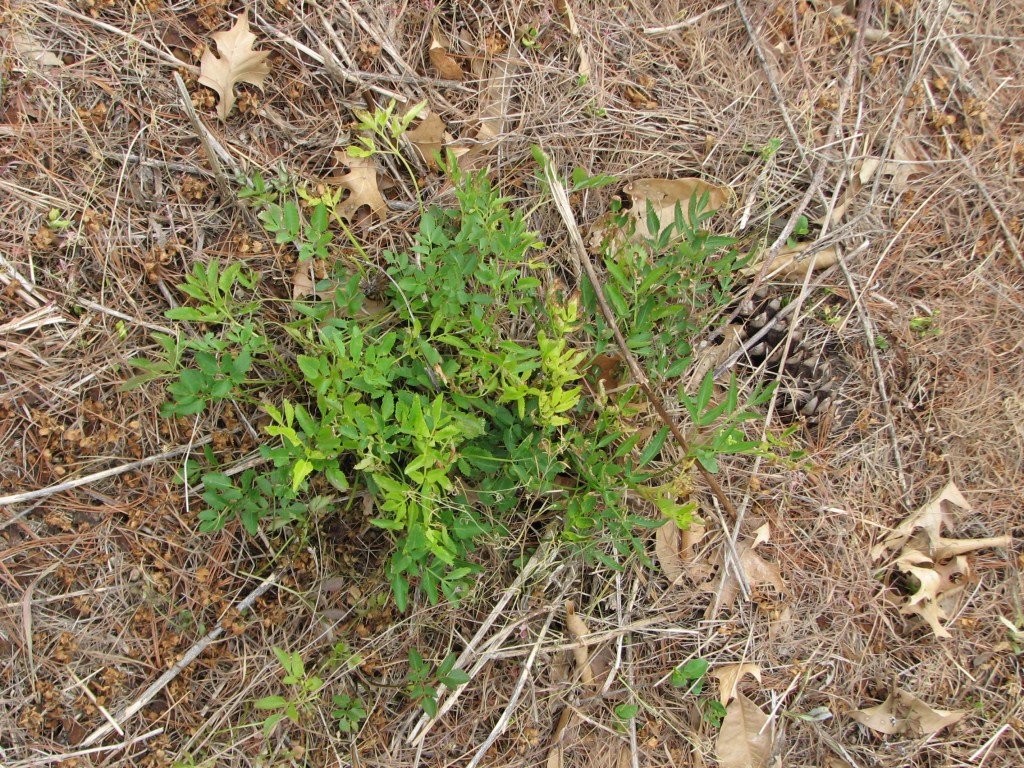
Golden Alexanders (Zizia aurea)

Shooting Star (Primula meadii)
I thought the above plants might survive the level of herbicide damage they received, but they did not. I believe a second spraying may have been done to treat the areas that were missed during the first herbicide application. The above shown plants could have been killed by the initial spraying or died after being sprayed with herbicide again. Either way, they are gone.

 Stewardship Chronicles
Leave a comment