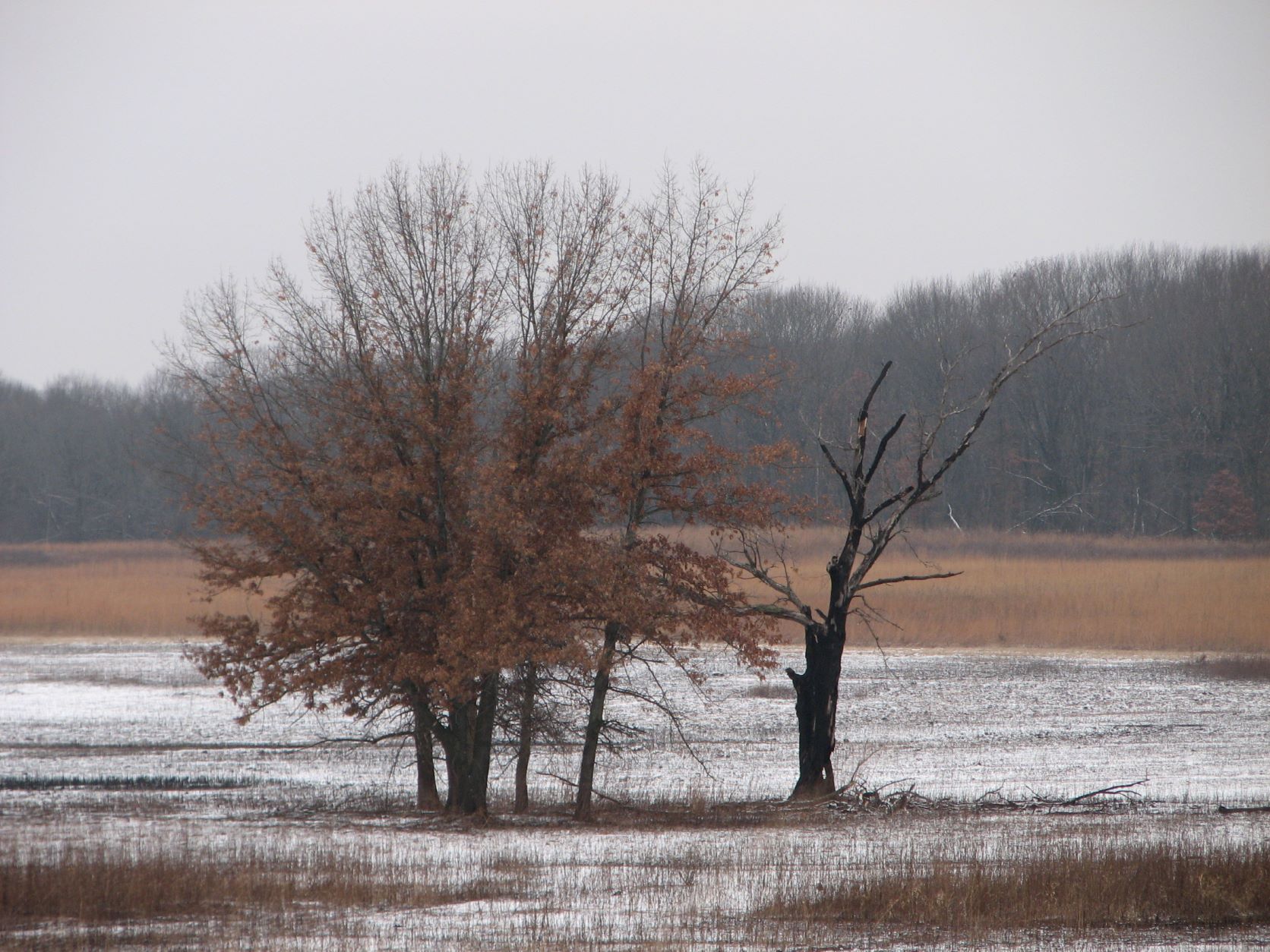

For this post, I visited the Old Plank Road Prairie Nature Preserve. The volunteer group that is working at this preserve posts information on workdays at the following Facebook page.
https://www.facebook.com/OPRprairies
Summary
Satellite Map
Herbicide Application Map
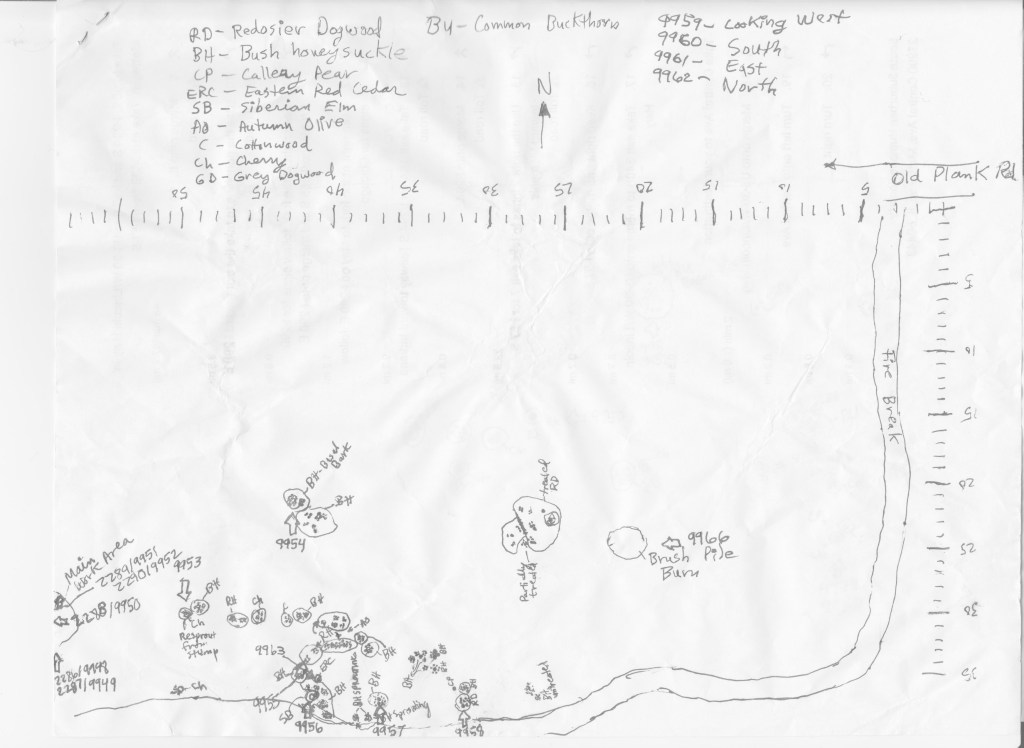
Location of woody invasive species are mapped and labelled. Further explanation of the map included in this respective section.
Images Taken After Workday
These are images of various woody invasive species that have had herbicide applied to cut stump or basal bark.
Views of Work Area
Images from edges of work area looking west, south, east, and north.
Brush Pile Burn
Suggestions/Advice
Follow up Post
Satellite Map
The meeting area is labeled in the below image. Also labeled is an area that had been burned this past fall where a wet mesic seed mix was sown. Lastly, the work area where invasive woody species were removed during the workday is labeled.

Retrieved January 9th, 2024
https://www.google.com/maps/place/Old+Plank+Rd+Prairie+Nature+Preserve,+Matteson,+IL+60443/@41.4969871,-87.7611157,821m/data=!3m1!1e3!4m6!3m5!1s0x880e1132870a1d0b:0xb0b4cb94cff26255!8m2!3d41.4974186!4d-87.7474224!16s%2Fg%2F11bvtg6k8n?entry=ttu
Herbicide Application Maps
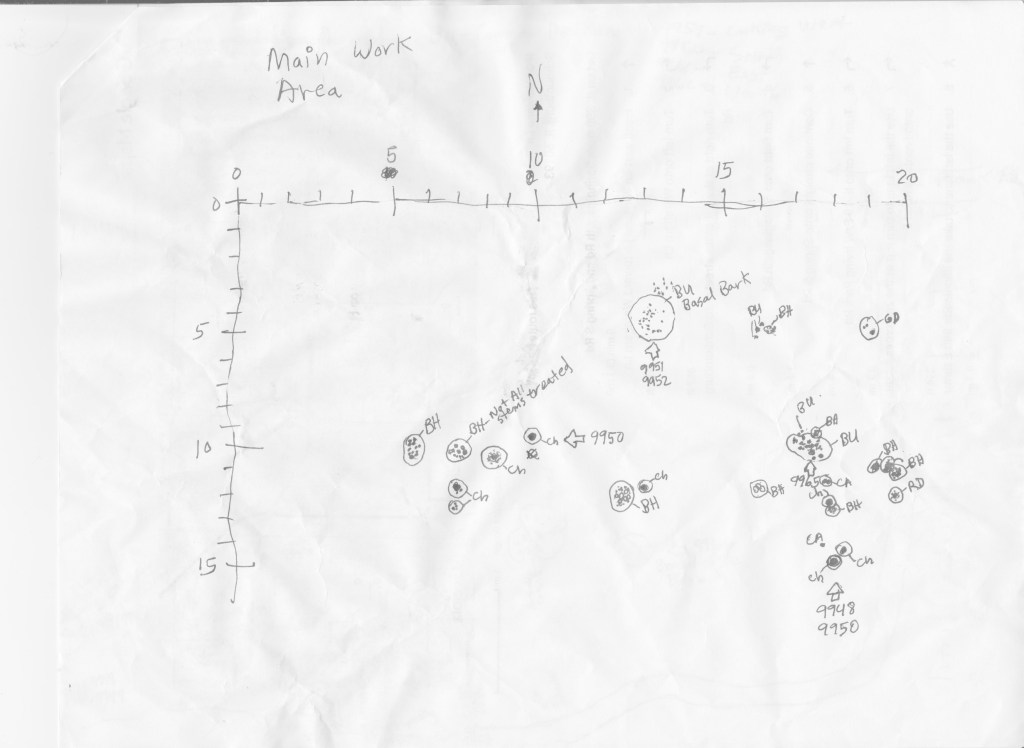
Location of woody invasive species are mapped and labelled. The woody invasive species that had herbicide applied during this workday are circled. Arrows with numbers indicate where images were taken with a digital camera. These were mapped to facilitate relocation of these locations to take images later to show effectiveness of the herbicide application and any off-target damage that is visible.
The below map is a magnified view of the area labelled ‘Main Work Area’ in the above map and as this area continues to the west.
Images Taken After Workday

Largest and densest thicket that was cut looking north (labelled ‘Main Work Area’ on herbicide application maps). It was mentioned that crown vetch was growing under these invasive woody species.
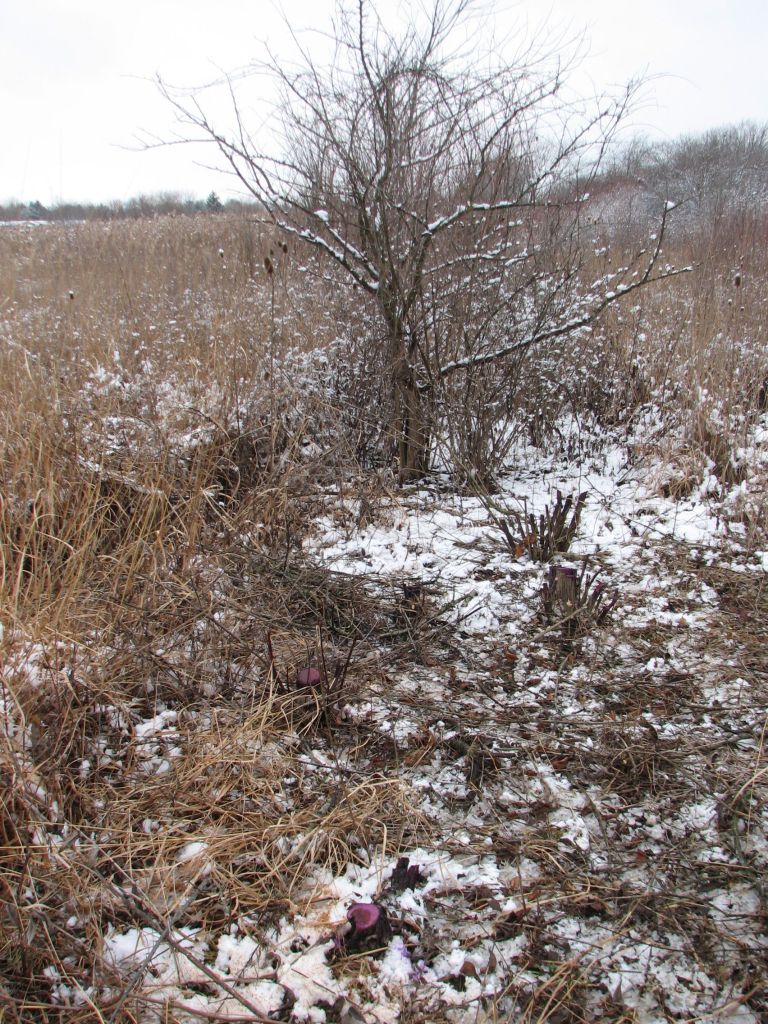
View of the western stopping point of woody invasive species removal at this workday from inside area labelled ‘Main Work Area’ on the herbicide application map.
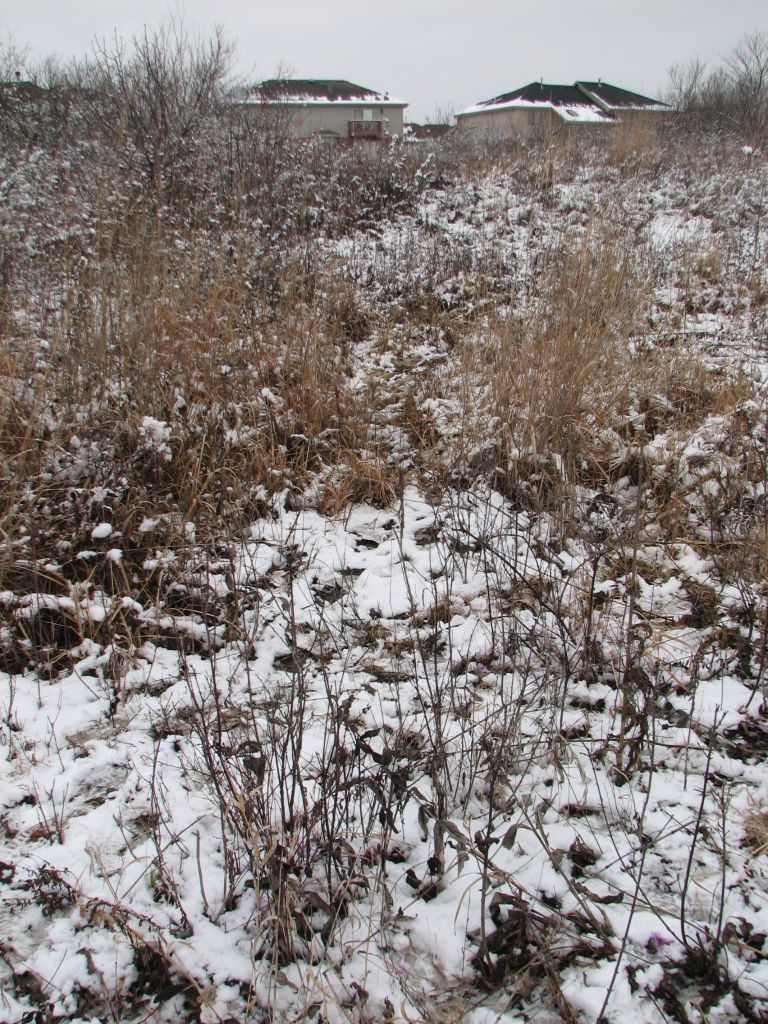
Clump of small buckthorns that had triclopyr ester in basal oil applied to about three inches of stem length. This was done following my suggestion. As woody invasive species decrease in stem diameter an increasing proportion of stem length must be covered with triclopyr ester in basal oil relative to that stem diameter. This means as stem diameters get smaller it becomes harder to apply enough herbicide on only the cut surface of a stump to get effective control. Once invasive woody species have stem diameters that are this small, cutting them is of little benefit and the triclopyr ester in basal oil is most easily applied to an appropriate length of bark.
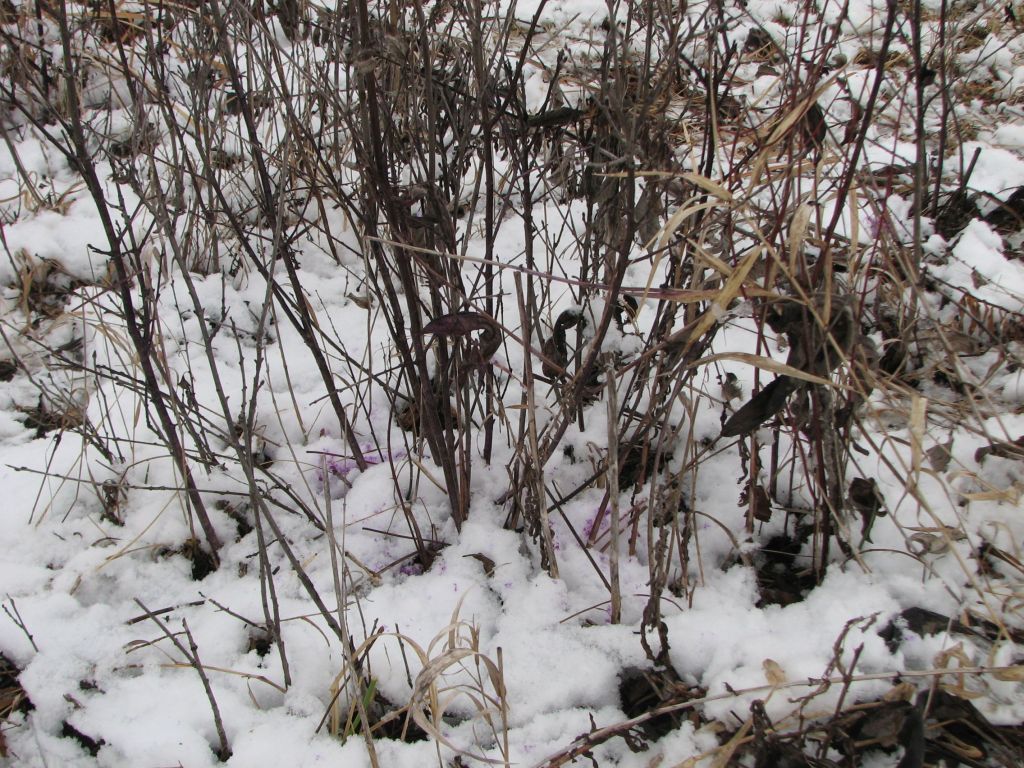
Closer view of the above clump of small buckthorns that had triclopyr ester in basal oil applied to about three inches of stem length.
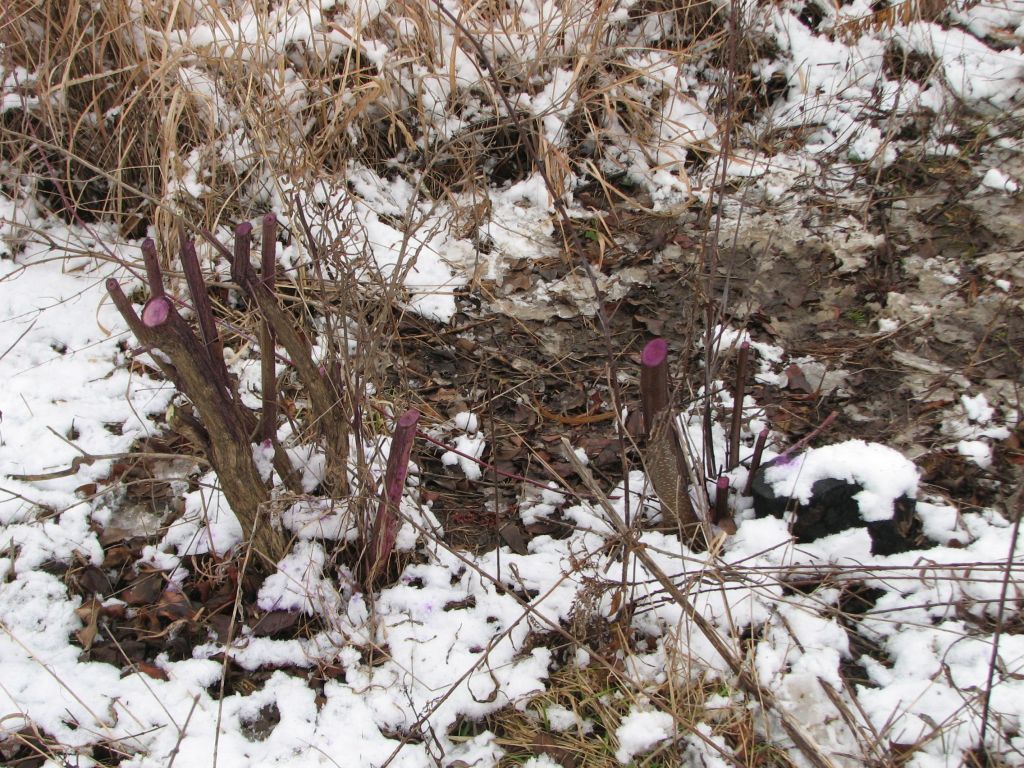
Bush honeysuckle and black cherry cut stumps after triclopyr ester in basal oil had been applied.
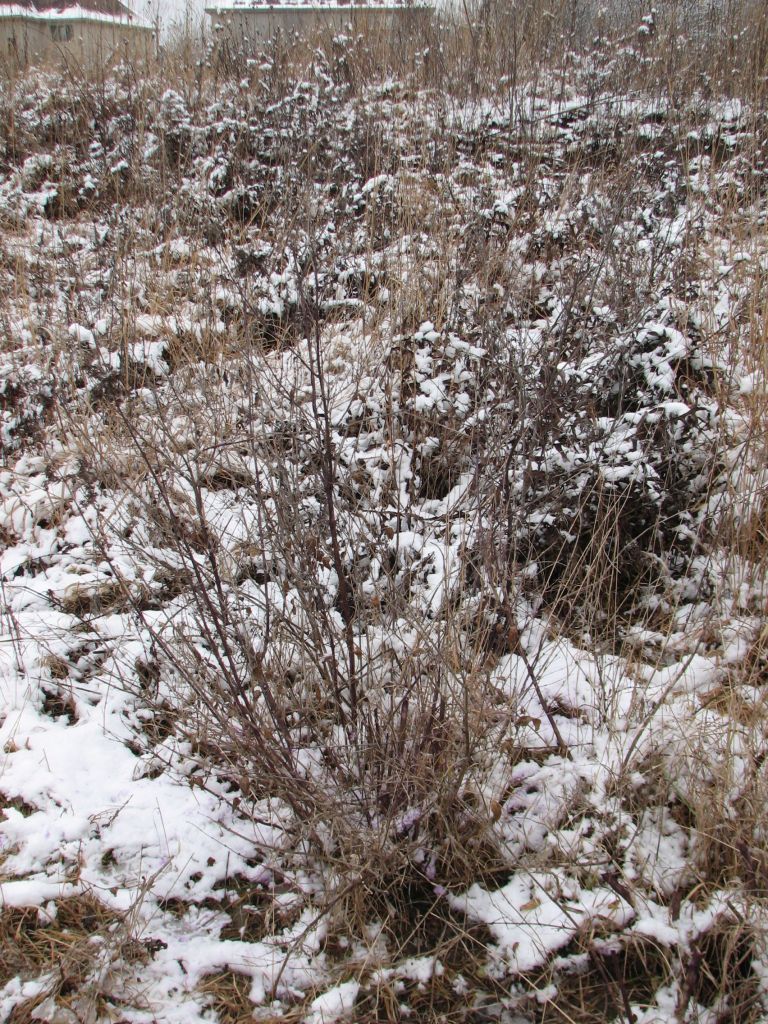
Asian bush honeysuckle that had sprouted after being cut or burned to the ground in a fire. I suggested triclopyr ester in basal oil be applied to 4 to 6 inches of stem length without cutting. Some of the stems were cut before treatment. If enough herbicide is not applied to a stem then that stem will survive. Having about half the stems cut and half the stems uncut would show which application method was more effective all on one plant. However, fire is planned for spring, so I do not believe this herbicide application will be very effective. More discussion on this is under the Suggestions/Advice heading later.
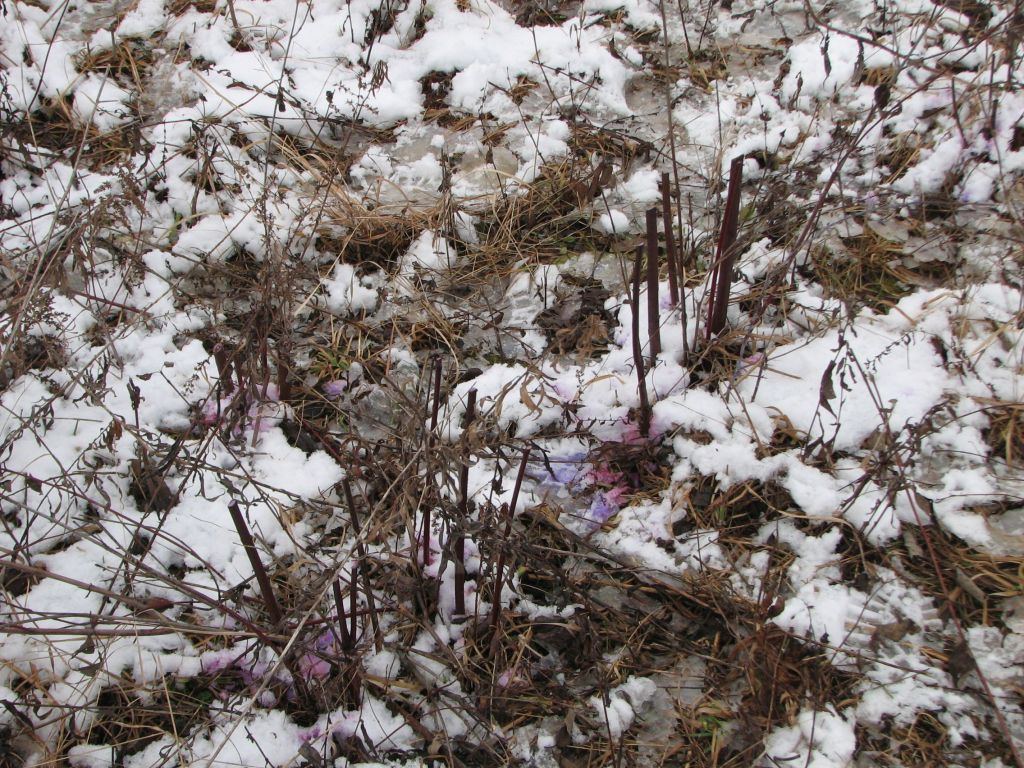
These are redosier dogwood. I asked one of the leaders to consider saving this native woody species in the future. More discussion on this is under the Suggestions/Advice heading later.
In the above image, herbicide has been dripped on the snow. In the coming growing season, I will be able to observe if non-target plants have been impacted from the herbicide dripped onto the snow.
Dripping herbicide on the ground/snow often happens when an herbicide applicator first begins applying herbicide for the day. As an herbicide applicator gets the feel of how light/hard to press the mini-paint roller against the stems then dripping herbicide onto the snow is reduced.

Another redosier dogwood cut and treated with herbicide.
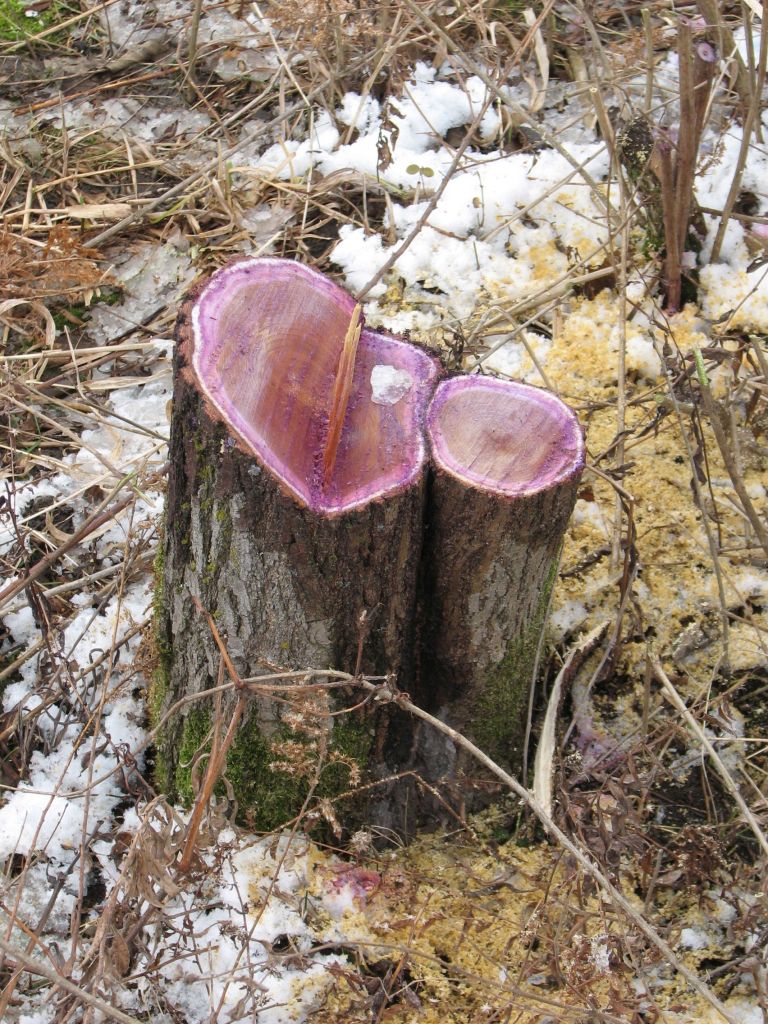
I do not know the identity of this tree from just the bark. I thought possibly osage orange, but I did not see any of the characteristic fruits on the ground.
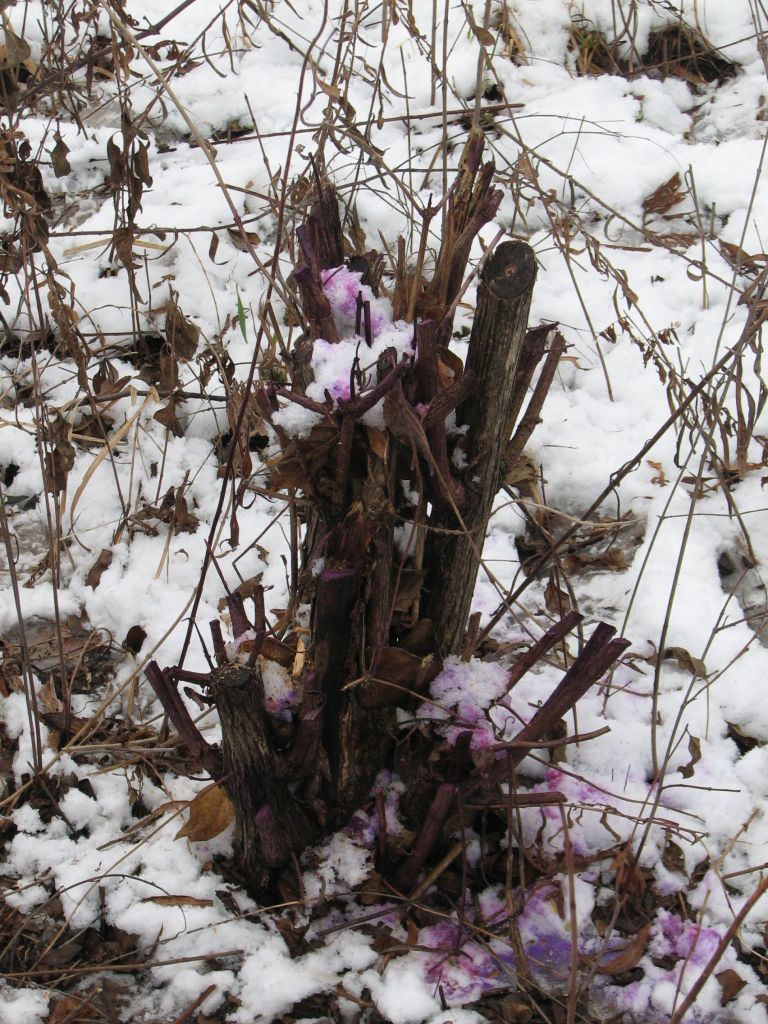
A previously cut, sprouting, then recently again cut Asian bush honeysuckle. Not killing woody invasive species with an herbicide treatment after they have first been cut leads to much more work since many more stems must be cut and/or treated with herbicide.
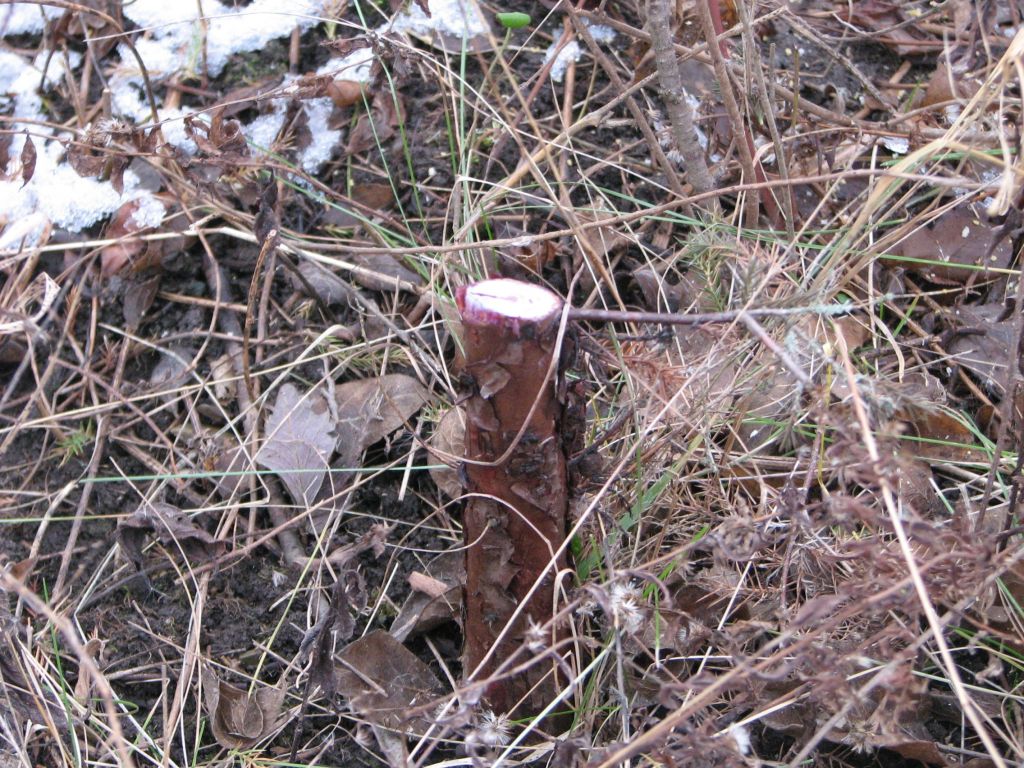
This is an eastern red cedar that has had triclopyr ester applied to the cut stump. I included this image to remind herbicide applicators that eastern red cedar is not a dicot, but rather a gymnosperm, and therefore is not impacted by triclopyr products. When eastern red cedar is cut, it will die even if herbicide is not applied since the stumps do not have the ability to sprout. Not applying herbicide to eastern red cedar stumps can save chemical and money.

This is a dense colony of what I had labelled as being common buckthorn. Looking at the image, it is now difficult for me to identify the stumps since they are covered in purple dye. As you can see, the stems were cut and triclopyr ester has been applied.
Views of Work Area
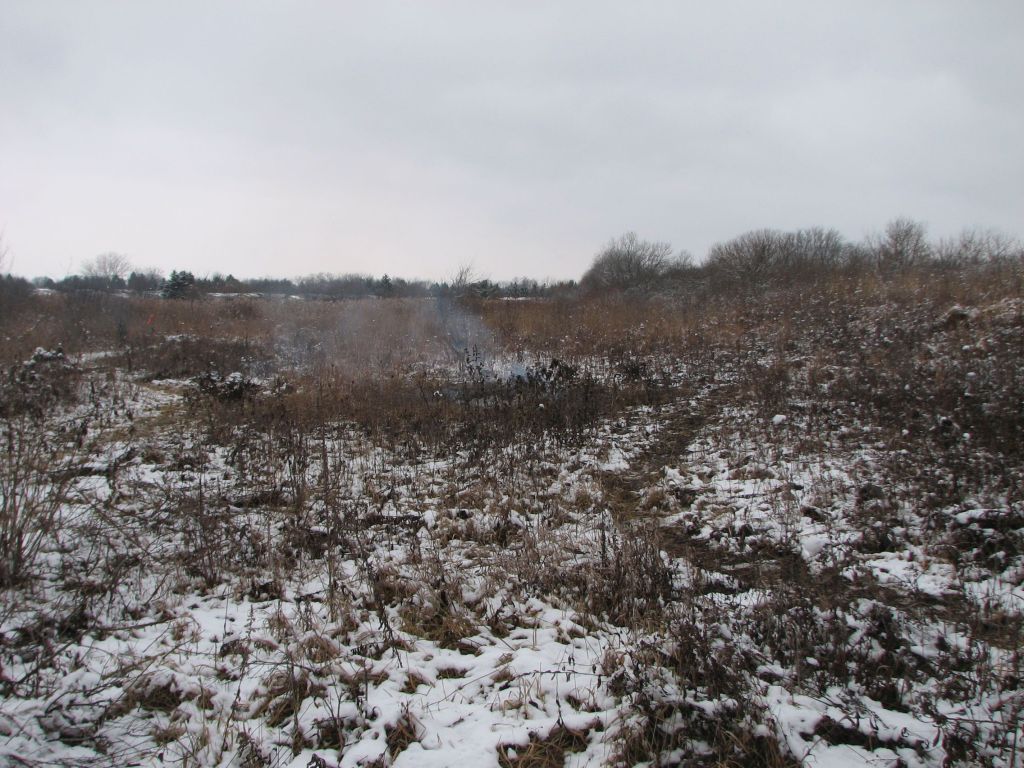
Looking West

Looking South

Looking East
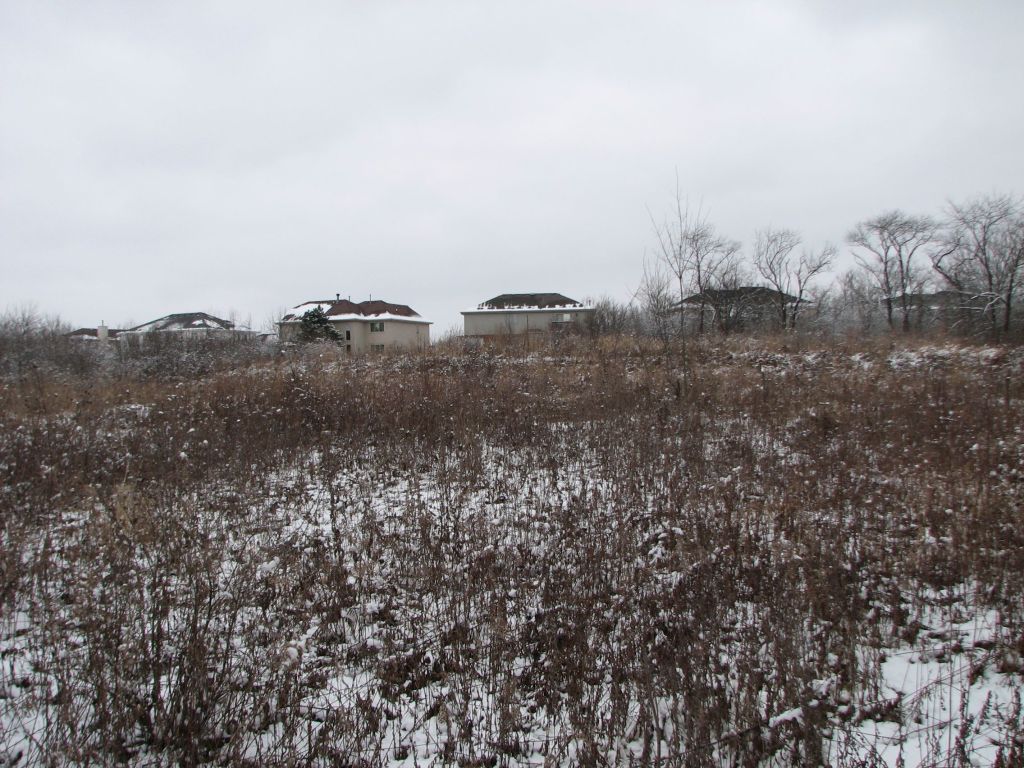
Looking North
Brush Pile Burn

Suggestions/Advice
- Suggest not applying herbicide to areas that are going to be burned soon. The effectiveness of applying triclopyr ester in basal oil progressively decreases to zero as the amount of time between the herbicide application and a subsequent fire is reduced.
- It is more comfortable for volunteers if herbicide is applied after the people cutting/lopping leave.
- Suggest herbicide applicators purchase and wear organic vapor respirators (about $40 at any Hardware Store) for their comfort.
- Mentioned damage caused by burn scars. Suggested saving effort by using methods that leave invasive woody species standing (frilling or basal bark application).
- Suggest applying glyphosate to frills instead of triclopyr ester in basal oil to basal bark when easier (a few or larger stems). This method would be especially good for controlling staghorn sumac. Staghorn sumac requires large amounts of triclopyr ester in basal oil for control. Glyphosate applied to frills requires a much-reduced volume of herbicide when controlling staghorn sumac. Also, glyphosate is less expensive than triclopyr in basal oil.
- Mentioned it would be best to avoid applying triclopyr ester in basal oil within 4 days of rain/wet snow occurring to prevent off-target damage. Longer would be better.
- If rain/wet snow is predicted to occur within 4 days, glyphosate can be applied to frills without causing off-target damage. Glyphosate can be applied at least down to 28 degrees F. Some people say even lower.
- Suggested placing flags by smaller cut/frilled stems so herbicide applicators can find them all. Since cost is important, I suggested after work is done people collect the flags utilities place in yards and bring them to workdays.
- For thin stemmed sprouting stumps, I suggested the herbicide applicator apply triclopyr ester in basal oil directly to the full circumference of each stem for a length of 4-6 inches rather than cutting the stems before applying herbicide.
- For small Asian bush honeysuckle/buckthorn that are about 1/4 inch in diameter, I suggested covering the circumference of the stem for a length of two to three inches with triclopyr ester in basal oil
- Suggest pressing with less force when first applying herbicide with mini paint roller to prevent dripping herbicide on the ground/snow.
- Mentioned the proportion of stem length needed to be covered relative to stem diameter gets smaller as stem diameters get larger up to about the one inch diameter class (when applying triclopyr ester in basal oil to basal bark).
- Offered to bring my glyphosate foam and dispenser if the volunteer group wanted to use it to control crown vetch.
- Suggested not cutting and applying herbicide to redosier dogwood (Cornus sericea).
Post Script: Heavy wet snow occurred two days after the workday. This will likely lead to significant off-target damage from the triclopyr ester in basal oil running onto the ground from treated stems.
 Stewardship Chronicles
Leave a comment