Summary
Overview
Herbicide Impacted Native Species
Complaint
The Next Year
2021
Sprayed Invasive Species
Overview
For an Eagle Scout project, the larger common buckthorns were removed from a good portion of the preserve that is the topic of this post. After this was done, I volunteered solo at this location for several years. I was not allowed to use herbicide.
Consequently, I girdled the mostly small buckthorns in winter. This was a bad idea since the buckthorns were all top killed and sprouted from the base. It took me three years in each sub-plot throughout the area where I had girdled stems to kill these sprouting buckthorn. I had to repeatedly remove the buckthorn sprouts each month during the growing season, totaling four times per year, to finally kill them.
A person that was a longtime volunteer in county preserves donated money to have a contractor control common buckthorn at this city preserve. Since the job would be taken over by professionals, I was told to stop my efforts.
Sometime in June of 2019, I noticed foliar spraying had been done at this preserve. I took the following photos to document the damage.

Patch of bloodroots
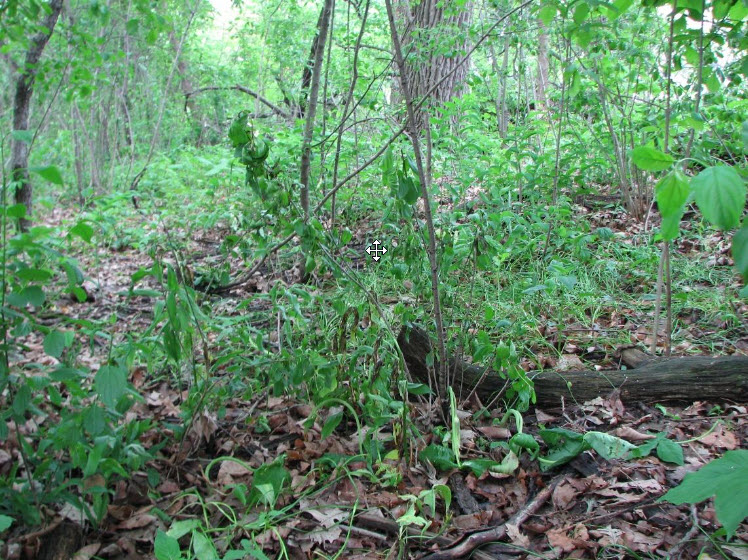
Jack in the pulpits

Prairie Trilliums
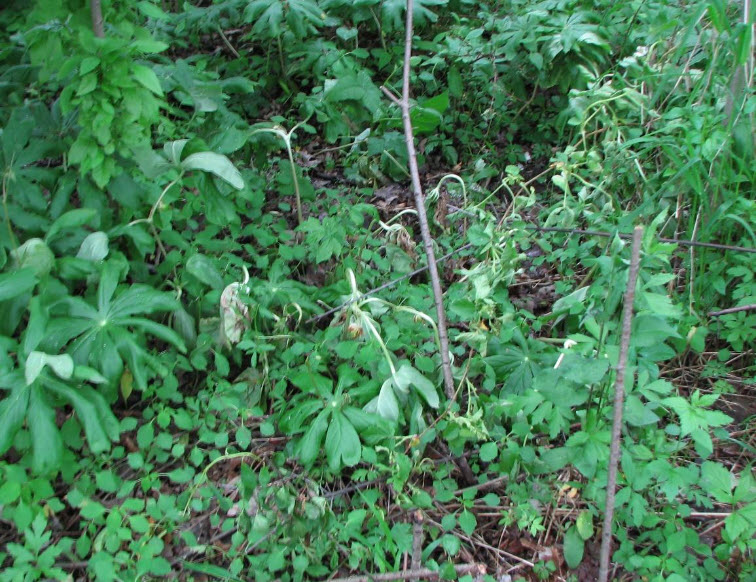
Mayapples

Virginia Waterleaf
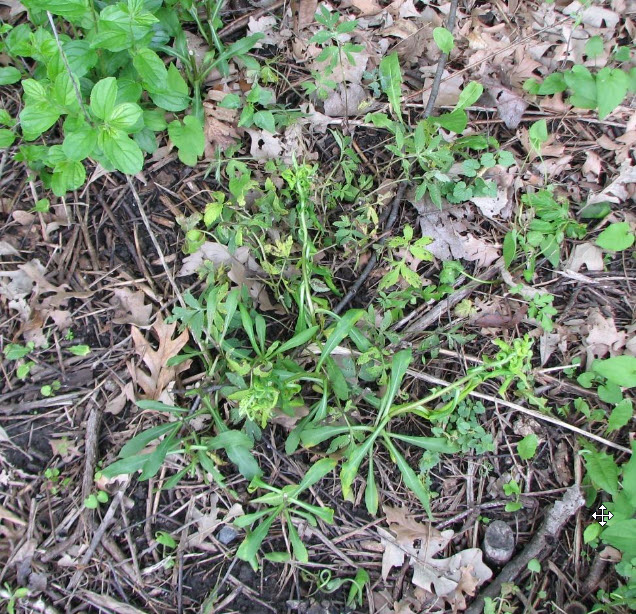
More Virginia Water Leaf

Jacob’s Ladder
Complaint
I sent the above images to the director of conservation, copying the executive director, in a very unhappy e-mail. The director of the park district told me he would ask the contractor to “refrain from any additional herbiciding of invasives during the April-June period.” He told me, “The best way to avoid this problem is to avoid treating with herbicides during the early growing season.”
I now know that basal bark application with a mini-paint roller used to apply the minimum amount of herbicide necessary, while not getting any on the ground, and applied during the dormant season with rain not forecasted for a minimum of four days would cause the least amount of off-target damage when treating smaller common buckthorn stems.
The Next Year

In previous years, the front of this oak tree was a drift of bloodroot. It was a beautiful sight. After the middle of the bloodroot patch was hit with herbicide over spray, the impacted bloodroots did not return. The bloodroots on either side of the patch that avoided herbicide overspray did return. This gives you an idea of how large the bloodroot patch was before the herbicide damage. What filled in the area where the bloodroots had been killed was creeping Charlie.

Elm-leaf goldenrod showing herbicide overspray impacts from an application done the previous fall. Even spraying herbicide in fall, when invasive species have green leaves and most native species have gone dormant still has impacts to the summer/fall flora.
2021
Despite my complaint, and the director of the park district asking the contractor to not spray invasive species “during the April-June period,” in mid- to late June I noticed spraying had been done again.
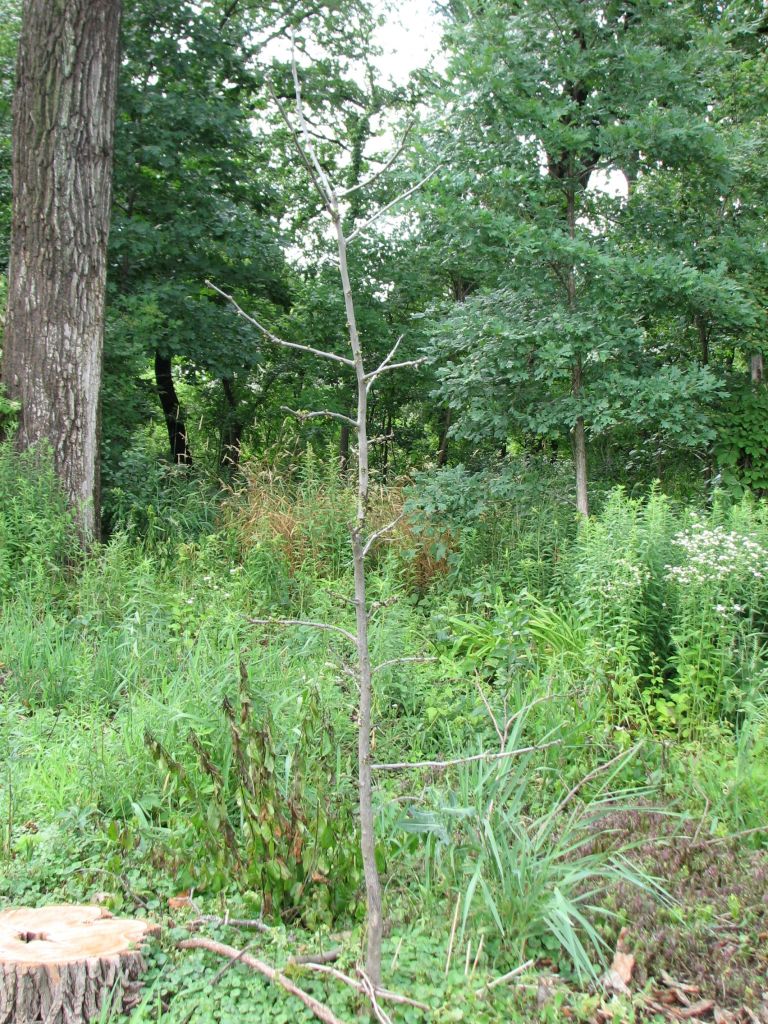
Shagbark hickory showing heavy herbicide damage.

Closeup of buds on the hickory
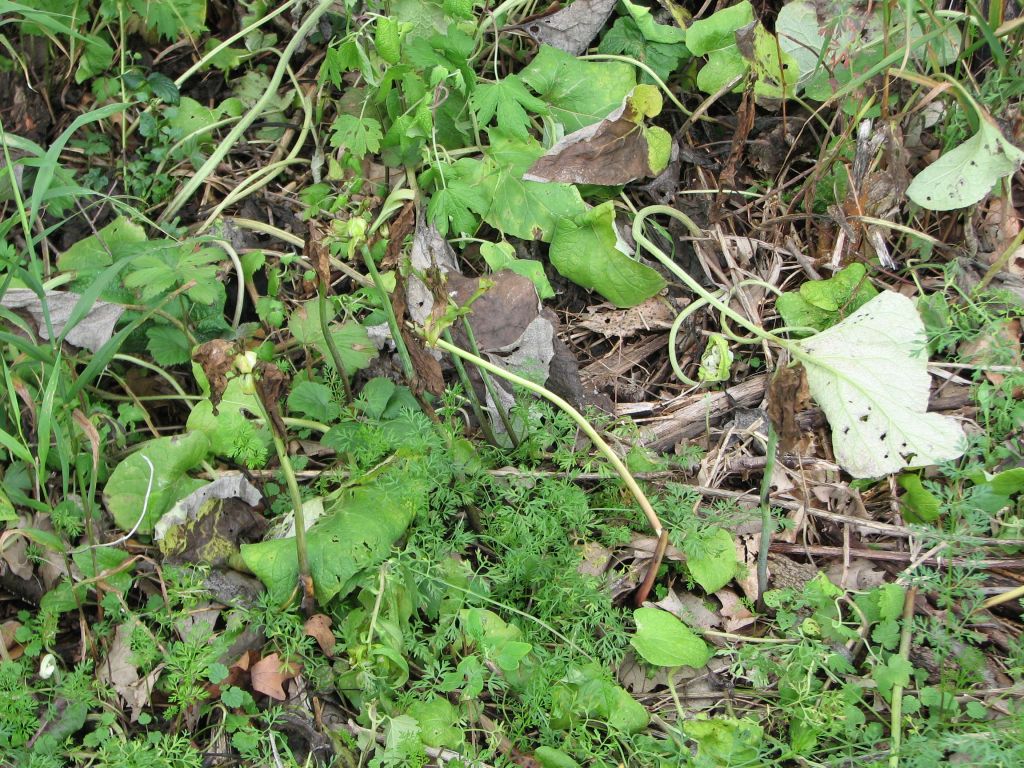
Prairie trilliums
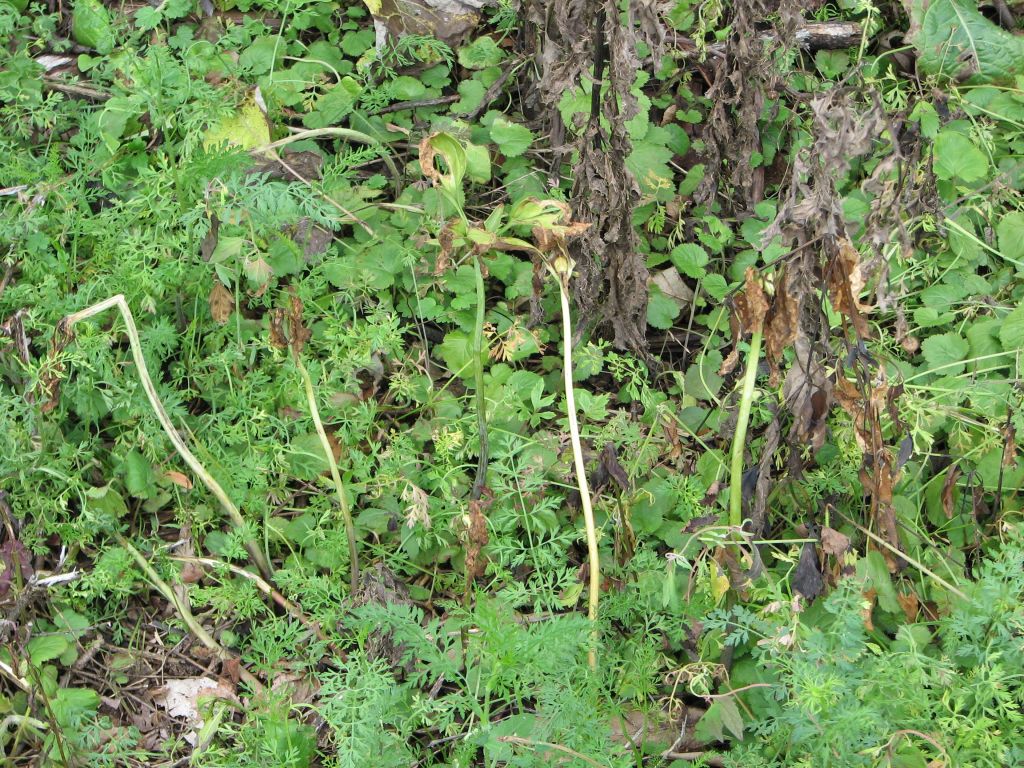
More prairie trilliums
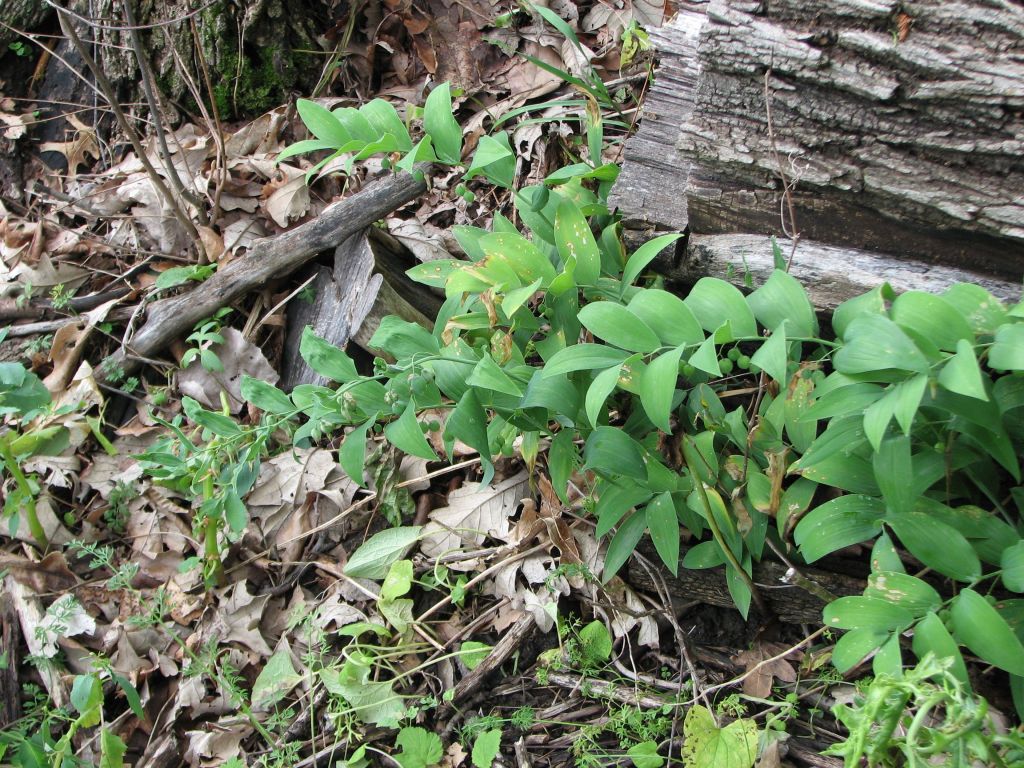
Solomon’s Seal

Asters

More asters

Patch of asters

Figwort

Large, sprayed patch
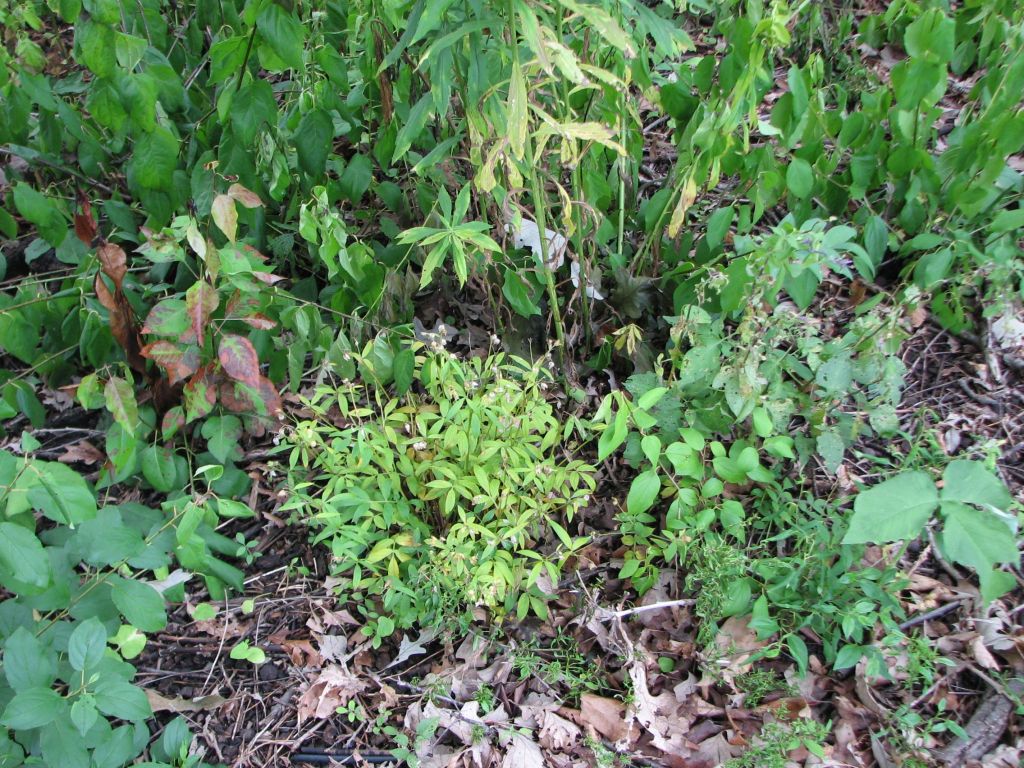
Jacob’s ladder

Hazelnut

Staghorn sumac
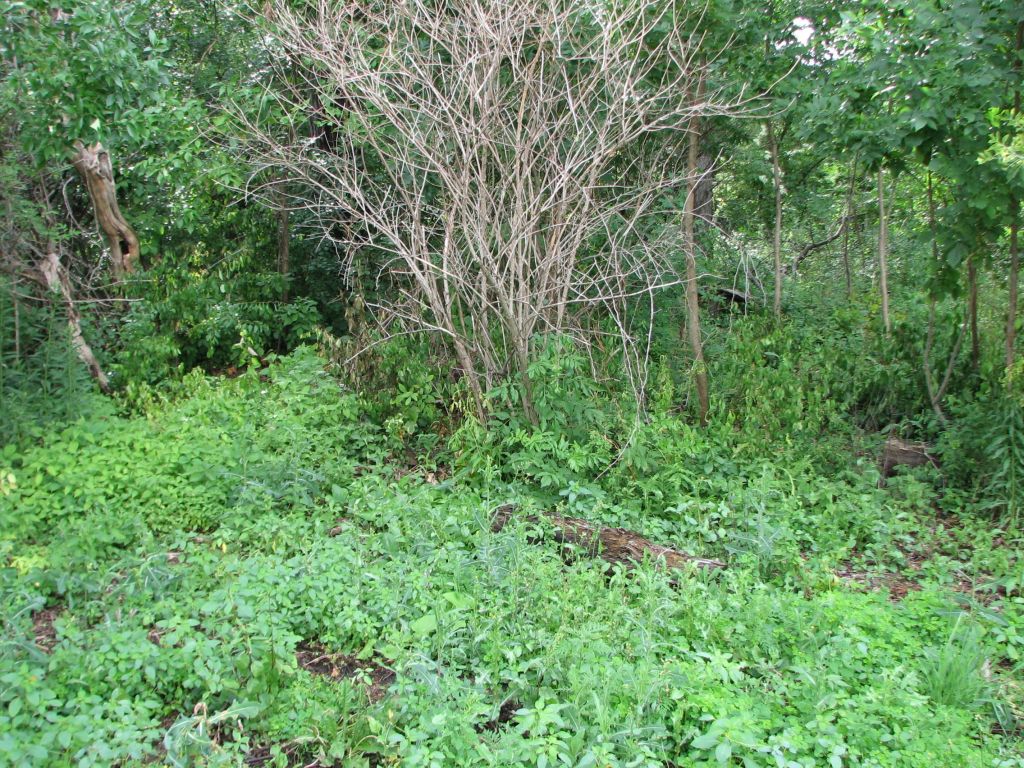
Elderberry
Sprayed Invasive Species
The below images are of invasive species that were sprayed. Despite all the natives that were damage or killed, I don’t think the spraying managed to kill any of the common buckthorns.
Common Buckthorns


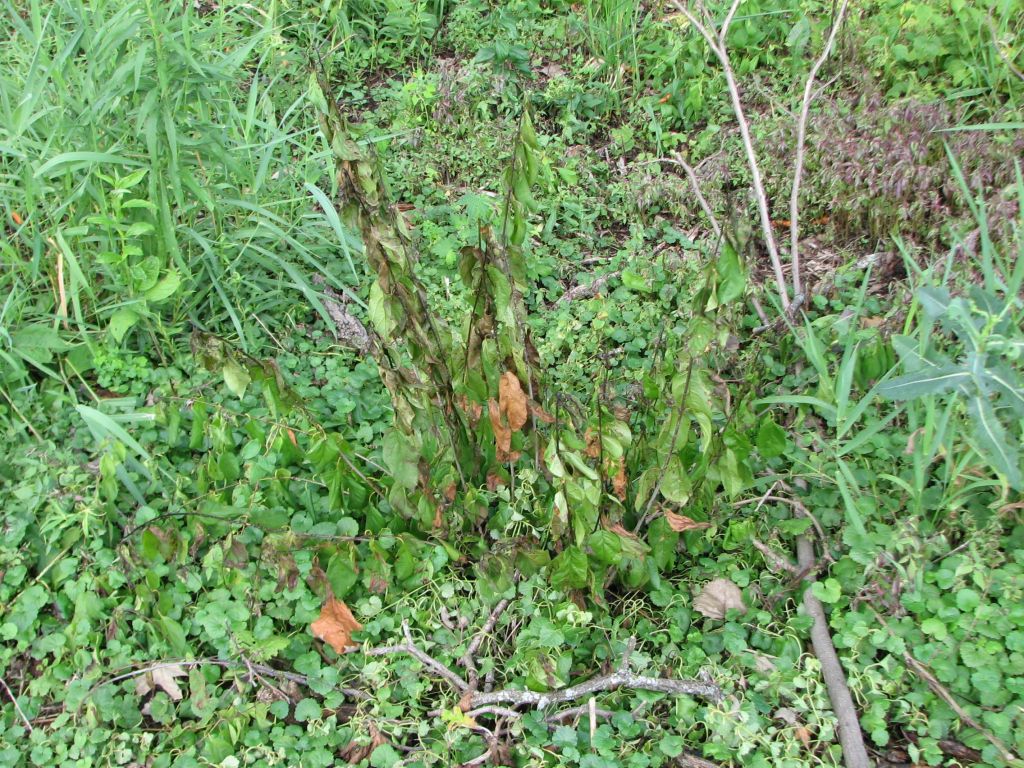

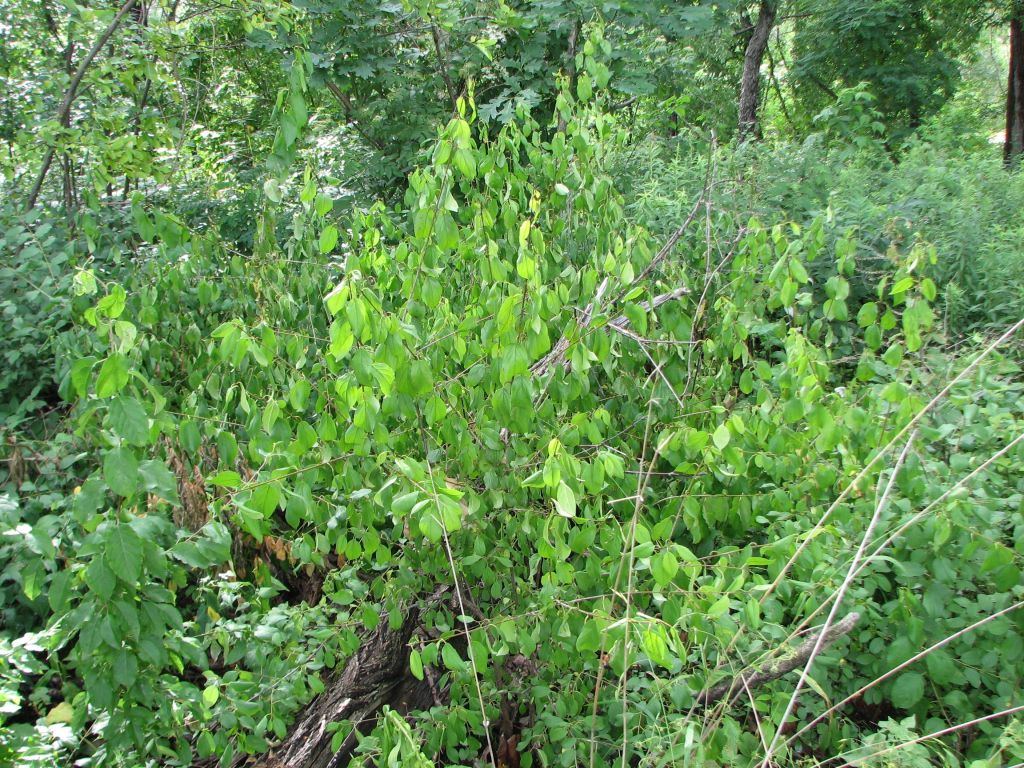


Savannas edge sprayed.

Large area where common buckthorn (and everything else) was sprayed.
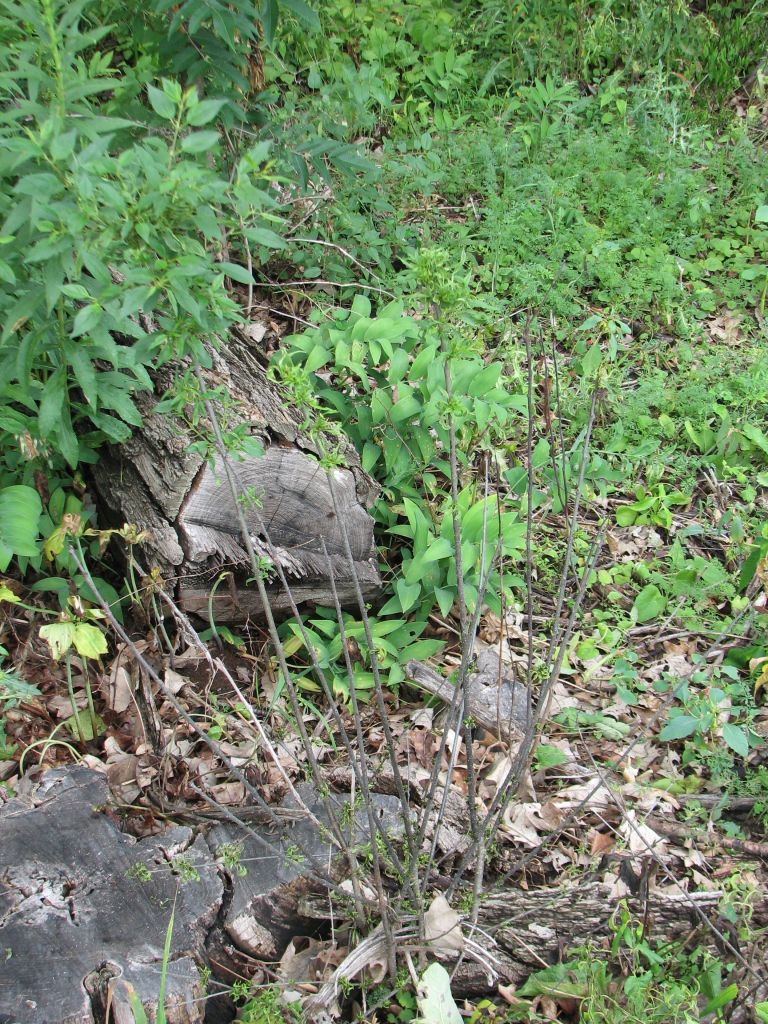
A common buckthorn showing damage from being sprayed in a prior year.
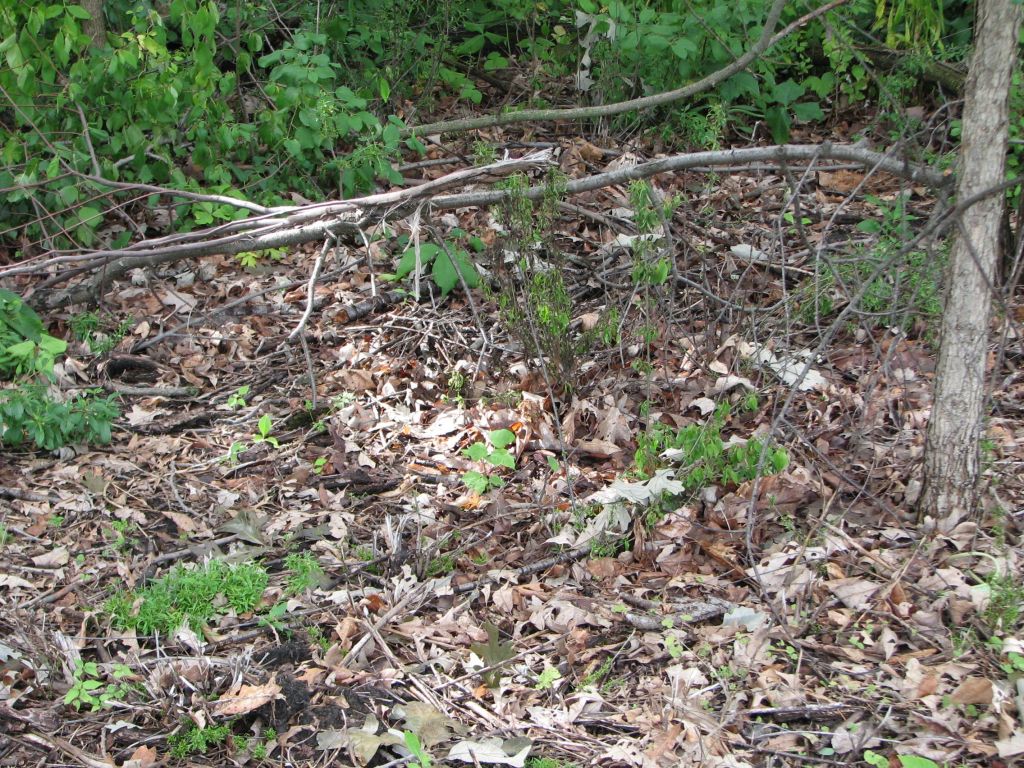
Common buckthorns showing damage from being sprayed in a prior years.

Both common buckthorns sprayed in prior years and recently sprayed common buckthorns
Reed Canary Grass
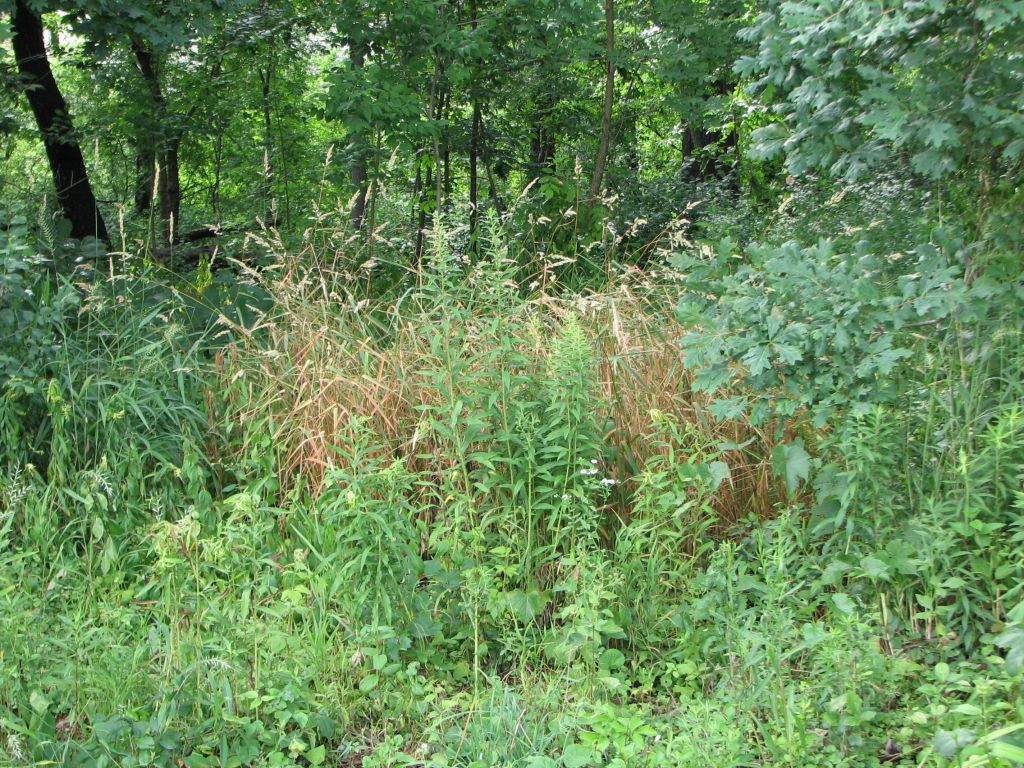

Field Thistles


 Stewardship Chronicles
Leave a comment