Introduction
For eight years, I have known that applying glyphosate to a frill (cuts around a stem) was more effective than applying the same concentration of this herbicide to the surface of a cut stump.
I believed the reason applying glyphosate to a frill was more effective was because not cutting the stem kept sap flowing resulting in the herbicide being drawn into the roots. This is a hypothesis I could test.
Applying the same concentration of glyphosate to frills around stems, with the only variable being if the stems were cut or not, would allow me to learn if not cutting the stem was the cause of the increased effectiveness I observed when herbicide was applied to frills.
Method
On November 5th of last year, I cut the stems on 13 variously sized common buckthorns (Rhamnus cathartica) with a combined total of 26 stems. I frilled each of these stems then applied 26 percent active ingredient glyphosate to each frill. For the second part of the experiment, for a control group, I frilled 16 variously sized common buckthorns with a combined total of 29 stems, without cutting the stems. I applied 26 percent active ingredient glyphosate to the frills around these uncut stems. This control group is my standard method and one I know is near 100 percent effective.
Many stems forked above where the frill was made but were only counted as one stem.
Results
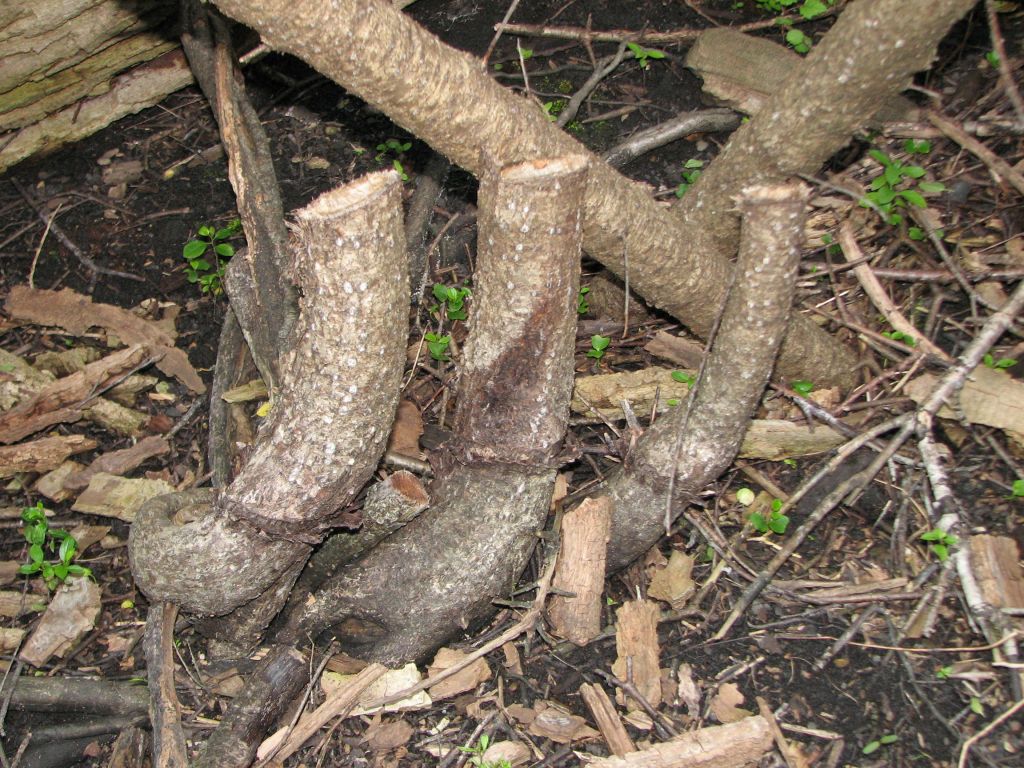
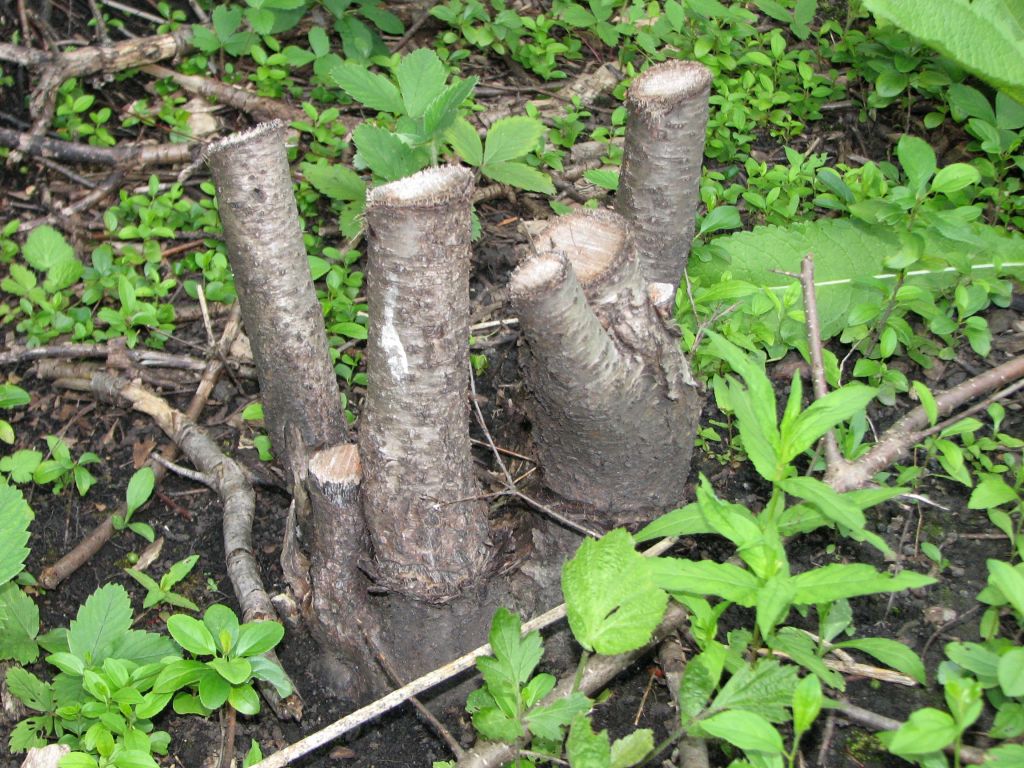
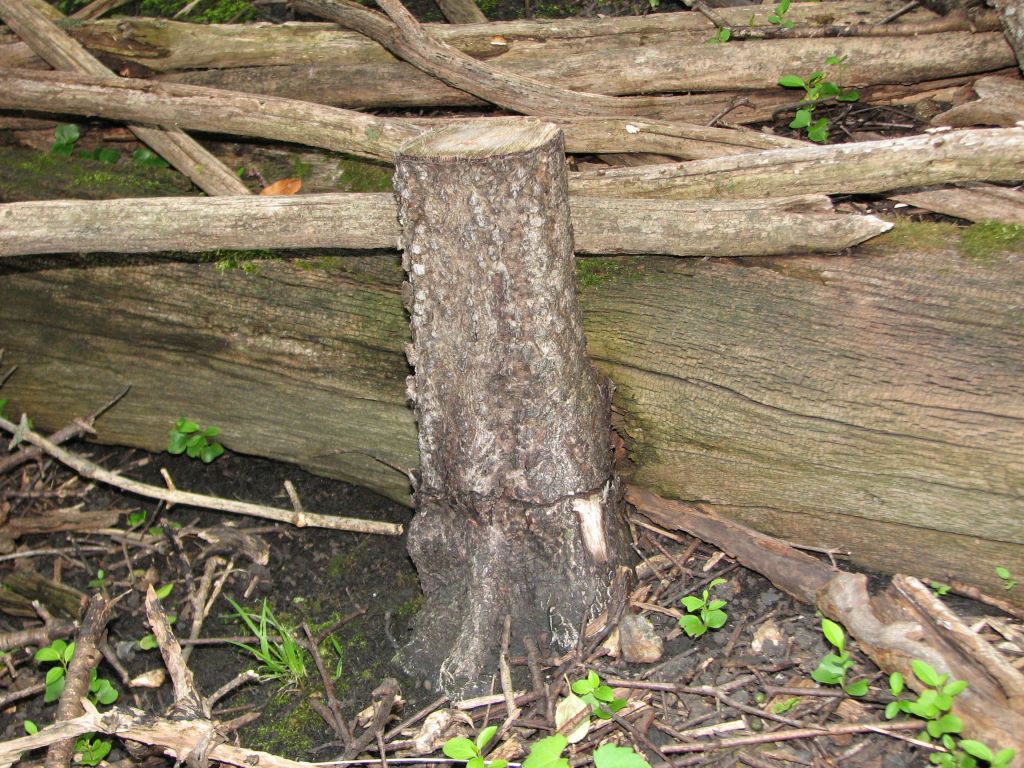
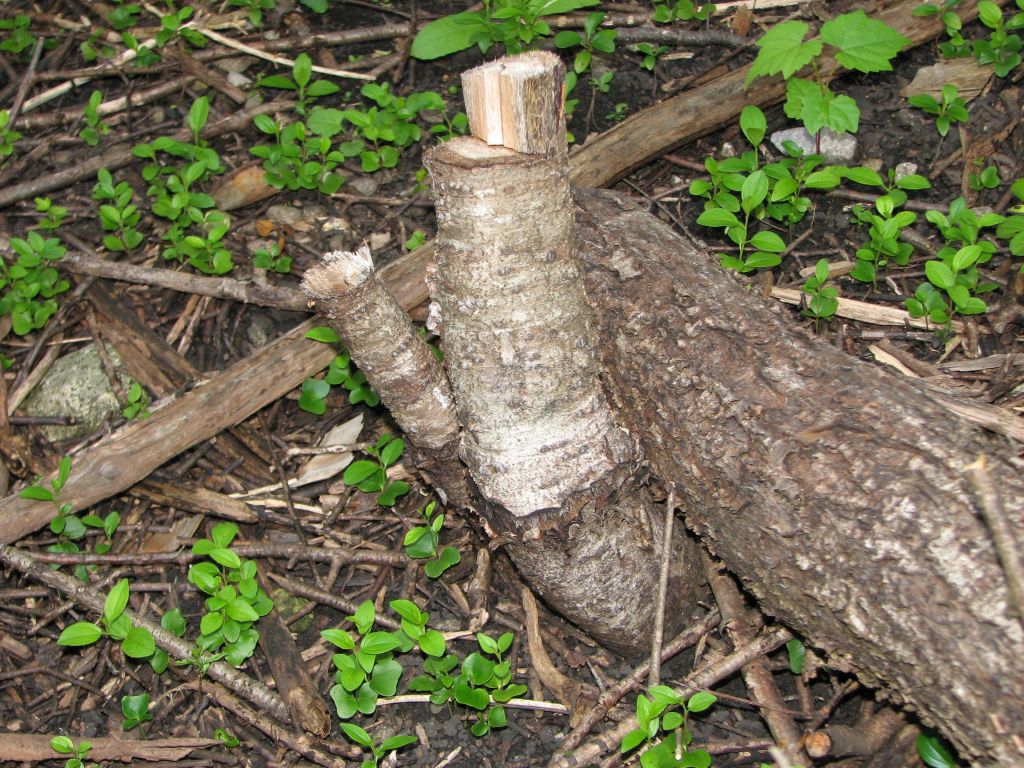
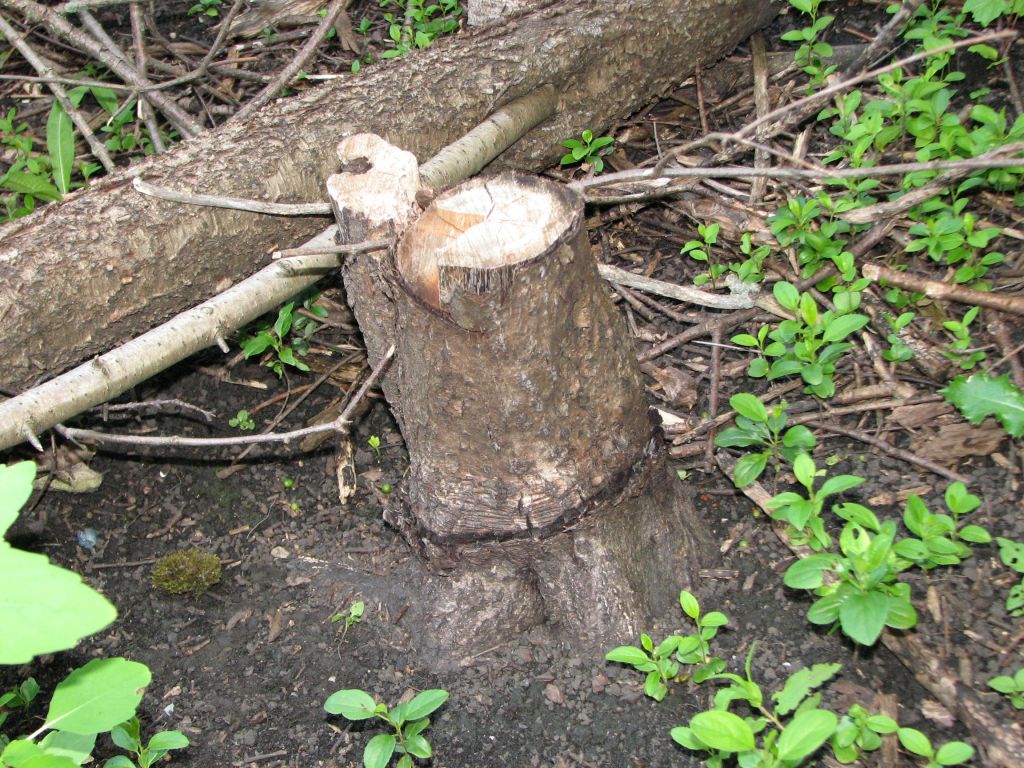
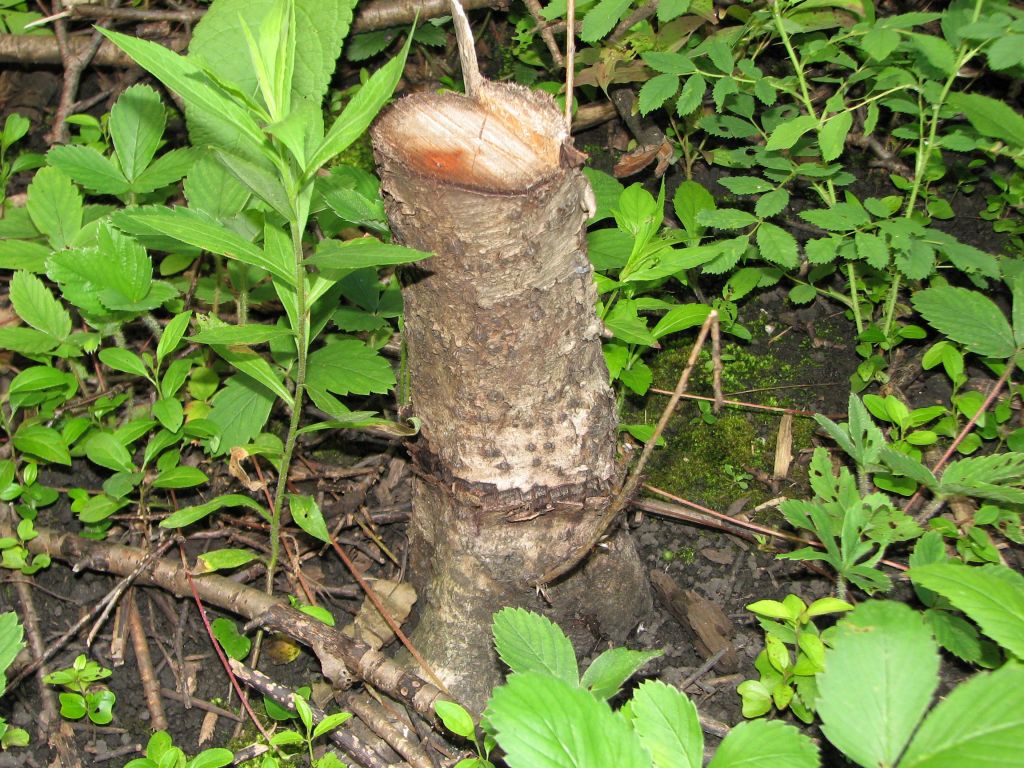
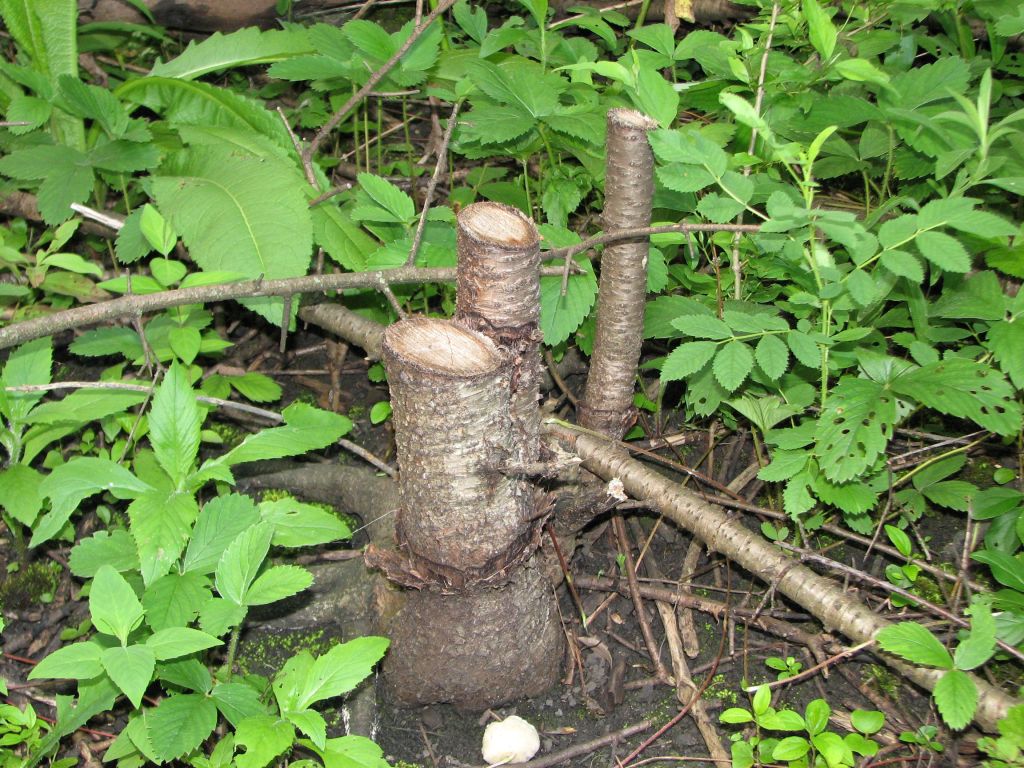
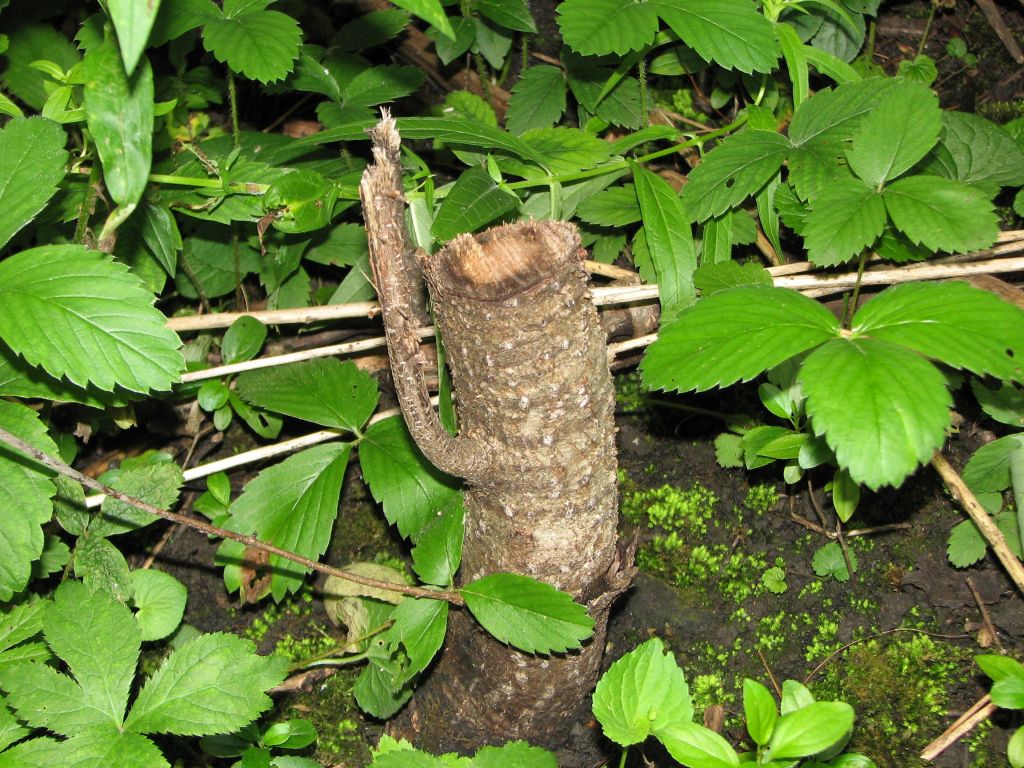
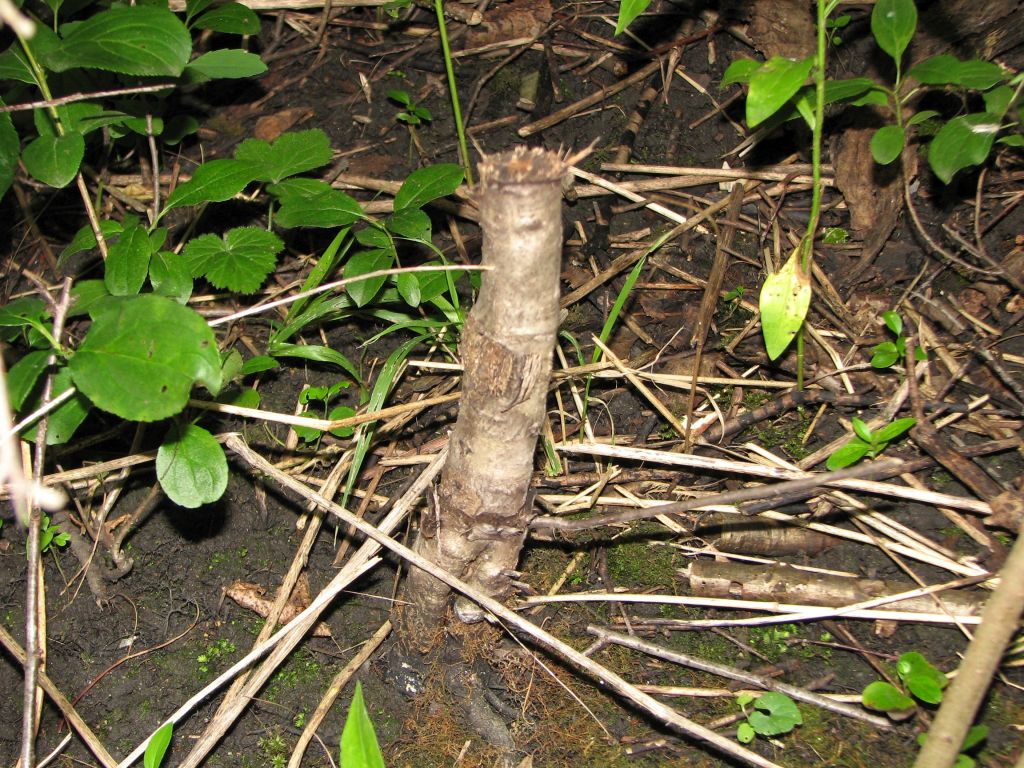
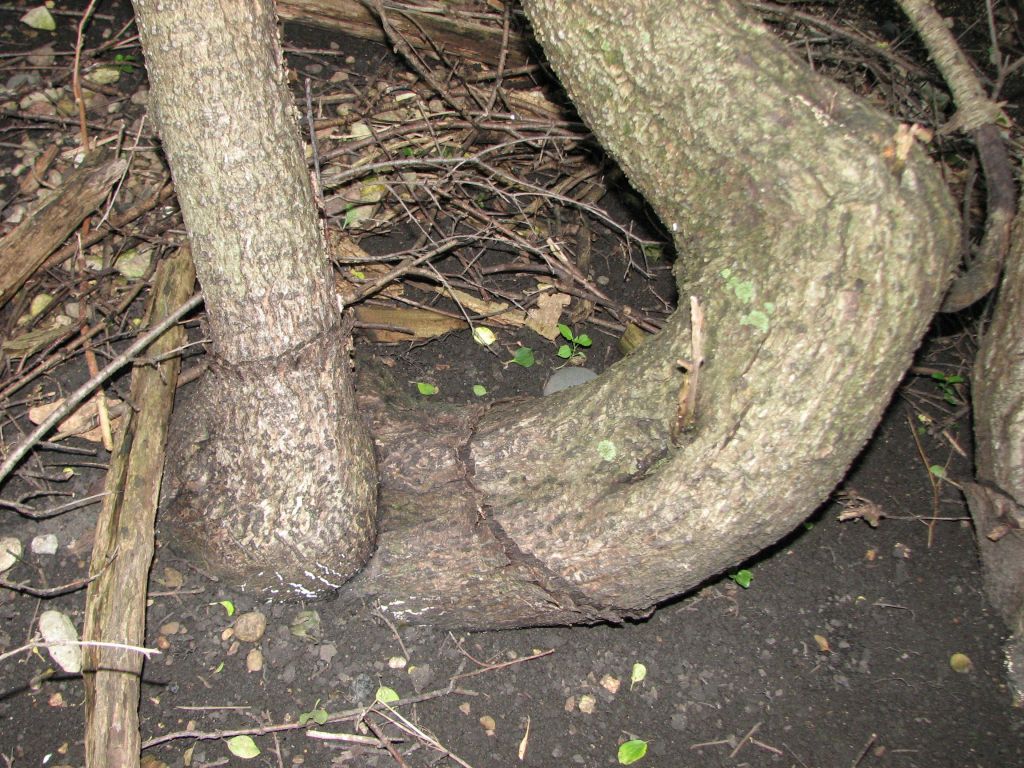
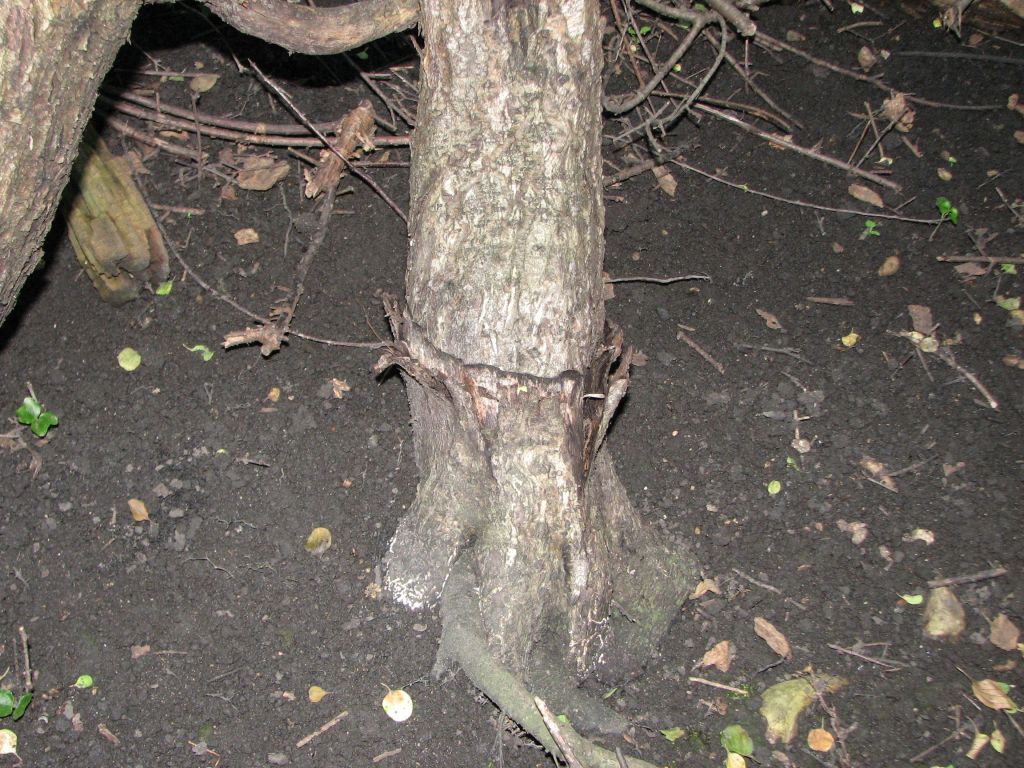
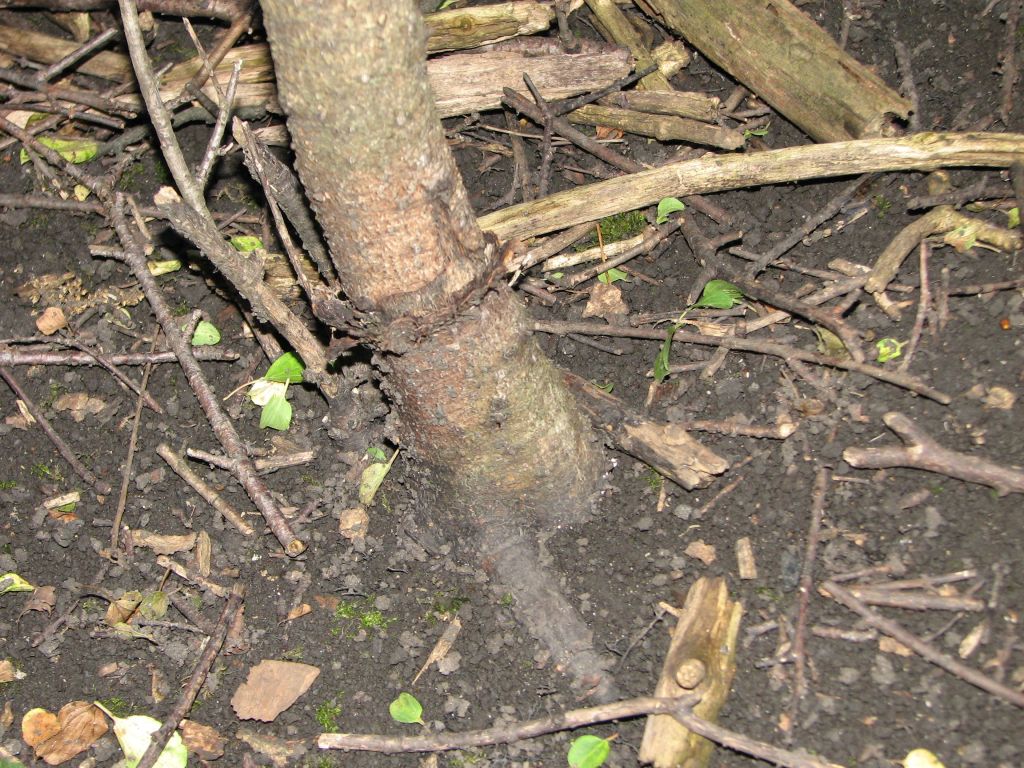
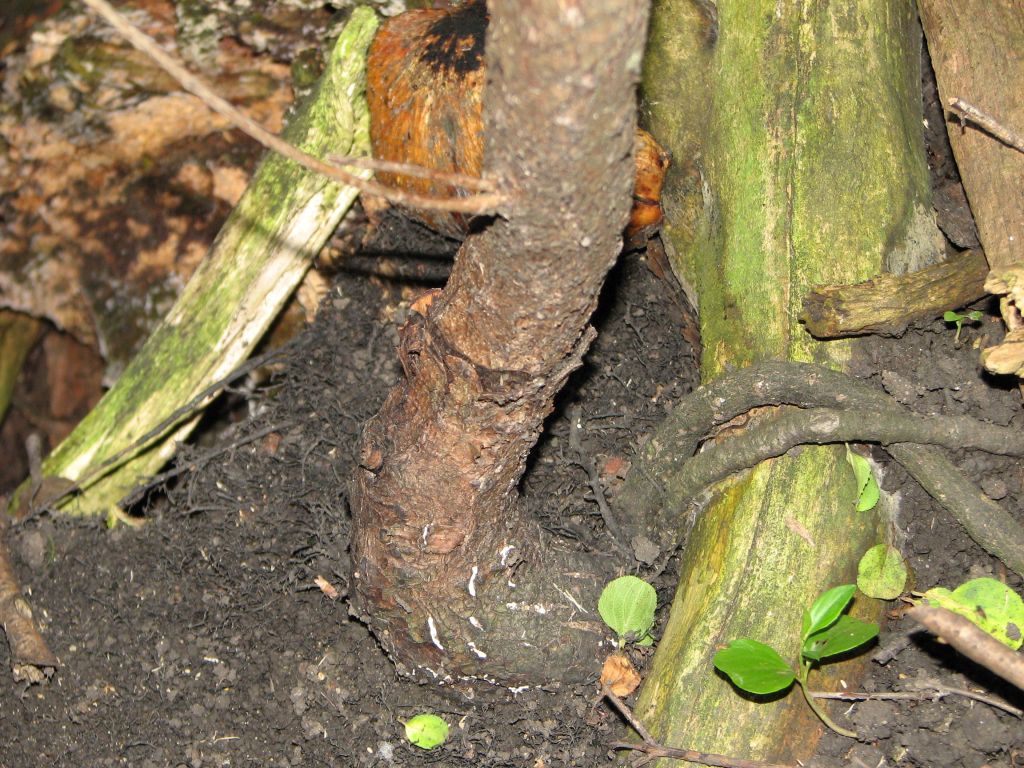
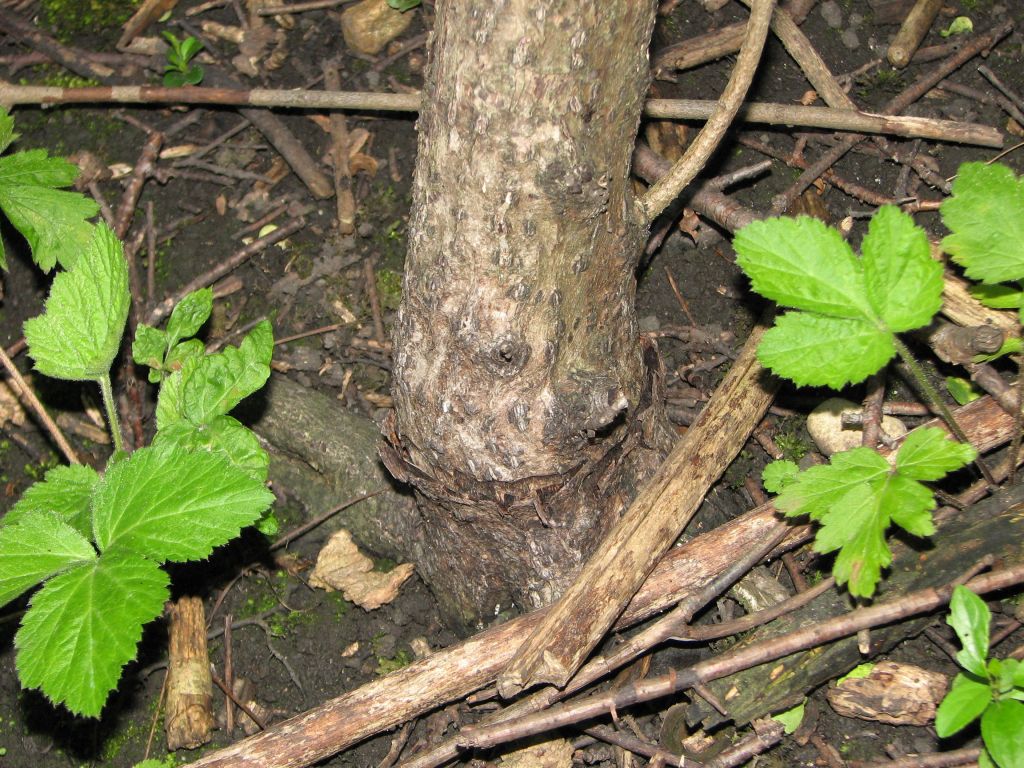
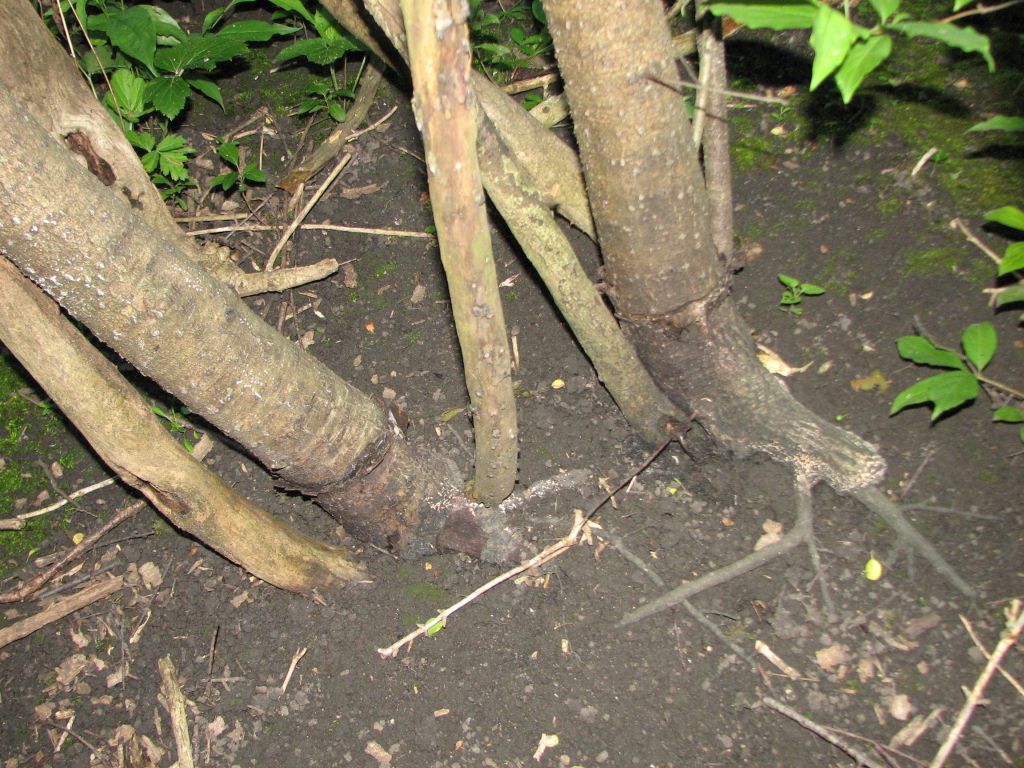
I was able to locate and capture images of 11 of the 13 common buckthorns that had each stem cut, frilled, and 26 active ingredient glyphosate applied to the frill. Of these eleven common buckthorns none had any sprouting.
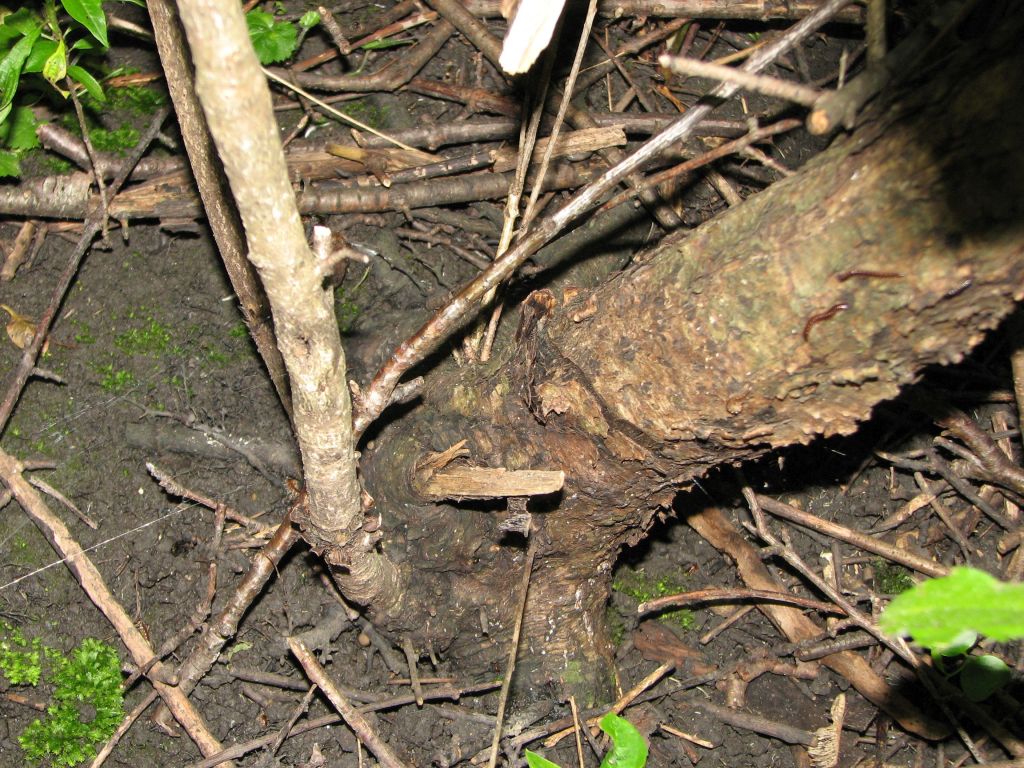
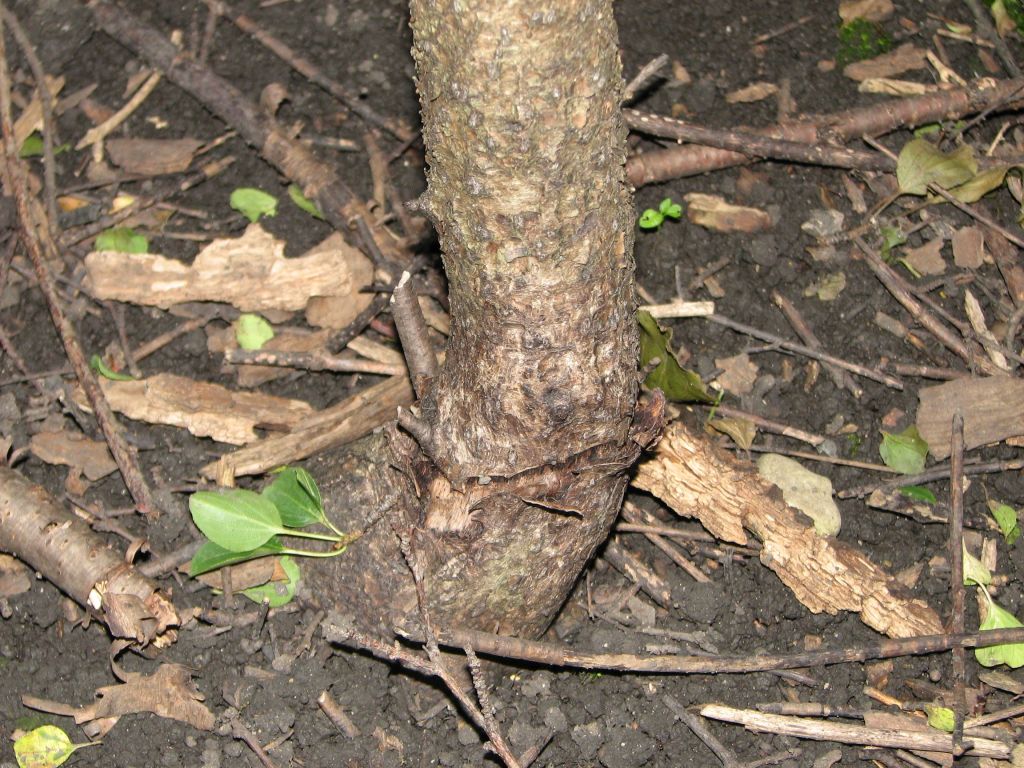
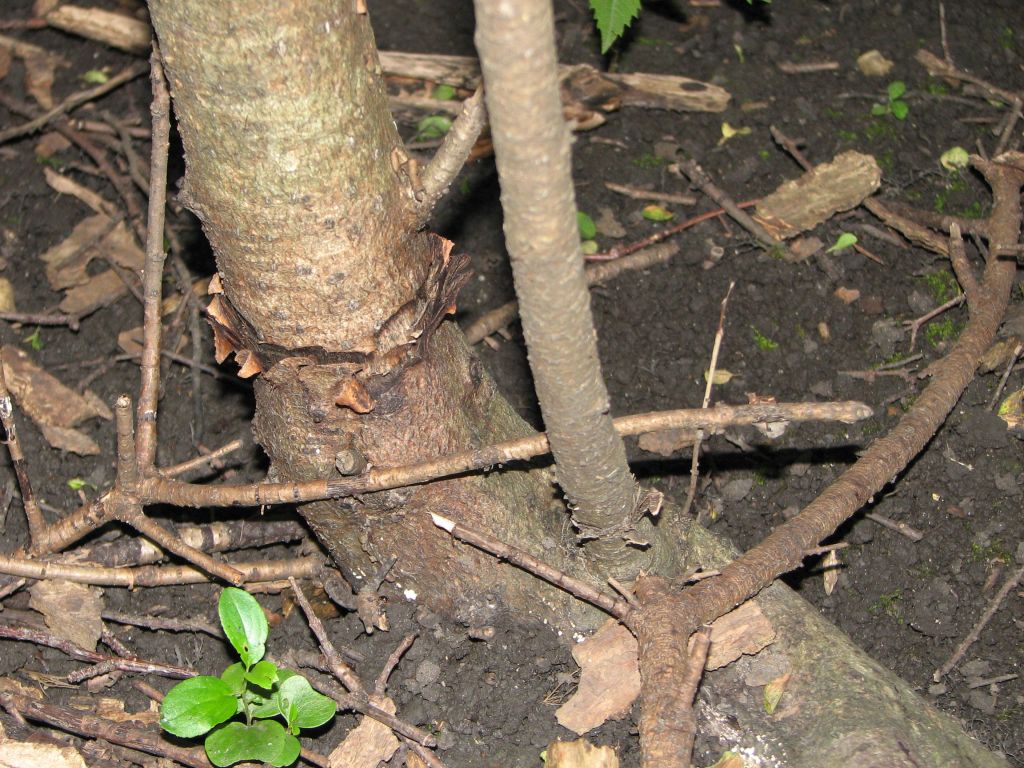
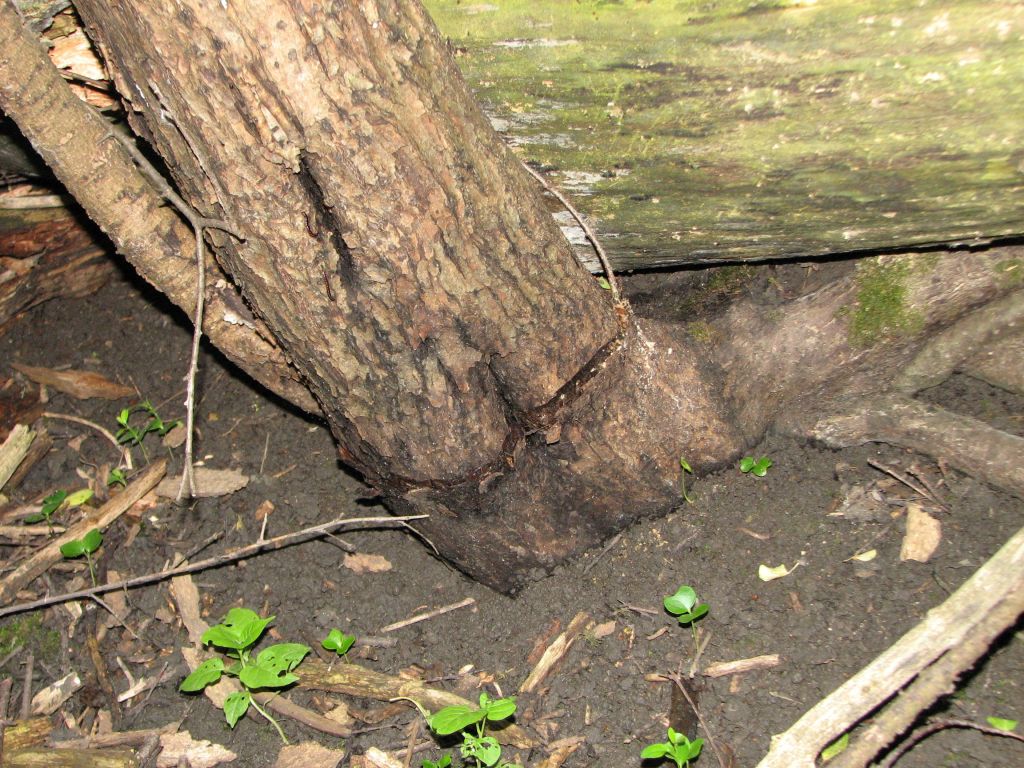
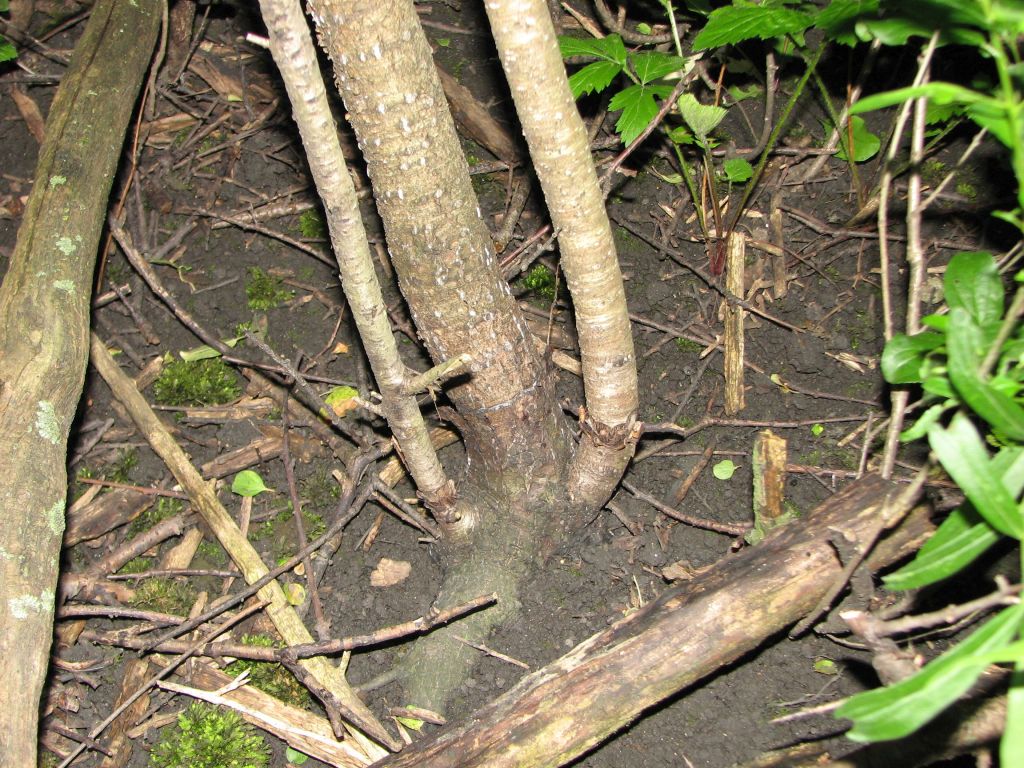
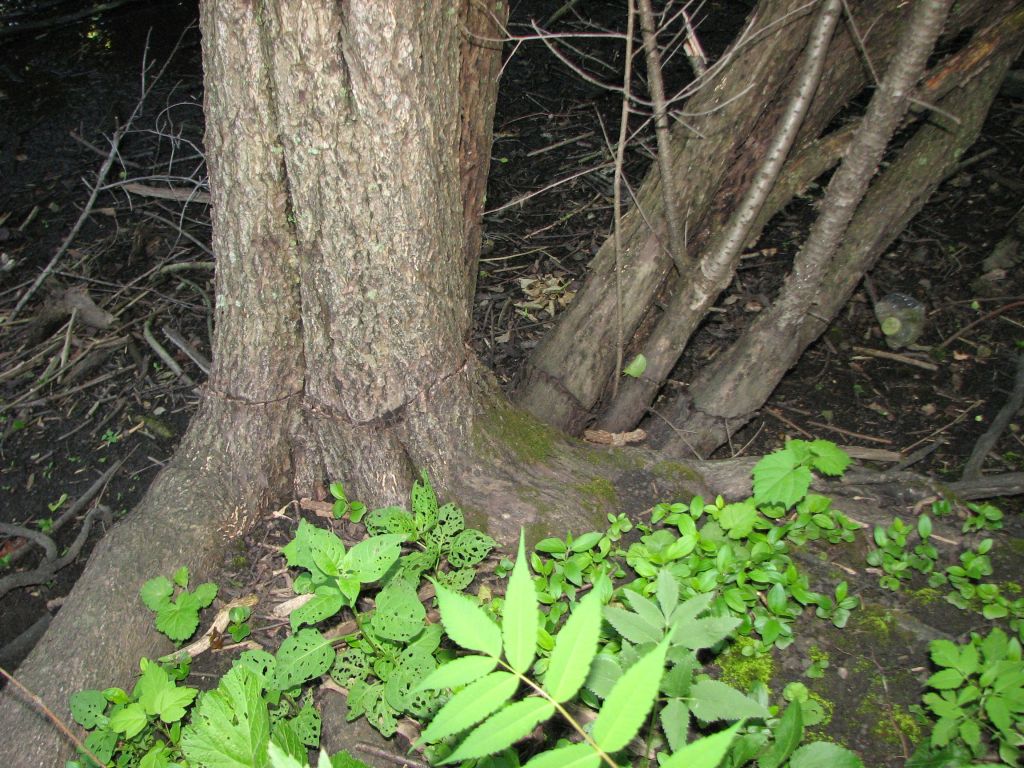
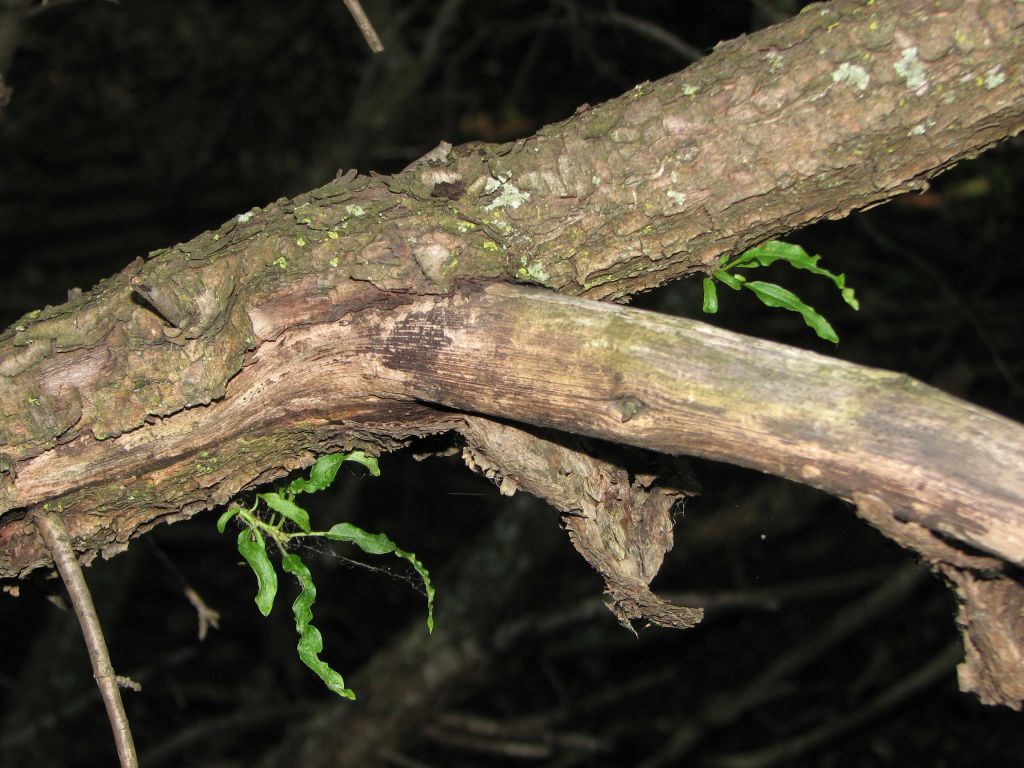
I was able to locate and capture images of 14 of the 16 common buckthorns that had each stem frilled, but not cut, and 26 active ingredient glyphosate applied to each frill. Of all these common buckthorns, only the largest one had some epicormic sprouting on one branch. See the last image to view the epicormic sprouts.
Epicormic sprouts on one branch indicates the concentration of herbicide I applied was just about enough to provide complete control, but not over this amount.
In some of the below images there are two separate treated common buckthorns in the same image. This is the reason there were more common buckthorns treated than the number of images for each treatment shown.
The common buckthorns that were treated that I was unable to locate were probably the smaller diameter buckthorns that were included so the full range in sizes was represented.
Discussion
If my hypothesis “Is Applying Herbicide to Frills More Effective Than Cut Stump Treatment Because The Stem Is Not Cut?” was true then the common buckthorns that had all stems cut, all stems frilled, then had 26 percent active ingredient glyphosate applied would have at least some stumps with sprouting. Some sprouting occurs when 50 percent active ingredient glyphosate is applied to the cut surface of common buckthorn stumps. In this experiment, I applied a concentrating that was almost half this amount but instead applied the herbicide to frills.
Since none of the common buckthorns that had 26 percent glyphosate applied to frills after being cut had sprouts, the greater effectiveness of applying herbicide to frills, compared to cut stumps, cannot be because the stems are not cut. The reason for the increased effectiveness of applying glyphosate to frills must be because more herbicide is held by a frill than on the surface of a cut stump.
This result is applicable to those who apply herbicide to cut stumps. If cut stump treatment is leading to sprouting then the cause must be that not enough herbicide was applied to the surface of the cut. Other issues can cause sprouting after a cut stump application. These include the cut not being flat, which causes the herbicide to drip off. Also, stems smaller than about one inch in diameter do not have enough surface area to hold enough herbicide to achieve a high percentage of control.
Summary
The increased effectiveness of applying glyphosate to frills, compared to cut stump application, is because the frills hold more herbicide.
Stems That Were Cut, Had Frills Created, and Had Herbicide Applied to The Frill.

Stems That Were Not Cut, Had Frills Created, and Herbicide Applied to the Frills. (Control Group)
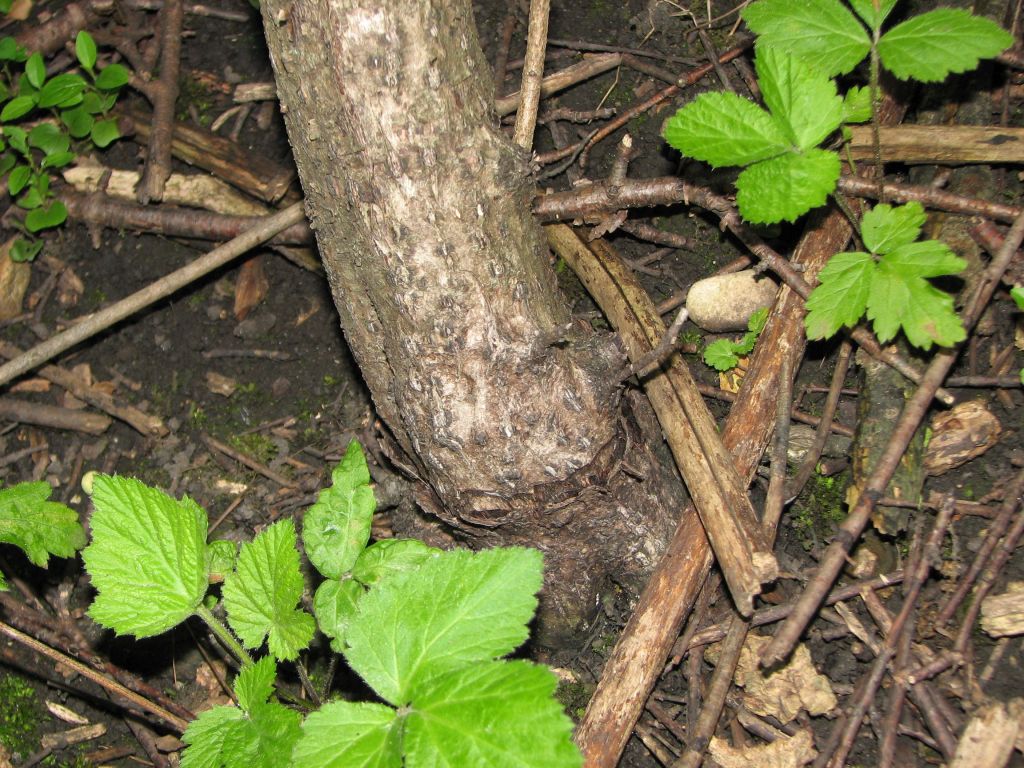
Epicormic Sprouting
 Stewardship Chronicles
Leave a comment