Summary
Introduction
Method
Images
Discussion
Conclusion
Introduction
This post is an evaluation of a control effort presented in a post titled, “Crown Vetch Control.” I evaluate both the effectiveness of the herbicide applications and off-target damage.
Method
Last year, I applied six percent, seven percent, and eight percent active ingredient glyphosate foam to crown vetch in separate plots. I used gloved hands to cover four inches of stem length at the base of plants with these concentrations of glyphosate foam. The applications were done on different dates ranging from July 16th to Sept. 10th. I started with the 8 percent plot and worked my way down to the 6 percent plot. After treating a plot, if on my next visit I saw I had missed stems, then I treated them.
Images

The above image shows a plot before treatment last year. All the pink flowers are crown vetch.
The center of the below images shows plots after the crown vetch was treated.
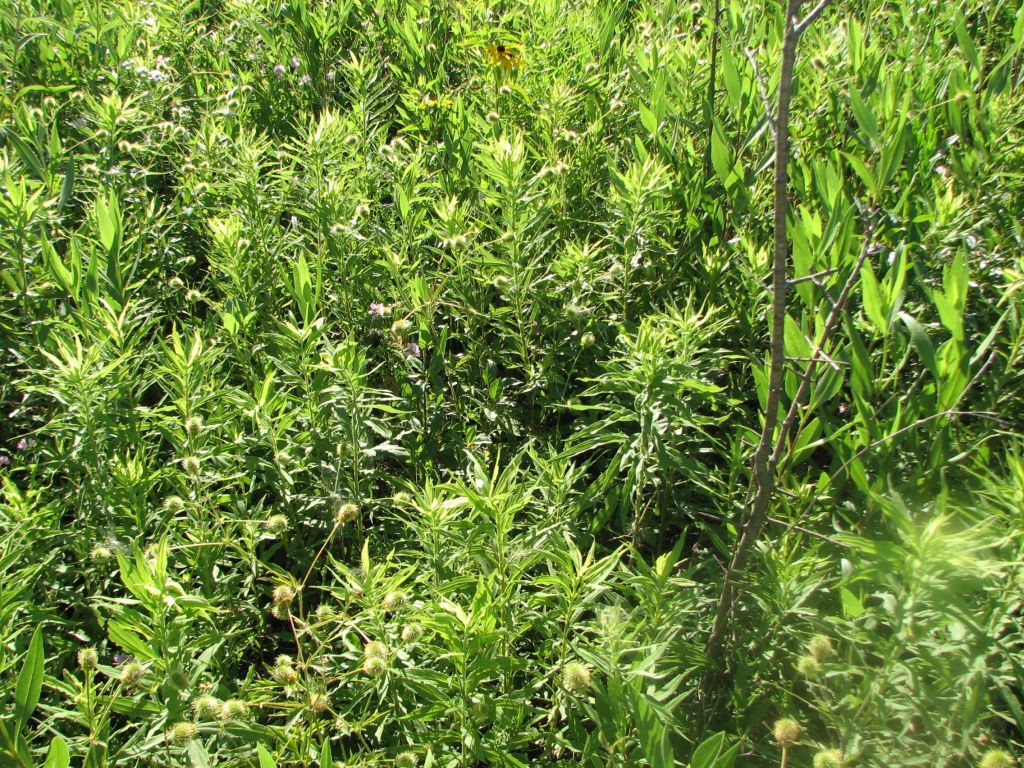
Eight percent active ingredient glyphosate foam was applied. One crown vetch flower is visible.
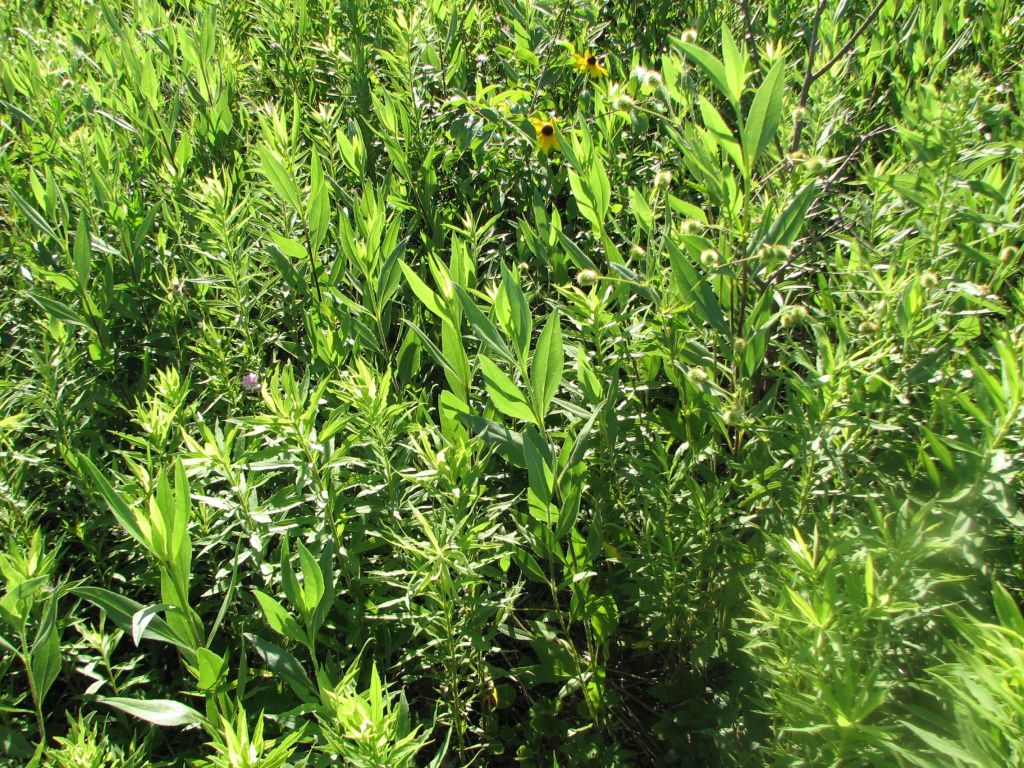
Seven percent active ingredient glyphosate foam was applied. One crown vetch flower is visible.
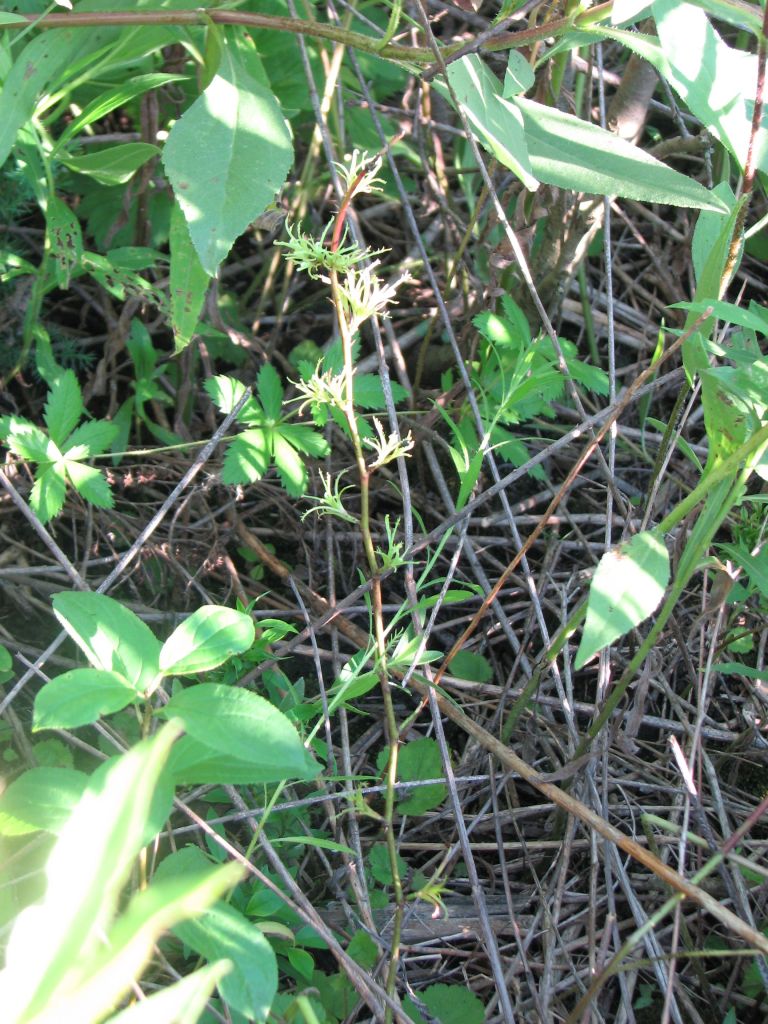
Most heavily damaged pasture rose (Rosa carolina) in the seven percent active ingredient glyphosate foam plot.
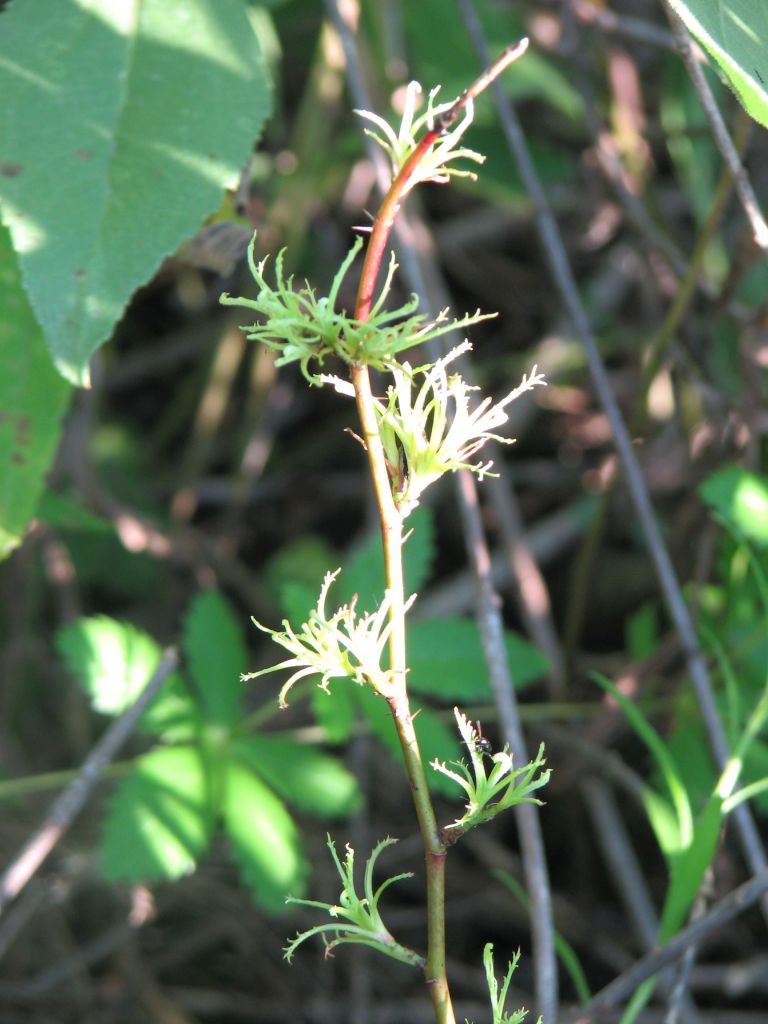
Closer view of previously shown damaged rose.
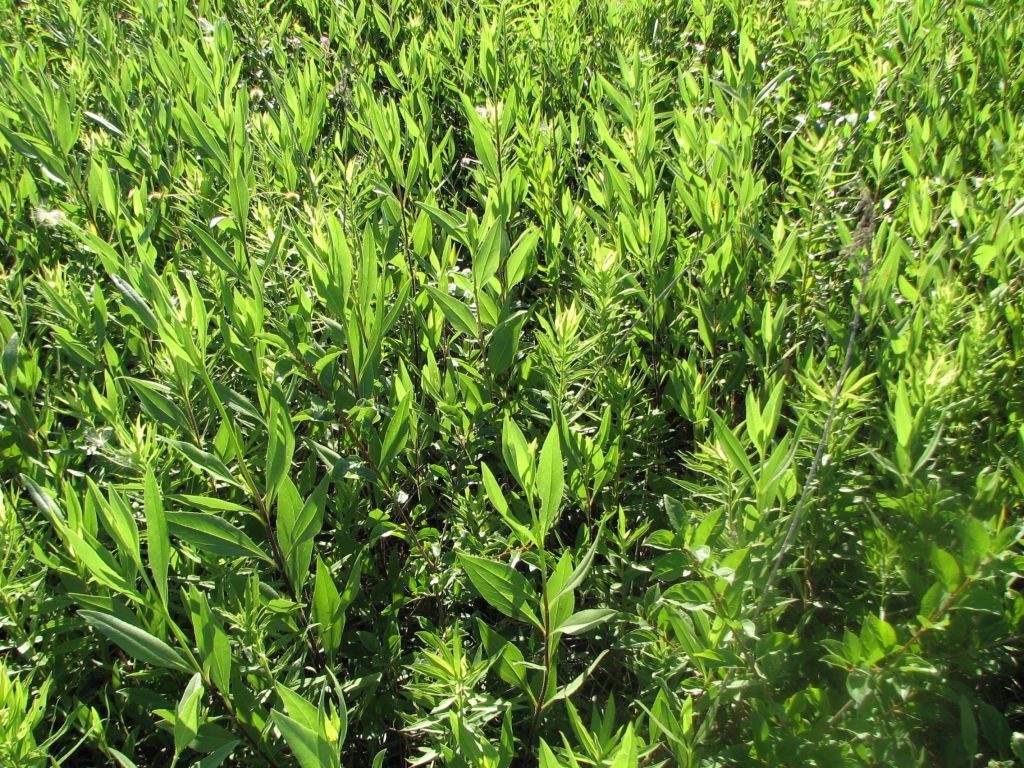
Six percent active ingredient foam applied.
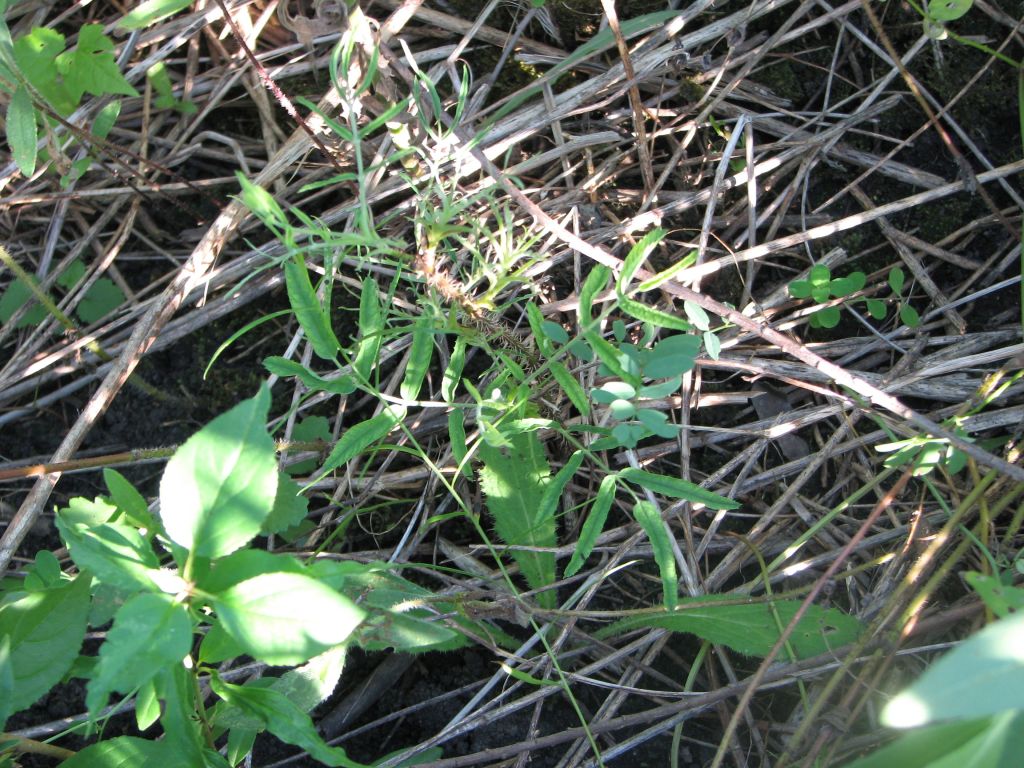
Most heavily damaged pasture rose in six percent active ingredient glyphosate foam plot.
Results
Eight Percent Active Ingredient Glyphosate Foam – Applied on 7/16/23 and 7/30/23. On 6/30/23, I found 23 small crown vetch sprouts and eight crown vetch seedlings in this plot.
Seven Percent Active Ingredient Glyphosate Foam – Applied on 7/30/23, 8/13/23, and 8/27/23. On 6/30/23, I found nine small crown vetch sprouts and ten crown vetch seedlings in this plot.
Six Percent Active Ingredient Glyphosate Foam – Applied on 8/27/23 and 9/10/23. On 6/30/23, I found nine small crown vetch sprouts and four crown vetch seedlings in this plot.
For the above results, I considered a seedling to be a stem that was less than five inches tall (often much less) and a sprout to be a stem greater than five inches tall (often much more).
Discussion
I had previously found using a gloved hand to cover the entire crown vetch plant with four percent glyphosate foam to be the minimum concentration that was effective. However, covering only four inches of stem length at the base of each plant with four percent glyphosate foam did not kill crown vetch. The crown vetch grew the next year.
Therefore, I trialed higher concentrations applied to four inches of stem length at the base of crown vetch plants to see if I could better prevent off-target damage and increase the rate at which I could selectively control crown vetch.
The concentrations of active ingredient in glyphosate foam I trialed were all extremely effective in controlling crown vetch. I found more small sprouts in the plot that had eight percent applied than the other plots. I attribute this to the herbicide being applied in July when the crown vetch was still flowering. Other researchers have found a different herbicide was more effective when applied in Spring or Fall versus when crown vetch is flowering in summer.
As the concentration of active ingredient in the glyphosate foam increased, the amount of off-target damage to pasture rose increased. When I applied the glyphosate foam, I made my best effort to not get it directly on other plants. If glyphosate foam did get on a non-target plant, then I removed the part of the plant that had glyphosate foam on it.
The plot where six percent active ingredient glyphosate foam was applied to four inches of stem length at the base of crown vetch plants had many pasture roses that showed little if any damage. Only the most damaged pasture rose in the plots are shown. In contrast, the plot where seven percent active ingredient glyphosate foam was applied, the pasture roses I saw all showed damage. In the plot where eight percent active ingredient glyphosate foam was applied, I found no pasture roses. I did not find dead pasture roses in this plot, so it is likely this plot simply did not have them.
Correction: On 7/21/2024, I carefully looked through the plot where eight percent active ingredient glyphosate foam was applied. I found one pasture rose that was dead and three or four that showed minor damage. The roses that showed minor damage were near edges of the plot. These rose likely had less damage because being near the edge of the plot exposed them to less herbicide.
The observations of damage to pasture roses increasing with an increased concentration of glyphosate foam is an example of why it is so important to find the minimum concentration that is effective for a given application technique. I do not think I have found this minimum for applying glyphosate foam to 4 inches of stem length at the base of plants. The six percent active ingredient plot had very effective control. Therefore, the minimum is somewhere between four and six percent and I need to do more trials to narrow down this range. Also, the amount applied can vary considerably. This can range from just enough foam to cover the stem to wiping enough foam on the stem that a thick layer of foam coats or hangs from the stem.
This is a technique that will only be worth doing in the highest-quality areas. It is very labor intensive and cannot be done during warm weather because of the personal protective equipment that must be worn. Since I have found that applying the glyphosate foam directly from the dispenser onto the crown vetch is effective, this more laborious hand application technique will not be used often.

 Stewardship Chronicles
Leave a comment