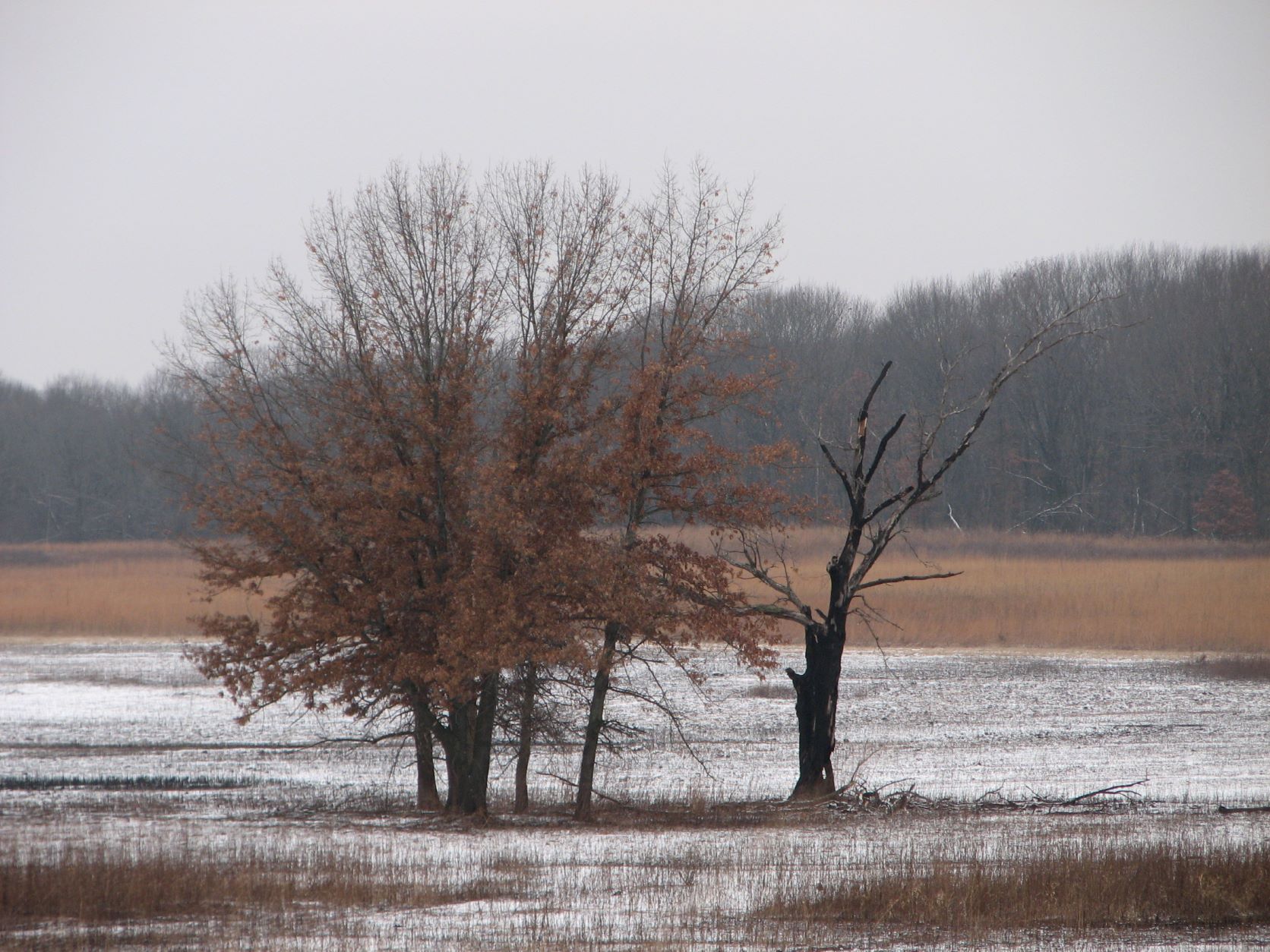
Descriptions of this preserve can be viewed at the following sites.
https://dnr.illinois.gov/inpc/area.area2lakeskokieriver.html
Summary
Map
Images From Site
1. View from parking lot toward bike trail
2. Preserve Entrance
3. Monument Rock
4. Aspen encroaching on prairie that had been controlled by girdling.
5. McLaughlin Meadow
6. Nannyberry (Viburnum lentago) and Ninebark (Physocarpus opulifolius) along southern border of Shaw Prairie
7. The red stems are willows (Salix) in Shaw Prairie.
8. Spring
9. Outflow
10. View from eastern side of Shaw Prairie looking west.
11. Aspens on western side of Shaw Prairie.
12. Bench along Paul Ahem Trail.
13. Hazelnut along eastern edge of Bennet Meadow.
14. Bennet Meadow Late in the Day
15. Dixon Wetland
16. Swinging Bridge
Images From Workday Area
17. View looking north of burn pile
18. View looking east of burn pile
19. View looking south of burn pile
20. View looking west of burn pile
21. Area where Oriental Bittersweet (Celastrum orbiculatus) was removed and cut stumps were treated.
22. Closer view of Oriental bittersweet stumps treated with herbicide.
23. View of previous workday area.
24. Closer view of previous workday area.
Discussion
Map

Retrieved January 28th, 2025 from Google Maps. (n.d.) https://www.google.com/maps/place/Barrington+Park+Campgrounds/@42.1455259,-88.1265641,348m/data=!3m1!1e3!4m12!1m6!3m5!1s0x880fa6cdbbac8449:0xcbc5978e564c5443!2sBaker’s+Lake+Nature+Preserve!8m2!3d42.1394023!4d-88.1169354!3m4!1s0x880fa19f5e854c9f:0xef0f9c158f1a286d!8m2!3d42.1466518!4d-88.1264455?hl=en
Images From Site

1. View from parking lot toward bike trail.

2. Preserve entrance
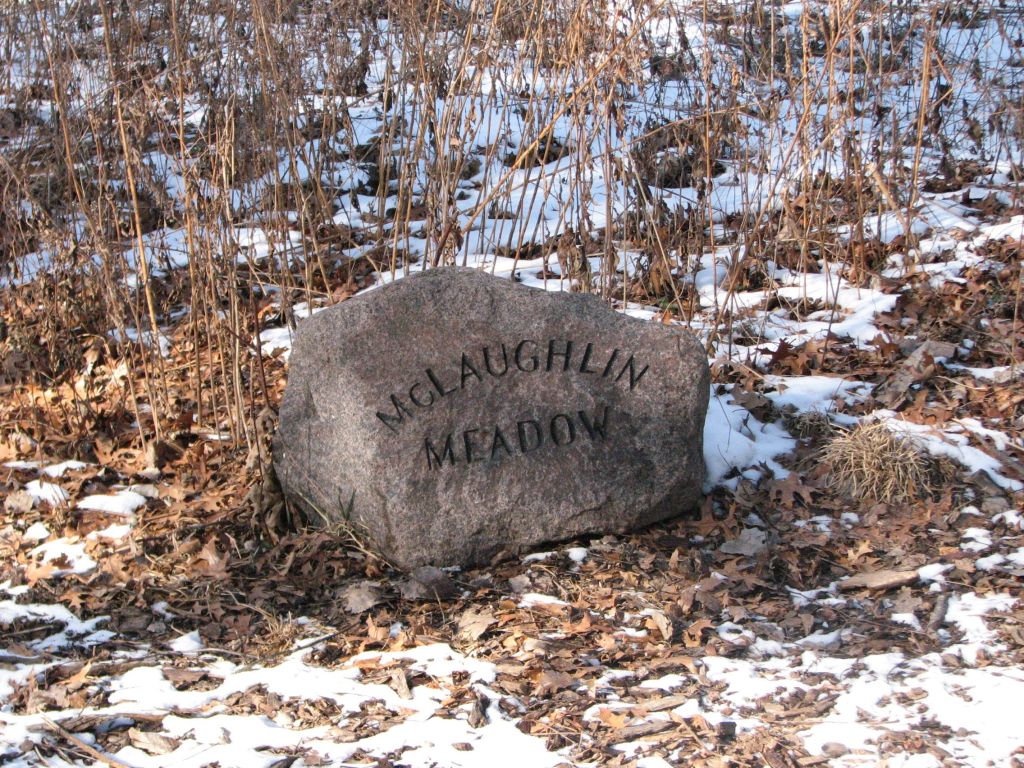
3. Monument Rock
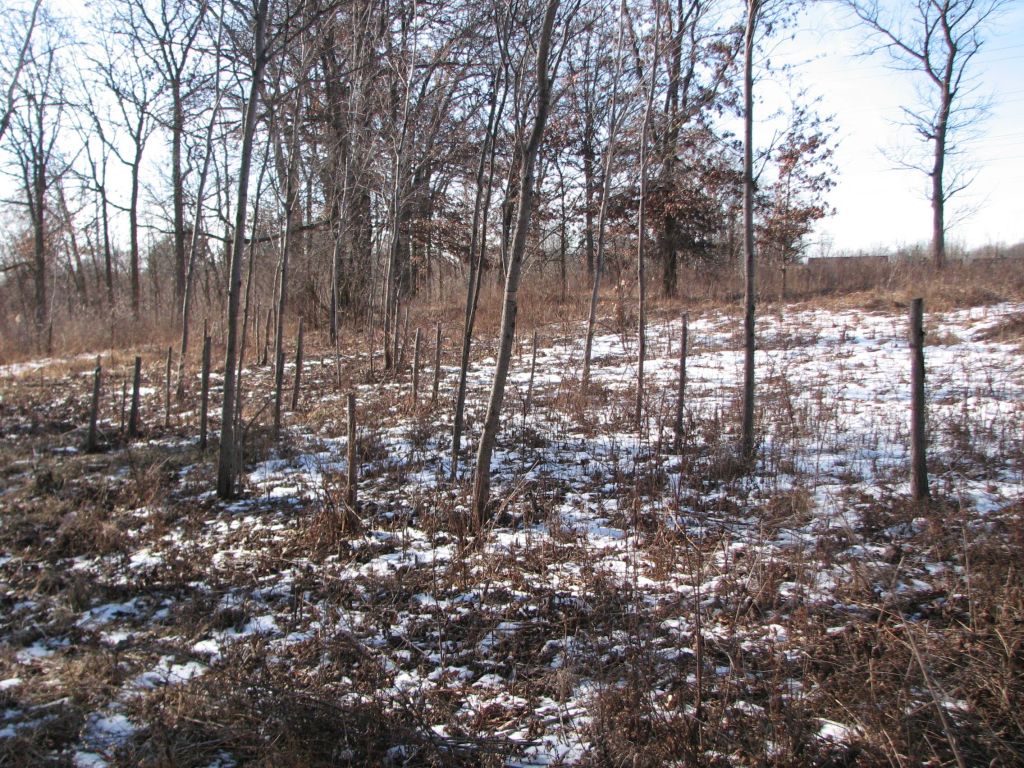
4. Aspen encroaching on prairie that had been controlled by girdling with some being cut.
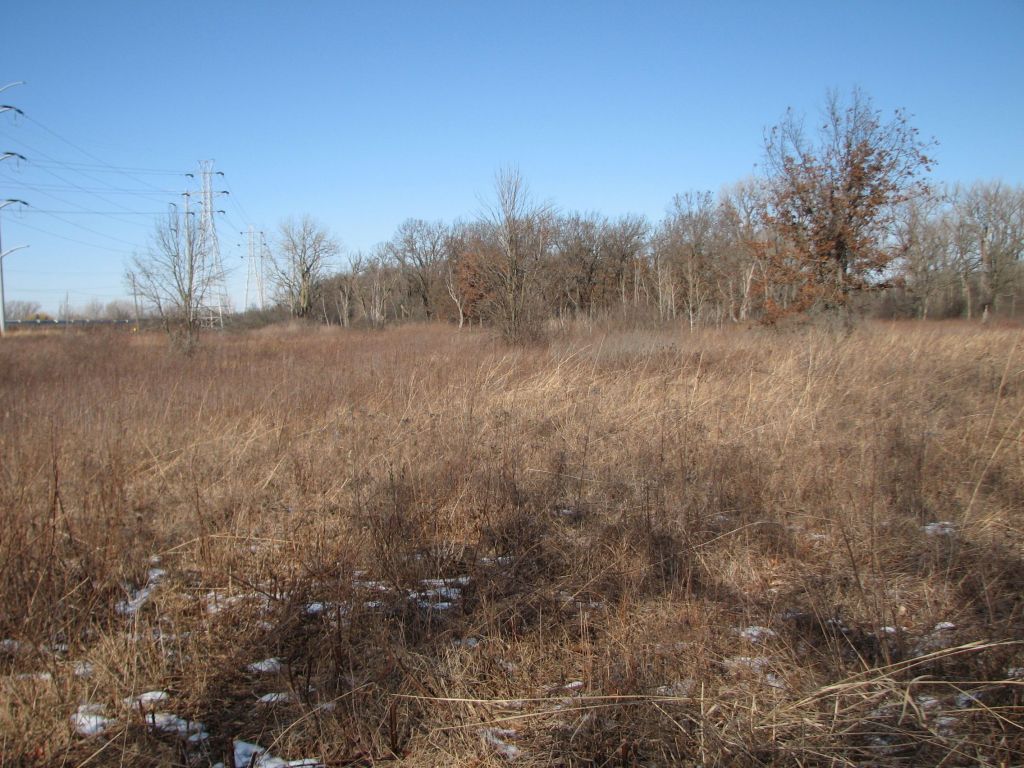
5. McLaughlin Meadow
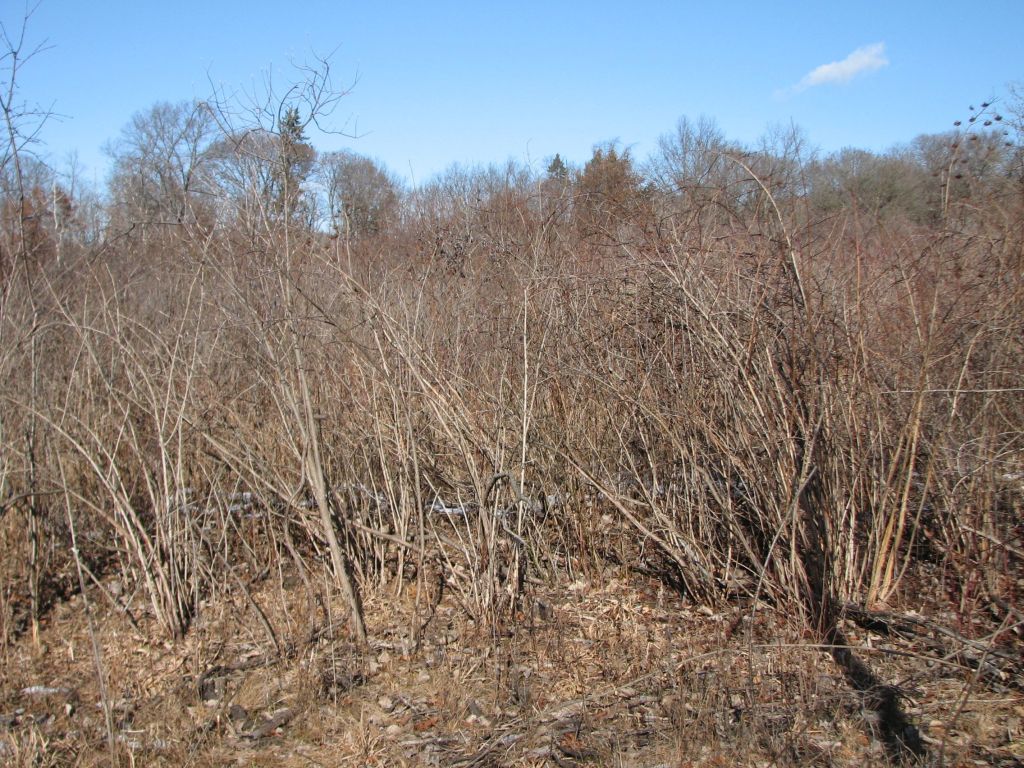
6. Nannyberry (Viburnum lentago) and Ninebark (Physocarpus opulifolius) along southern border of Shaw Prairie

7. The red stems are willows (Salix) in Shaw Prairie.
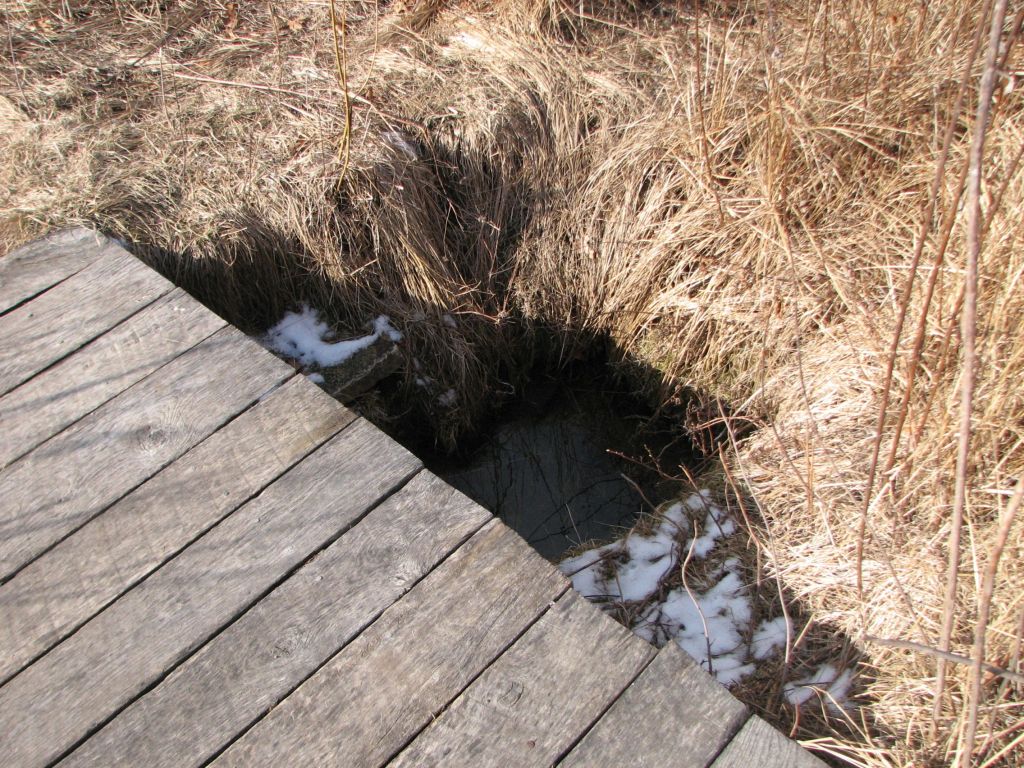
8. Spring
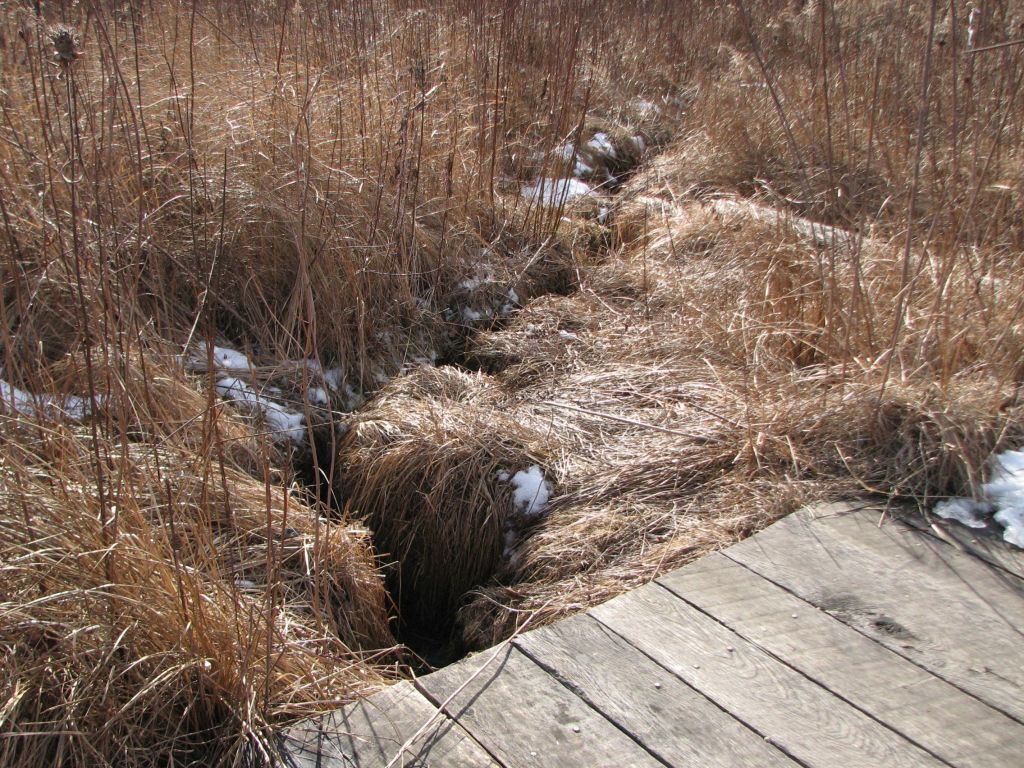
9. Outflow
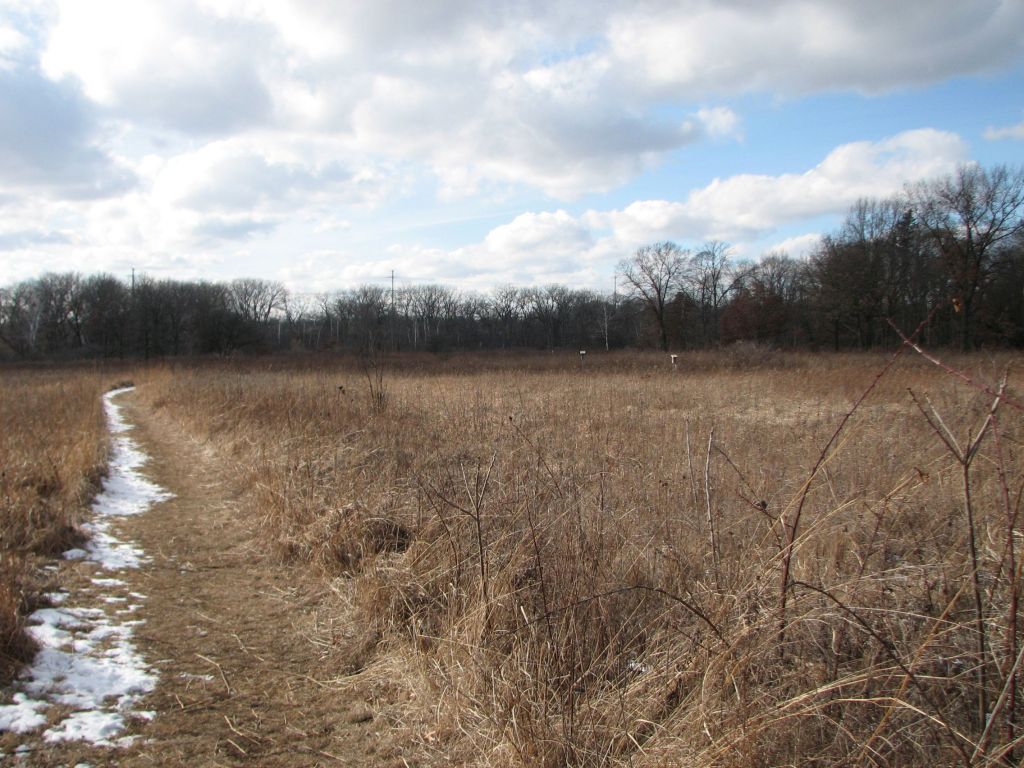
10. View from eastern side of Shaw Prairie looking west.
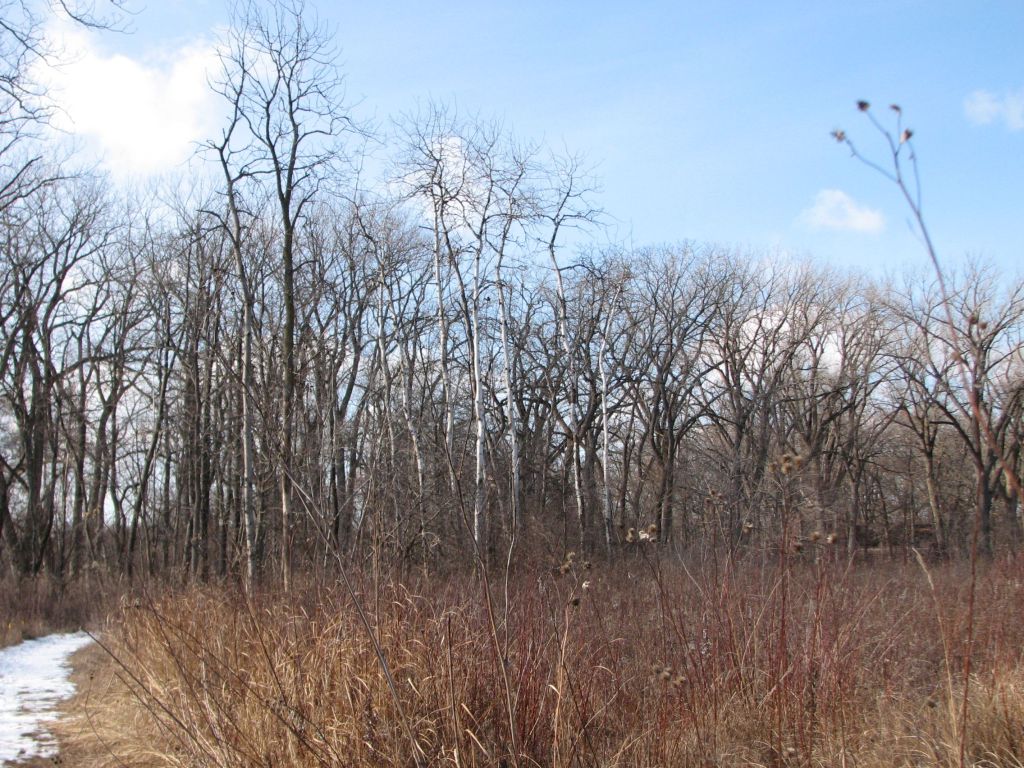
11. Aspens on western side of Shaw Prairie.
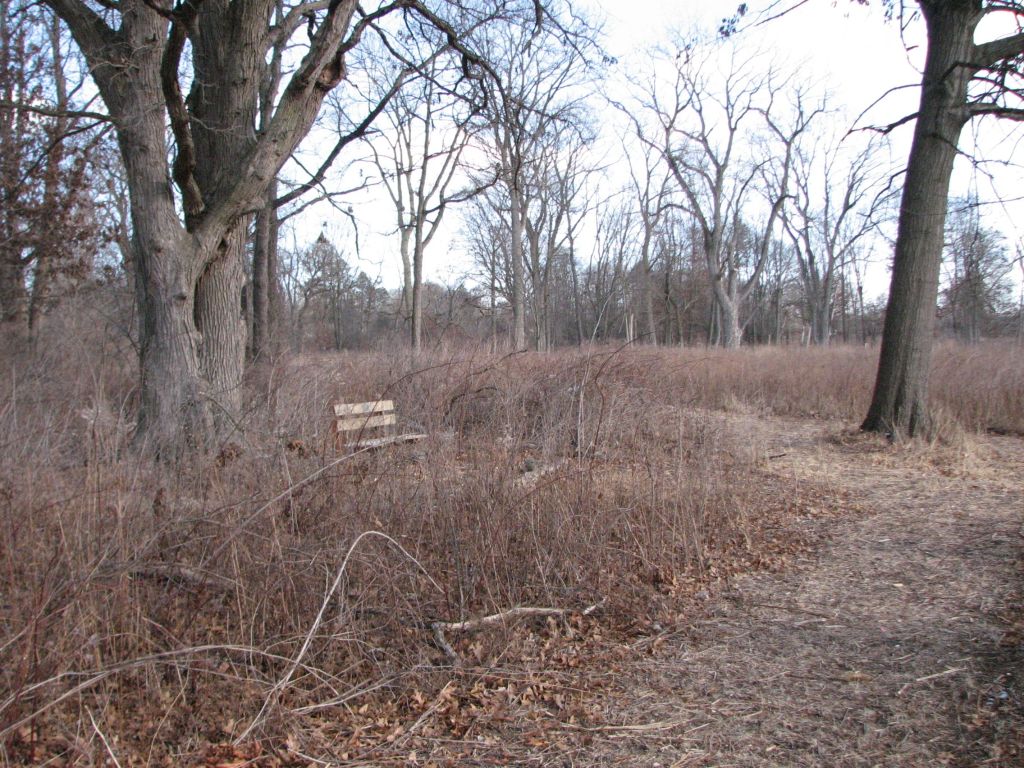
12. Bench along Paul Ahem Trail.
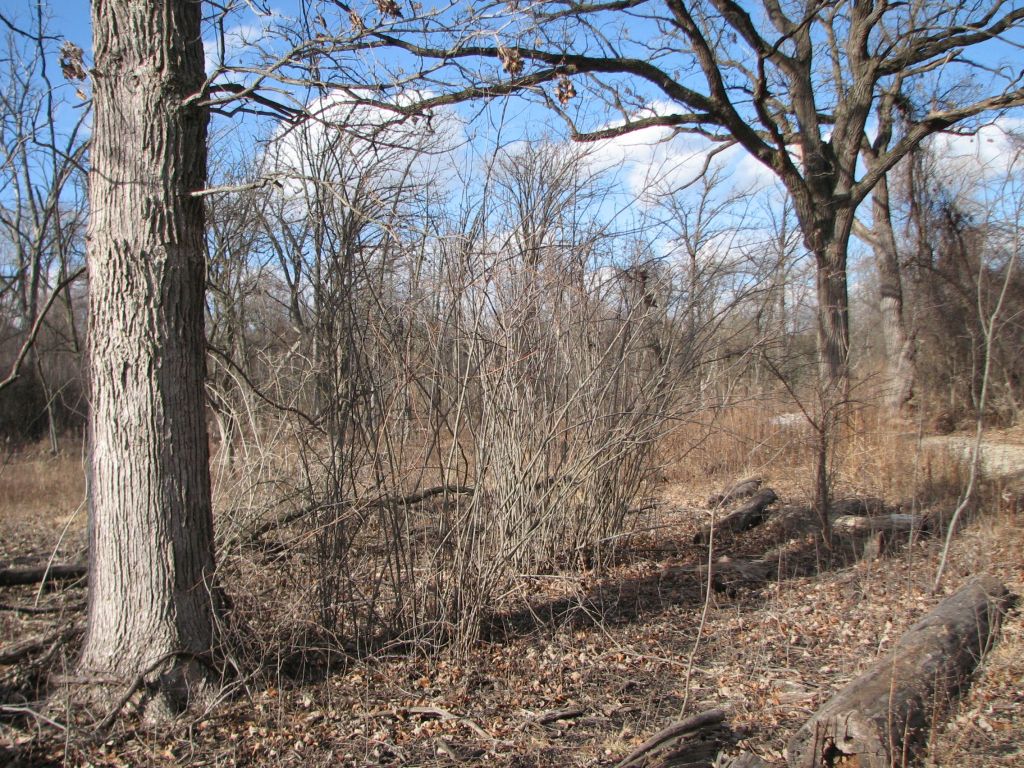
13. Hazelnut along eastern edge of Bennet Meadow.

14. Bennet Meadow Late in the Day

15. Dixon Wetland
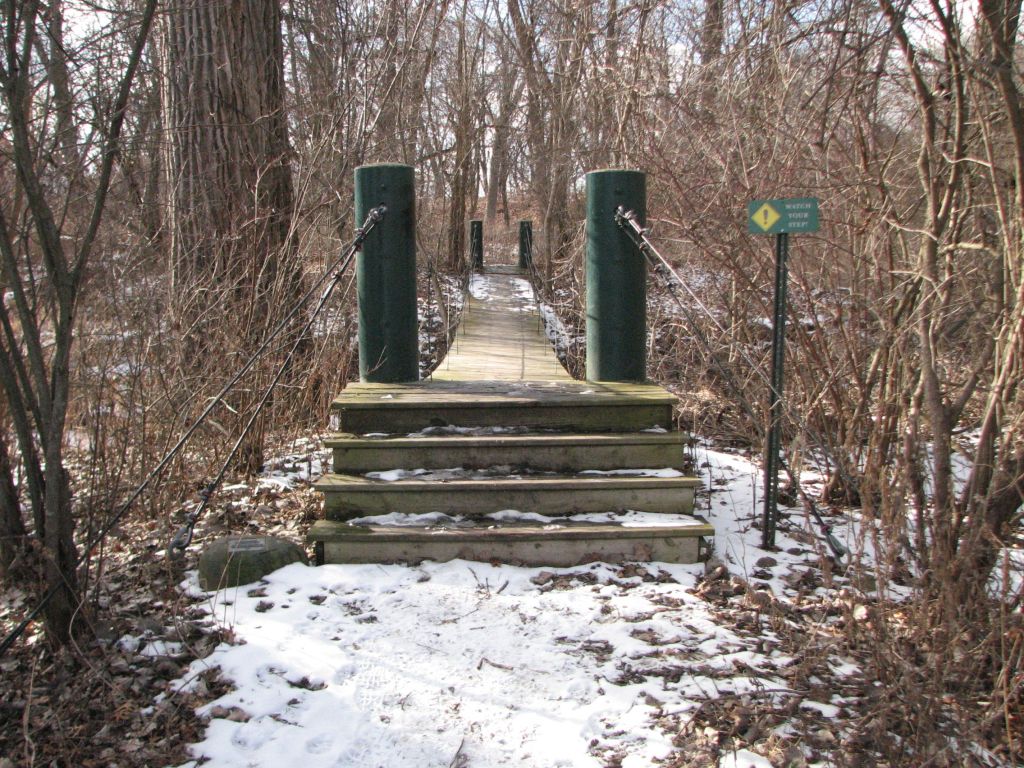
16. Swinging Bridge
Images From Workday Area
Views North, East, South, and West of Burn Scar
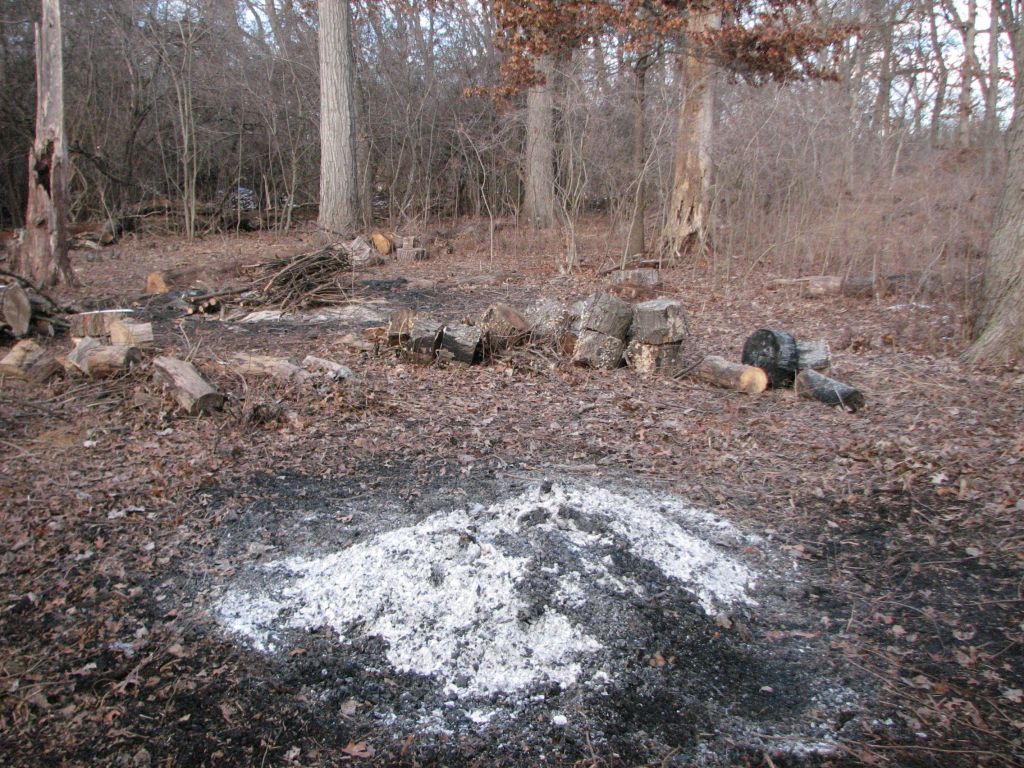
17. View looking north of burn pile

18. View looking east of burn pile

19. View looking south of burn pile

20. View looking west of burn pile
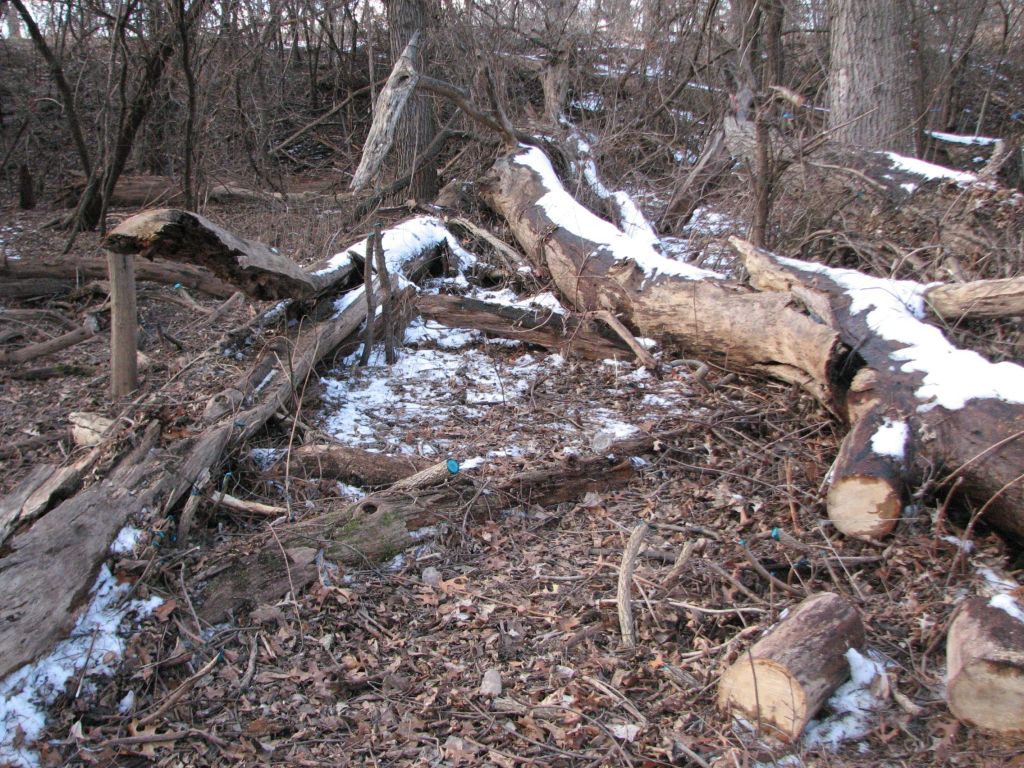
21. Area where Oriental Bittersweet (Celastrum orbiculatus) was removed and cut stumps were treated.

22. Closer view of Oriental bittersweet stumps treated with herbicide.

23. View of previous workday area.
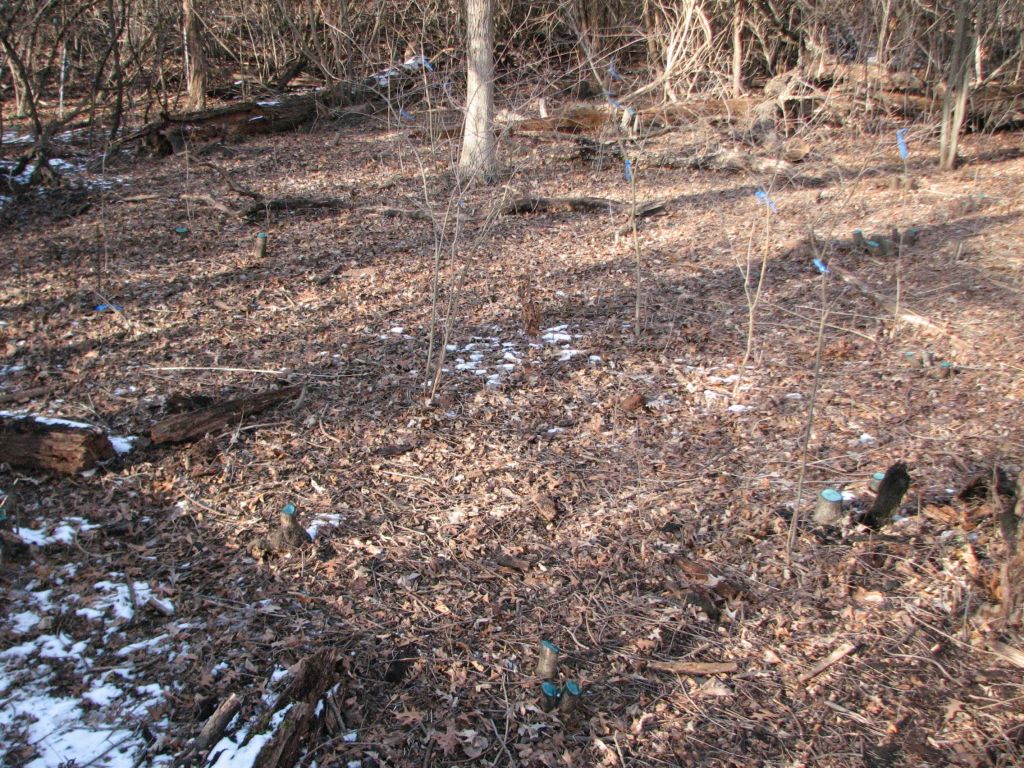
24. Closer view of previous workday area.
Discussion
This was a typical North Branch style workday. I am used to doing things differently. I am used to working farther away from other people. Instead of burning cut material, I use treatments methods that leave it standing. Another possible way to treat cut stumps, without burning, is “lop and scatter.” This would also avoid the need to create a fire and the resulting burn scar.
All cut stumps were painted with herbicide. I did not recognize the smell of the herbicide used and neglected to ask what was going to be applied. Since rain was not forecasted for until six days after the workday, this should be more than enough to prevent the herbicide application from causing off-target damage. This workday would have been a good day to apply triclopyr ester in basal oil to one-to-two inches of stem length on abundant buckthorn seedlings in the west side of the work area. I did not mention this suggestion since this was my first time meeting the people involved and my experience with North Branch groups is they are not open to different ideas.
On the north side of Shaw Prairie and the eastern side of Bennett Meadow, large cottonwoods and other woody species had been cut and moved into big piles. I neglected to get photos of these areas. I will do this the next time I visit. It will be interesting to see the changes in these areas over time.
Seed was spread during this workday. I did not participate in the seed spreading. My guess is the seed had been spread in one of the areas where large trees had been removed and piled.
 Stewardship Chronicles
Leave a comment