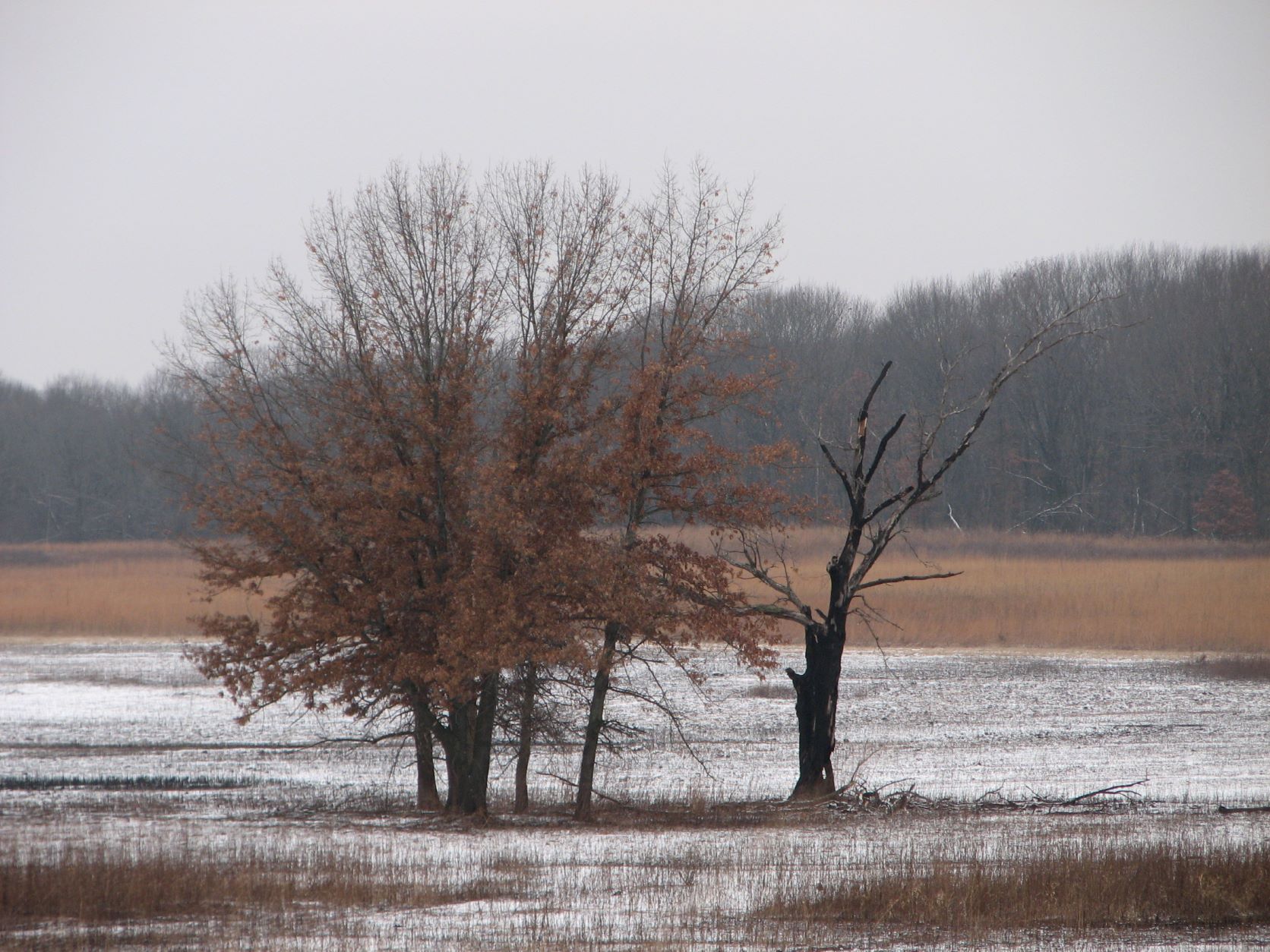
Deer Grove Forest Preserve 4/29/2025
Summary
Map
Explanation of Images
Images From Site
Burn Pile Over Snow 3/7/2015
1. Looking North
2. Looking East
3. Looking South
4. Looking West
Spring Ephemerals That Emerged Through the Charcoal and Ash
5. Trillium and Erythronium
6. Closer View of Trillium and Charcoal
7. Claytonia virginica
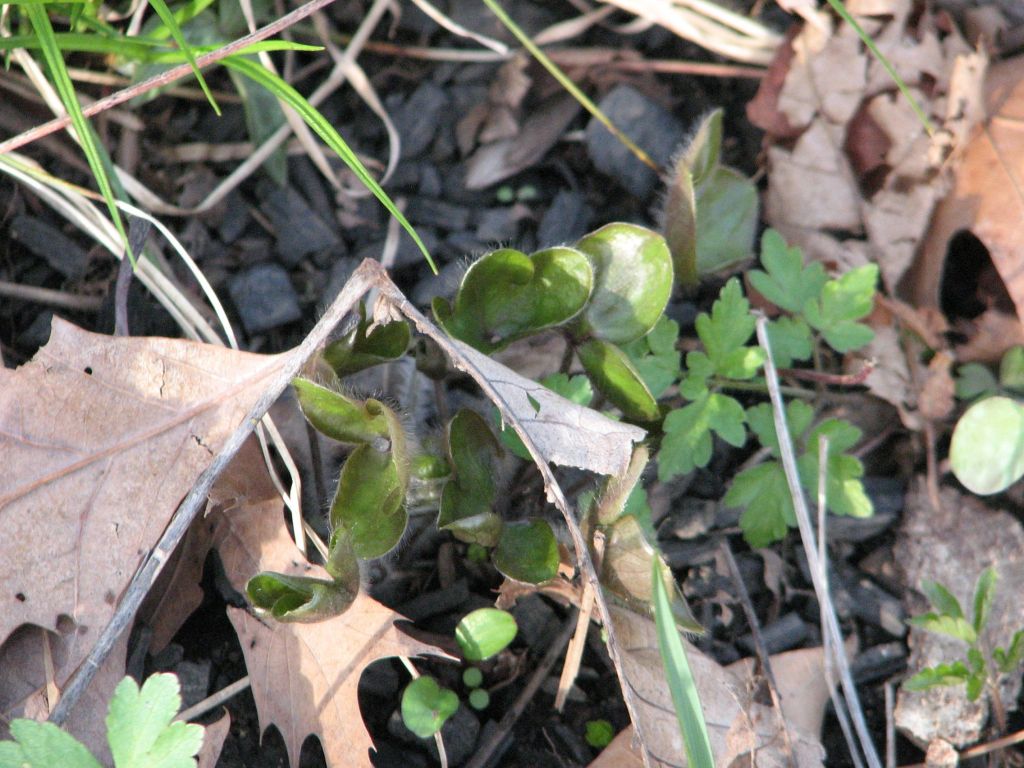
8. Hepatica americana and Charcoal
Burn Pile with Charcoal and Ash Removed 1/17/2014
9. Looking North
10. Looking East
11. Looking South
12. Looking West
13. Erythronium and Carex pensylvanica in Location of the Burn Scar
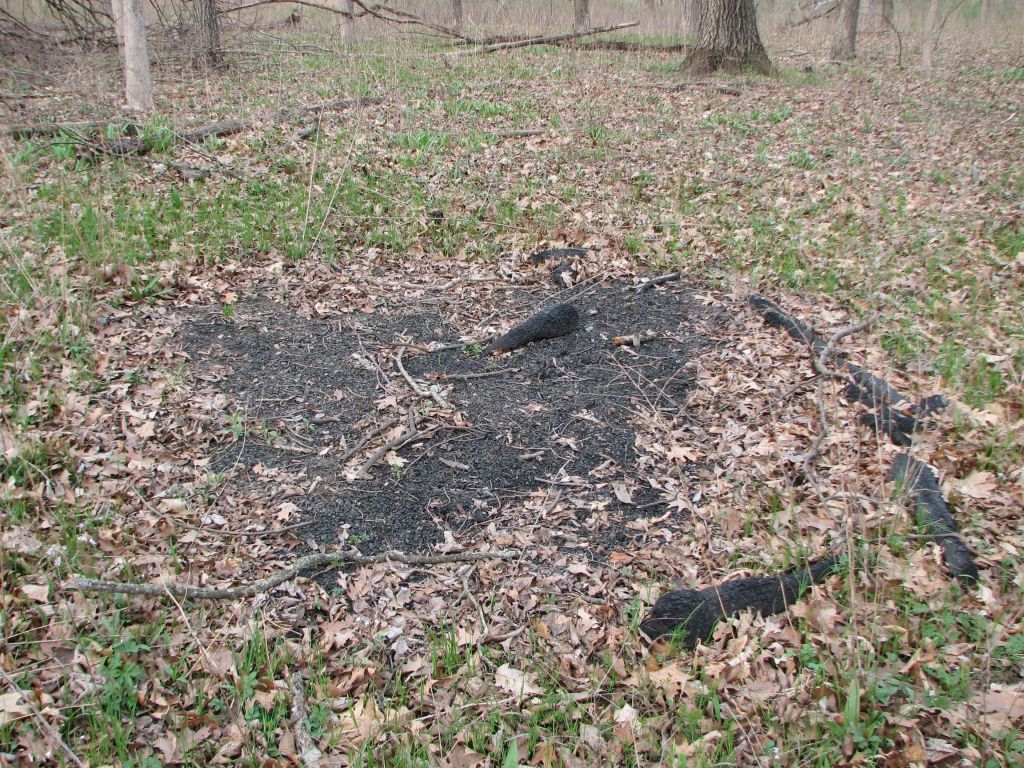
Contractor Pile Burn That Occurred a Few Years Later
Discussion
Map

Retrieved April 28th, 2025, from Google Maps. (n.d.)
https://www.google.com/maps/search/Deer+Grove+Forest+Preserve/@42.1416346,-88.0837223,1140m/data=!3m1!1e3?entry=ttu&g_ep=EgoyMDI1MDQyMy4wIKXMDSoASAFQAw%3D%3D
Explanation of Images
The date at the end of the name of “Burn Pile Over Snow 3/7/2015” and “Burn Pile with Charcoal and Ash Removed 1/17/2014” indicates the date when the pile was burned.
Images of the old burn scars were taken from north, east, south, and west. For the images of the “Burn Pile Over Snow 3/7/2015” each image looking toward a given direction is followed by my attempt to put a red circle around the location of the burn scar. The burn scar location is difficult to see from a distance. After the first image, taken looking north, I did not get the burn scar in the center of the image.
For the burn scar labelled, “Burn Pile with Charcoal and Ash Removed 1/17/2014,” I pulled the leaves away from the burn scar before taking the pictures looking north, east, south, and west. This allows the outline of the burn scar to be easily seen.
For both the “Burn Pile Over Snow 3/7/2015” and the “Burn Pile with Charcoal and Ash Removed 1/17/2014,” closer images showing the vegetation are included.
I did not record the date when the burn scar labelled, “Contractor Pile Burned a Few Years Later” was burned. However, this burn scar was created at least eight years ago.
Images From Site
Burn Pile Over Snow 3/7/2015
1. Looking North
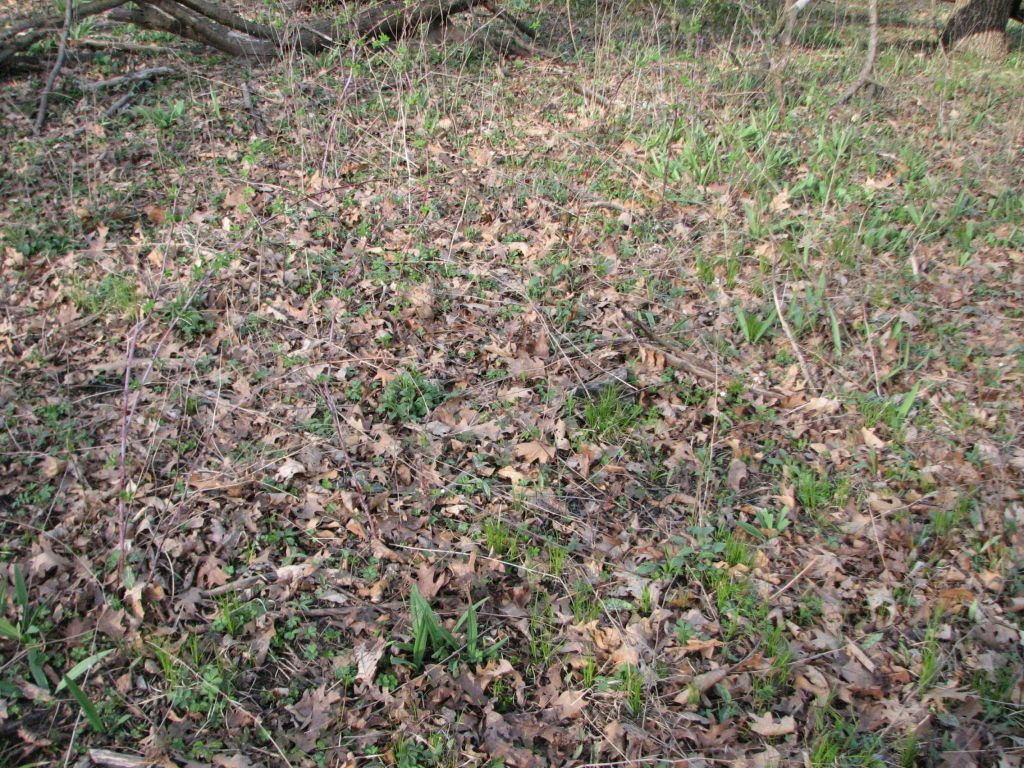

2. Looking East


3. Looking South
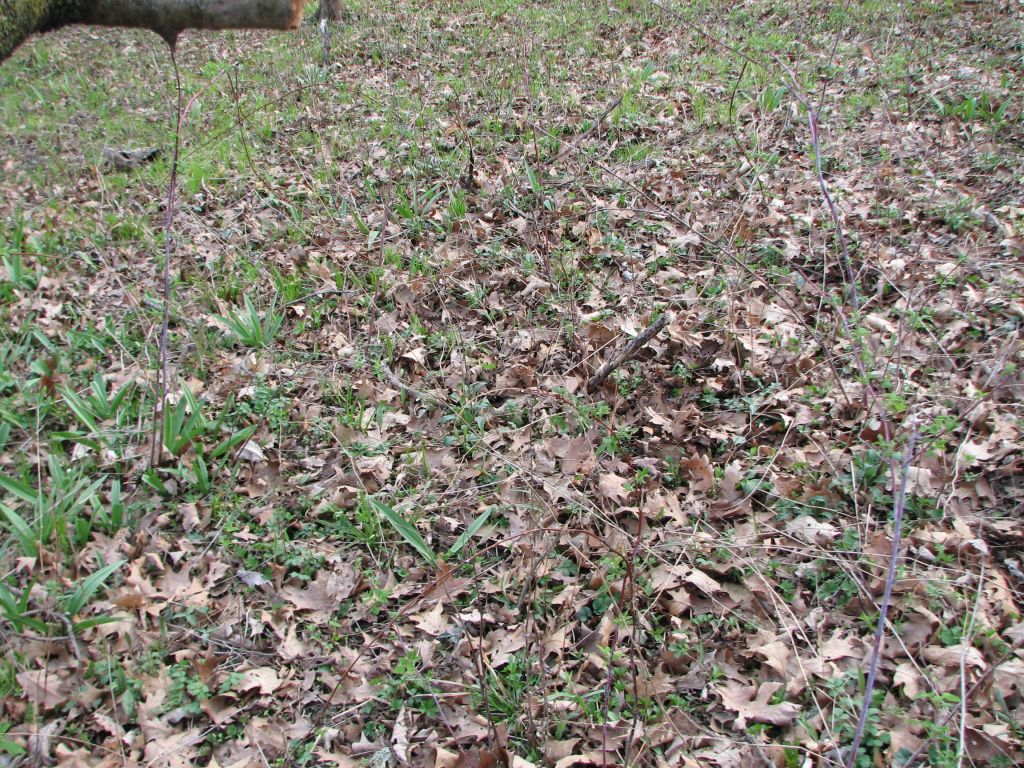

4. Looking West


Spring Ephemerals That Emerged Through the Charcoal and Ash
5. Trillium and Erythronium

6. Closer View of Trillium and Charcoal
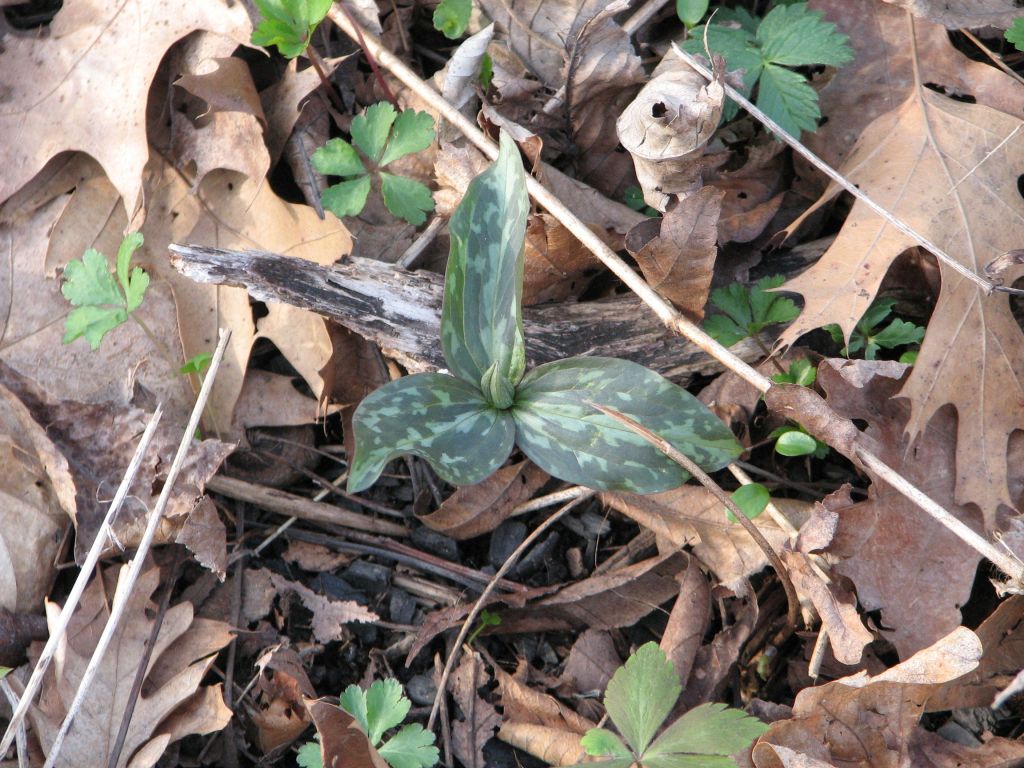
7. Claytonia virginica
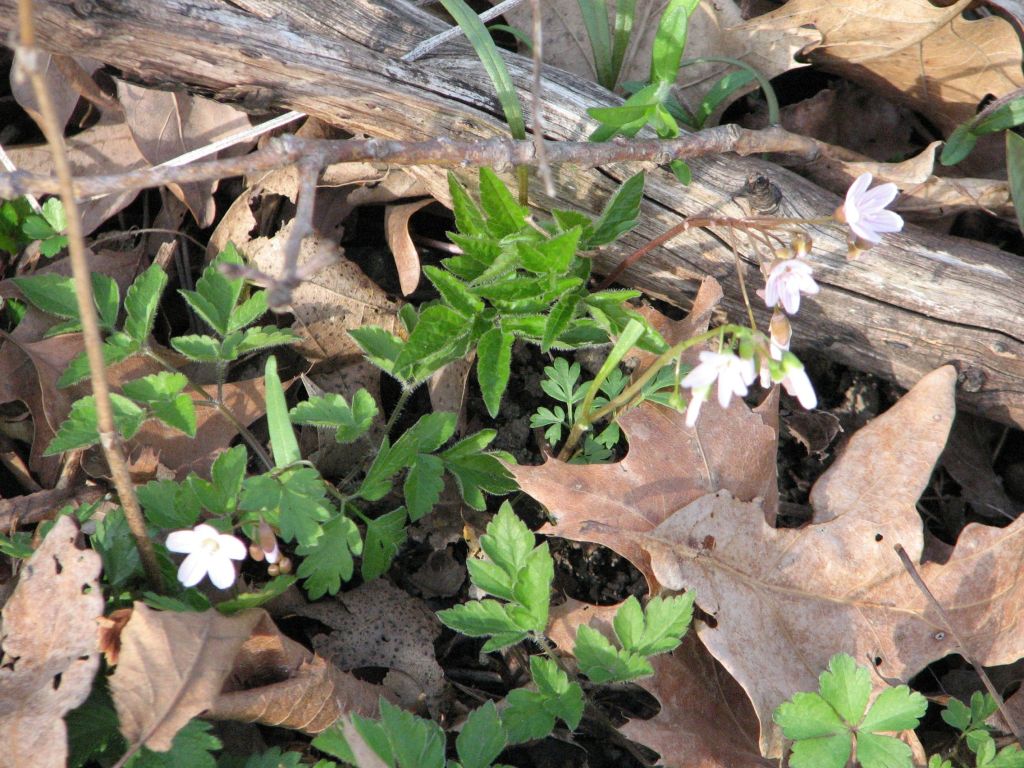
8. Hepatica americana and Charcoal
Burn Pile with Charcoal and Ash Removed 1/17/2014
9. Looking North

10. Looking East

11. Looking South

12. Looking West

13. Erythronium and Carex pensylvanica in Location of the Burn Scar

Contractor Pile Burn That Occurred a Few Years Later
14. The pile shown below was burned within about two years of the above shown piles. The below pile is just west, and a little north, of the burn pile labelled “Burn Pile Over Snow.
Discussion
The burn scar labelled, “Burn Pile Over Snow 3/7/2015” was burned on top of approximately three feet of snow that was piled into a platform. At the end of the workday, there was still snow under the charcoal and ashes. I intended to return and spread around the remaining charcoal and ashes before spring. However, this was never done. Spring ephemerals, like Claytonia, Erythronium, and Trillium came up the following spring, especially where deer had scraped through the six inches of charcoal and ash. These spring ephemerals are still present, as can be seen in the images under the heading “Spring Ephemerals That Emerged Through the Charcoal and Ash.”
What is noticeably absent from the center of “Burn Pile Over Snow 3/7/2015” are sedges. It is likely these could not grow through the thick layer of charcoal. A plant that appears to have preferentially established in this burn scar is agrimony.
The burn scar labelled, “Burn Pile with Charcoal and Ash Removed 1/17/2014” was burned normally and then at the end of the workday I spread around the charcoal and ash. This prevented the ground from receiving further heating after the workday. I returned the following year and only saw a few Erythroniums growing in this burn scar. I assumed these Erythroniums had been protected from heat by being under a thicker log at the bottom of the burn pile.
A noticeable difference between “Burn Pile with Charcoal and Ash Removed 1/17/2014” and “Burn Pile Over Snow 3/7/2015” is the presence of Carex pensylvanica. With the charcoal and ash mostly removed from the burn scar, this sedge was able to colonize the area which had been vegetation free after the pile had been burned.
For comparison, a burn pile created by contractors within about two years of “Burn Pile Over Snow 3/7/2015” and “Burn Pile with Charcoal and Ash Removed 1/17/2014” is shown. “Contractor Pile Burned a Few Years Later” was created with larger logs from tree removal. Even eight or nine years after being created, the contractor pile has not revegetated. I have never seen a burn scar that did not grow any vegetation for so long after it was created.
I had the thought that the burn scar created by contractors might have been reused more recently. However, I then realized there was not much left that needed to be burned. Volunteers had removed invasive woody species from the area prior to the creation of this burn scar. “Contractor Pile Burned a Few Years Later” was created to dispose of woody debris from tree thinning. I do not think more woody species removal would have been needed in this area. However, I cannot be sure the burn scar had not been used more recently.
 Stewardship Chronicles
Leave a comment