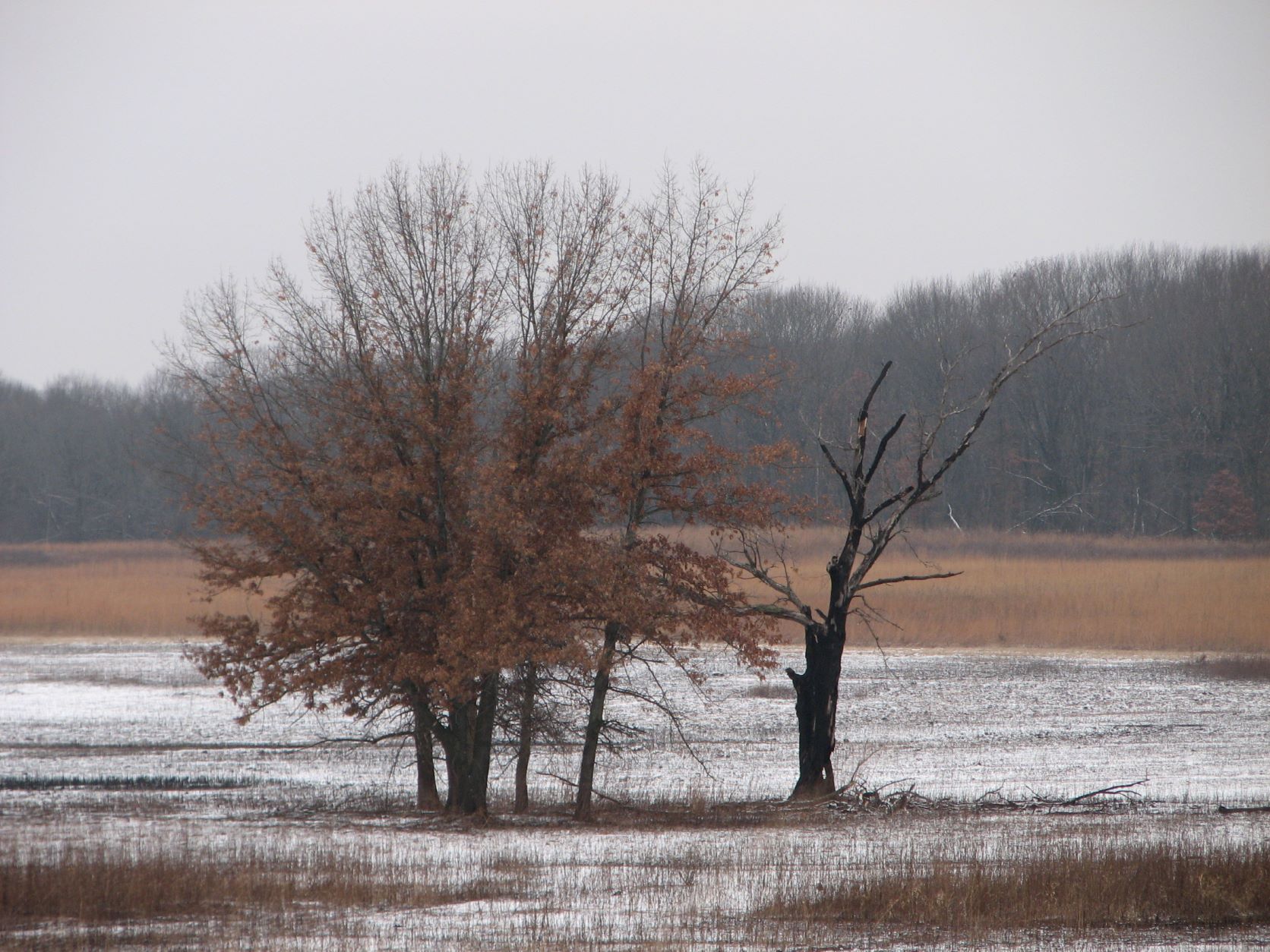
Draft: I plan to add more images later
Bluff Spring Fen
Map of Areas Visited
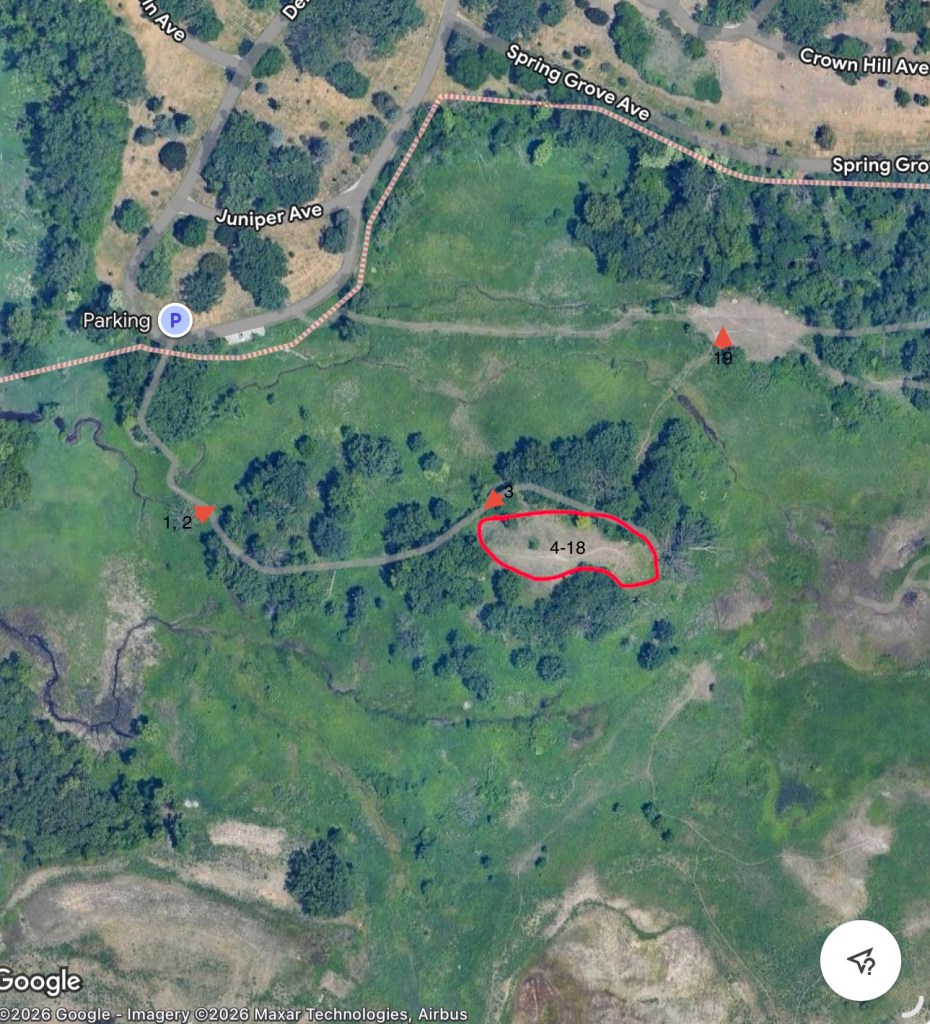
Retrieved March 11th, 2026
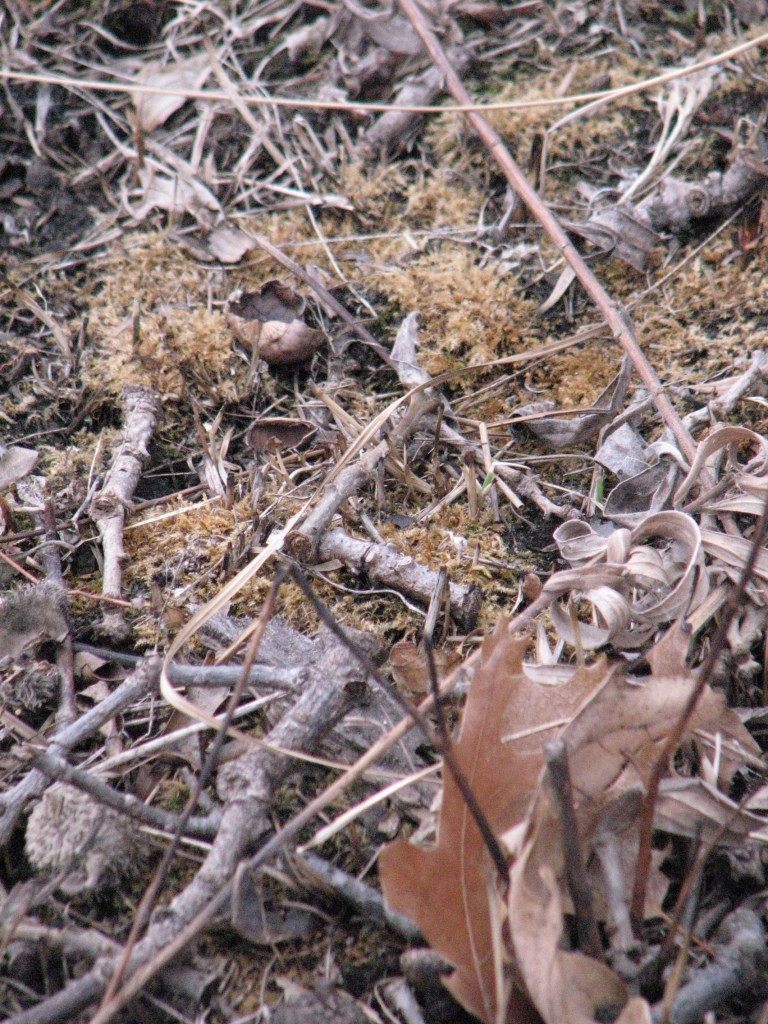
1. Moss growing on small ridge
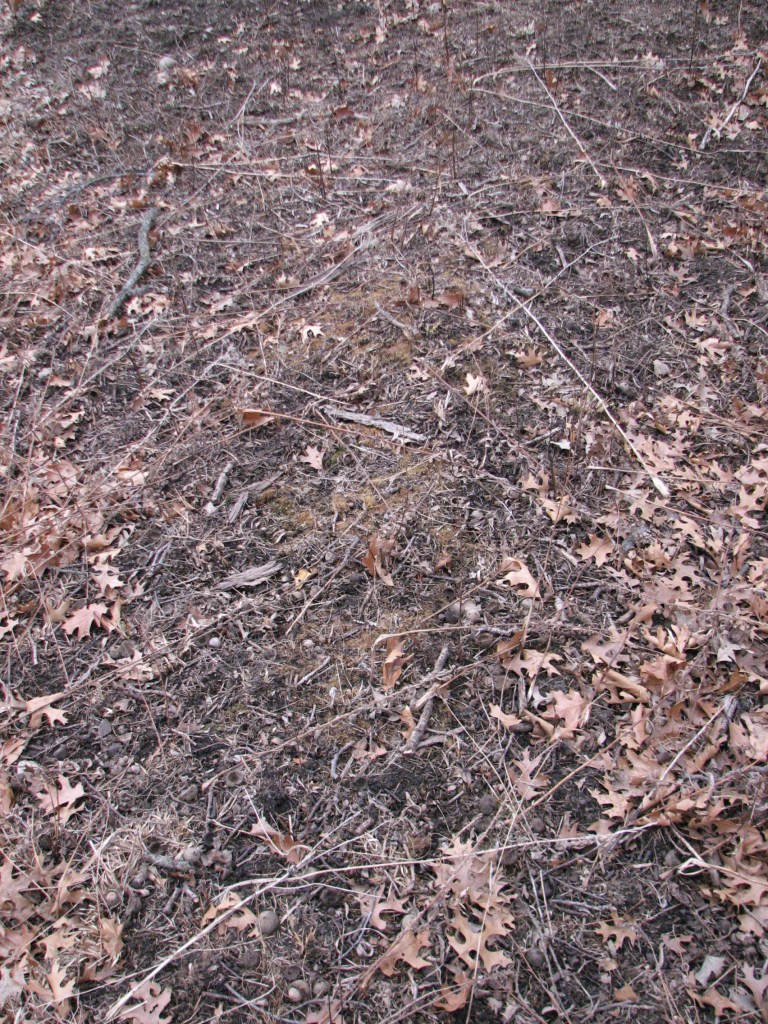
2. Wider view showing small ridge. The slight increase in elevation helps keep leaves blowing in the wind from depositing.
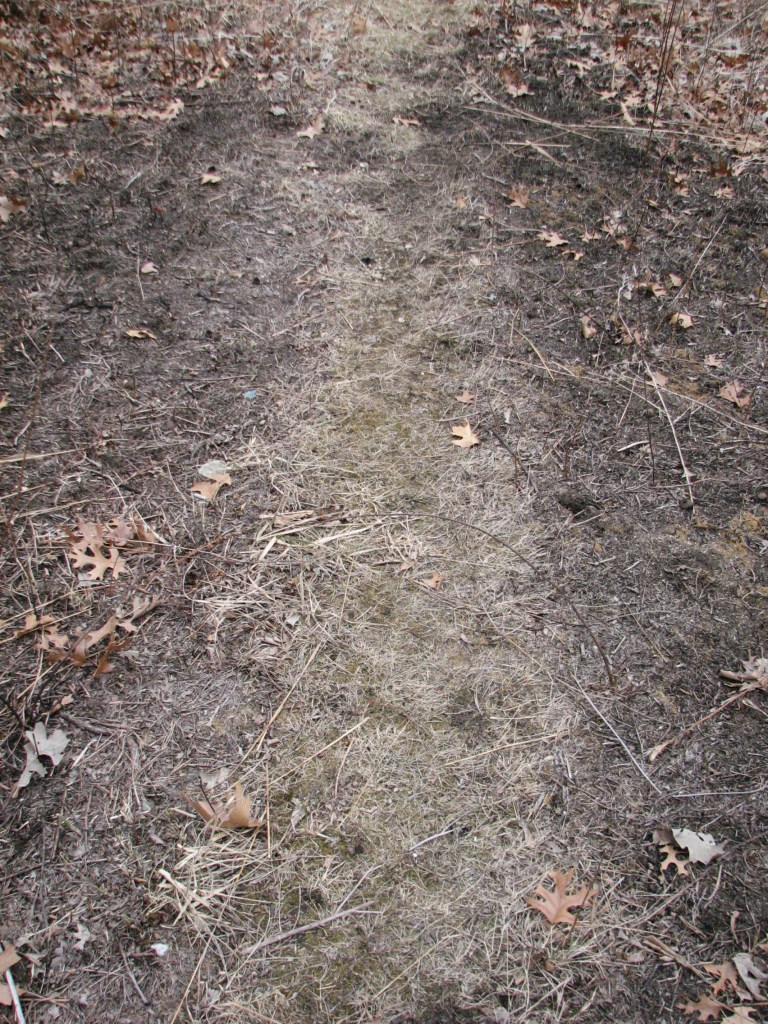
3. Moss growing on infrequently used trail. People walking keep the trail relatively free of leaves. Consequently, the moss is not smothered by leaves and fire does not burn where the trail is located. In the absence of smothering leaves and fire, moss grows.
Map of Large Kame
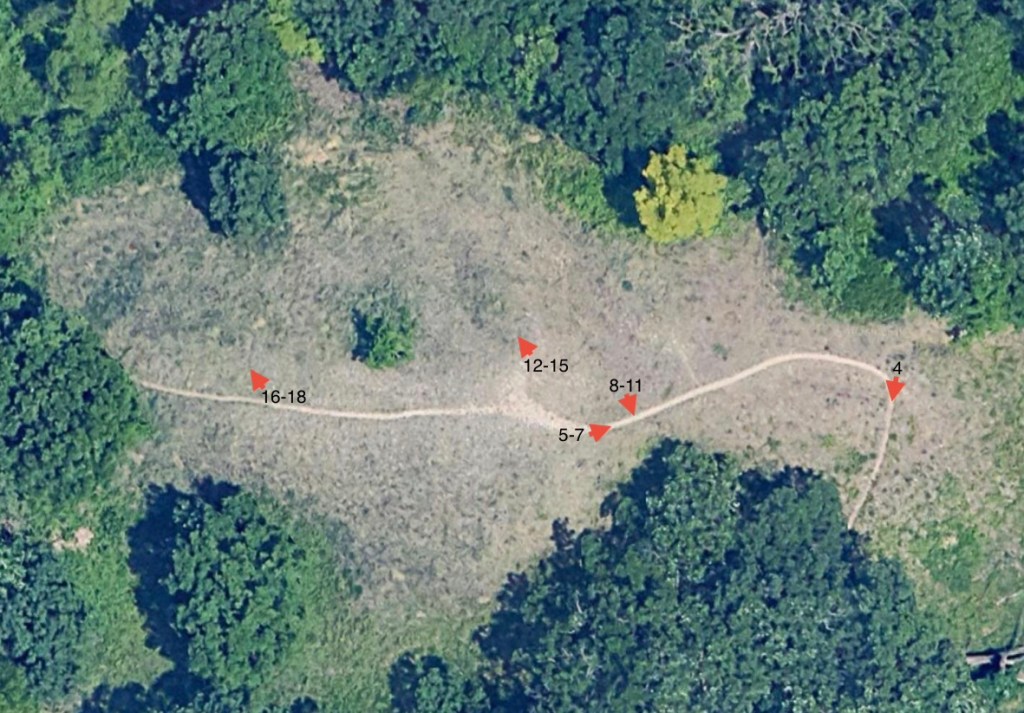
Retrieved March 11th, 2026
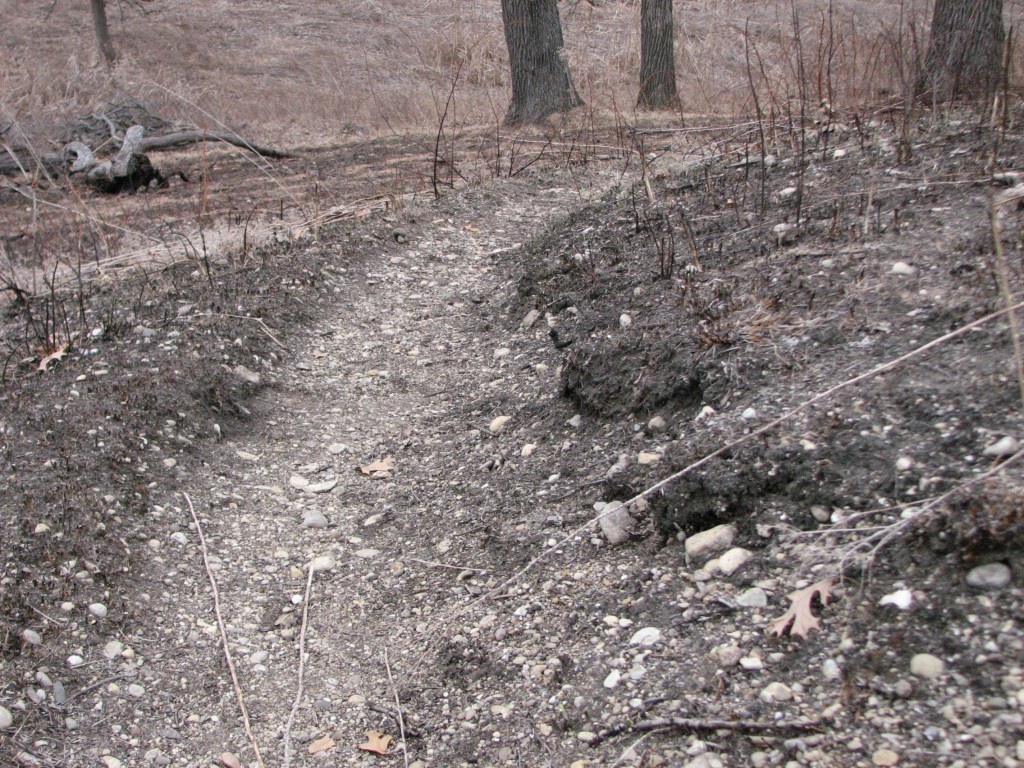
4. Trail to top of the large kame. I included this image to show the depth of the soil.
5. Moss along trail on top of the large kame.
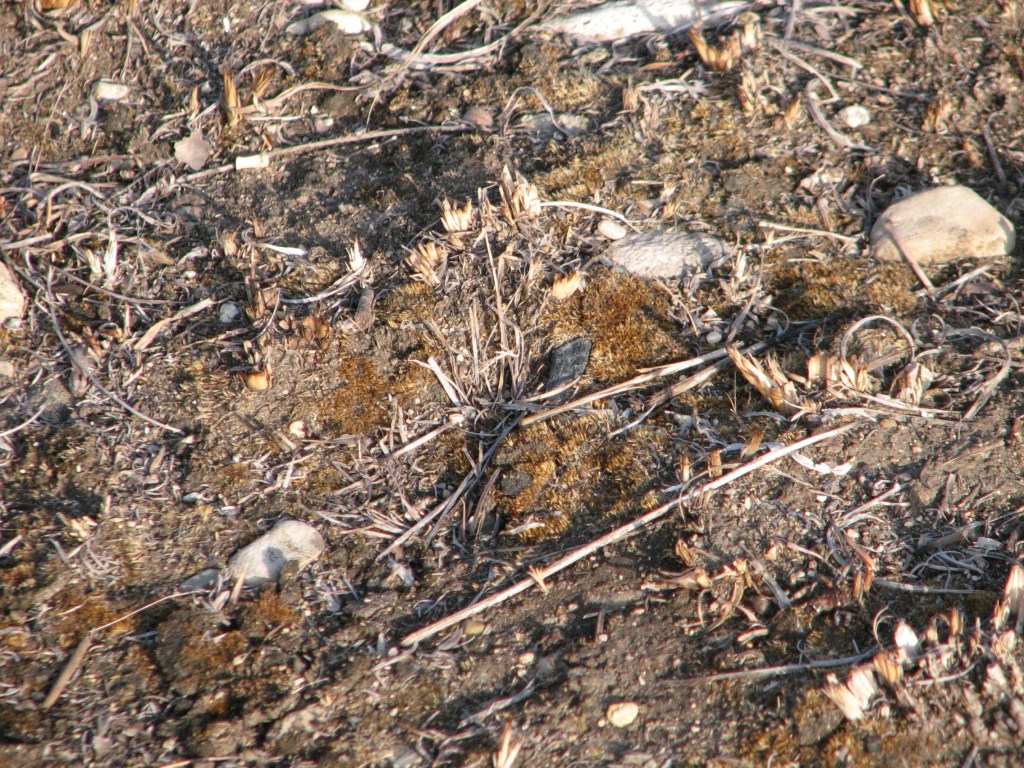
6. Above image zoomed out. The moss grows adjacent to the trail but not on the south facing slope (to the right).
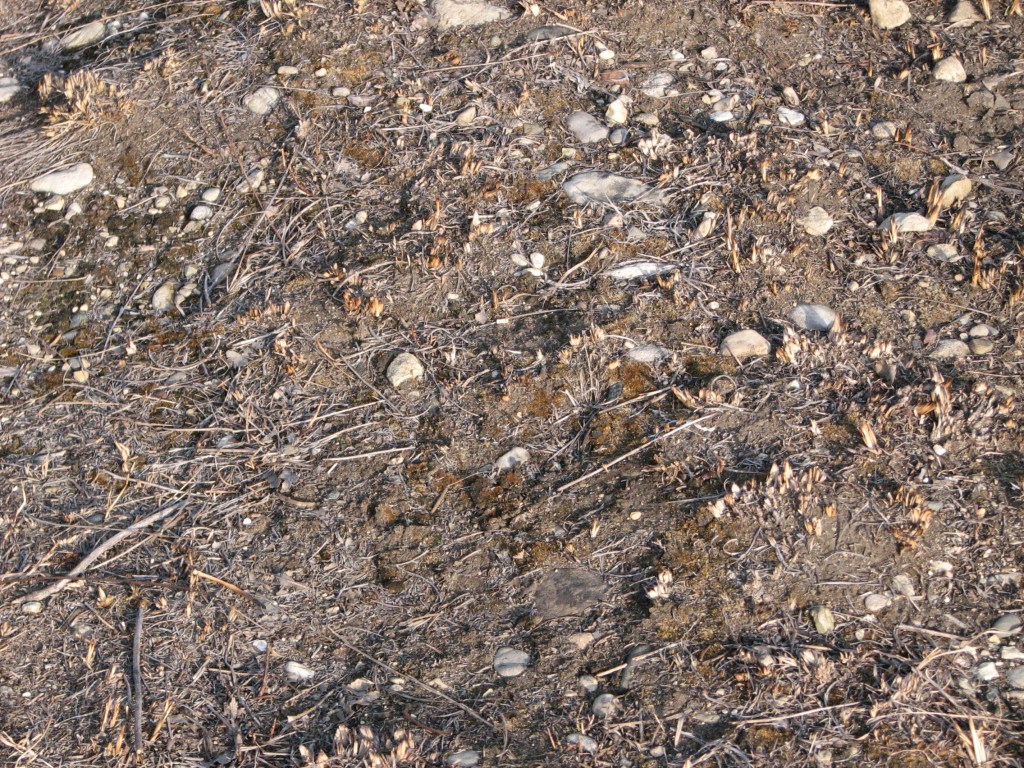
7. Above image zoomed out farther. This shows the trail, the moss, and more of the south facing slope that does not have any bryophytes.
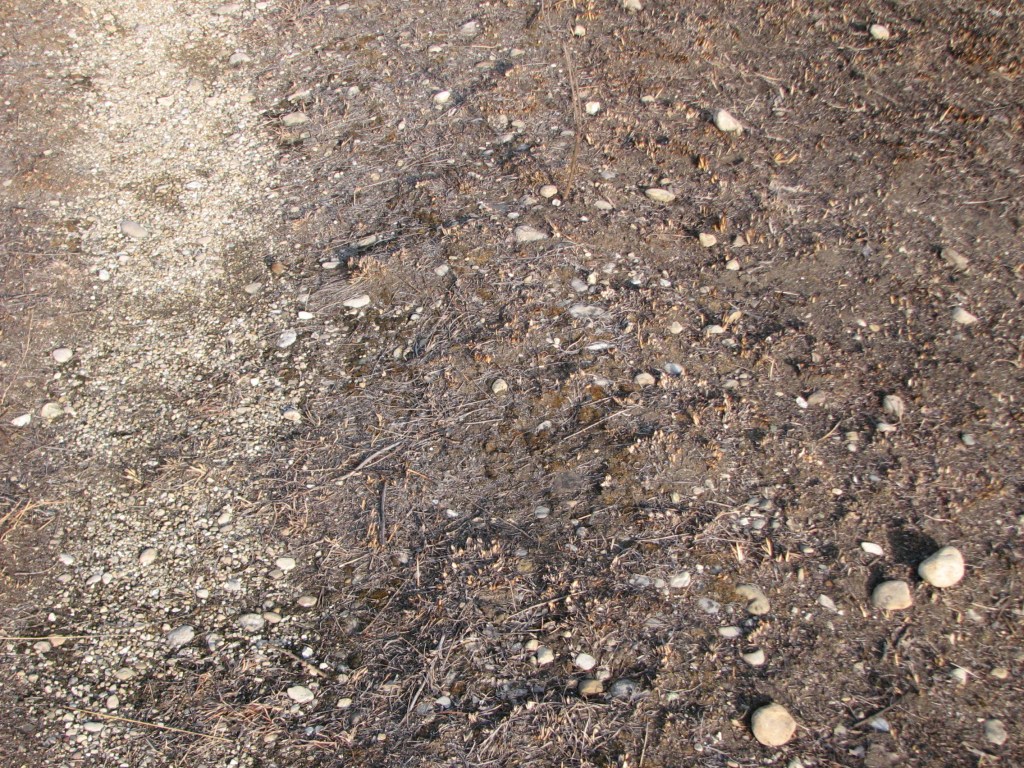
8. View of south facing slope of the large kame. No bryophytes are growing on this slope. I believe this is due to the hotter fires that occur on south facing slopes. The fuels on south facing slopes warm faster. This makes this face drier resulting in hotter fires when they are burned.
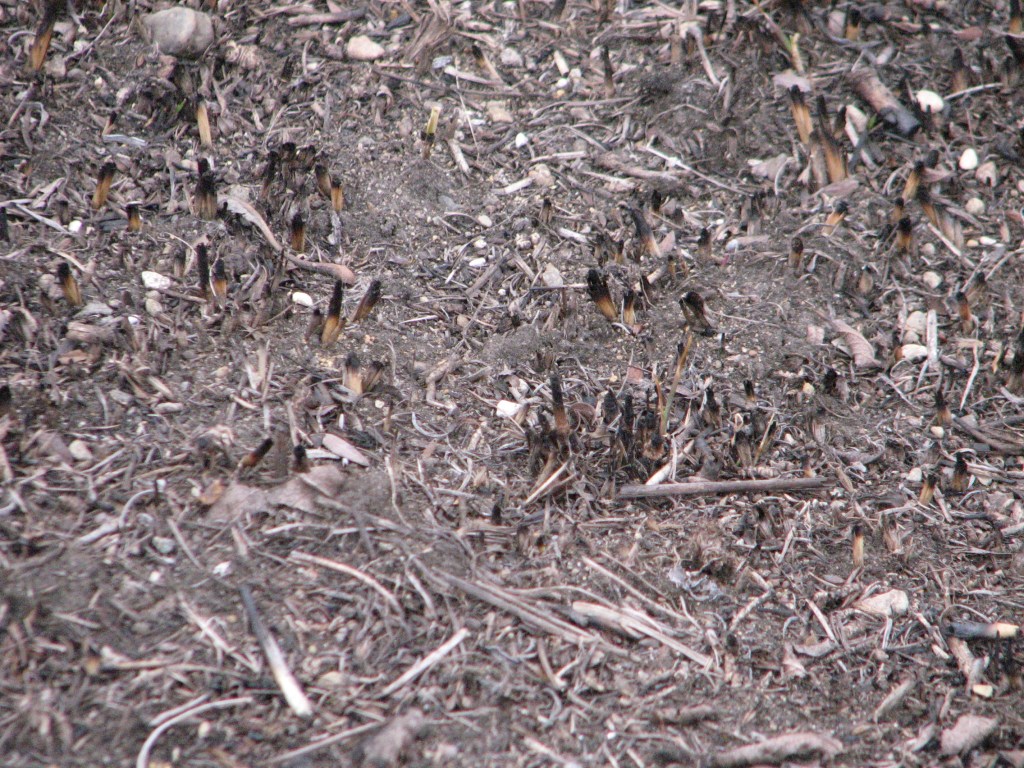
9. Wider view of south facing slope of the large kame.
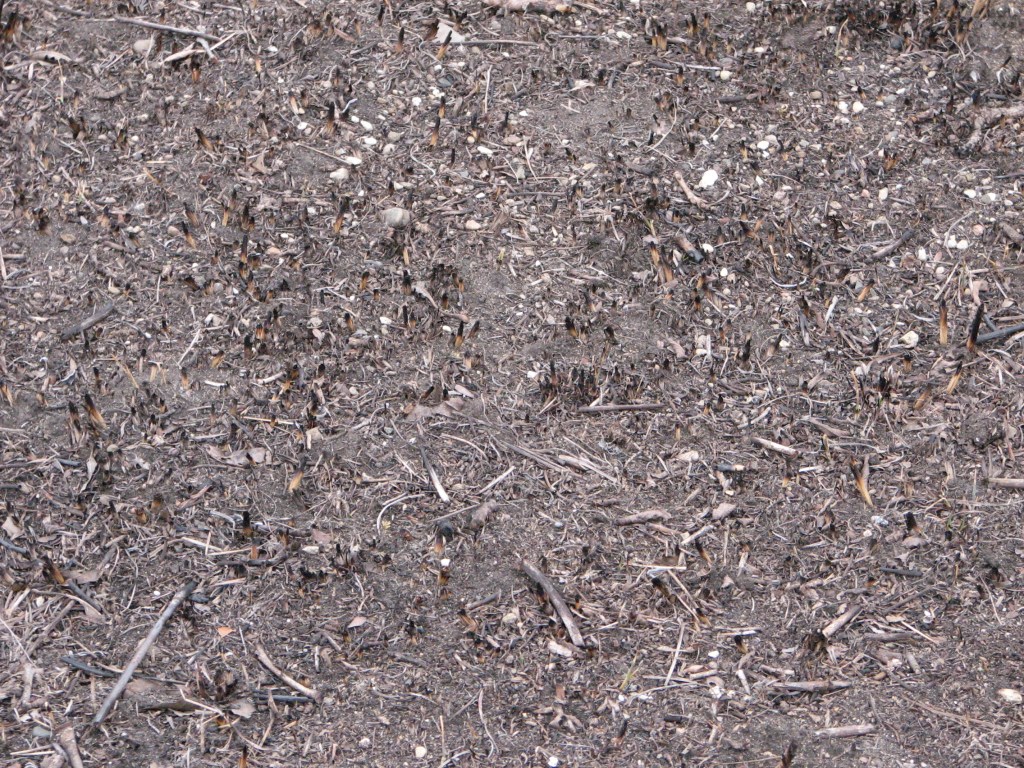
10. Even wider view of south facing slope of kame.
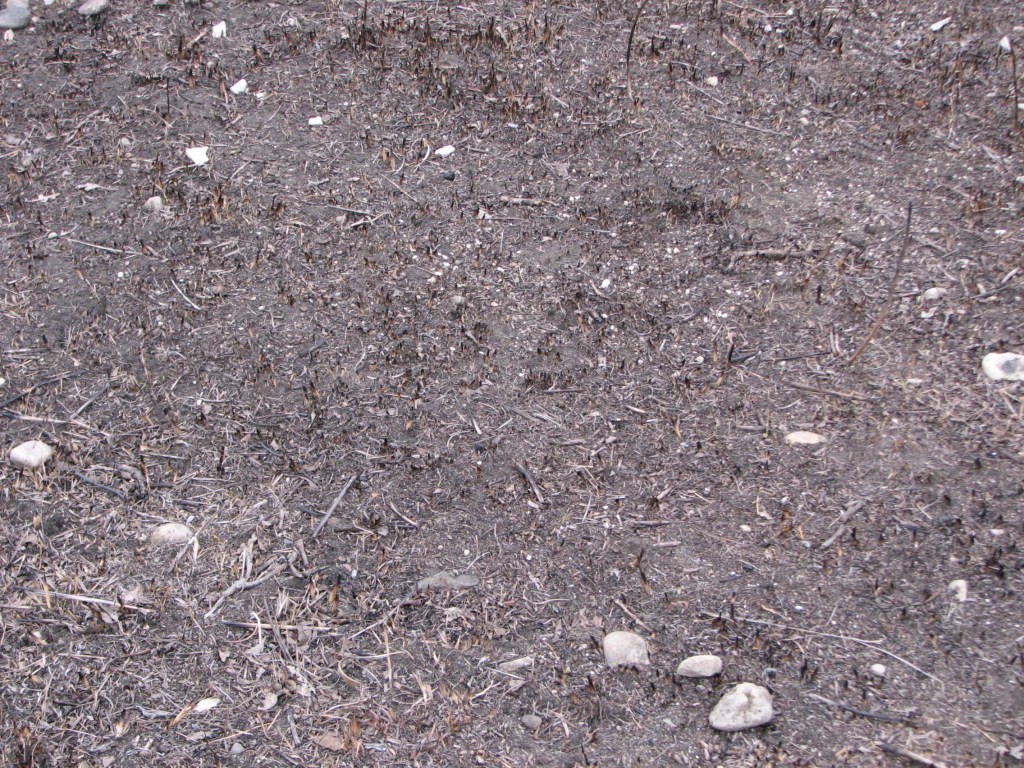
11. Widest view of south facing slope of kame.
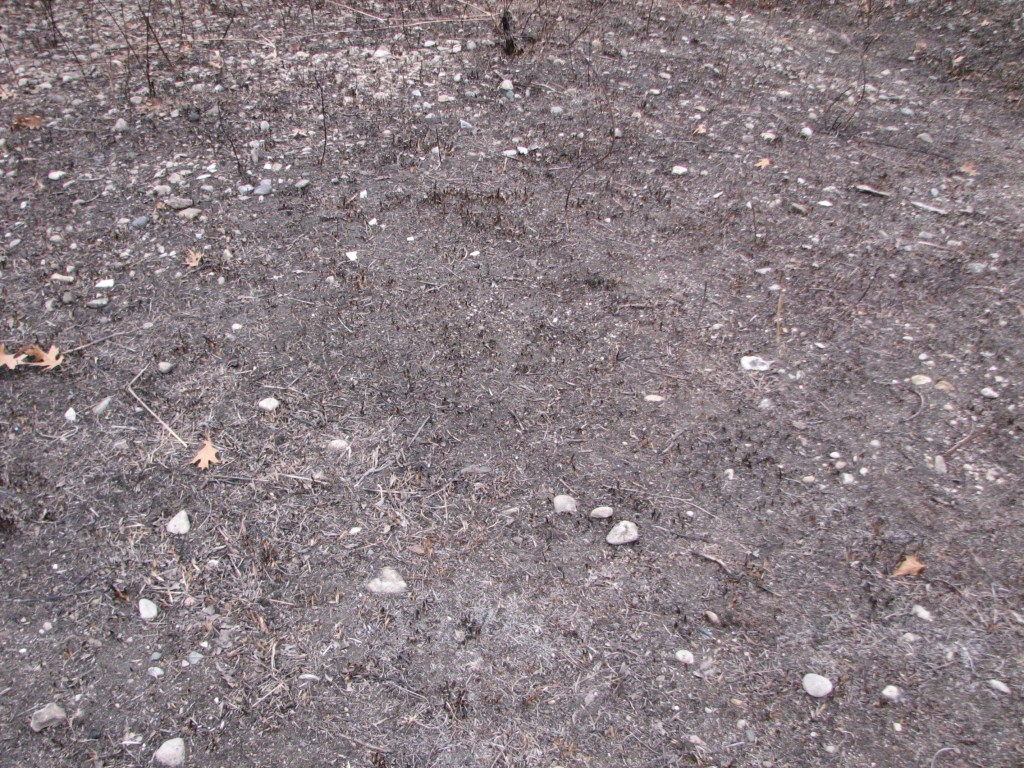
12. Soil crust on northeast facing slope of kame.
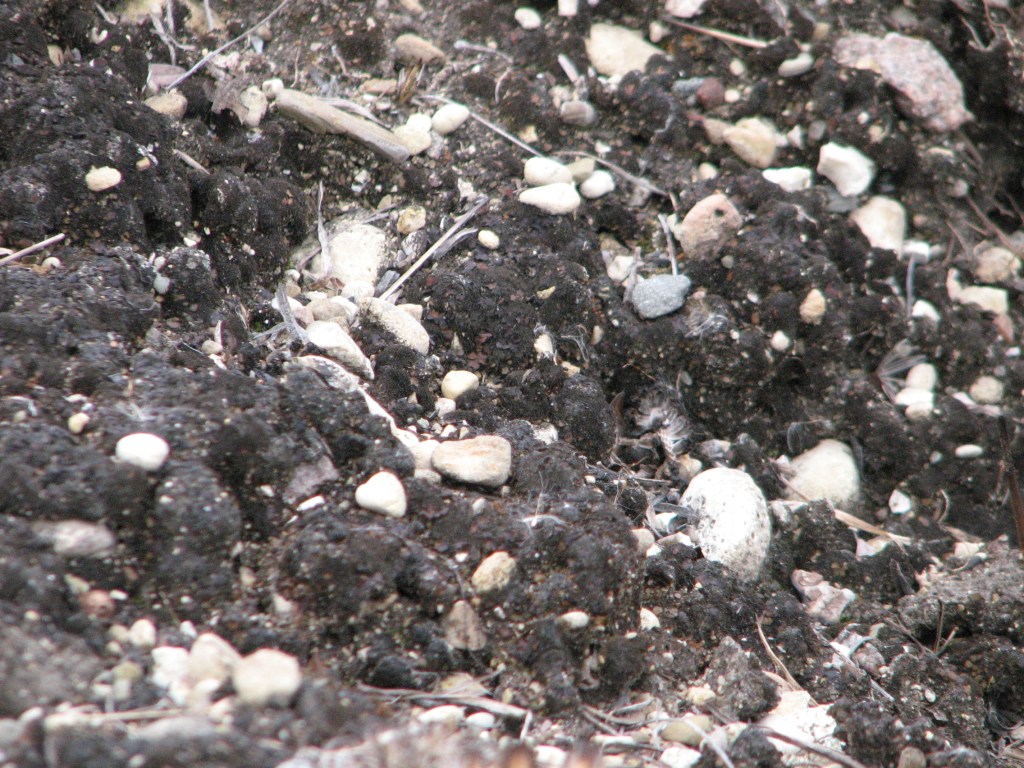
13. Wider view of northeast facing slope of kame.
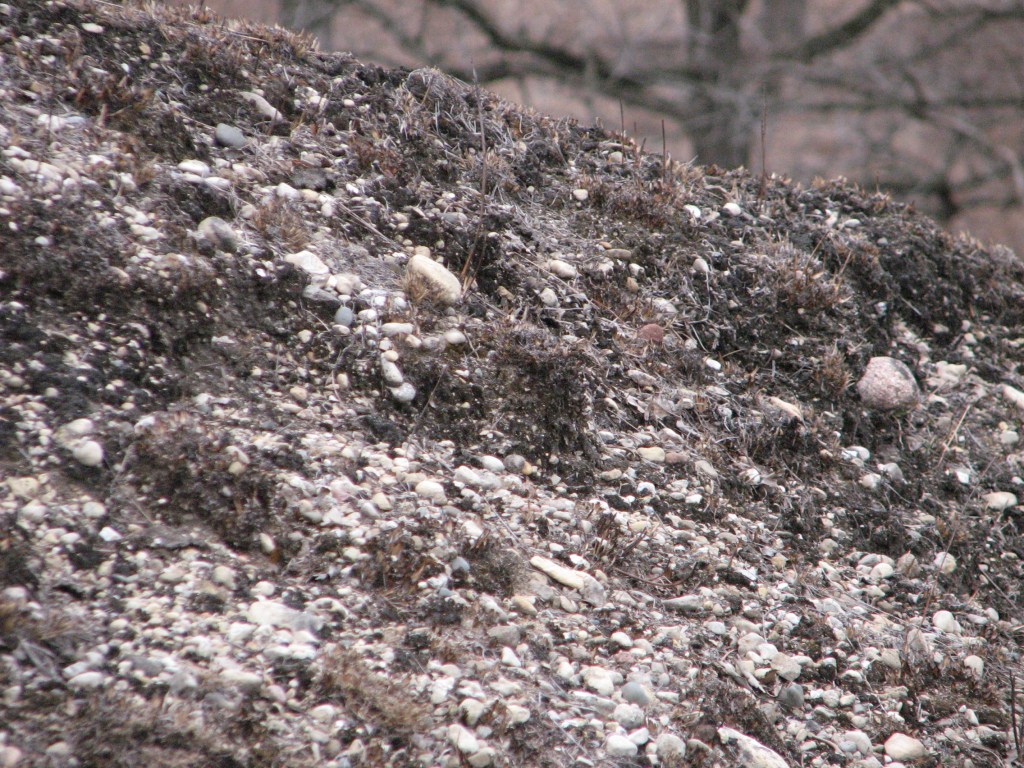
14. Even wider view of northeastern facing slope of kame.
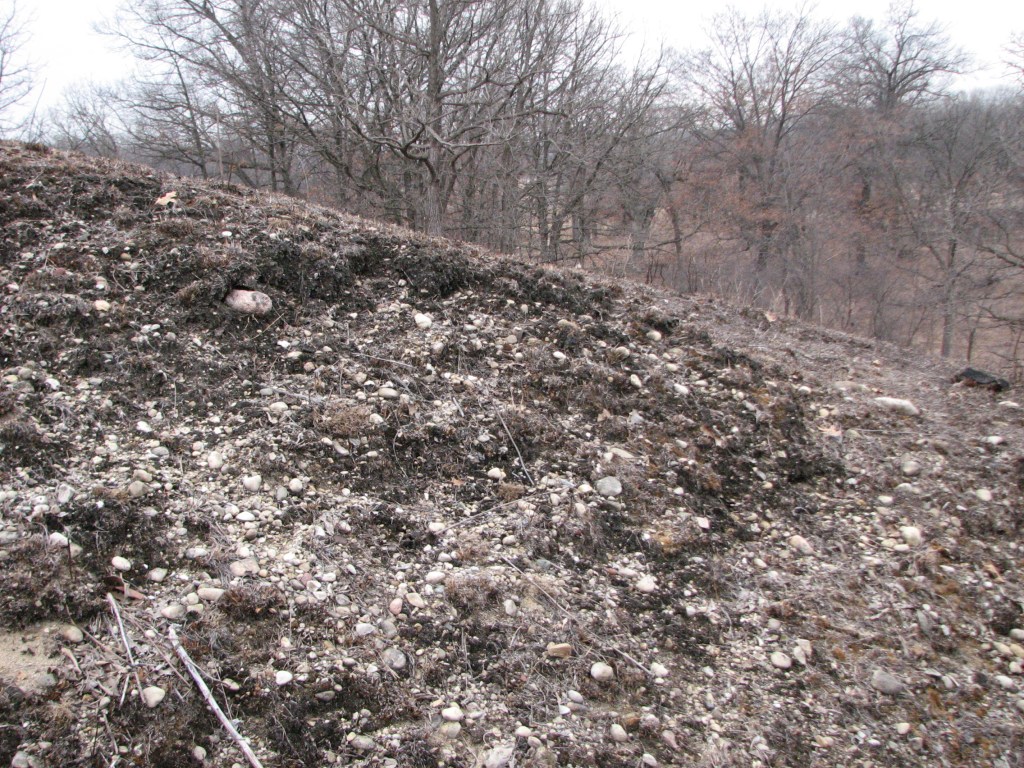
15. Widest view of northeastern facing slope of kame.
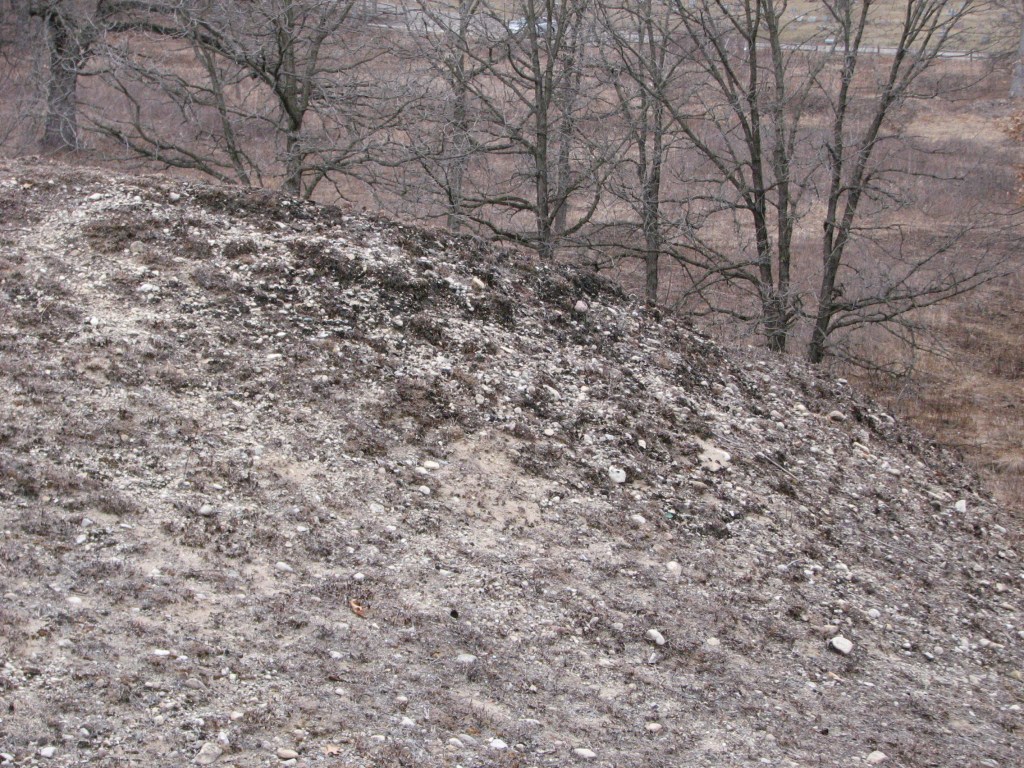
16. Bryophytes on northwestern facing slope of kame.
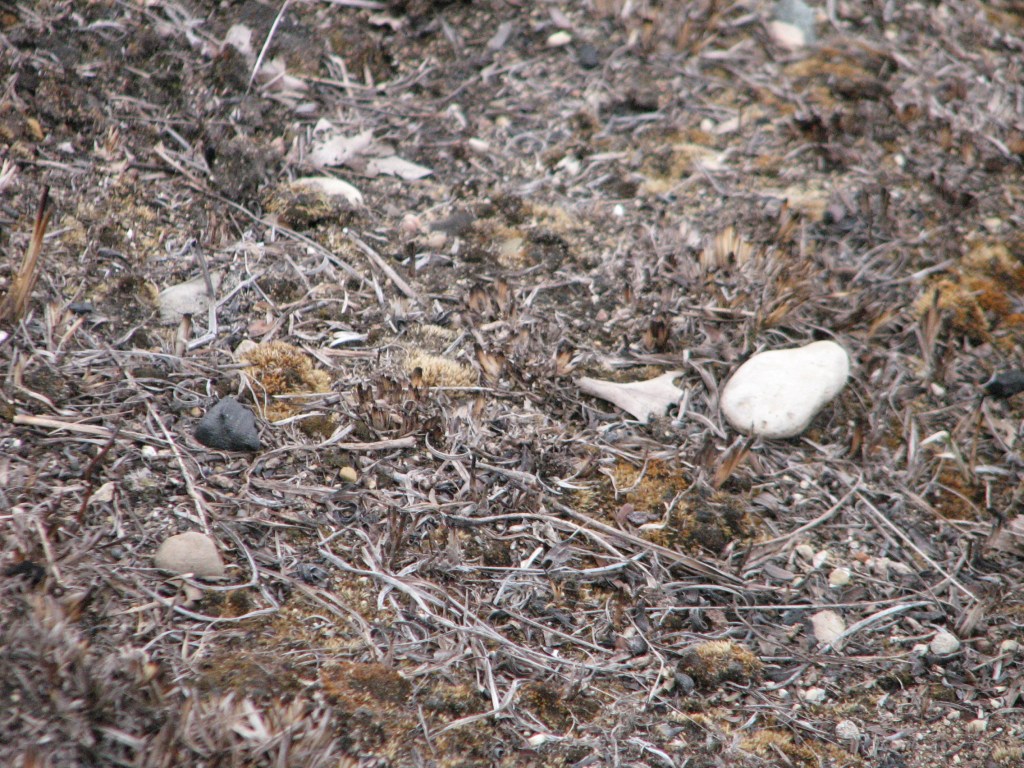
17. Wider view of bryophytes on northwestern facing slope of kame.
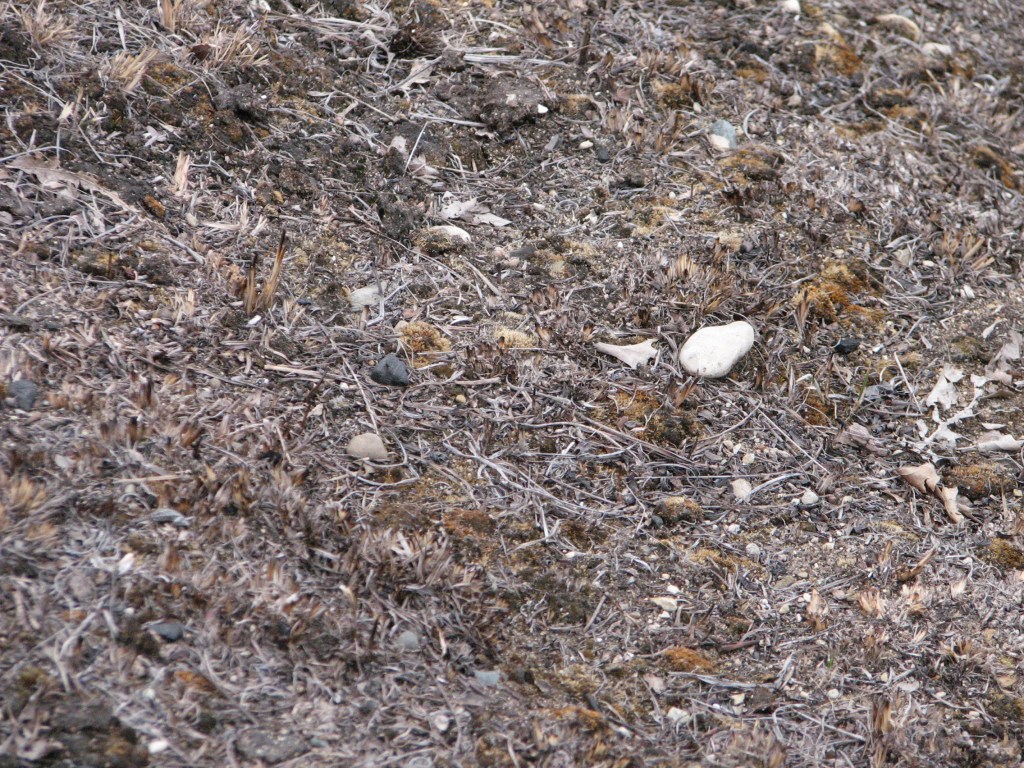
18. Widest view of bryophytes growing on northwestern facing slope of kame.
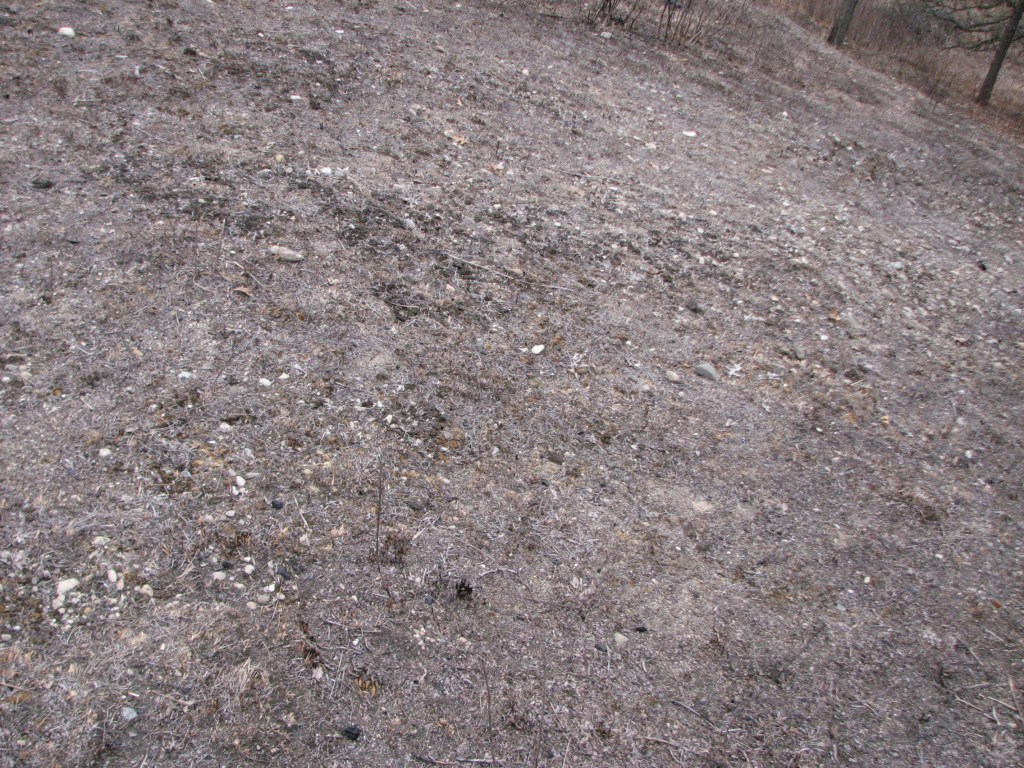
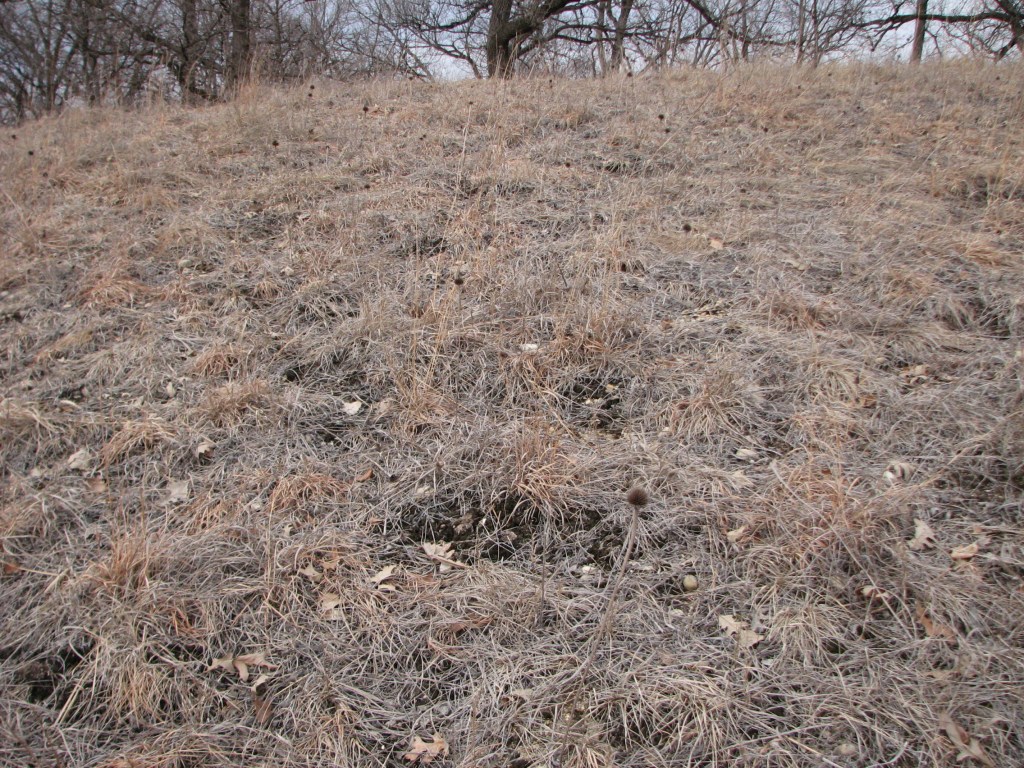
19. South facing slope of smaller kame. Soil crust visible between clumps of little bluestem grass. Possibly, fire does not burn as hot on this slope because the soil is thinner. Thin soil leads to sparser vegetation. Sparse vegetation does not burn as hot. Fires that do not burn as hot allow soil crust organisms to survive.
Shoe Factory Road Prairie Nature Preserve
Map
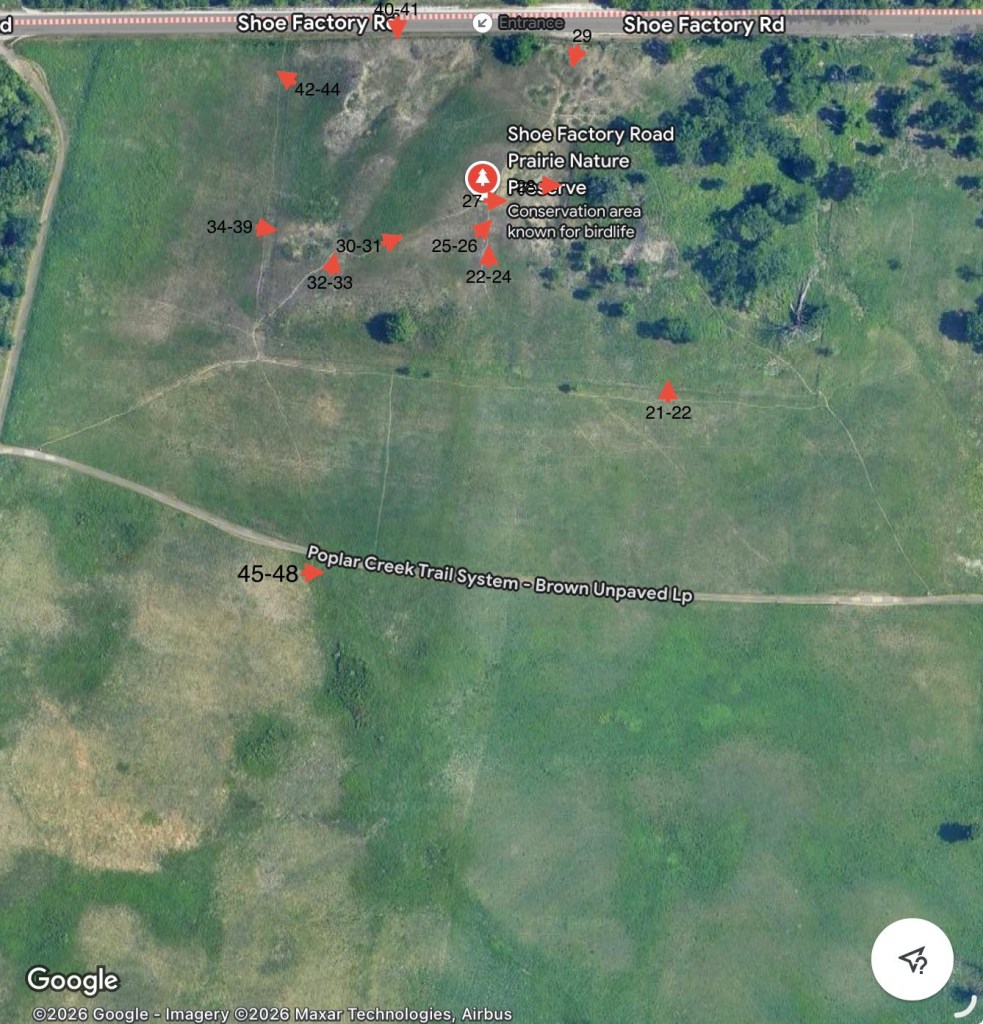
Google Maps. (n.d.). Bluff Spring Fen,
Retrieved March 12th, 2026
20. Moss growing in disturbed area. This was the only moss I found growing on the south facing slope of the kame. I think moss was able to grow in this location only because the vegetation is bluegrass. Bluegrass does not burn as hot as native warm season grasses.
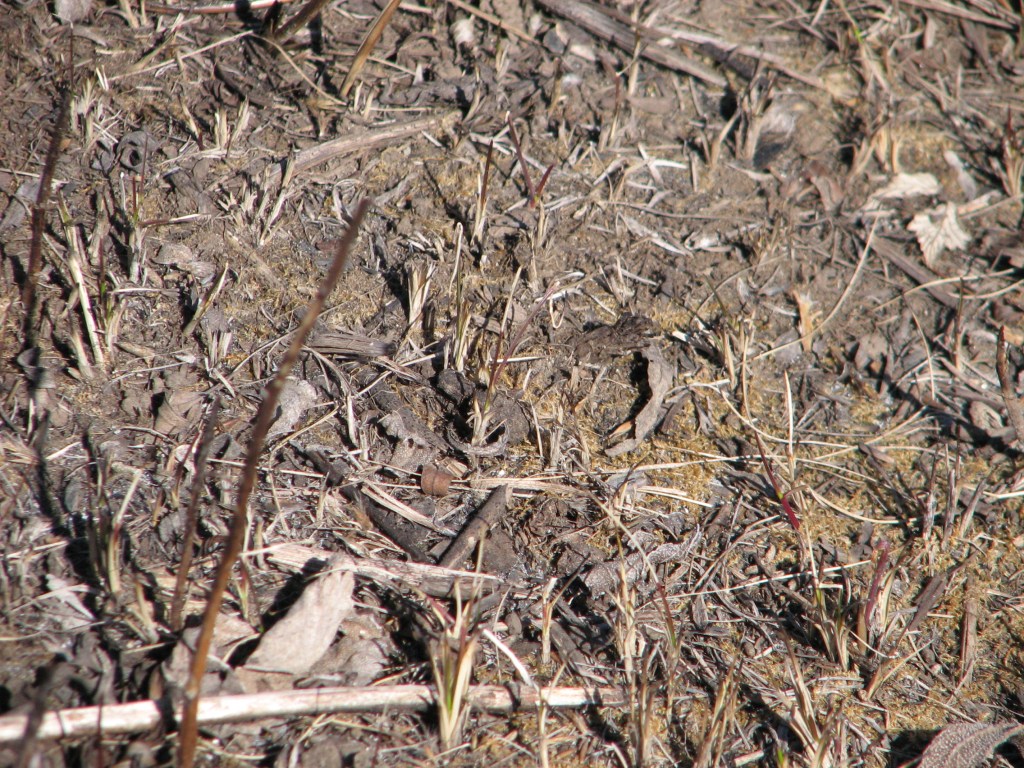
21. Wider view of above image.
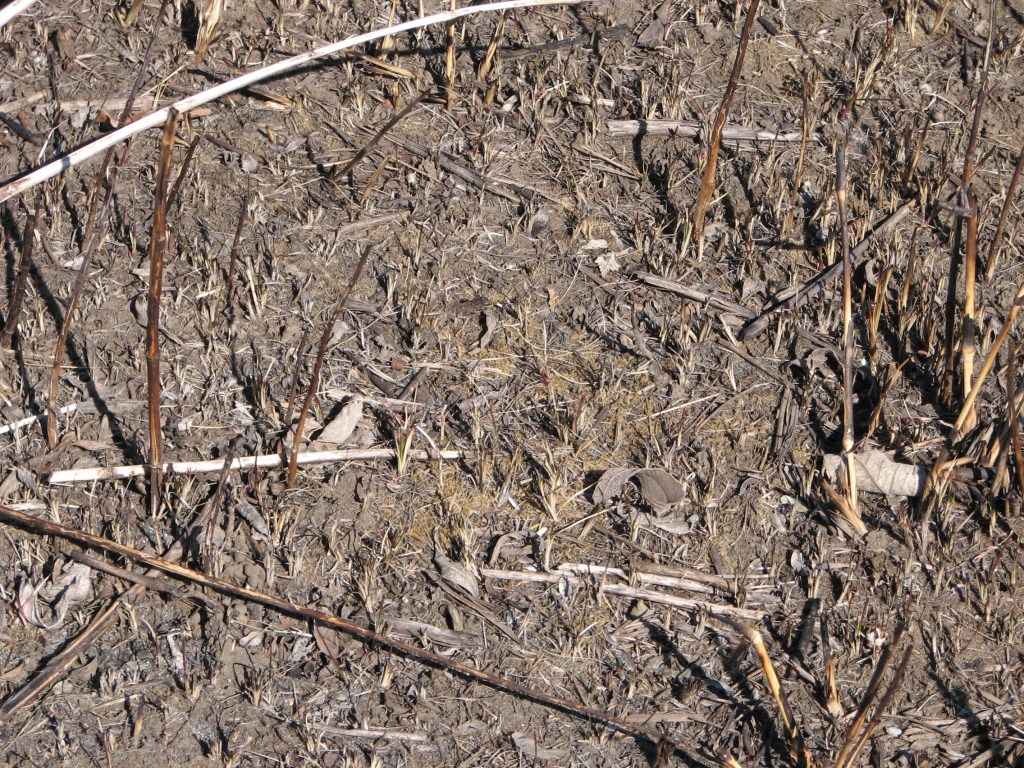
22. Decomissioned trail up south facing slope of kame. I included this image so people could see the shallow soil depth and soil crust.
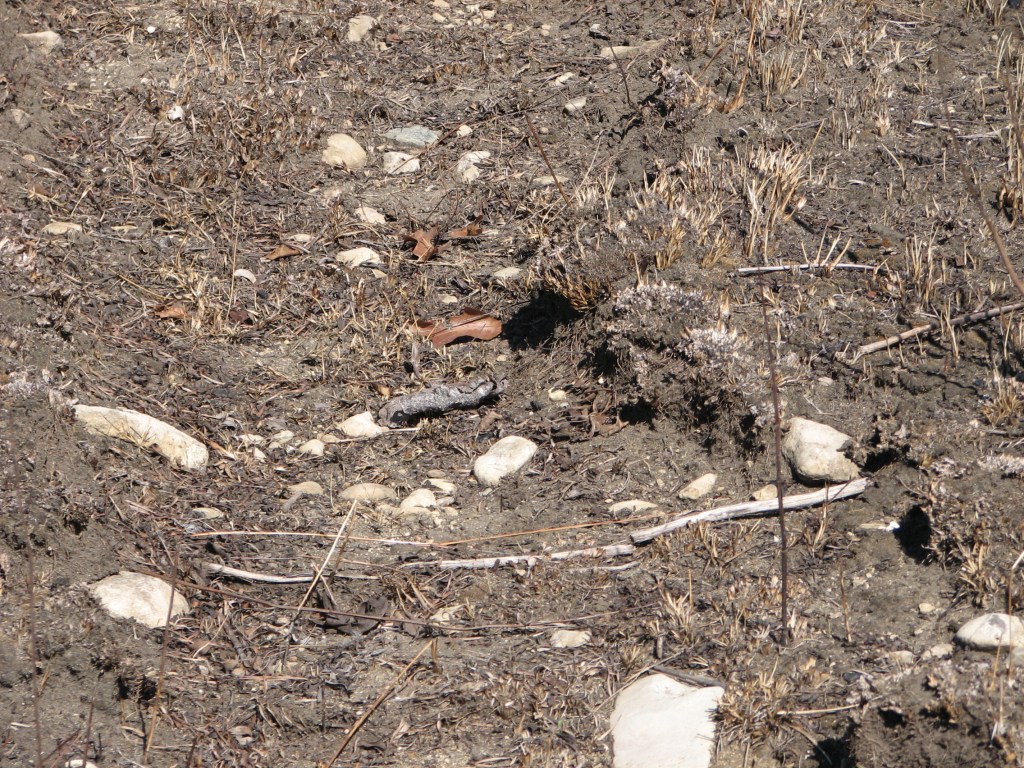
23. Wider view of above image.
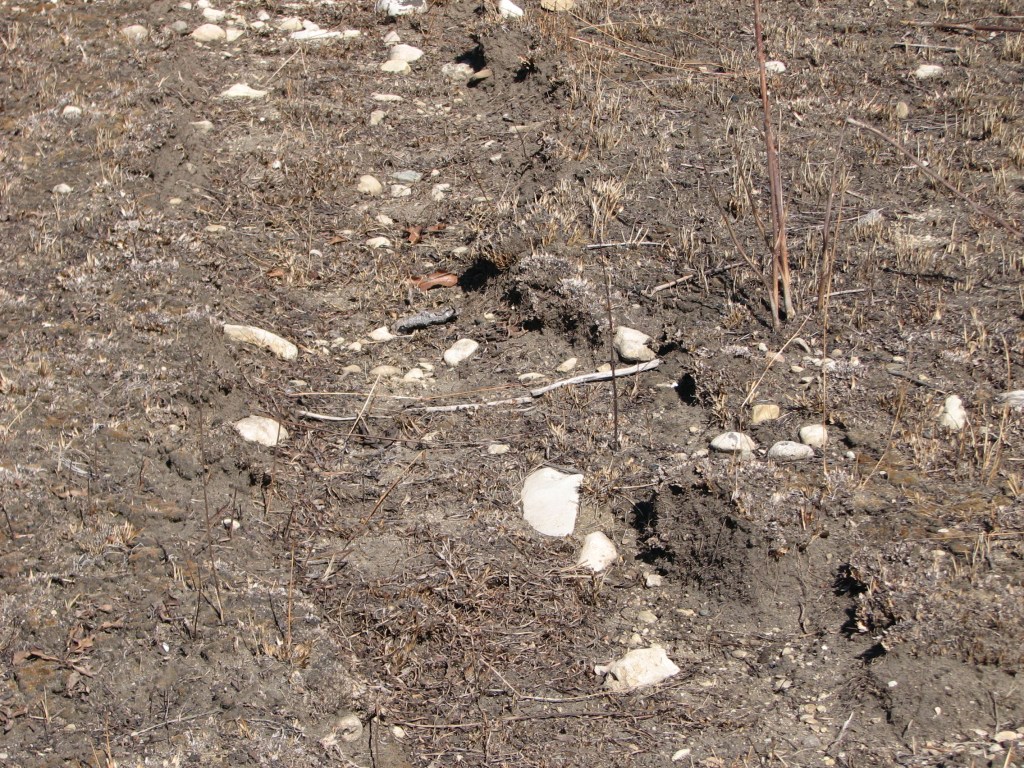
24. Widest view of the above image.
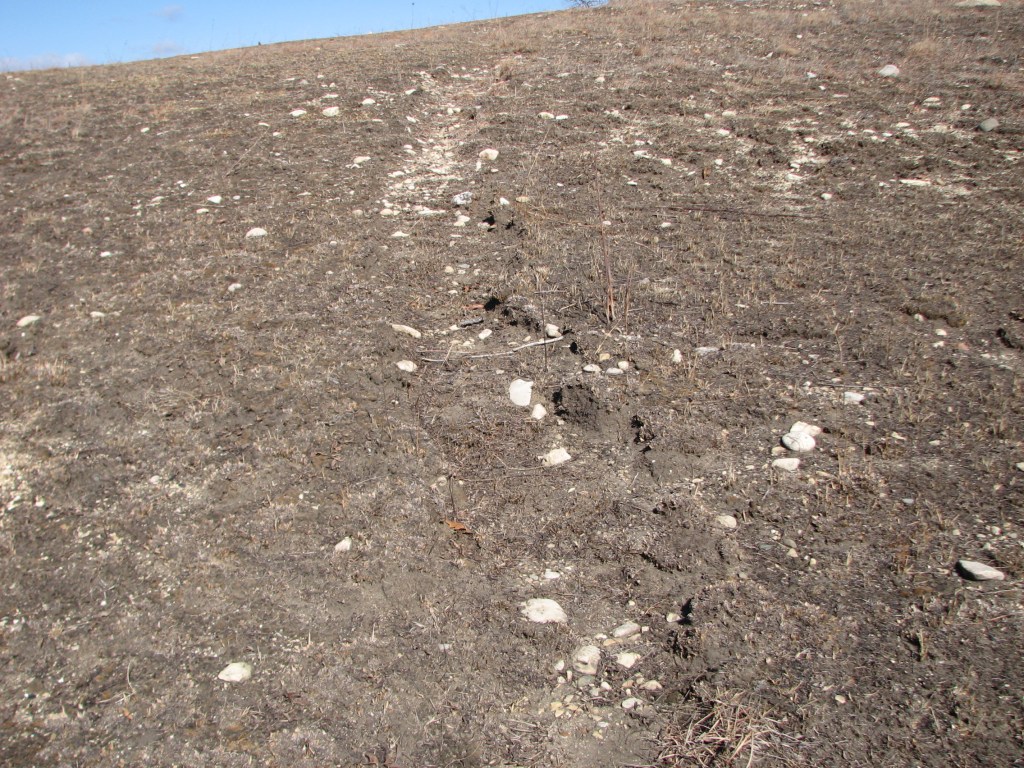
25. Wide view of soil crust nearing the top of the kame on the south facing slope.
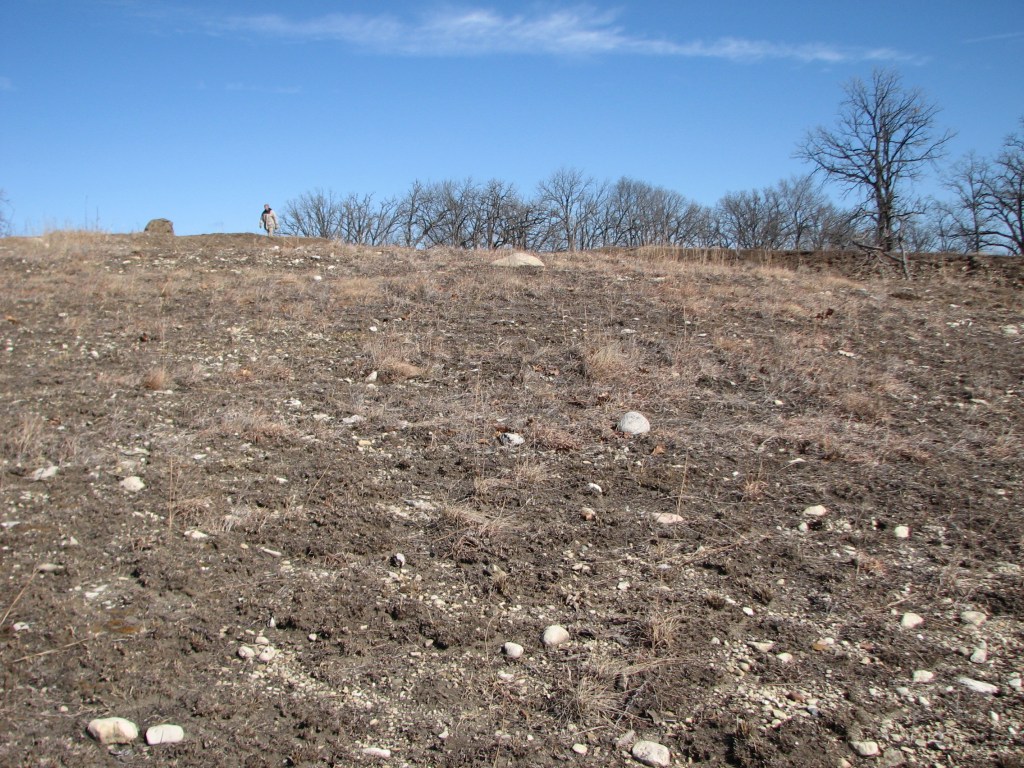
26. At first I thought this might be an interesting soil crust. However, I think it is dung fungus.
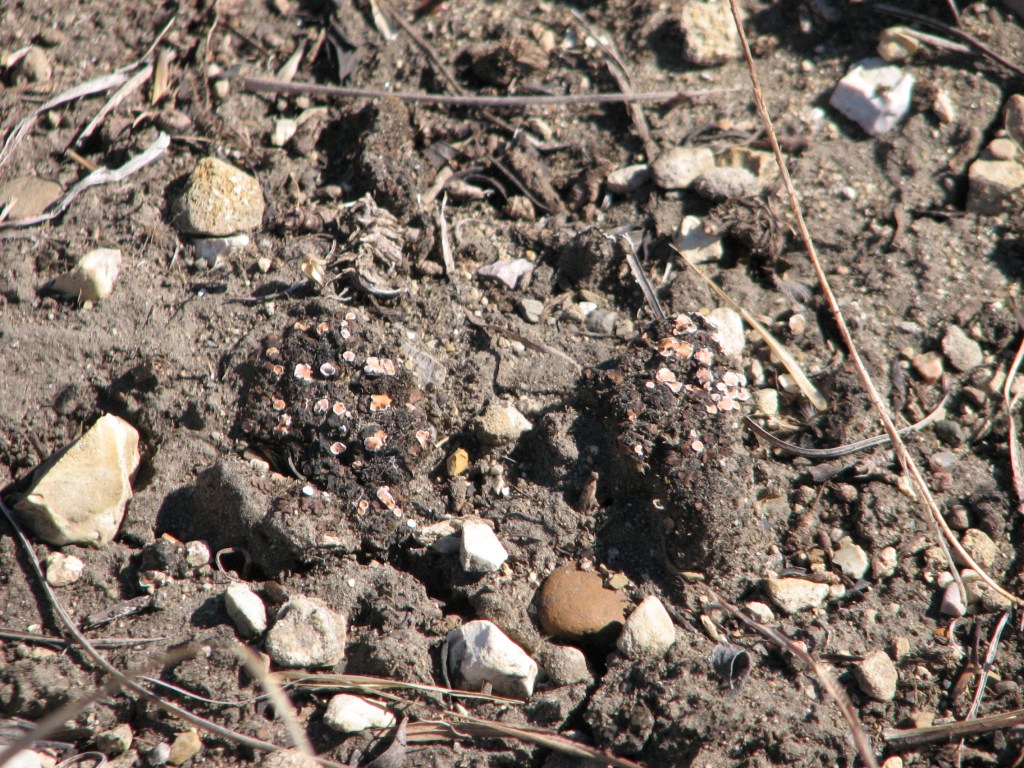
27. View of a west facing slope.
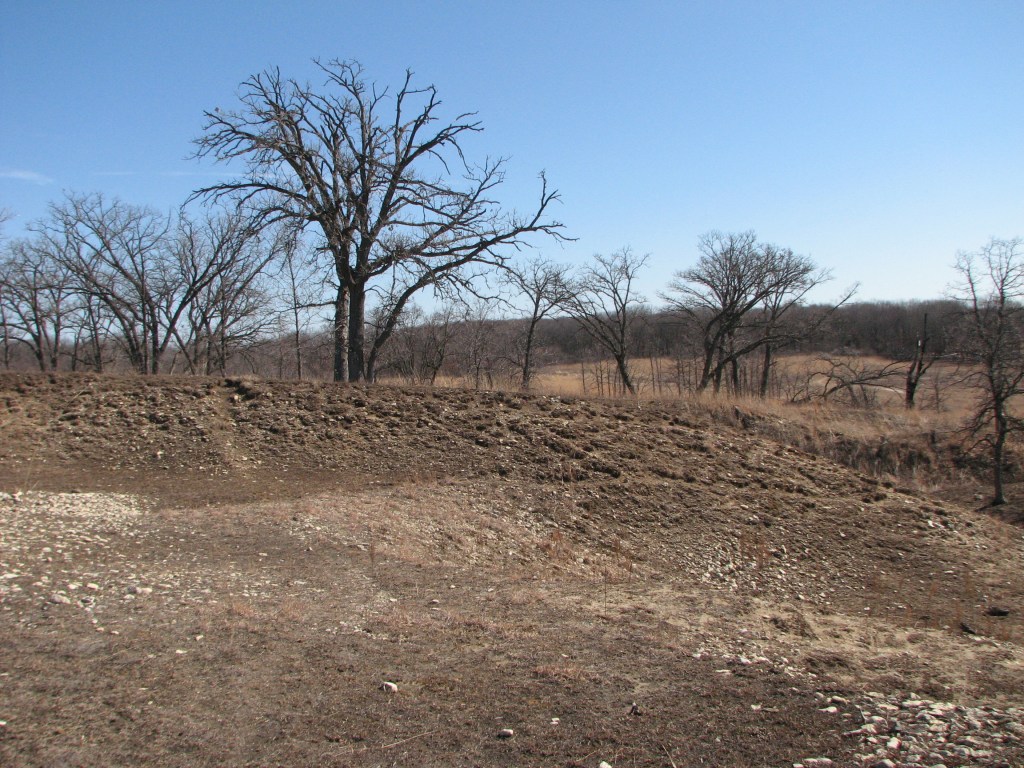
28. Closer view of the above west facing slope. There are no bryophytes or soil crust. Only burned off clumps of grass.
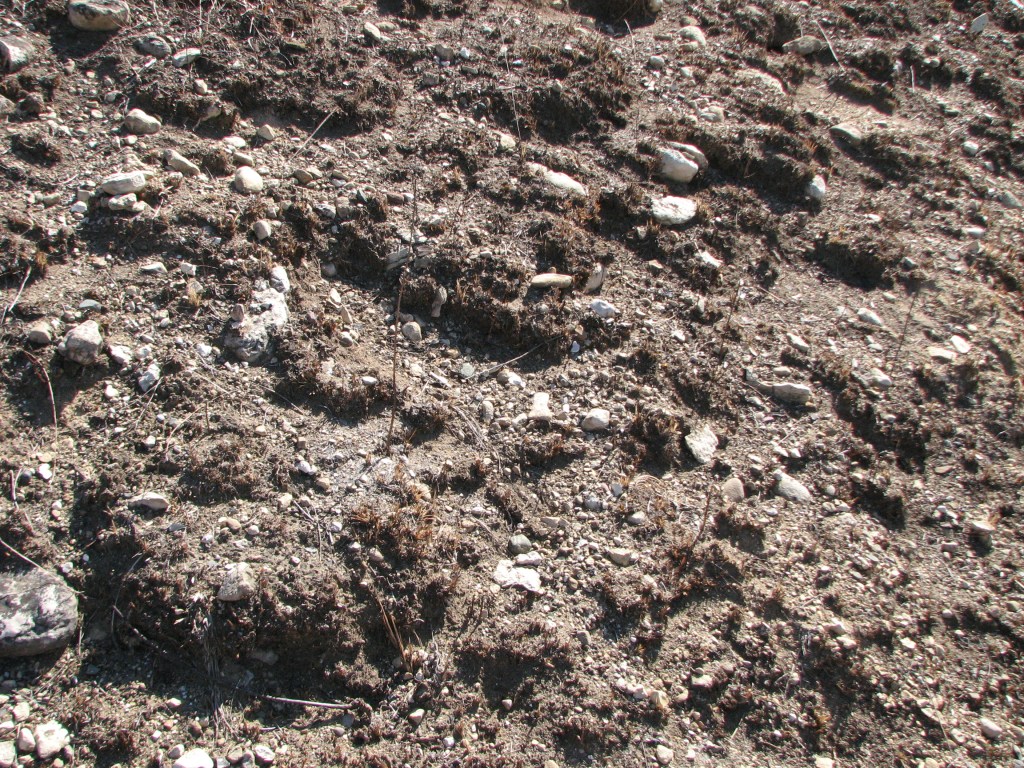
29. Northeastern facing slope just over the top of the kame. This slope is full of bryophytes and soil crust organisms.
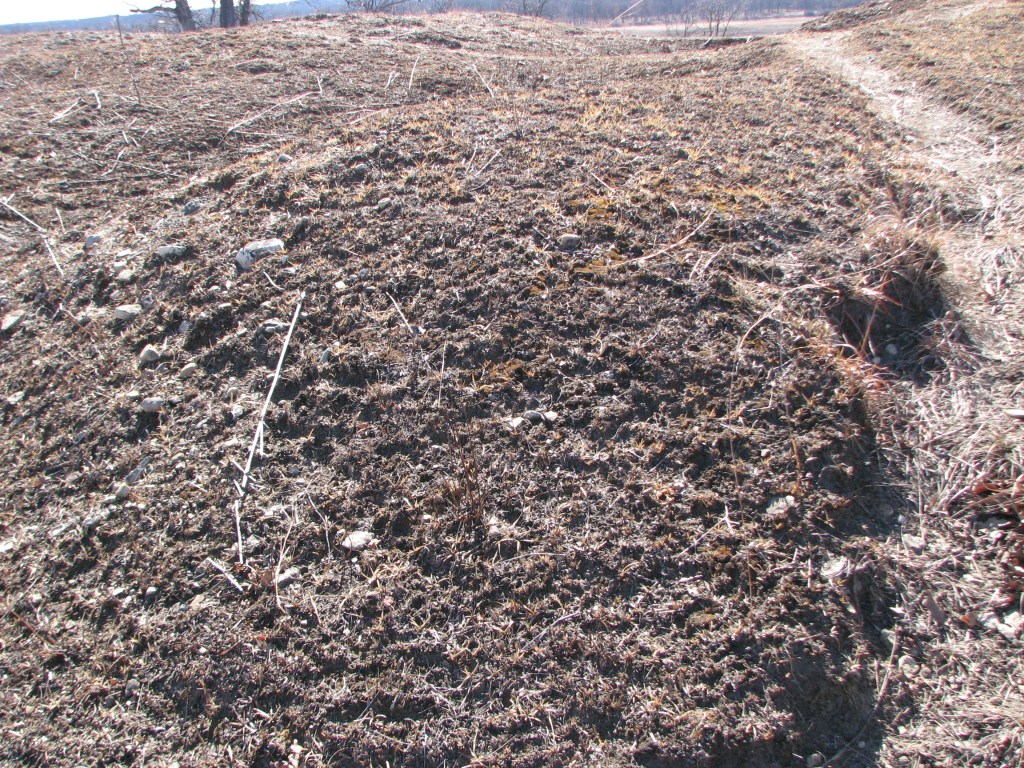
30. View of trail showing thin soil. Vegetation on either side of the trail still grows thick enough that fire eliminates soil crust organisms.
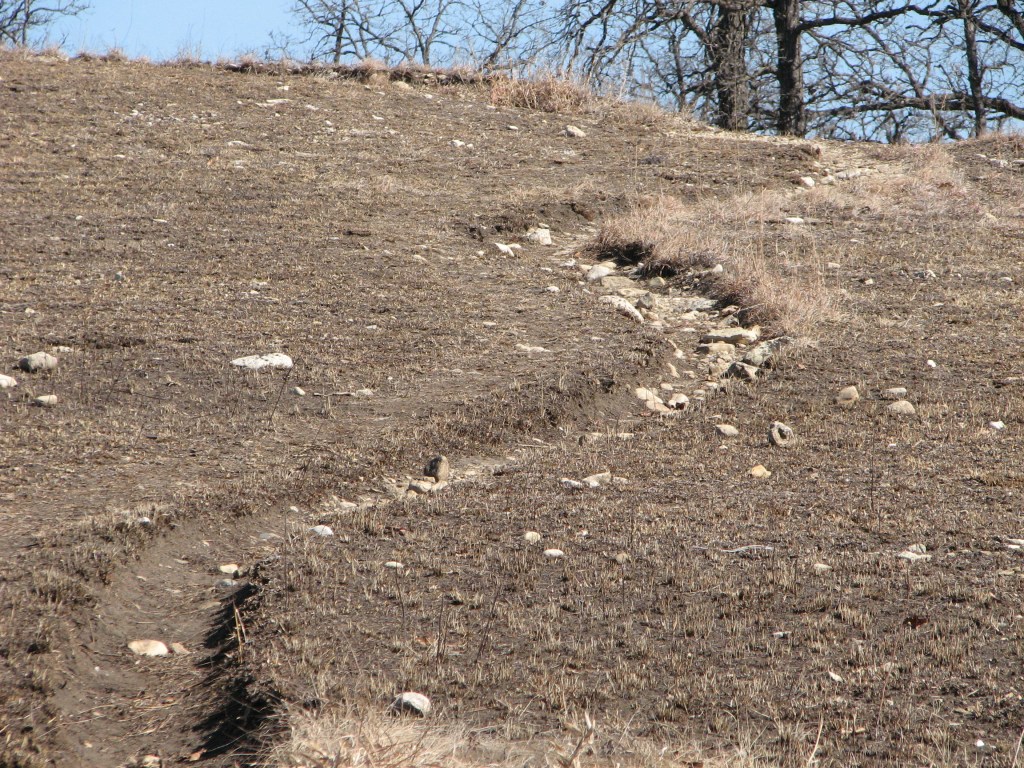
31. Wider view of above image.
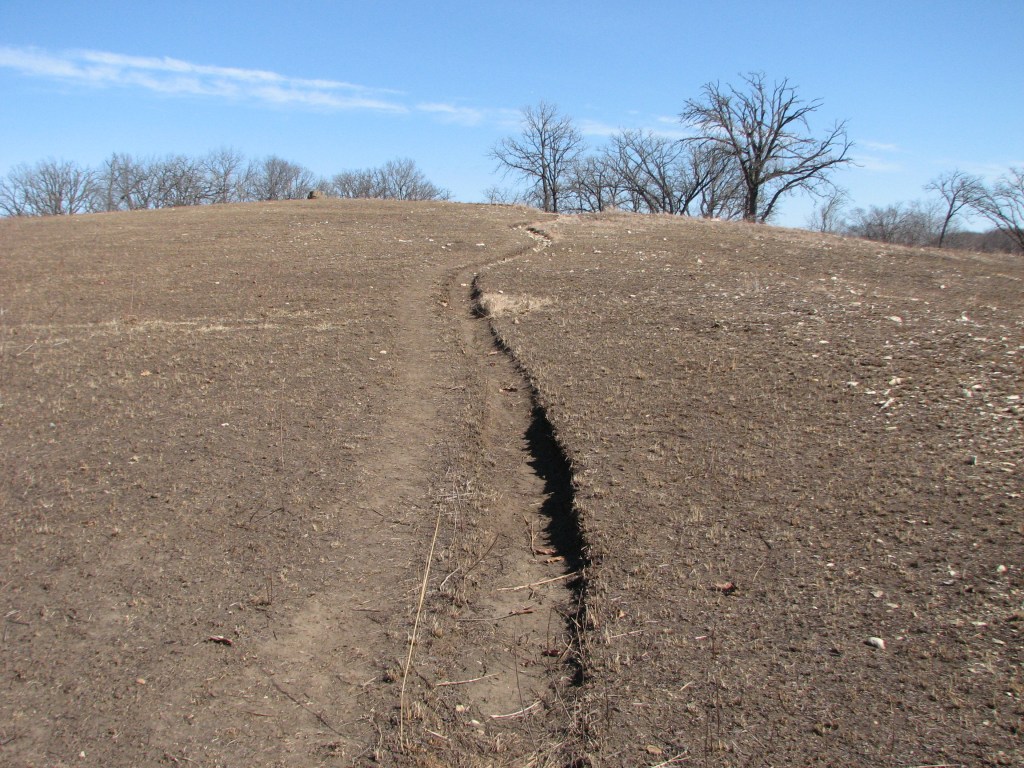
32. Bryophytes on north facing slope.
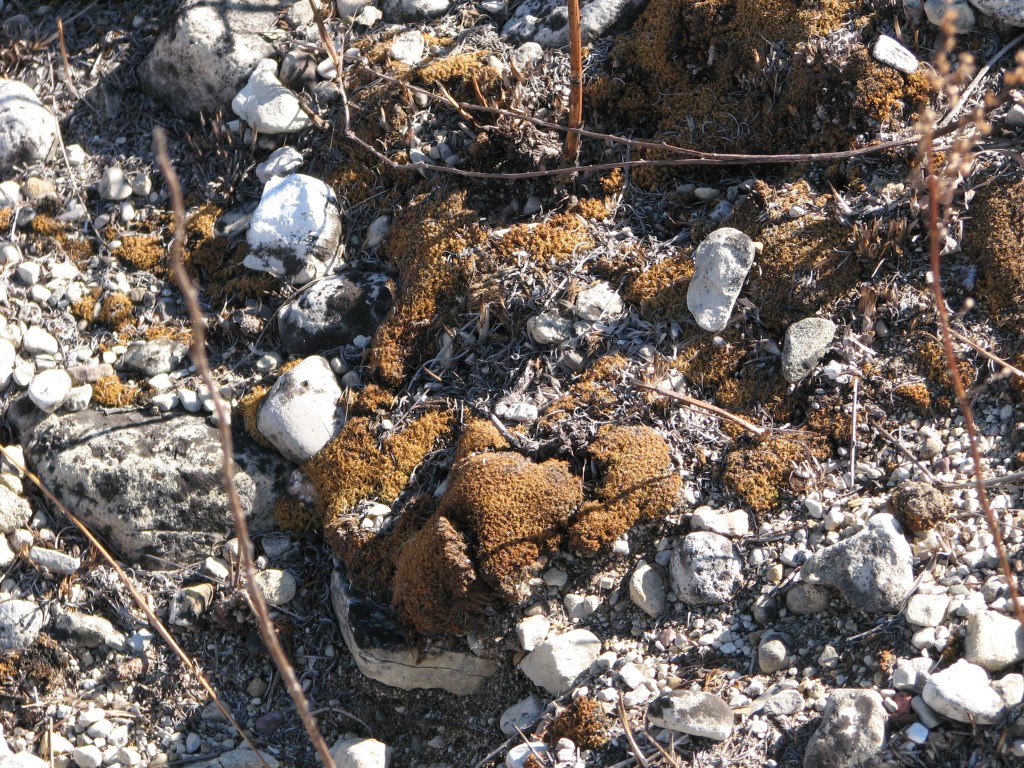
33. Wider view of above image.
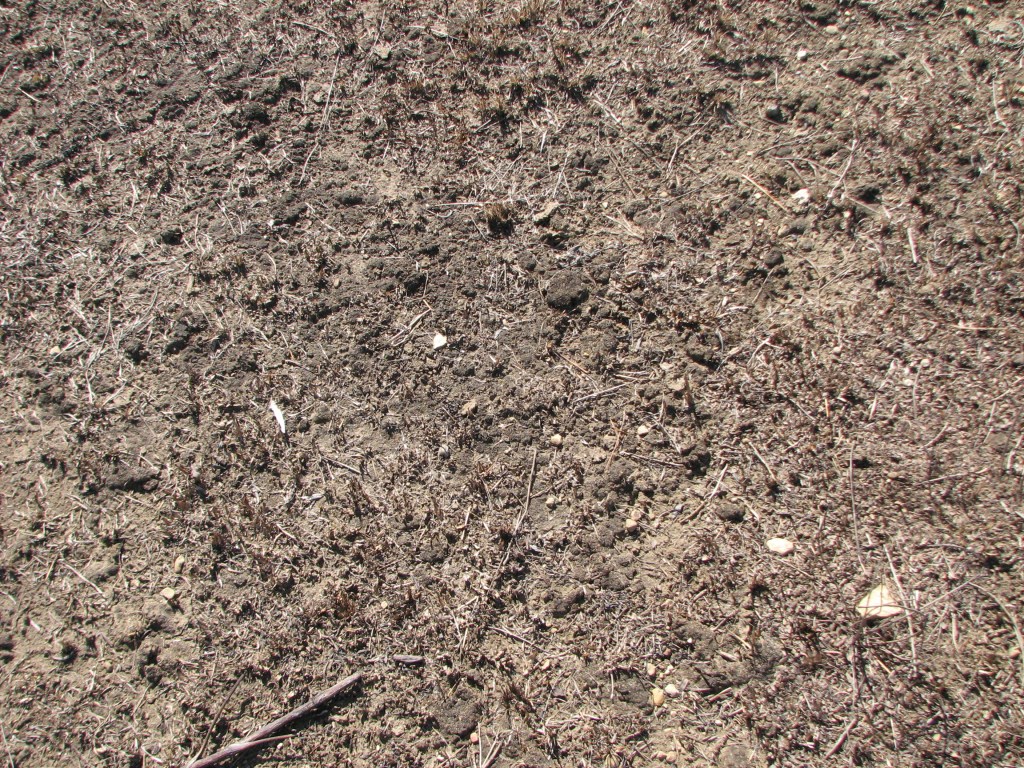
34. Soil crust
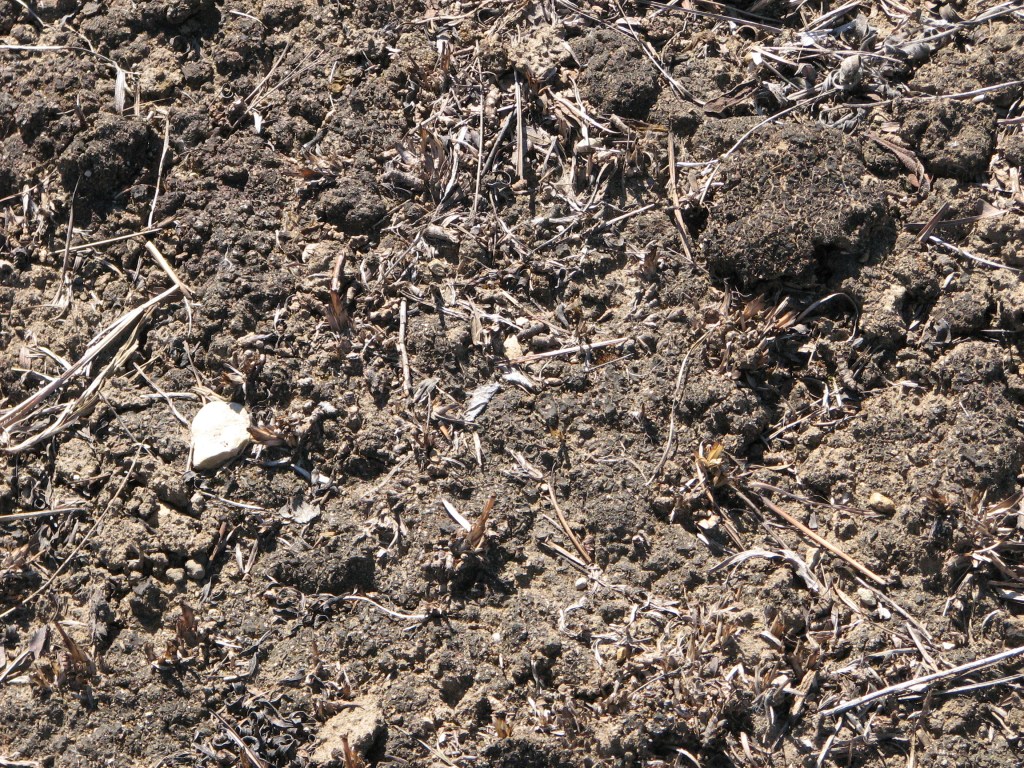
35. Closer view of above.
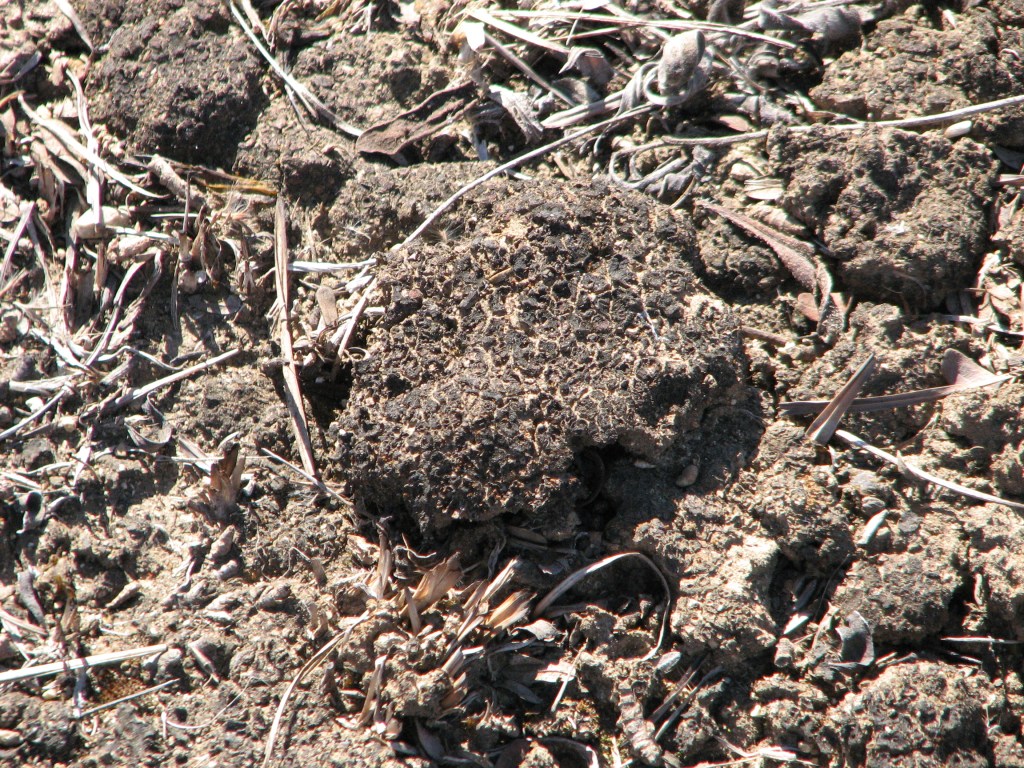
36. Closest view
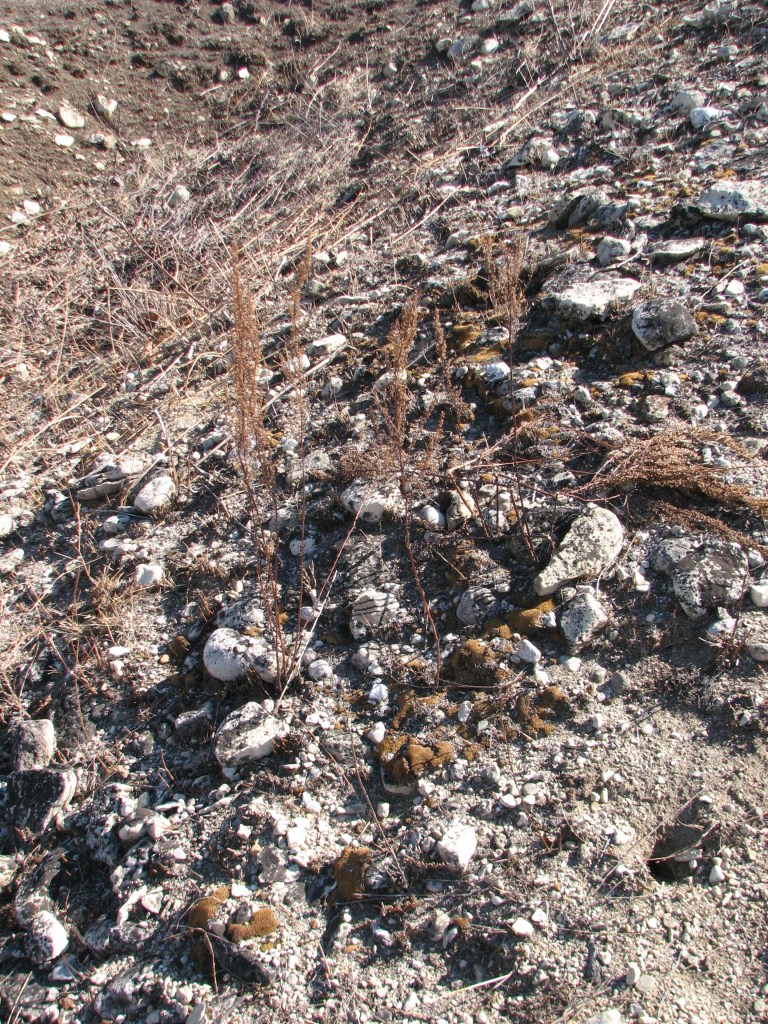
37. West facing slope with thin soil
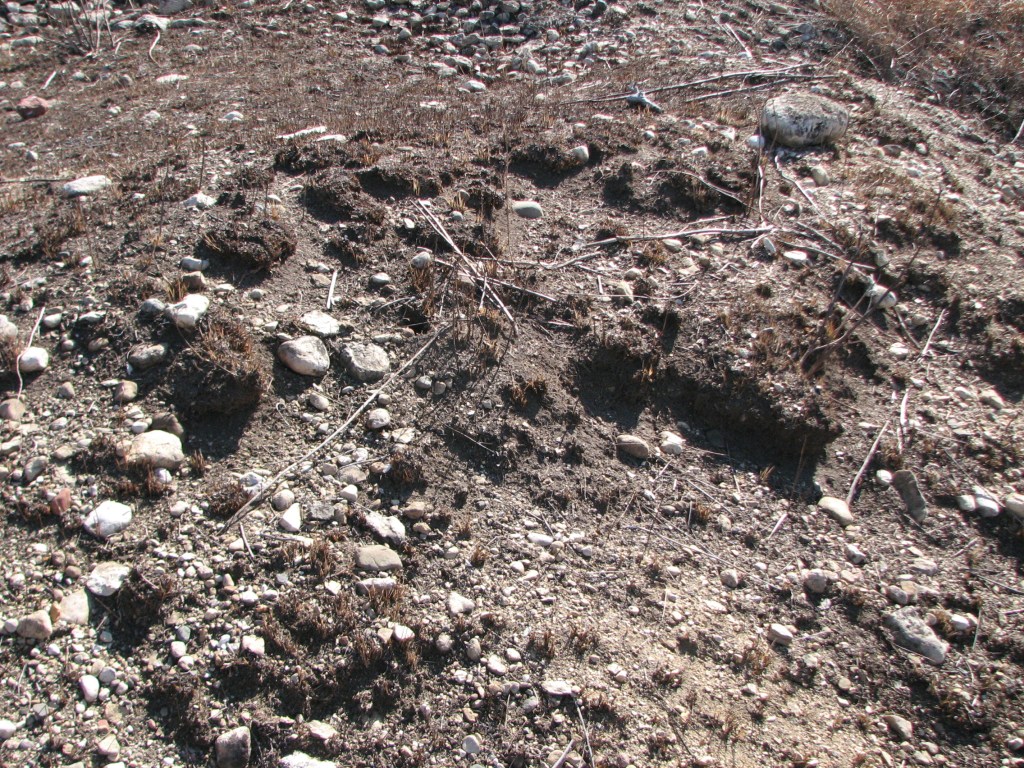
38. Another angle of the above slope
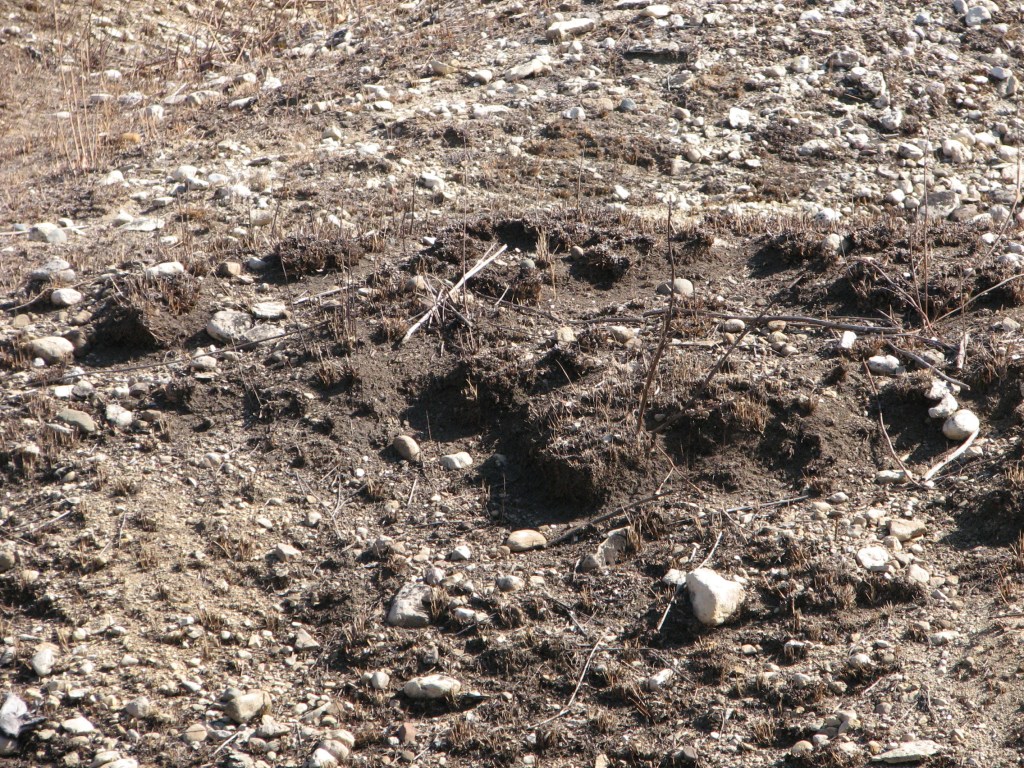
39. Widest view of above
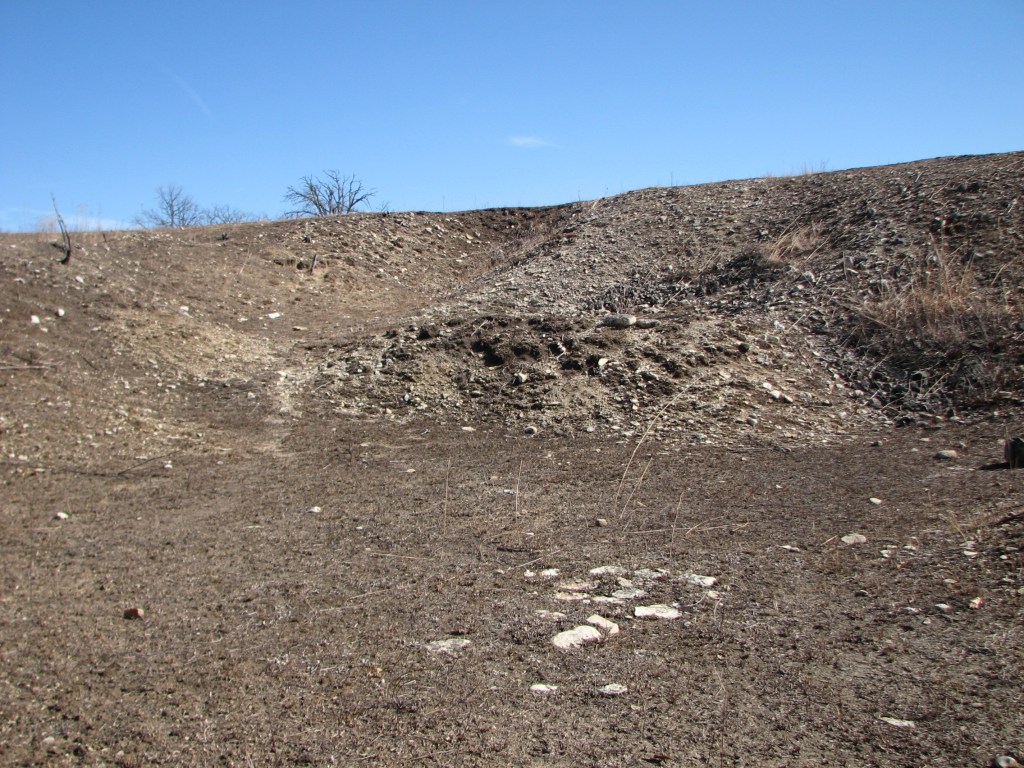
40. Moss growing on north facing slope of kame
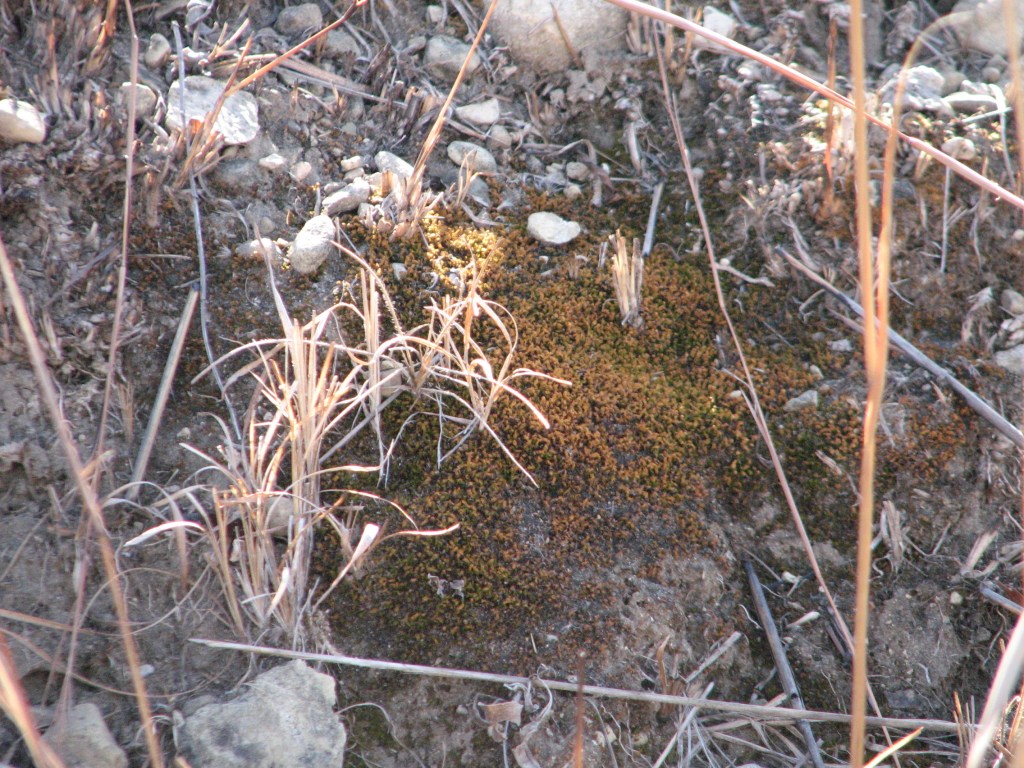
41. Wider view of moss growing on north facing slope of kame.
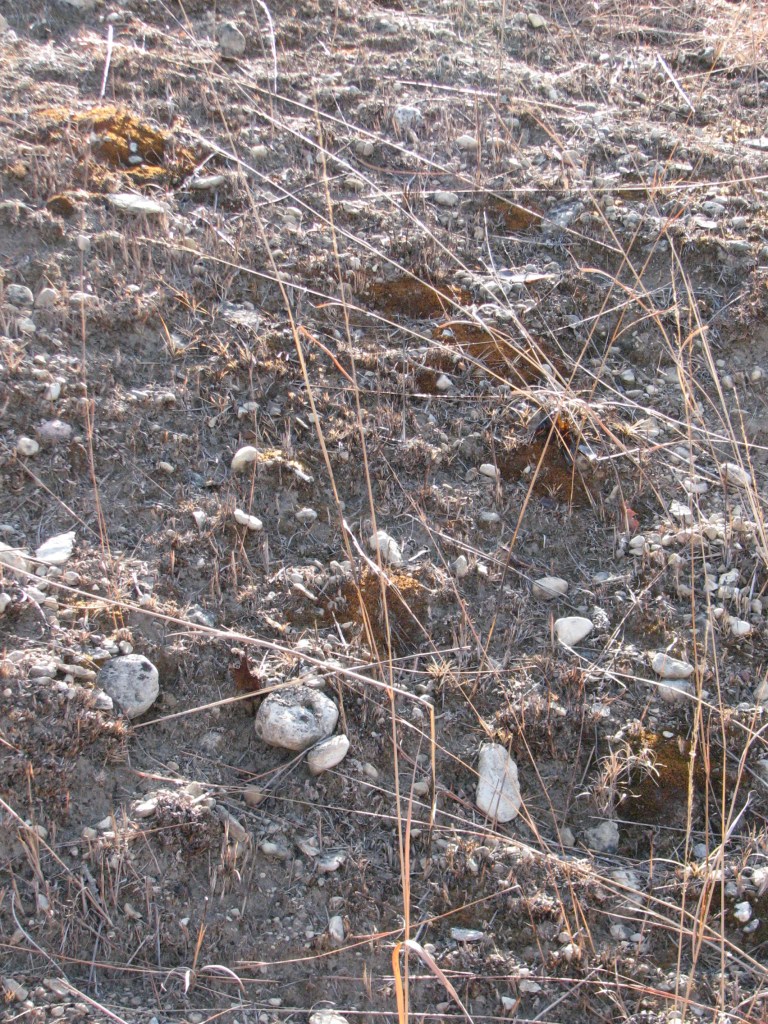
42. Soil crust northwest of nature preserve
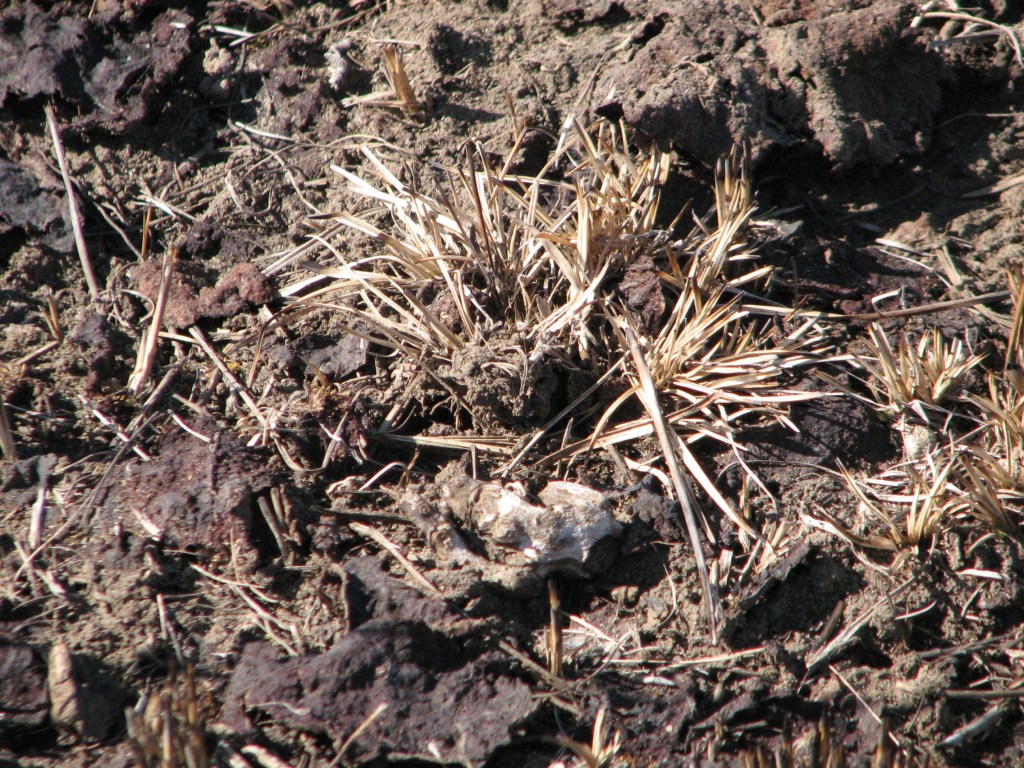
43. Wider view
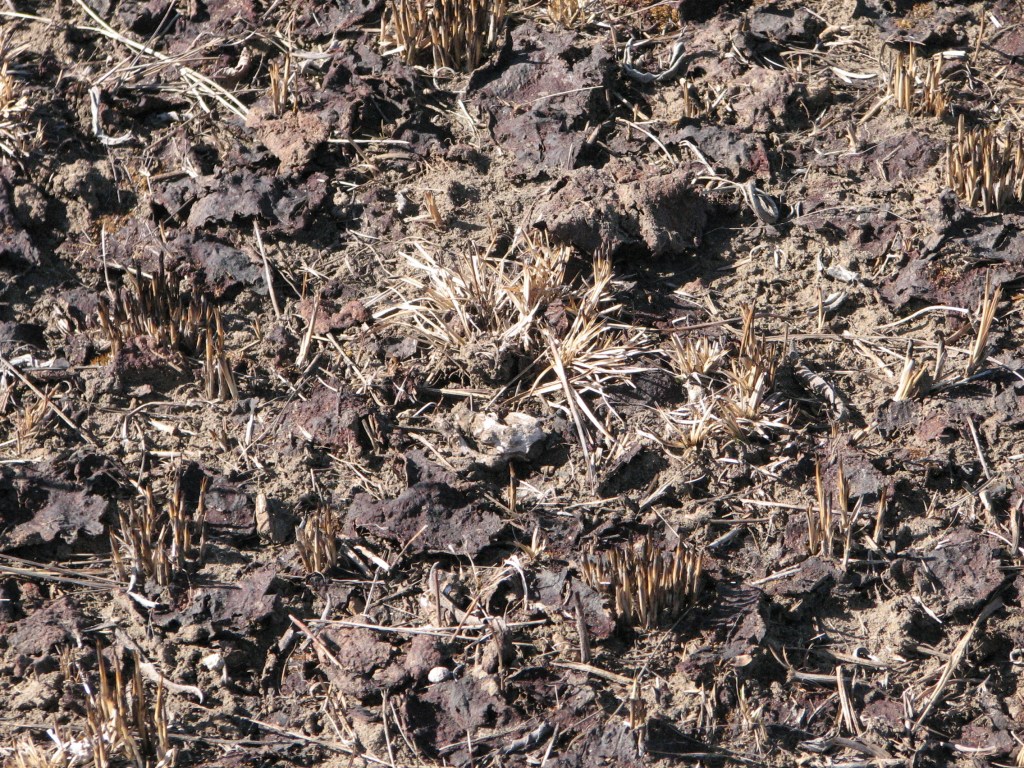
44. Widest view
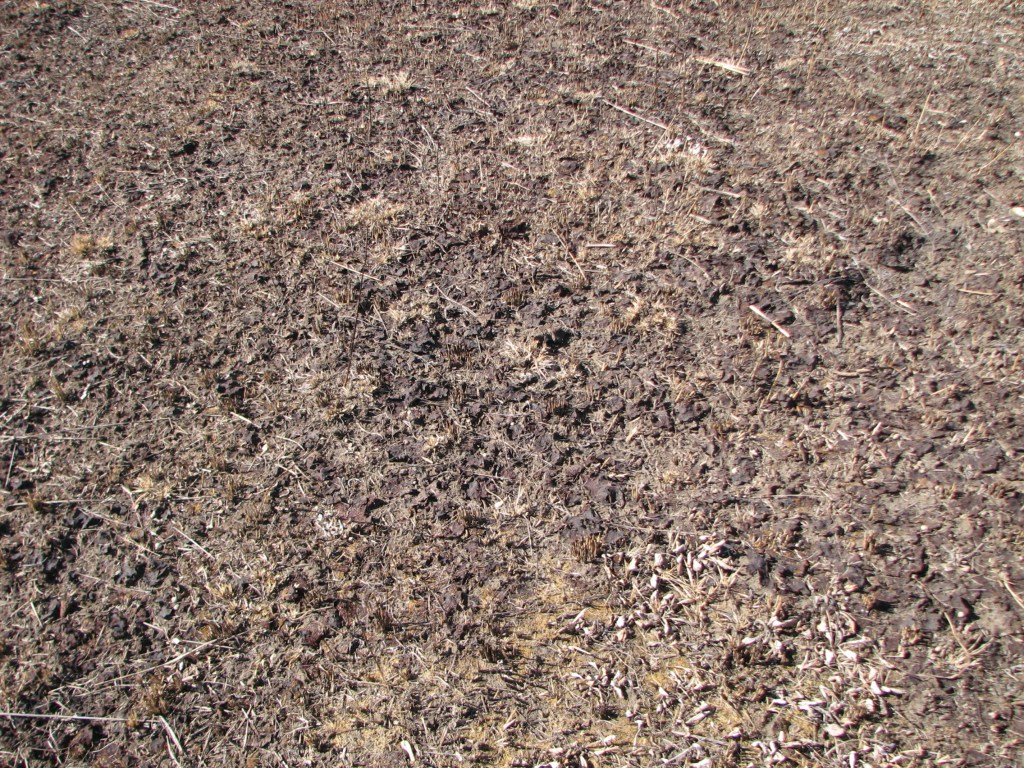
45. Moss in the prairie reconstruction area. This area is more level. The soil will stay moist longer than the south facing slope. This may help moss grow back after fire.
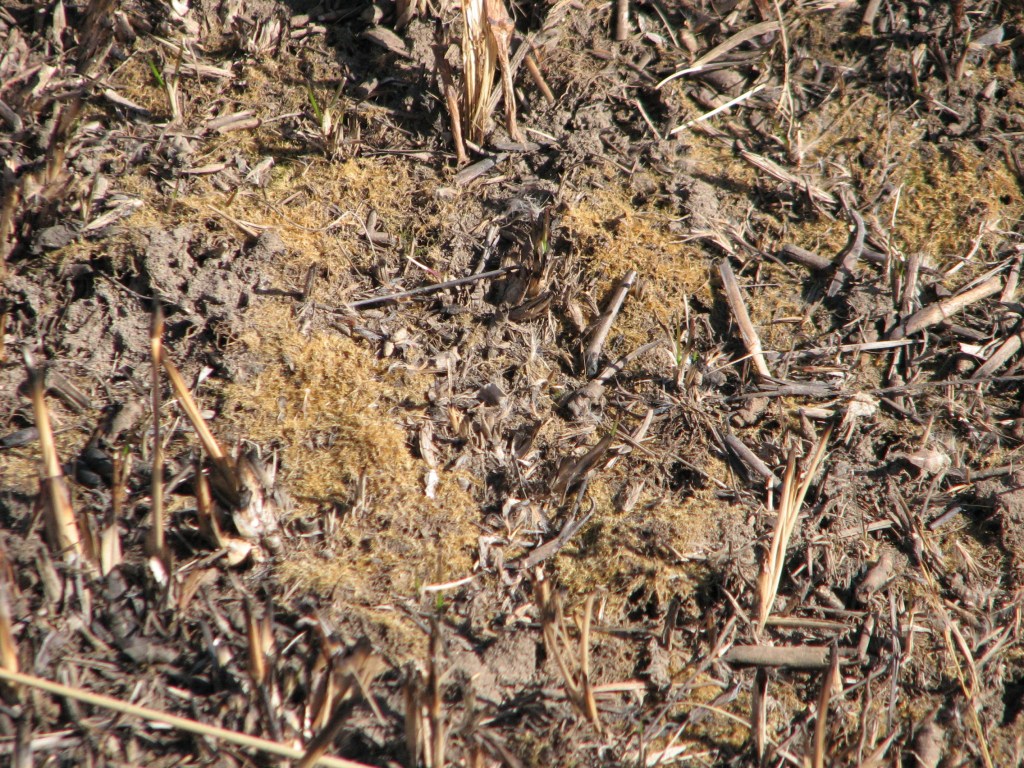
46. Wider view
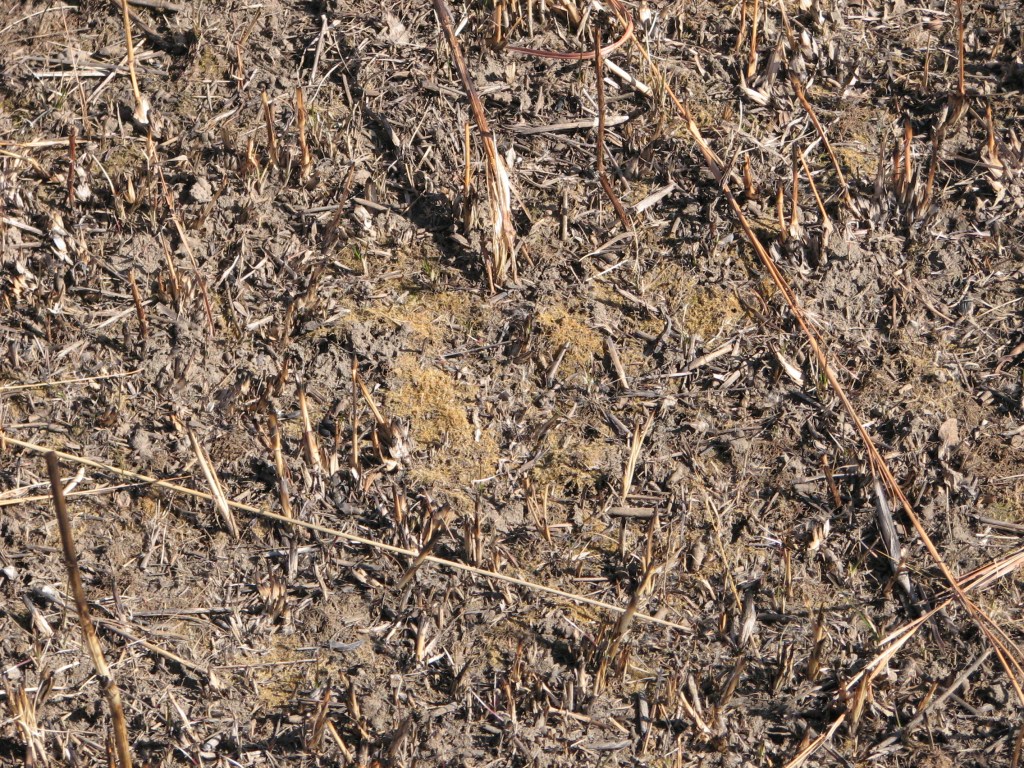
47. Even wider view
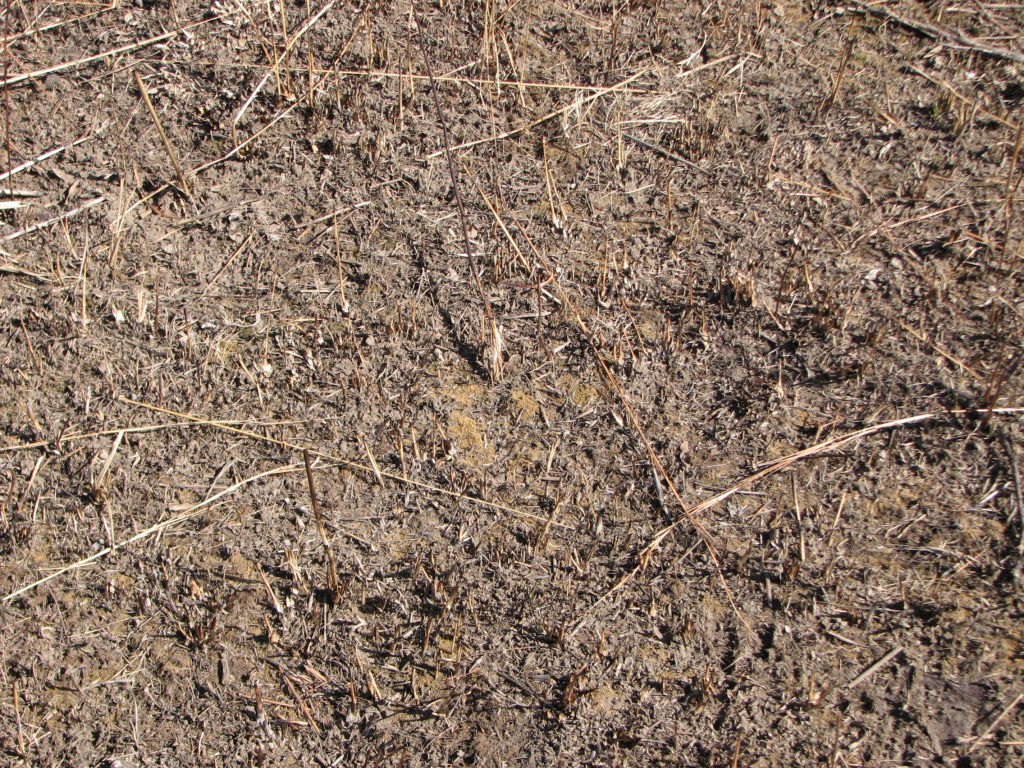
48. Widest view
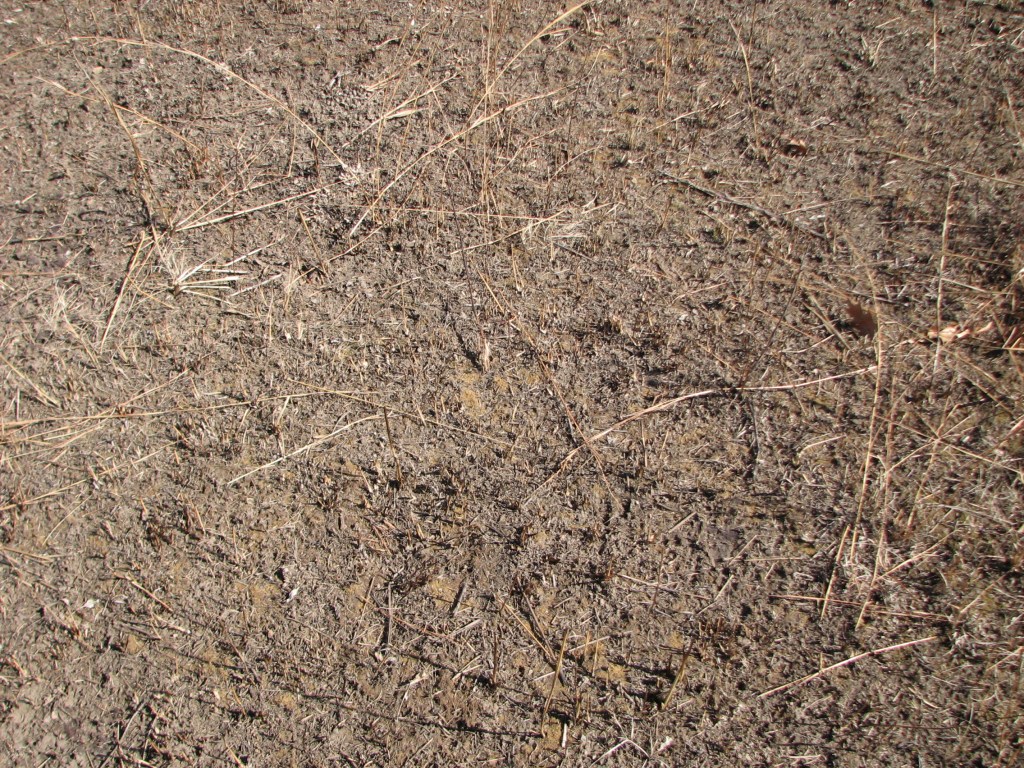
49. Bird’s-foot Violet after a spring fire. I originally took this image to document impacts to bird’s-foot violet when fire occurred in spring versus fall. I am included this and the next image because it shows the soil crust in detail. This and the next image were taken in the area shown in image 25.
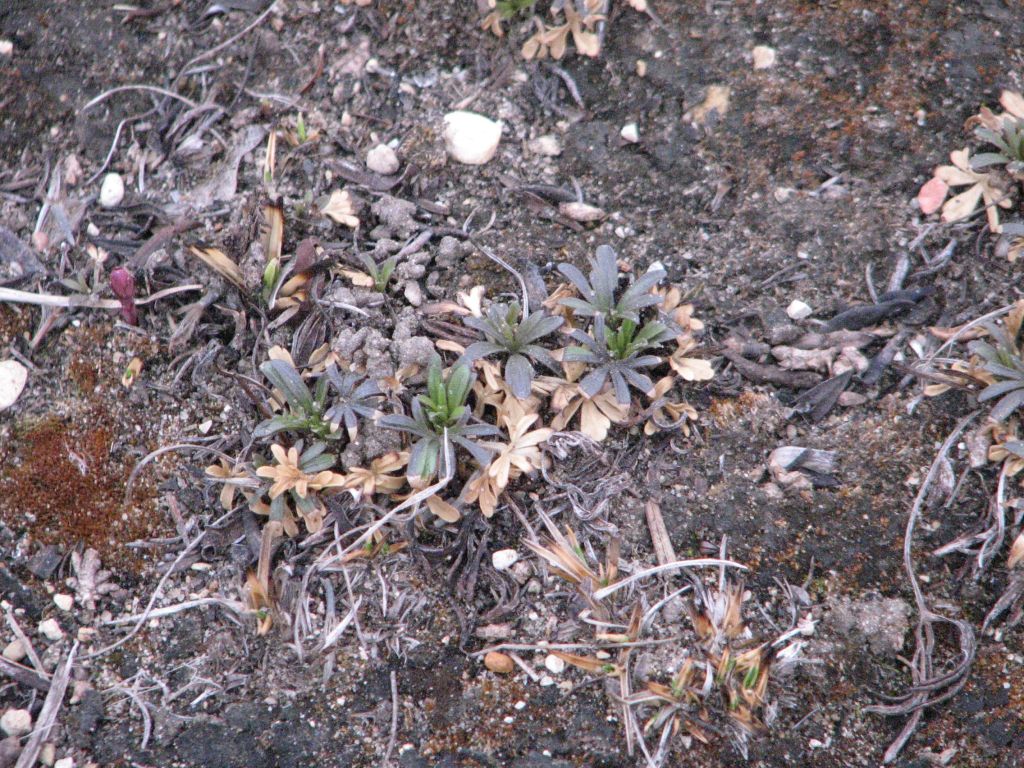
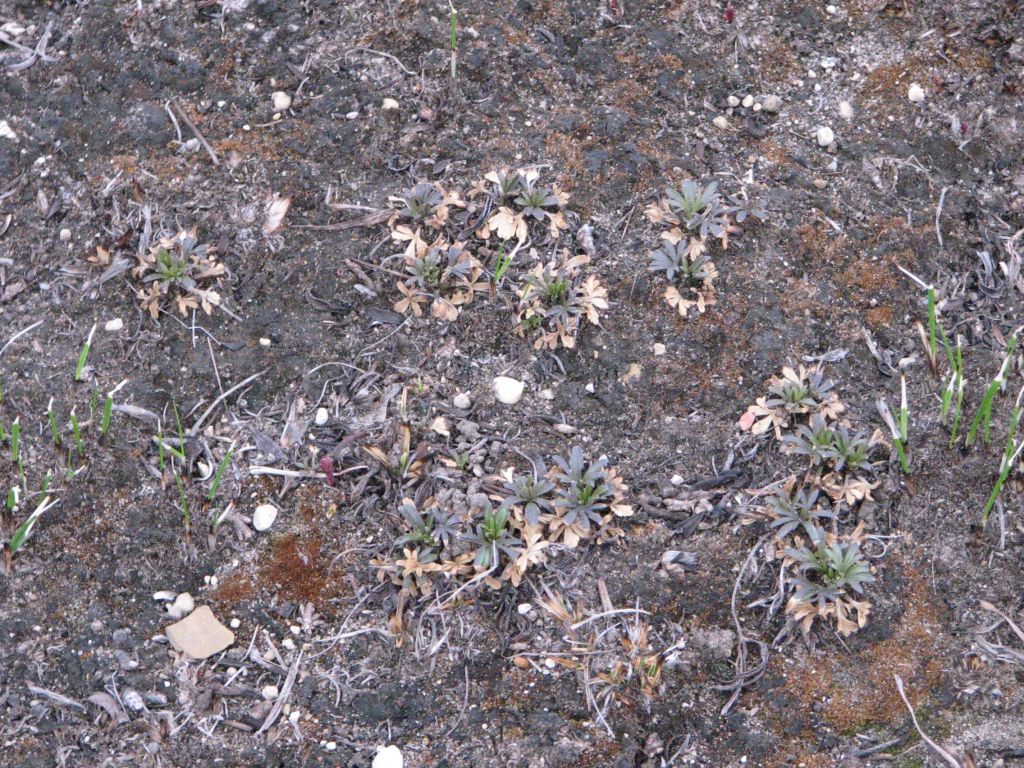
50. Wider view of above scene
Another blog post on impacts of fire on soil crust.
 Stewardship Chronicles
Leave a comment