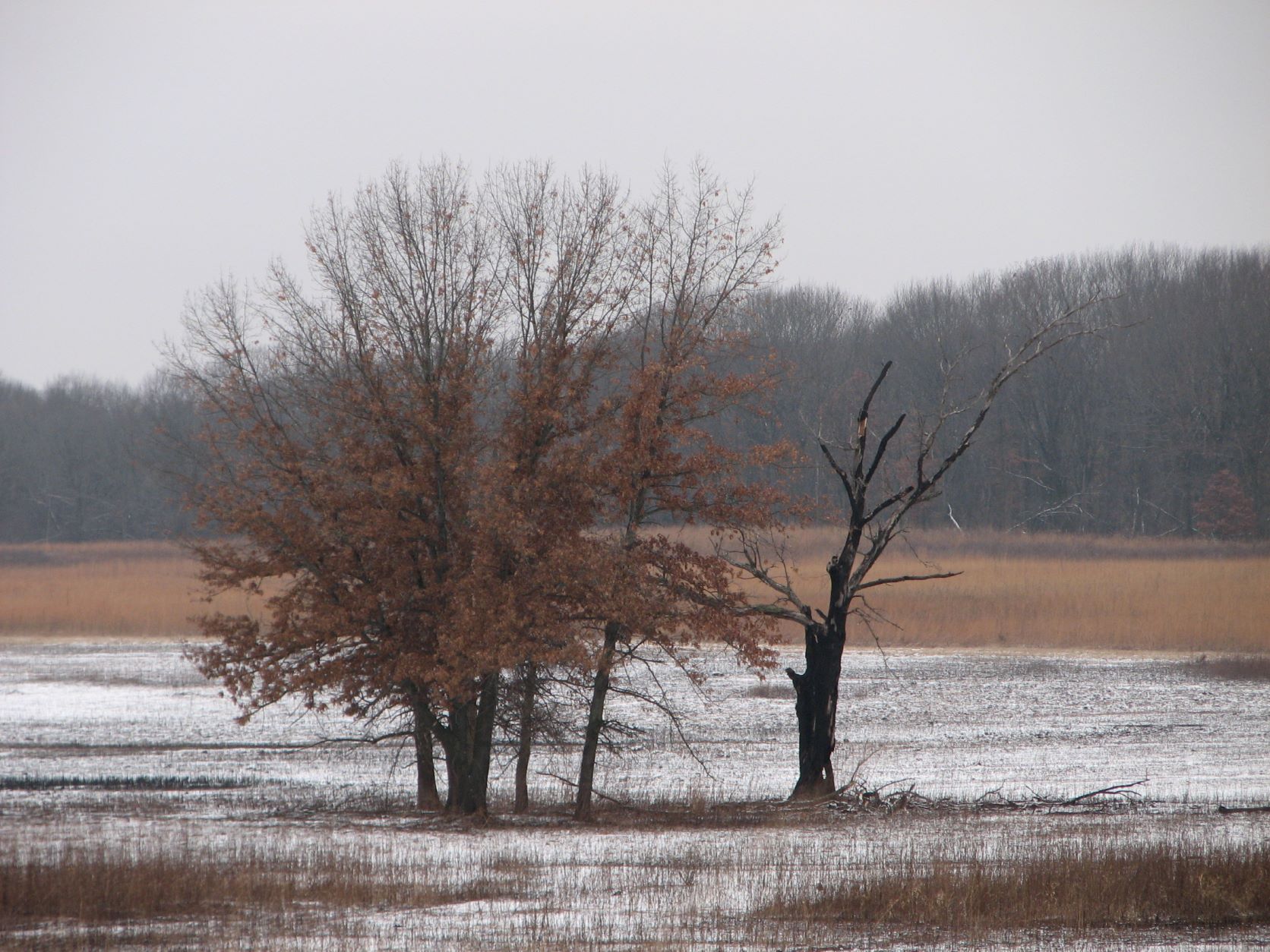
“We can’t solve problems by using the same kind of thinking we used when we created them.” Albert Einstein
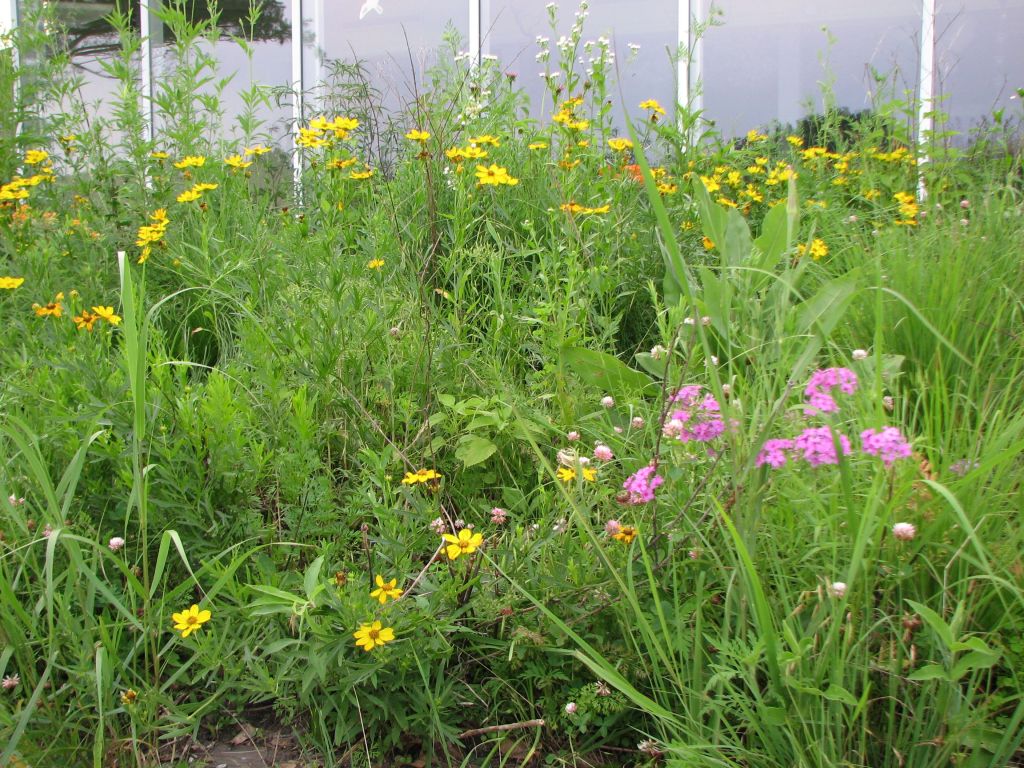
This is the garden at a nature sanctuary on June 28th, 2018.

Another view of the garden on June 28th, 2018.
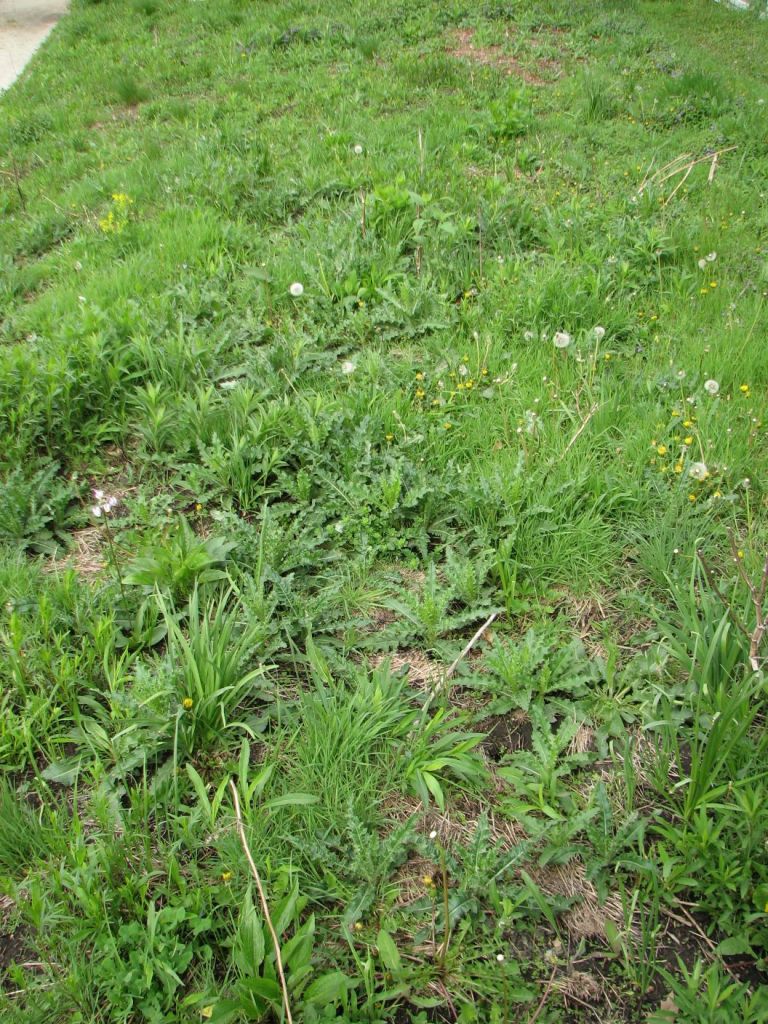
This is the garden on April 28th, the year before the above pictures were taken. Every year, this Nature Sanctuary has volunteer workdays where people come to plant native plants and feel good about helping nature. Often these events are for corporate donors. The few staff are then unable to maintain the areas that had been planted. I knew if the weeds were not removed until the prairie plants had become established then many prairie plants would be crowded out. I knew something had to be done, so I volunteered to weed this and other gardens. This garden was right outside the large windows with the grand view and I did not want people to think a native plant garden was a bunch of weeds.

This image shows when I started removing the weeds. There were a lot of weeds. I weeded this garden for five years.
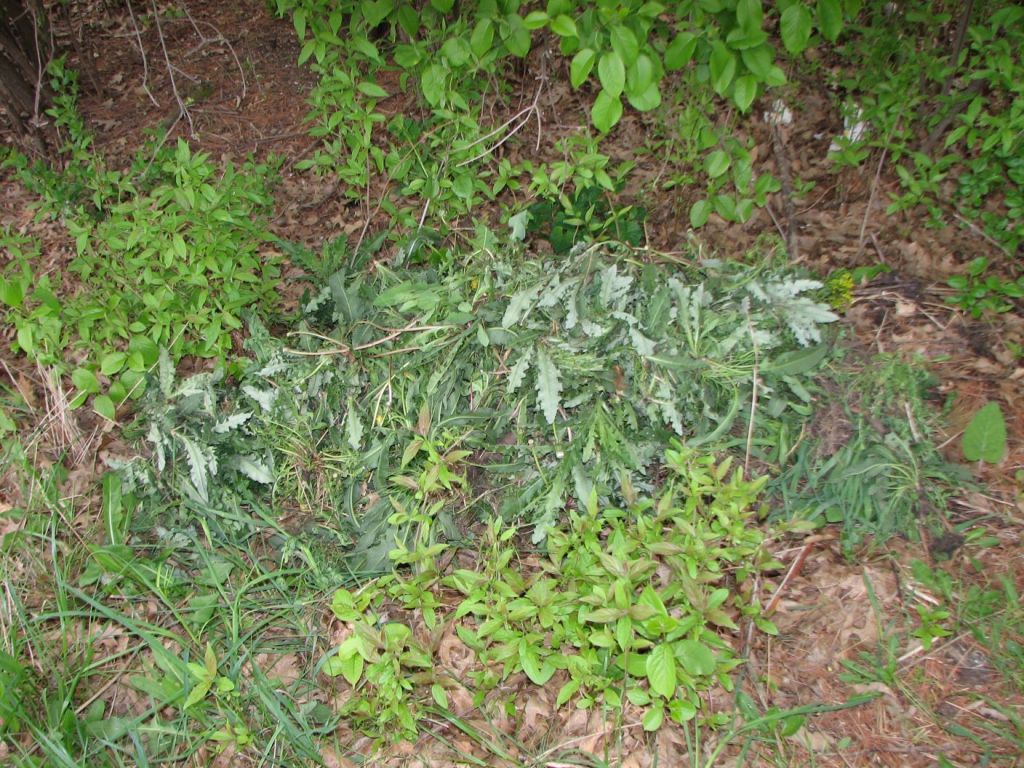
Here is one of the piles from a few hours of weeding.

This is the garden today, May 6th, 2023. It has been sprayed with herbicide.
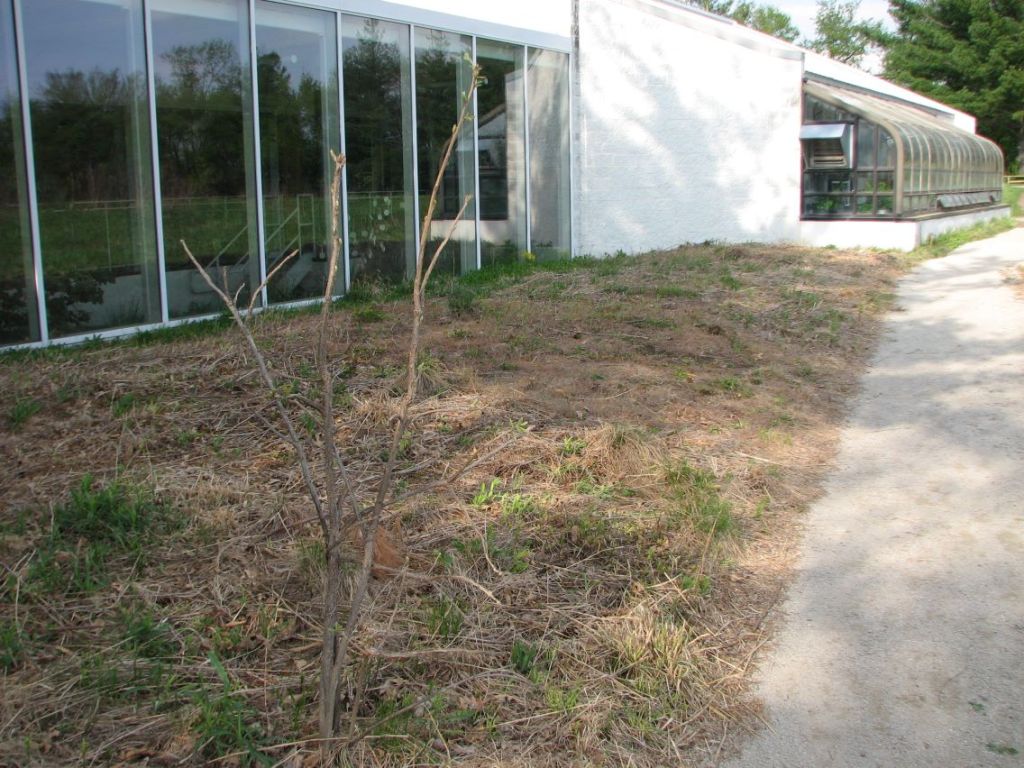
View of the garden from the corner.
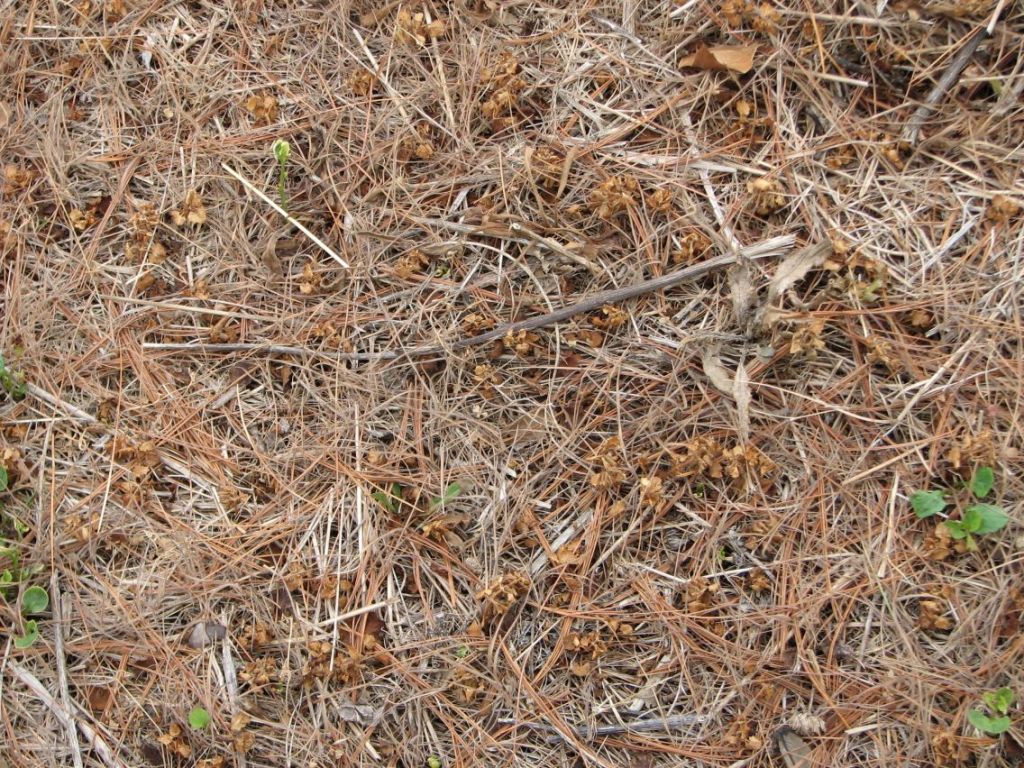
The herbicide spraying killed the invading creeping Charlie. However, heat from prescribed burning would also have done this without killing native plants. Creeping Charlie will again creep into this garden from the edges. That is what it does.

The spraying will kill the native plants. However, it won’t do much to the bindweed.

This is an invasive field thistle that has been sprayed. Is this good? No, because the field thistle will grow back in the same spot next year. The herbicide has eliminated the competition from the decade old native plants, favoring the field thistle. Last year, the field thistles in this garden were hand-wicked with herbicide. As you can see, the field thistles are back. Instead of realizing herbicide is not working to control the thistles, the entire garden was sprayed. When something is not working, doing even more of it is usually not going to work better.

The reason I know field thistle will not be killed by this spraying is I have personally applied glyphosate to field thistle at my home in every imaginable combination. I have cut the thistle and applied various concentrations of herbicide, up to concentrate (41 percent active ingredient), to cut stems. I have hand-wicked herbicide in concentrations up to the maximum suggested. The herbicide kills the top of the field thistle for that season, but as you can see in the above image, the field thistle is back the next year. Even with my careful application of herbicide, a patch of my lawn grass was killed.
Anyone who has walked down the edge of a Roundup (TM) Ready soybean field has seen that field thistle grows all along the edges. Sporadic drift of herbicide (varying with wind direction) favors field thistle, burdock, mugwort, and annual/biennial weeds.

This image shows a spot of invasive cool season grass that they missed spraying. Yes, the garden was initially full of cheat grass. It also had lawn grasses toward the back where little had been planted, and where I put no effort into removing lawn grasses. However, the too sparsely planted native species were holding their own. Cheat grass is a shallowly rooted annual that is easily pulled. With burning, the native species would have been favored over the lawn grasses. If native species had been planted more densely, controlling the invasive species would have been easier. Better yet, if topsoil full of invasive species had not been used to make the garden, then much of the weeding would not have been necessary.
I repeatedly asked for mulch and native plants to install so there would be something to fill the gaps and reduce the weeds. Neither mulch, nor native plants, were provided. Mulch was not provided, even though they had such an excess from chipping wood that they spread it on trails.
I also repeatedly asked that this garden be burned. The garden was only burned after I stopped weeding it. I was only finally told native plants would be purchased for this garden last year after they saw the result of my efforts being discontinued.

The white flowers in the above image are non-native Queen Anne’s lace (or wild carrot), a biennial, which has been observed to disappear as prairie reconstructions develop. This is the reason staff did not put effort toward removing it. When I was weeding the garden, I removed it for aesthetic reasons. The above picture was taken on July 27th, 2020, after the garden had been burned during the past dormant season.
Instead of maintaining the garden, or letting the established plants push out the weeds over time, the garden was sprayed with herbicide. They decided it would be cheaper to spray the entire garden with herbicide and replant. I hope this blog post convinces you this was the wrong decision.
After spraying, with the long-lived native species eliminated, the cheat grass, field thistle, creeping Charlie, tall goldenrod, and other weeds will be able to grow throughout the entire garden again unrestrained. Many of the long-lived prairie plants they install will not be able to survive without years of weeding until they are large enough to hold their own against the weeds. I weeded this garden for five years out of benevolence for my city. I will not be doing it again.

This is a compass plant. It will die from the herbicide spraying.

These are herbicide damaged nodding onions. My observation has been they might survive this level of herbicide spraying. They are more resistant, probably because the skin on their leaves is waxy.

Closer view of herbicide damaged nodding onion.
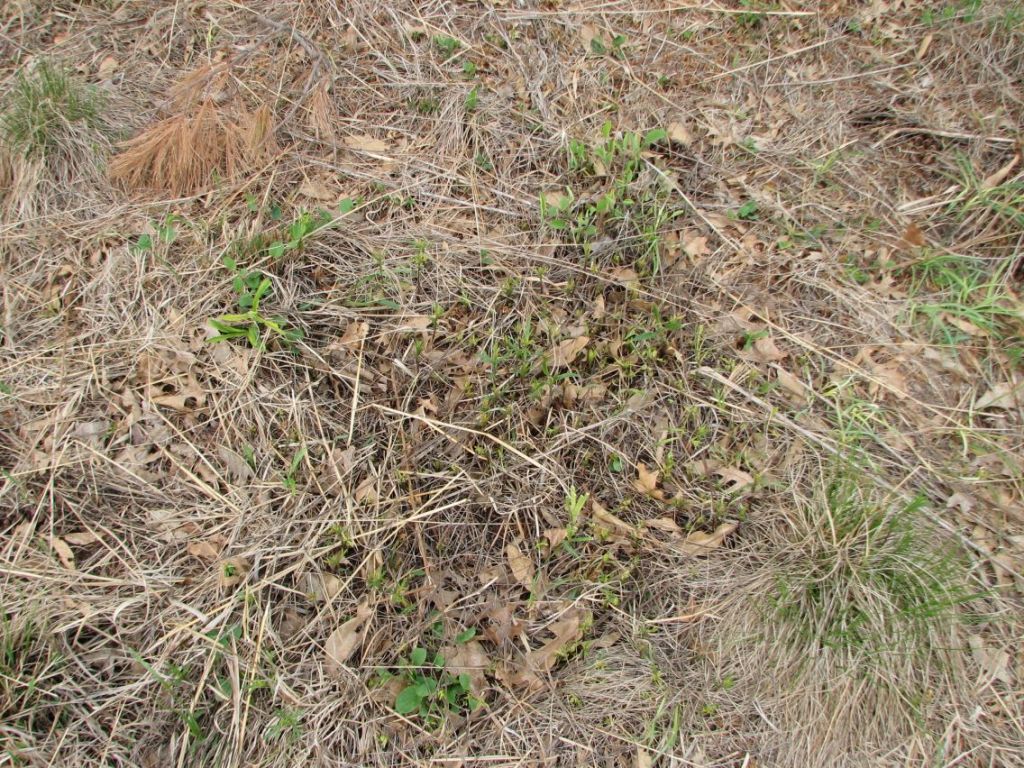
Prairie coreopsis sprayed with herbicide. This is toast.
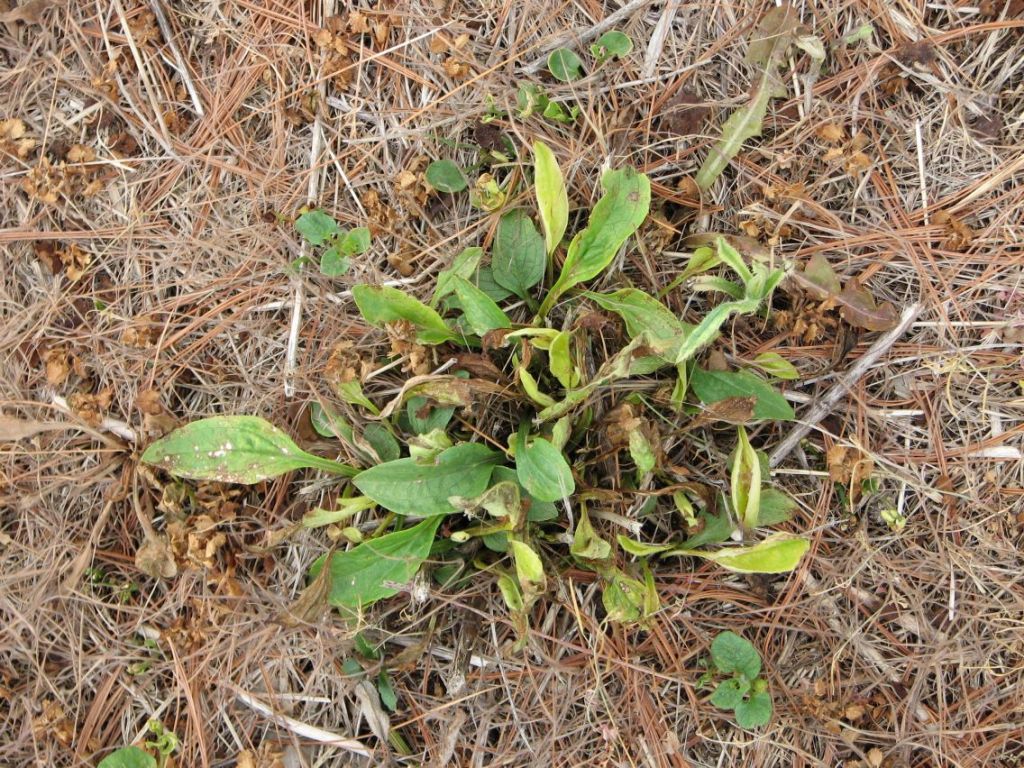
Purple coneflower sprayed with herbicide. It is on its way to a slow death.

Shooting star with herbicide damage.
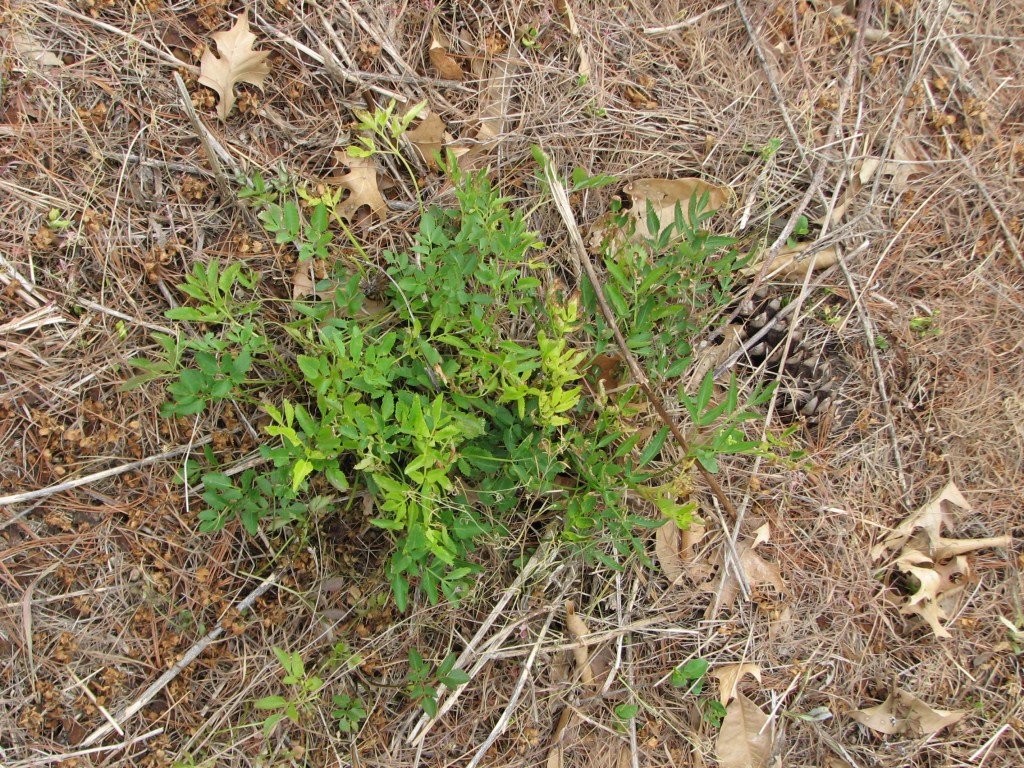
Golden Alexander with herbicide damage.
This is a “Nature Sanctuary.” I volunteered my time over the course of 15 years because nature was supposed to be protected. I stopped weeding these gardens after they destroyed a raised bed garden I had been maintaining, to solely grow milkweeds for raising monarch butterflies. Here is this raised bed garden after the Garden Club dug in some plants without permission. I had personally grown local ecotype hoary puccoon, prairie phlox, violet woodsorrel, prairie blue-eyed grass, and yellow star grass which I planted in this garden.
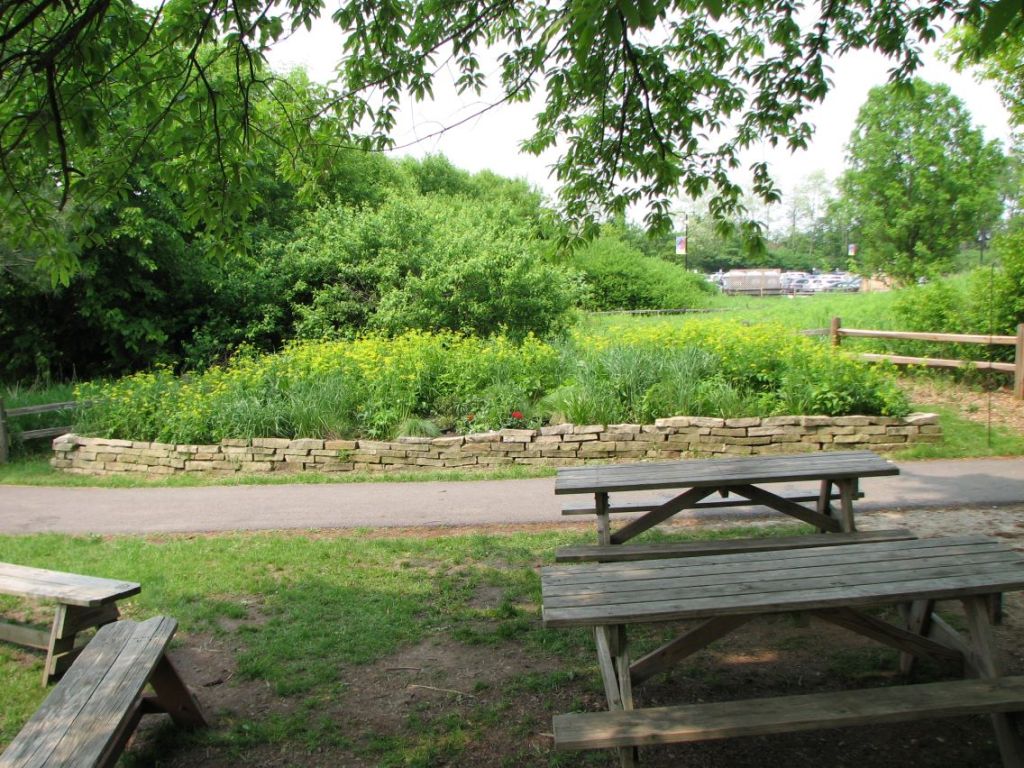
Below is what the raised bed garden looked like after being destroyed (front bed). The Nature Center Staff did not tell me the garden was going to be destroyed or make any effort to save any of the plants. Although to be fair, at the time the pandemic was raging. The staff’s hours had been cut to a skeletal crew, which makes this more understandable.
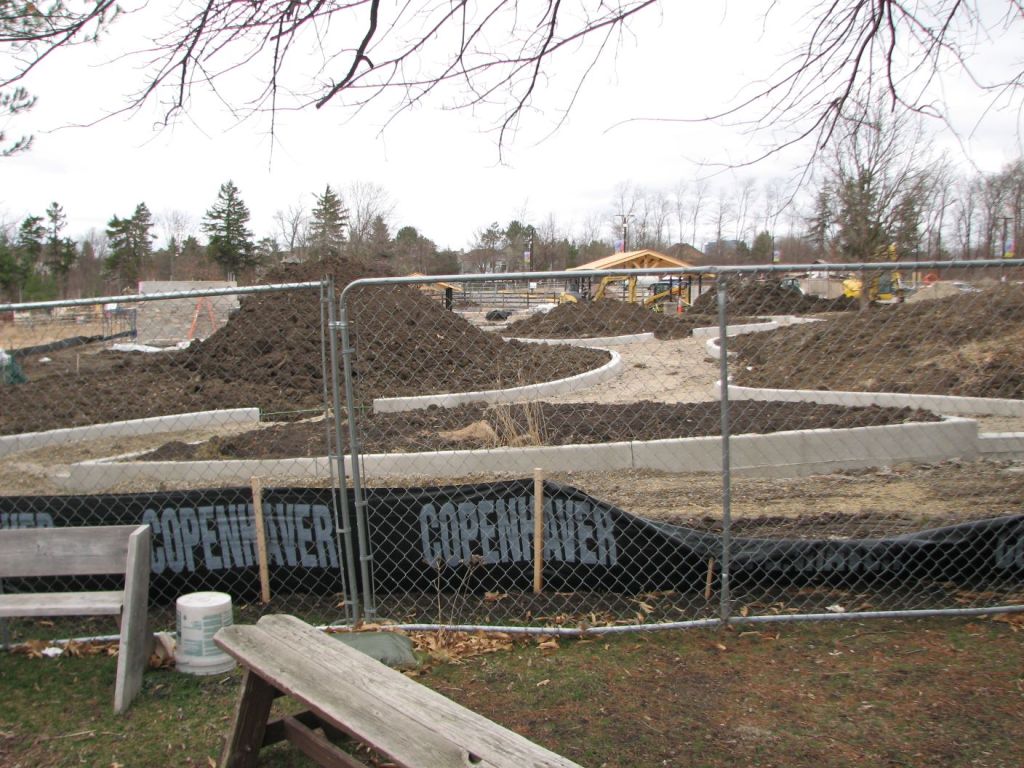
I had spoken to the director last year about the garden behind the visitor center. He told me they would give it a good weeding and apply mulch around the native plants. I remember he specifically said, “You have me convinced.” Instead, this spring it was sprayed with herbicide.
I cannot trust the Park District in the city where I live. I believed I was helping build something permanent, but they will destroy anything. They are always making big changes trying to keep people interested to stay relevant.
Subsequent Posts on This Topic


 Stewardship Chronicles
Leave a reply to Ms. Planet Cancel reply