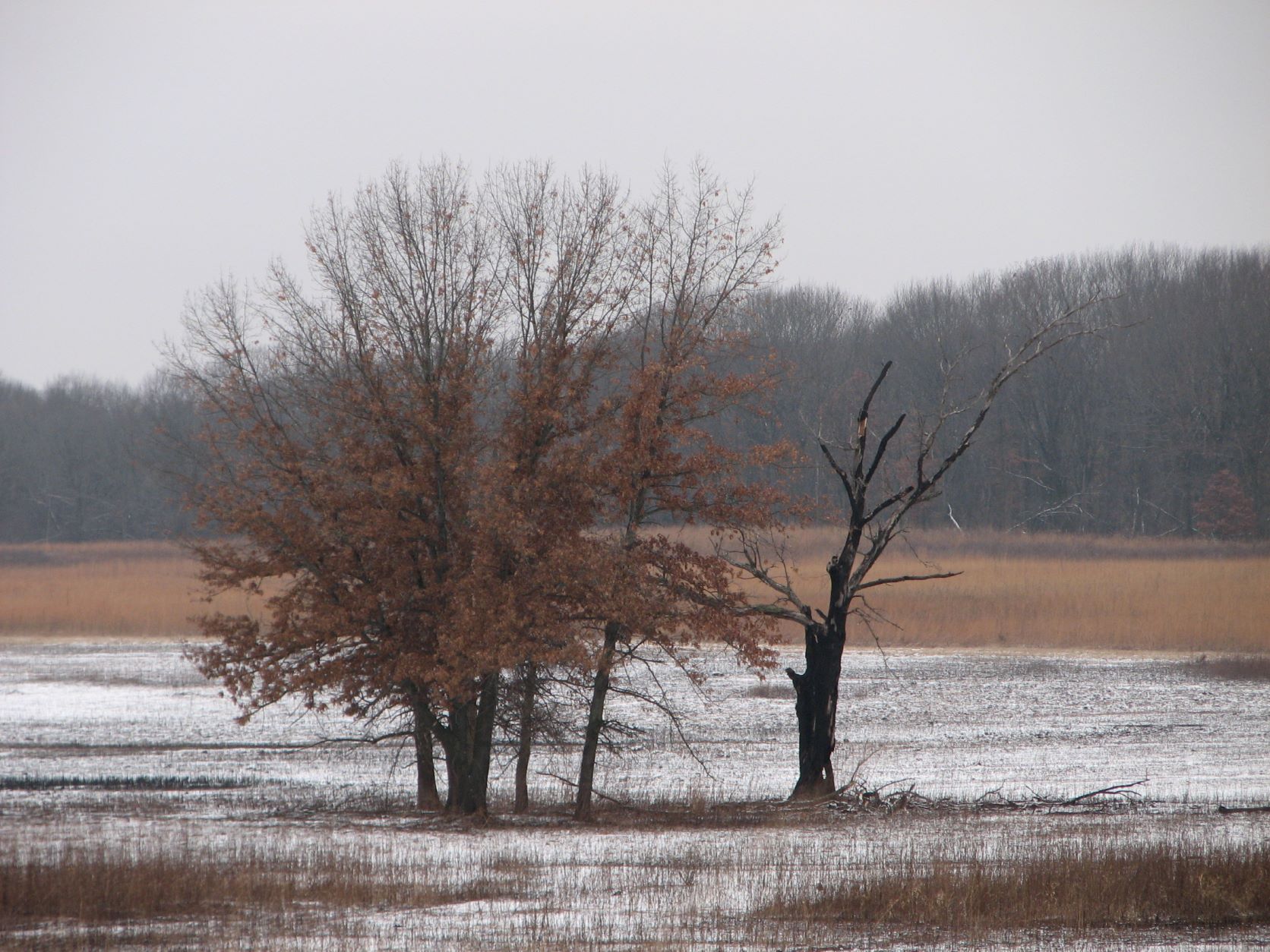
Barrington Park Campgrounds is one of the best remaining examples of savanna in the Barrington Area. Citizens for Conservation has been managing the site. They control invading woody species and conduct prescribed fire to return this missing ecosystem process back into several area preserves.
Summary
This post starts by showing some of the beautiful areas at Barrington Park Campgrounds.
A location labeled “new area” where invasive woody species (mostly common buckthorn) were cut and successfully treated with herbicide this past winter is shown with before and after images from different vantage points.
A location labeled “sprouting area” where common buckthorn was cut and sprouted has images from this past winter and after foliar treatment was done in the spring. A lot of the foliar treated buckthorn are sending up new sprouts from their roots. Suggestions were given on methods of applying herbicide that would be more effective, if not more time consuming. Impacts to a non-target native species (purple Joe-Pye weed) are discussed.
Crown vetch is then discussed. I found more at Barrington Park Campground than I saw when I visited on March 4th, 2023
A work area I labelled as “Where Stems Were Piled” is shown along with discussion of the effectiveness of the treatment.
The heading “Gray Dogwood Sprouting” leads to the topic “Gray Dogwood Foliar Treated” where an image is shown and discussion about off-target damage from the herbicide application.
The heading “Comparative Views from Burn Scars” has images from North, East, South, and West of numbered burn scars from March 4th, 2023 and either June 26th, 2023 or August 8th, 2023.
‘Burn Scar Two’ has images of gray dogwood, which has been foliar treated with herbicide, surrounding the burn scar.
In all the images from burn scars during the growing season, the effects on vegetation from nutrient rich ash is visible around the burn scar. This is discussed.
Beautiful Areas
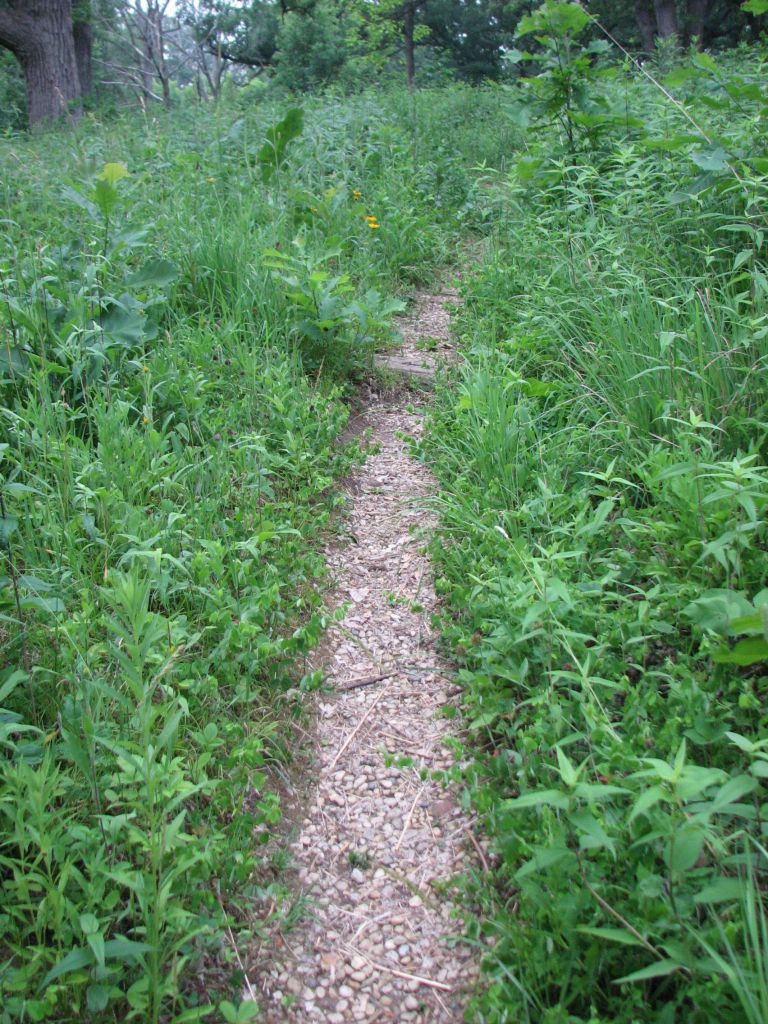
The trail down to Baker’s Lake. Violet bush clover is growing all along the trail. This slightly trampled trailside was the only location I saw violet bush clover in the preserve.
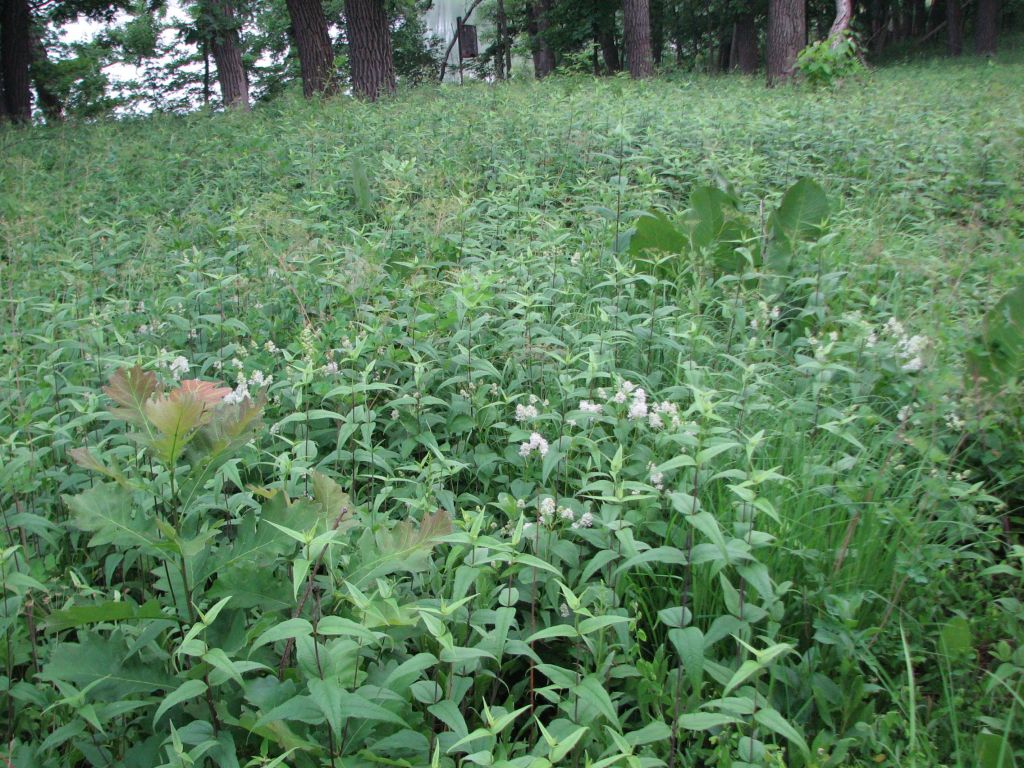
Just to the left of the above trail were some New Jersey Tea in among the otherwise near monoculture of woodland sunflowers.

The New Jersey Tea were under the spreading limb of a burr oak.
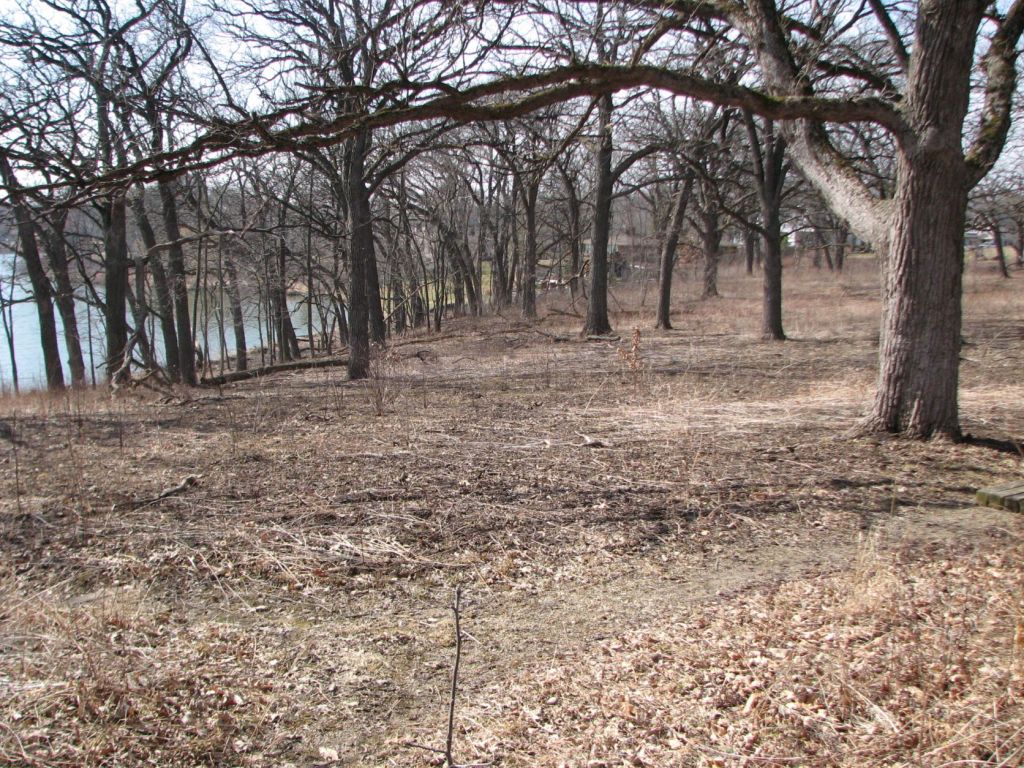
This is what the above area looked like on March 4th, 2023.
New Work Area
As labelled on the map “Barrington Park Campgrounds” on the post “Baker’s Lake 3/4/2023.”
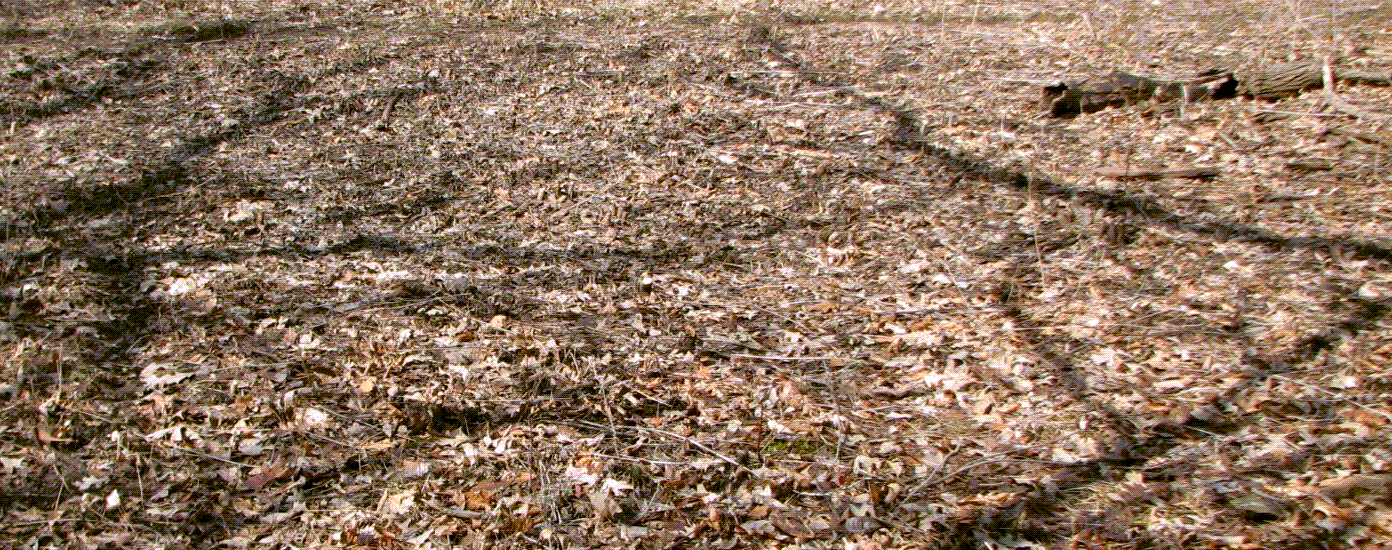
‘New Work Area’ close view on March 4th, 2023. The stumps were cut so low they are not visible.
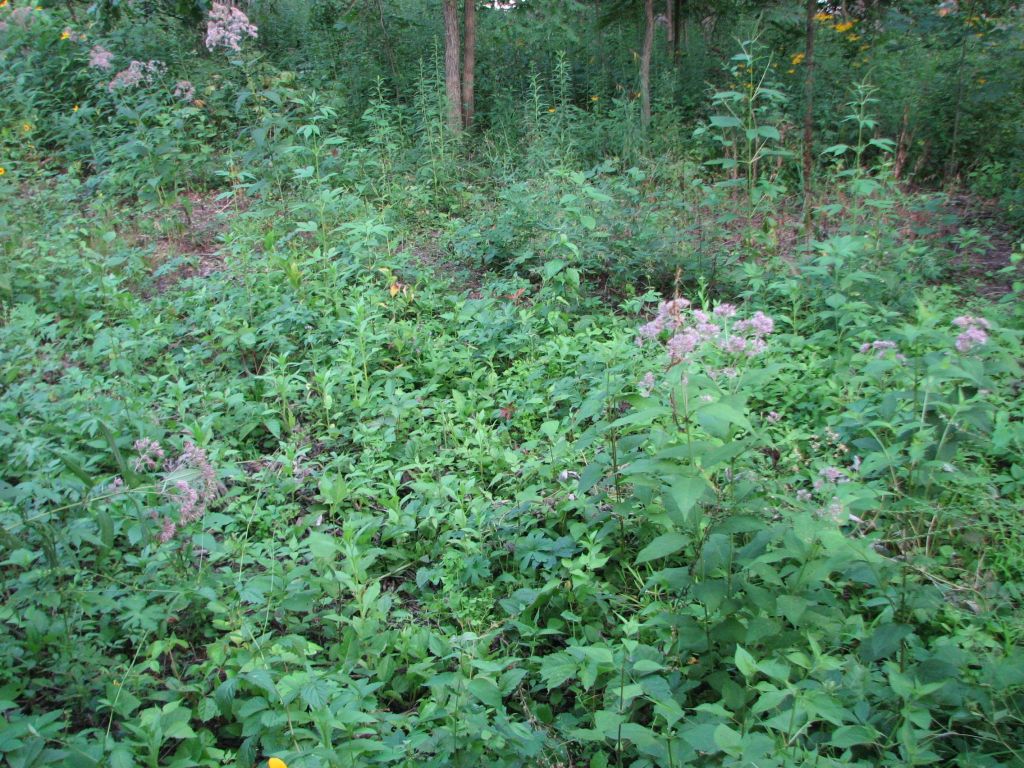
‘New Work Area’ close view on August 8th, 2023. The buckthorn looks to have been effectively controlled and woodland wildflowers are doing well in the area.
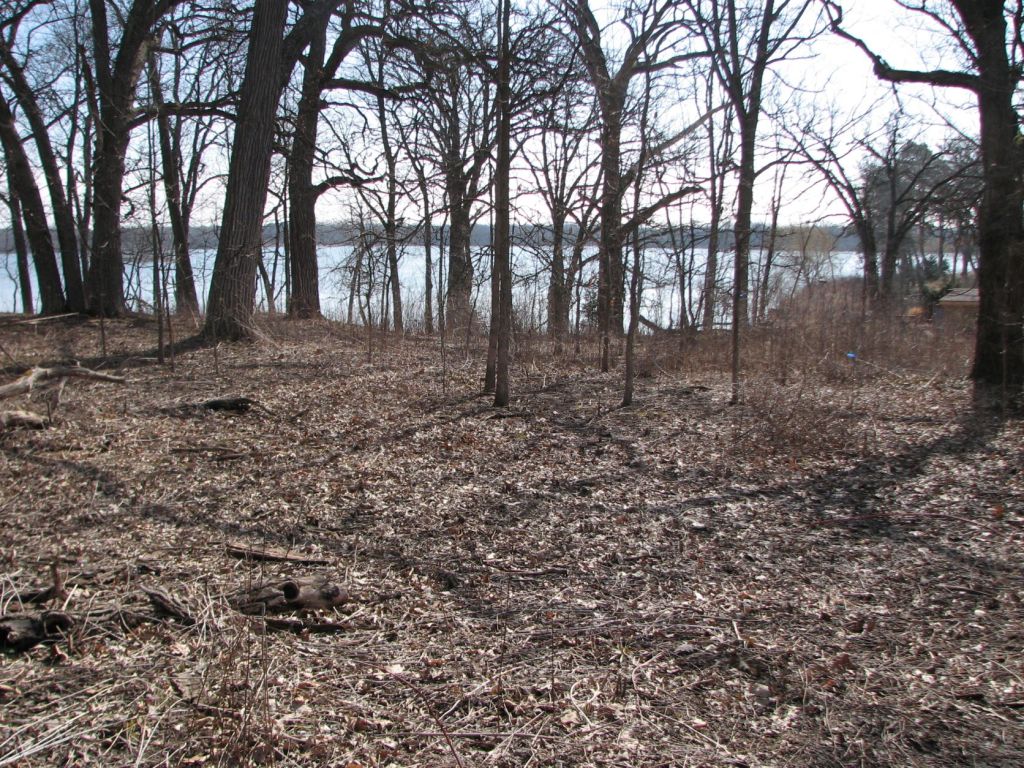
‘New Work Area’ looking south on March 4th, 2023.

‘New Work Area’ looking south on August 8th, 2023. There are more ‘tall’ plants surrounding the work area than where the control work was done.
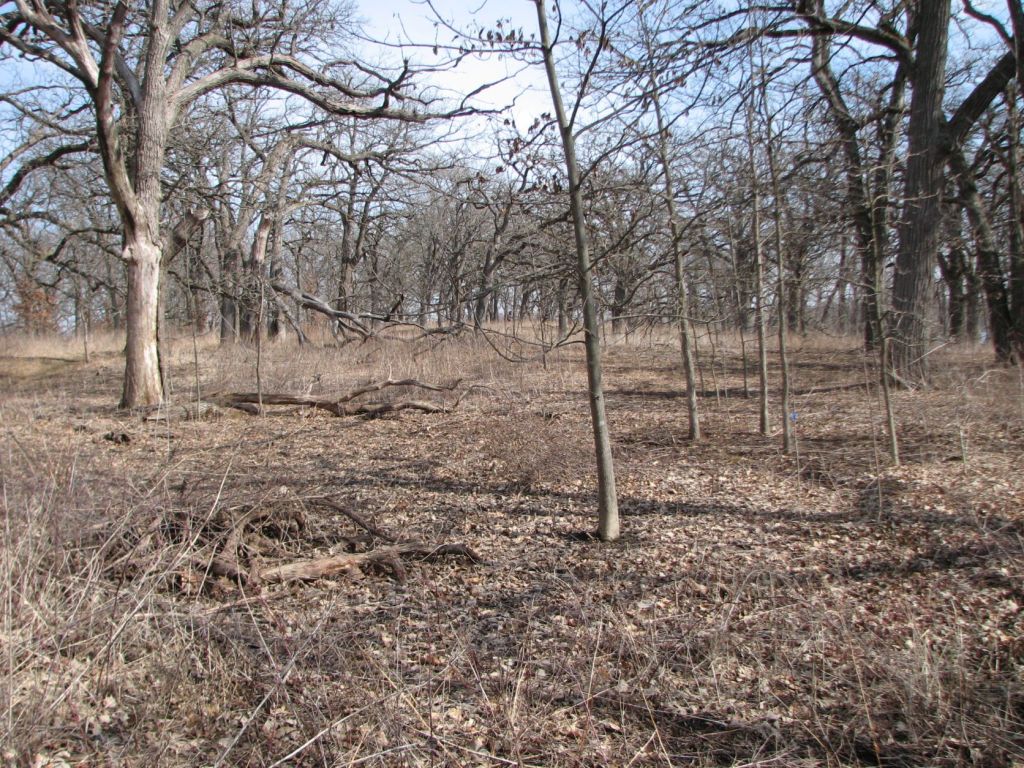
‘New Work Area’ looking east on March 4th, 2023. The work area is just past the piled wood.

‘New Work Area’ looking east on August 8th, 2023. Not much of the area where control work was done can be seen with taller plants in the way. This image gives an idea of the surroundings.
“Sprouting Area”
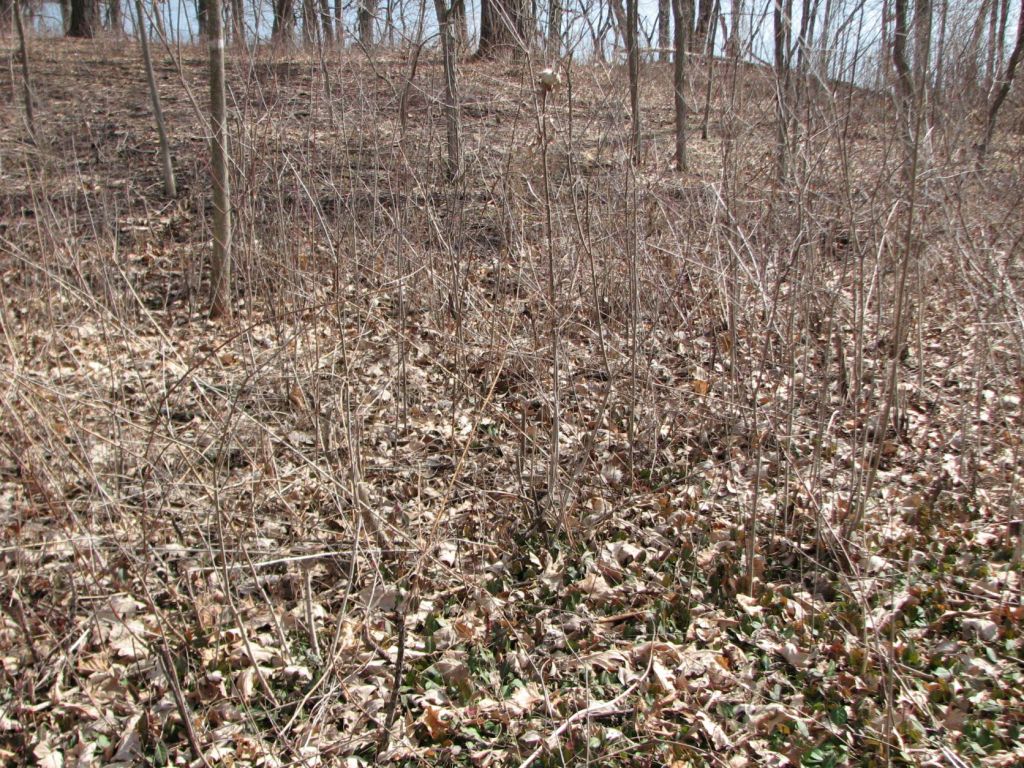
This is what I called the “sprouting area” on the map “Barrington Park Campgrounds” from my post ‘Baker’s Lake 3/4/2023.’ It is mostly common buckthorn.
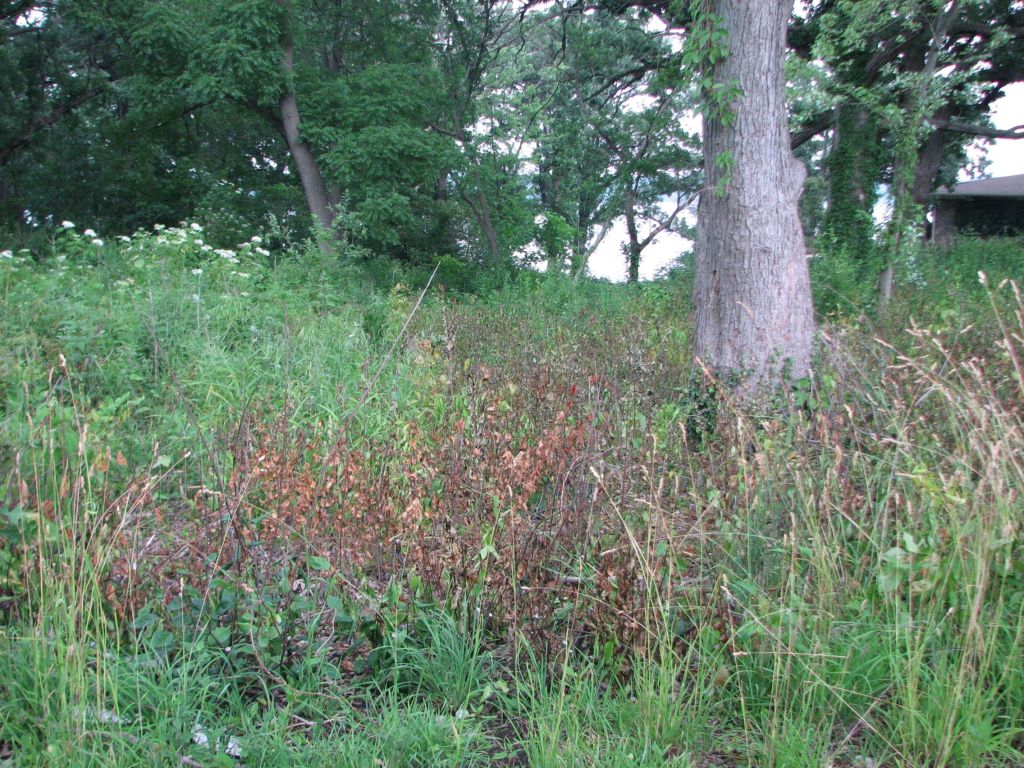
Here is a different angle of the same area on June 26th, 2023. The foliage of the buckthorn has been treated with herbicide.
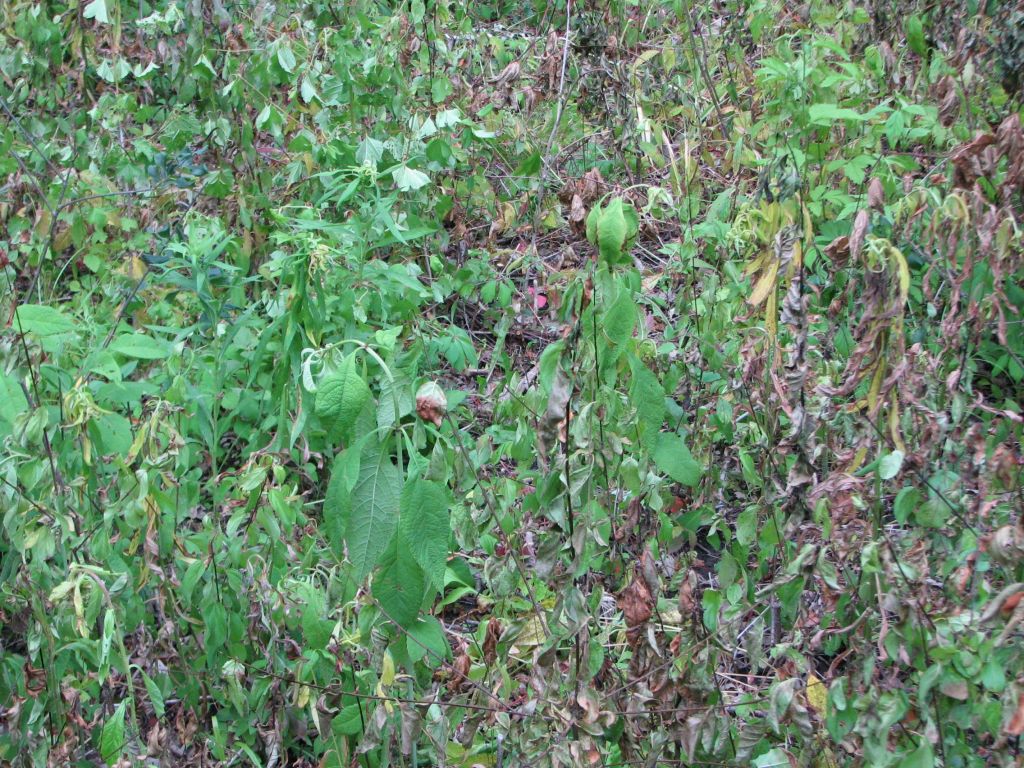
The purple Joe-Pye weed was impacted by foliar application to nearby buckthorn. Purple Joe-Pye weed is a common species that becomes extremely abundant after invasive woody species have been removed from local savannas.

This is the “sprouting area” on August 8th, 2023. The buckthorn sprouts have mostly been top killed. There are many sprouting at the base. A method that applies herbicide closer to the roots (cut stem, frill) or dormant season application of triclopyr ester to basal bark would have taken more time but also have been more effective.

This is the sprouting area on August 8th, 2023 from the opposite direction. You can see buckthorns sprouting at the base. You can also see a purple Joe-Pye weed impacted by the herbicide application. There is a good chance it will recover if it has survived this long since the application was done.
Crown Vetch
There was a lot more crown vetch than I realized when I found some on my March 4th, 2023 visit. The area all around the patch I labelled on the map “Barrington Park Campgrounds” included in the post “Baker’s Lake 3/4/2023” has crown vetch. If it is not controlled, it will fill all the areas where buckthorn and gray dogwood have been controlled.
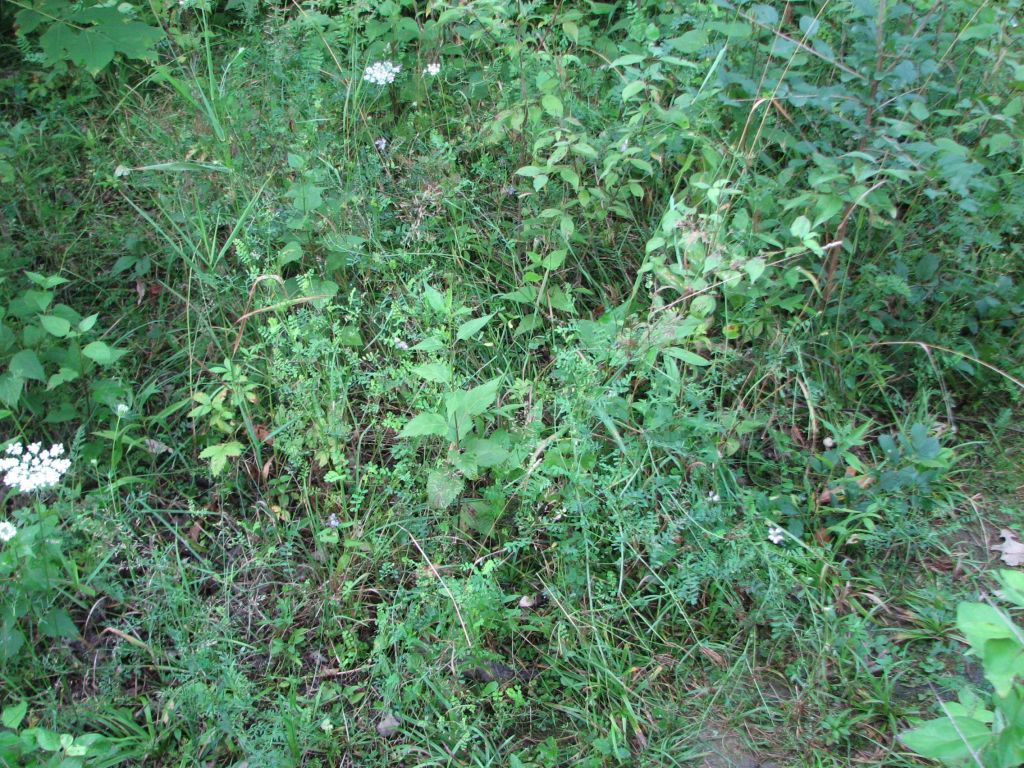
Where Stems Were Piled
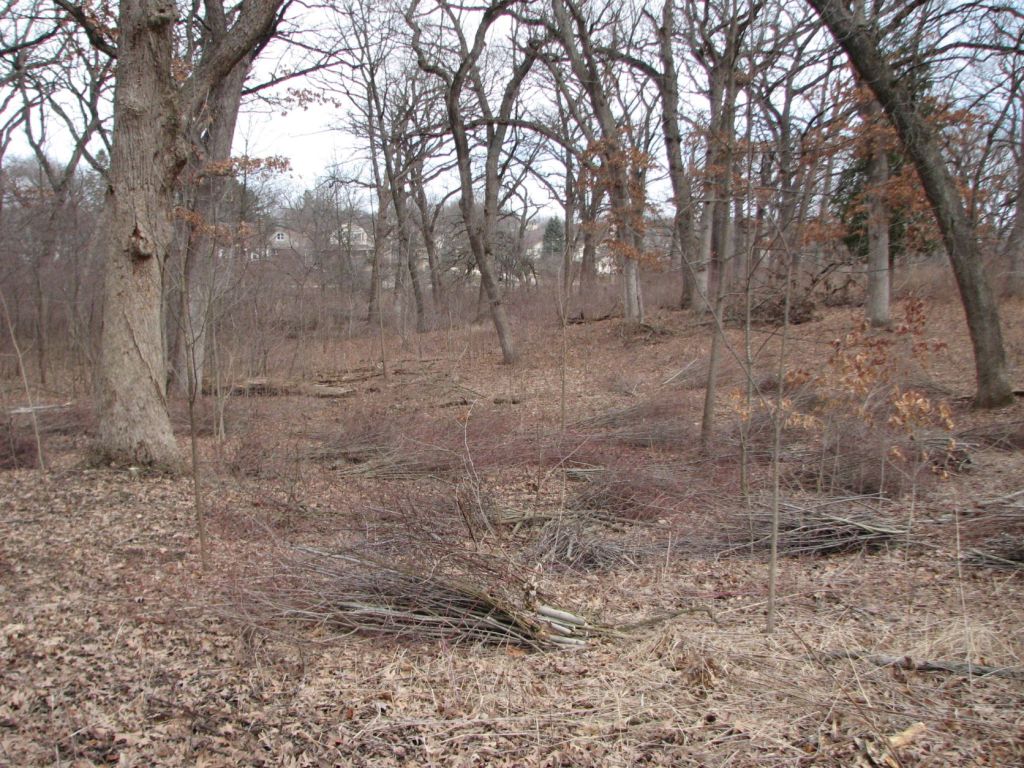
Area on March 4th, 2023
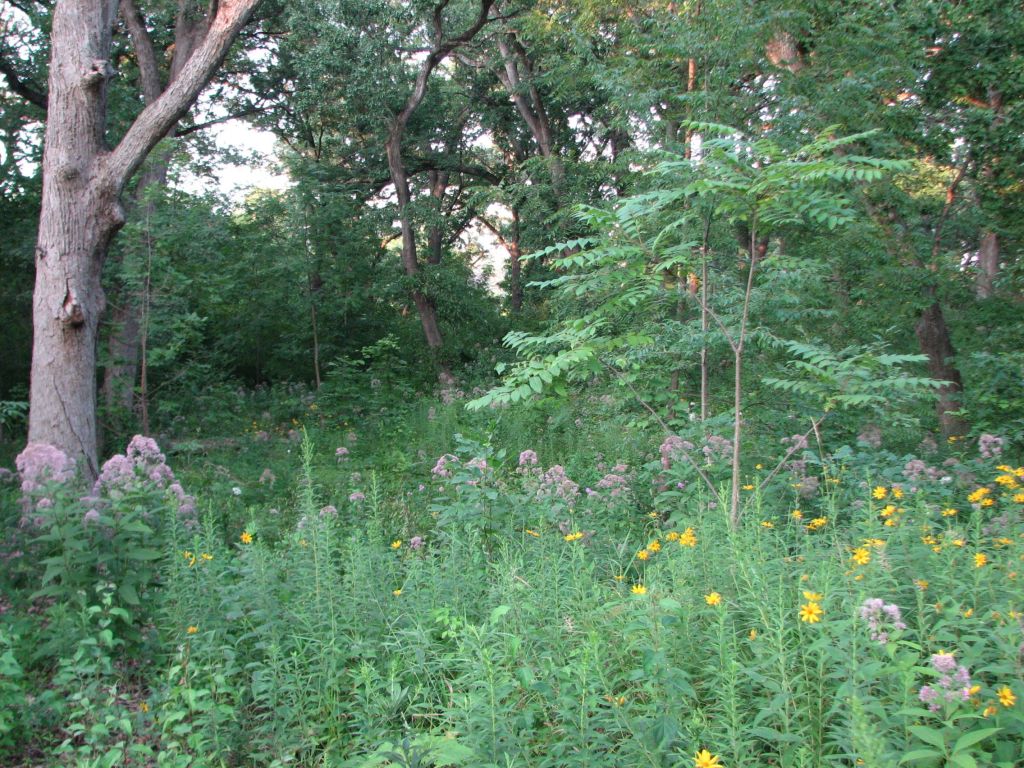
Area on August 8th, 2023
I see very little gray dogwood sprouts. They may be under the taller vegetation. When I visited on June 26th, I had thought control was complete. However, on my August 8th visit, I saw areas where the gray dogwood had waist high sprouts. There are a few gray dogwood sprouts in the lower left-hand corner of the image. However, in most areas the herbicide application appears to have been successful.
I did not visit soon enough after the workday to see how much herbicide had been applied. However, even weeks after the workday, I could still smell the Garlon 4. It must have been applied heavily to get the level of control that was achieved. It is a difficult species to control.
Gray Dogwood Sprouting
This is looking the opposite direction from the above image showing gray dogwood sprouting among cut stumps.
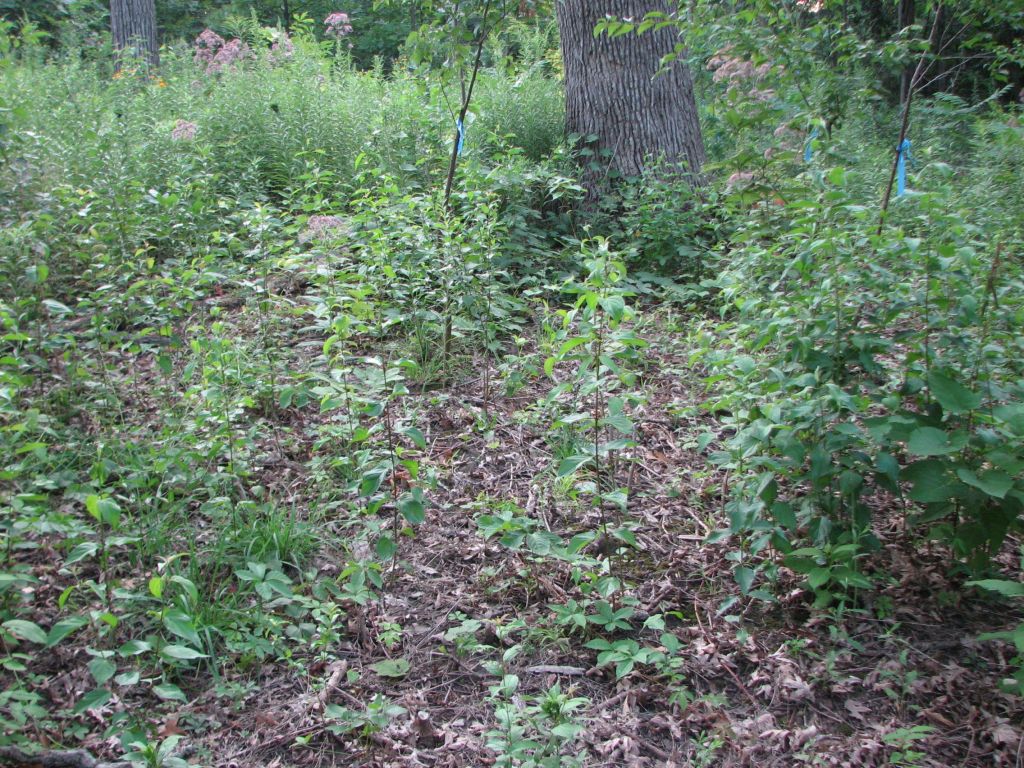
Gray Dogwood Foliar Treated
Gray dogwood had been foliar treated with herbicide. There is damage to a Triosteum which has the horrible common name ‘horse gentian.’ I think it will recover. I can check next year. Gray dogwood was foliar treated throughout the preserve. Other images of this can be seen under the heading “Comparative Views from Burn Scars.”

Comparative Views from Burn Scars
As you look through these images, notice how much taller the plants are around the old burn piles. Localized nutrient enrichment has changed the plant community.
Burn Pile One
These are images from different directions of the burn scar labelled Burn Pile One on the post titled “Baker’s Lake 3/4/2023.” Notice the weedy tall ragwort is growing in the nutrient enriched area surrounding the burn scar.
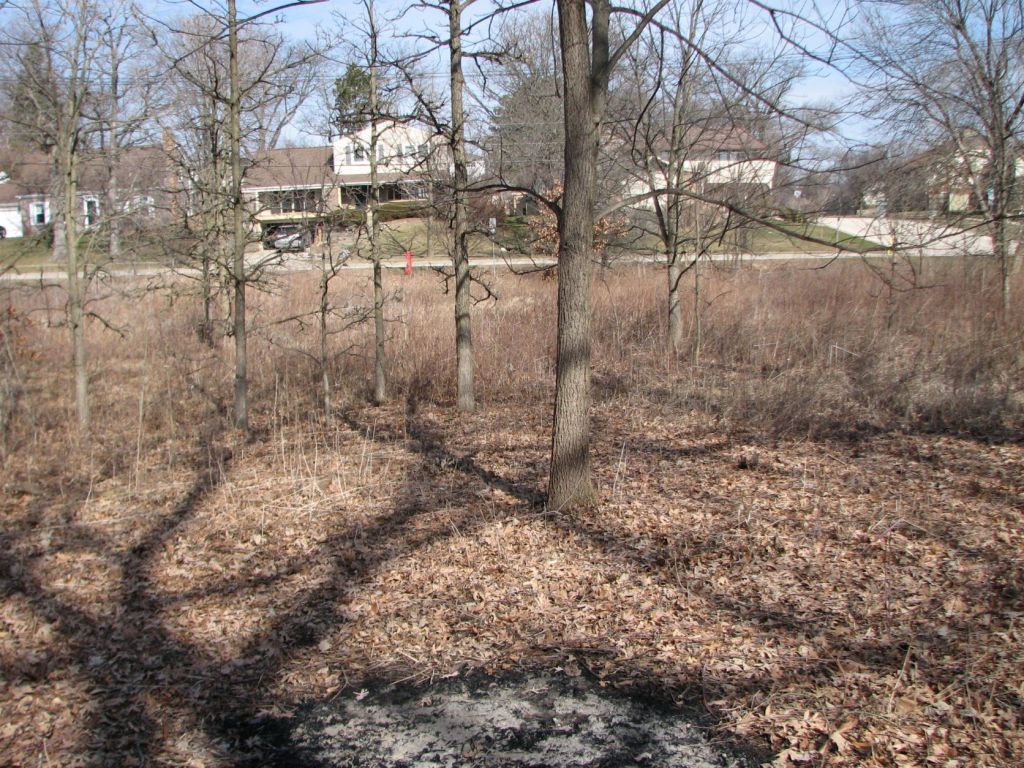
North 3/4/2023

North 6/26/2023
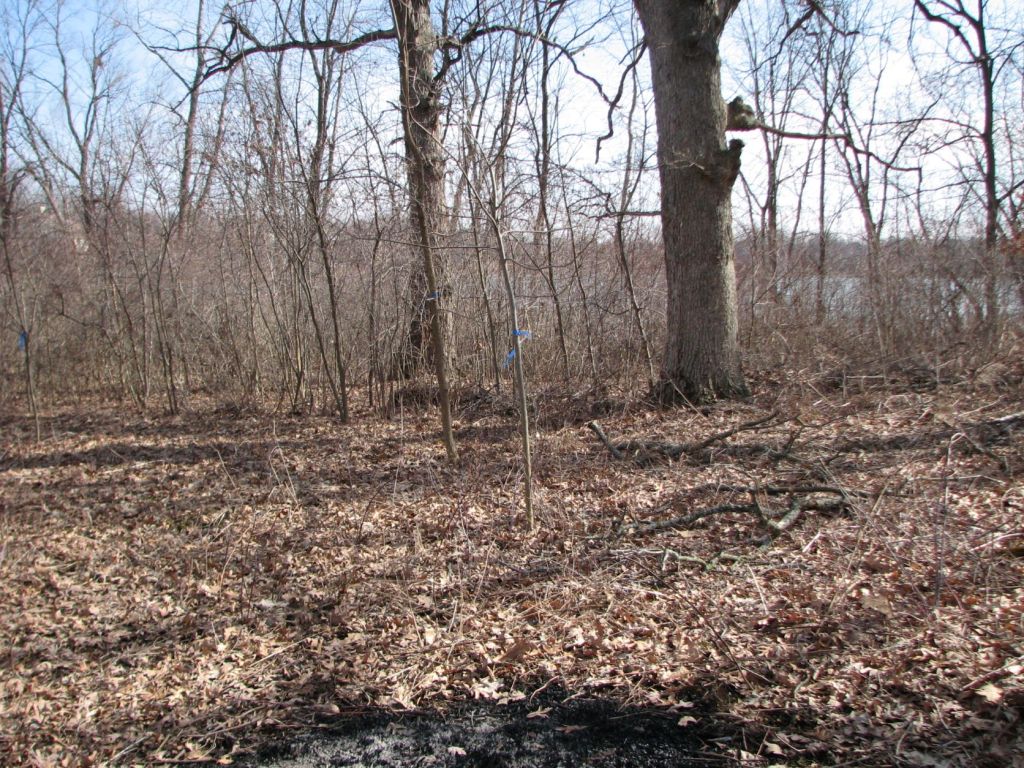
East 3/4/2023
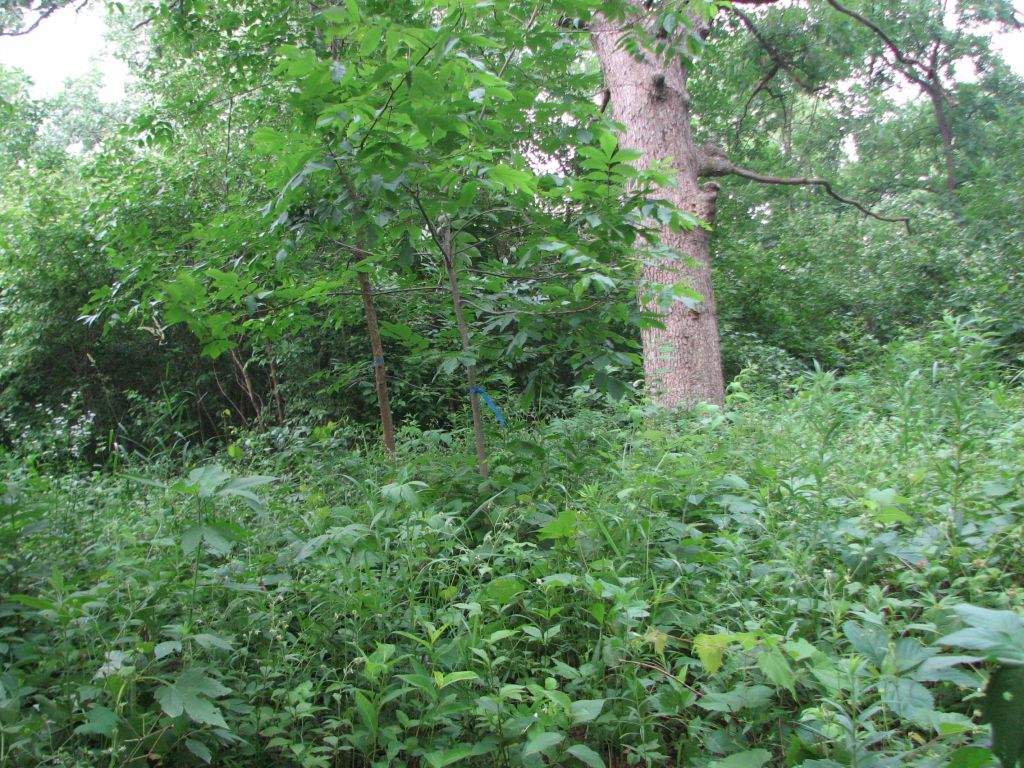
East 6/26/2023
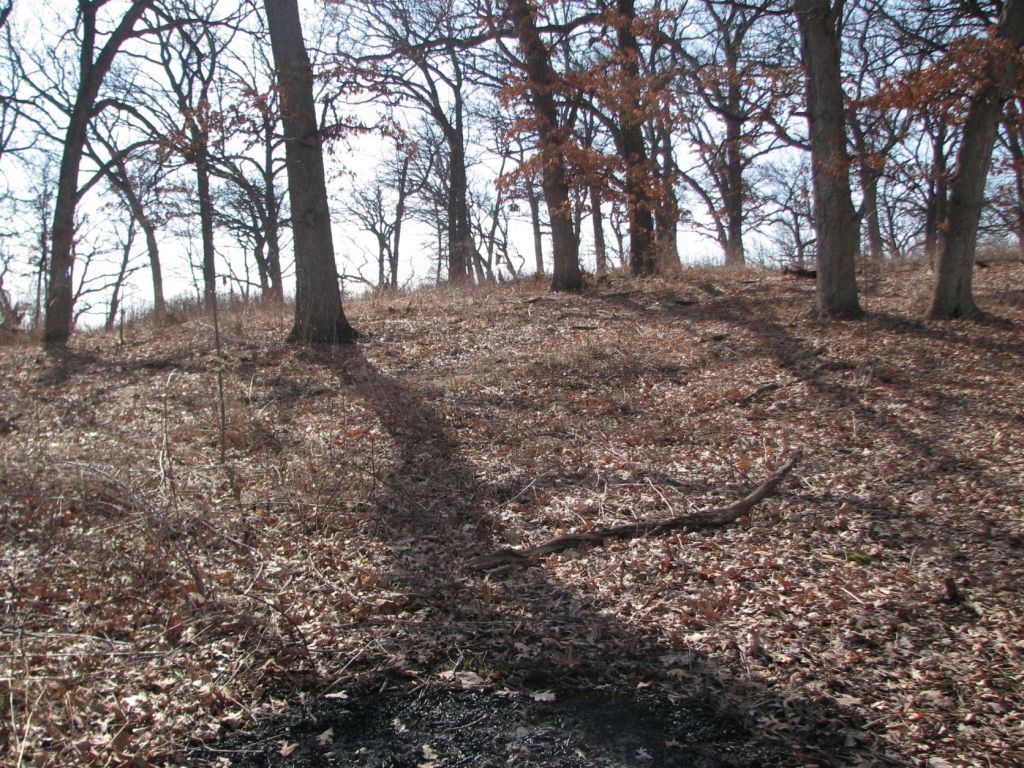
South 3/4/2023
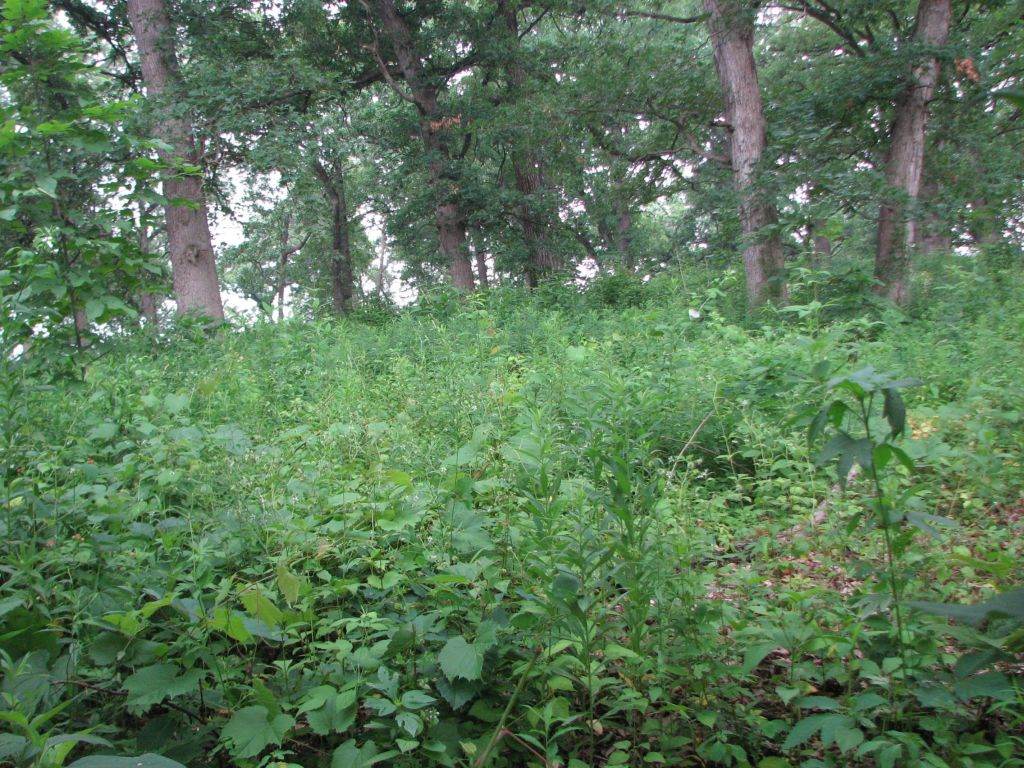
South 6/26/2023
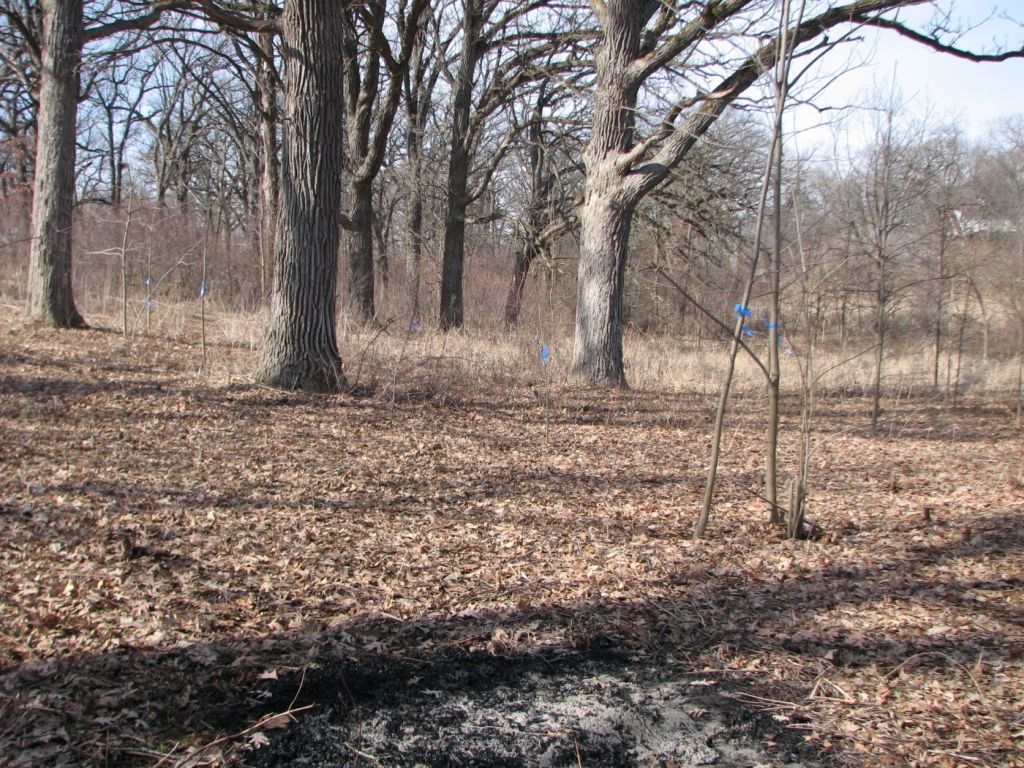
West 3/4/2023

West 6/26/2023
Burn Pile Two
The foliage of sprouting gray dogwood has been treated with herbicide around this burn pile.
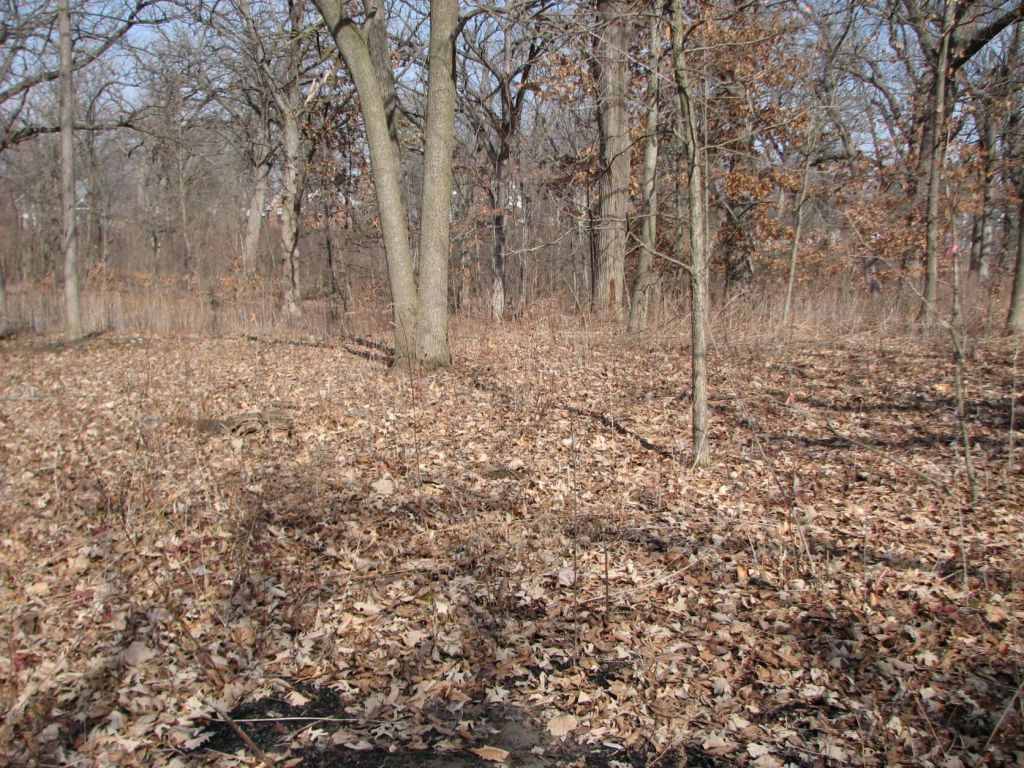
North 3/4/2023
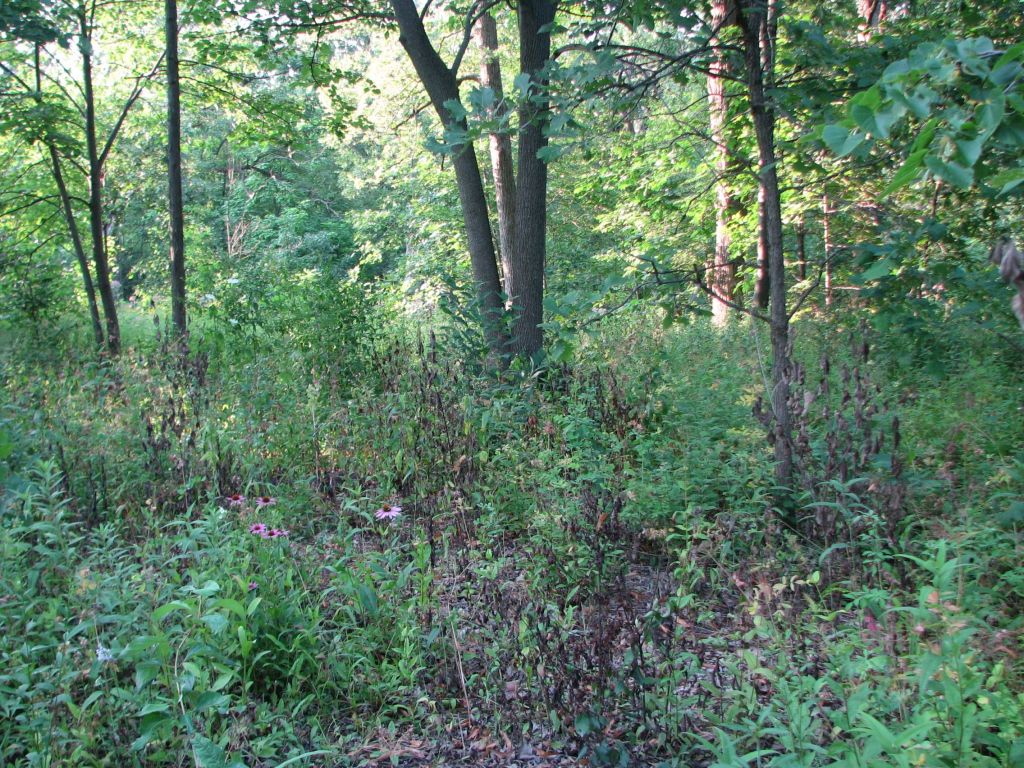
North 8/8/2023
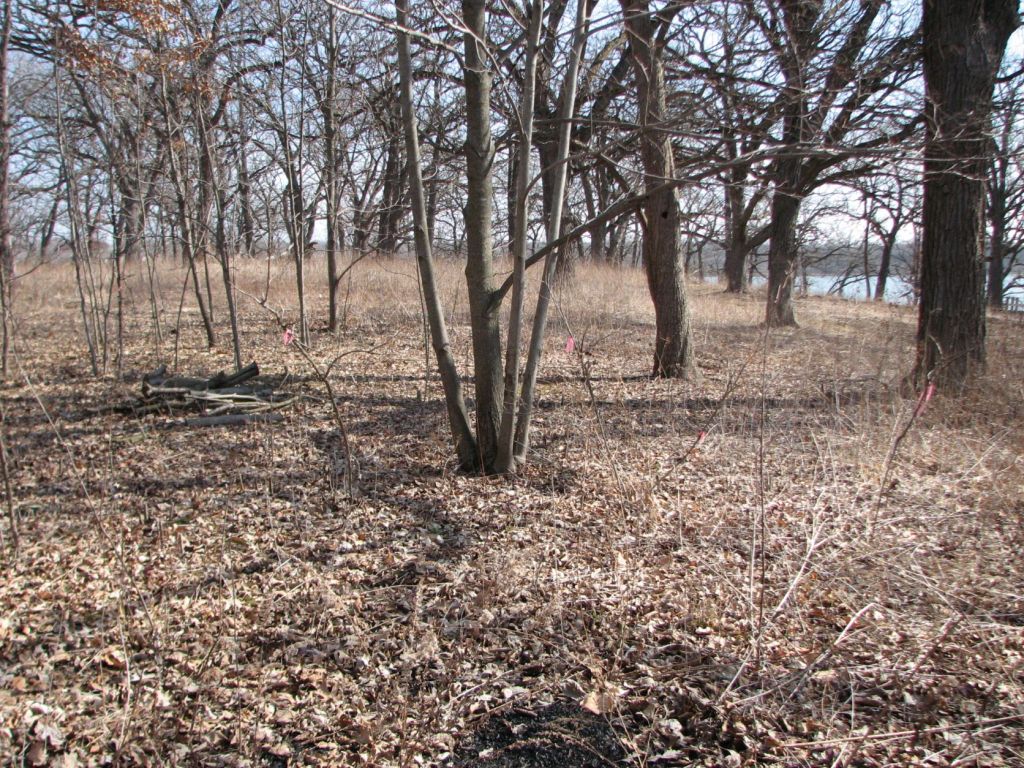
East 3/4/2023

East 8/8/2023
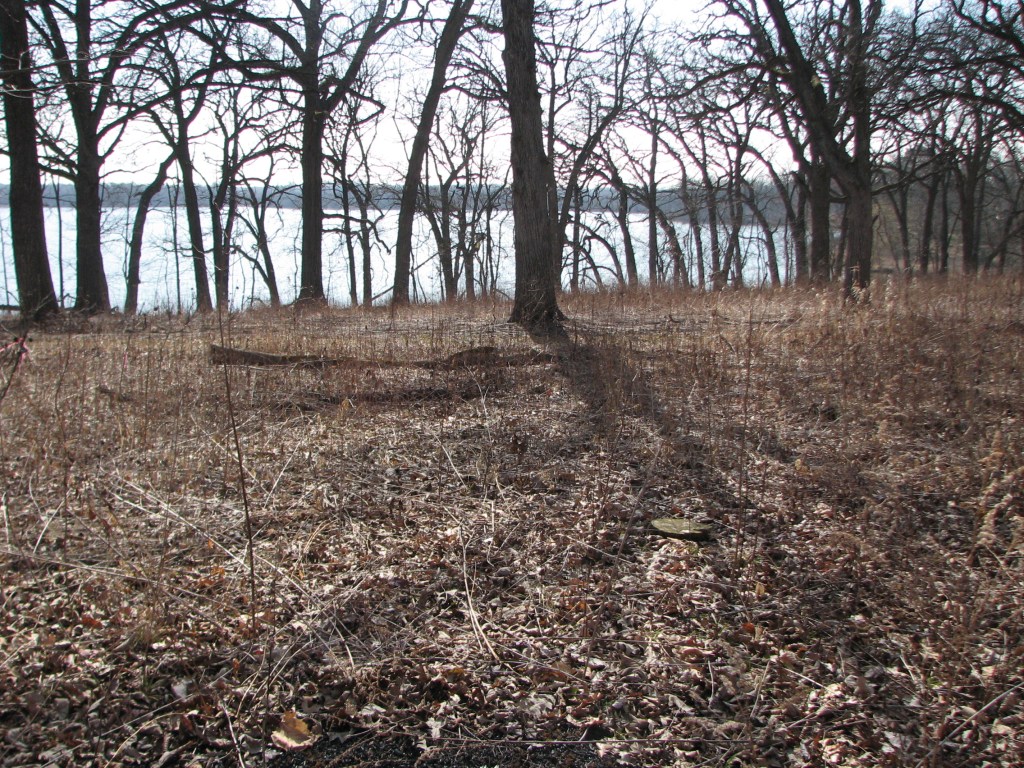
South 3/4/2023
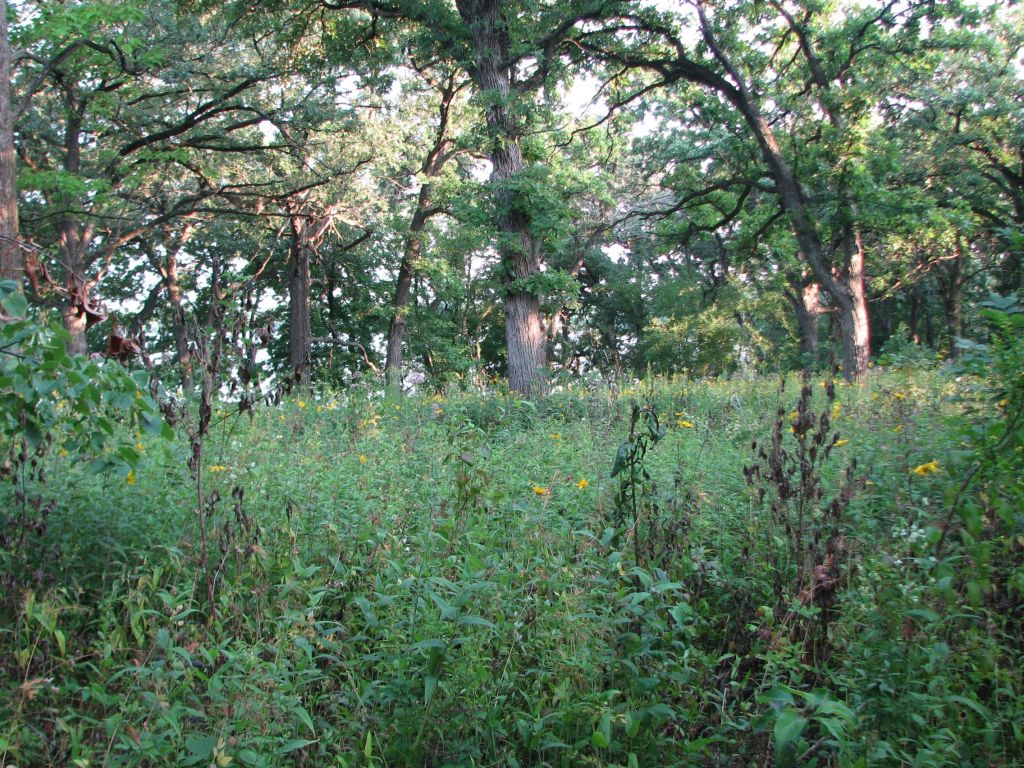
South 8/8/2023
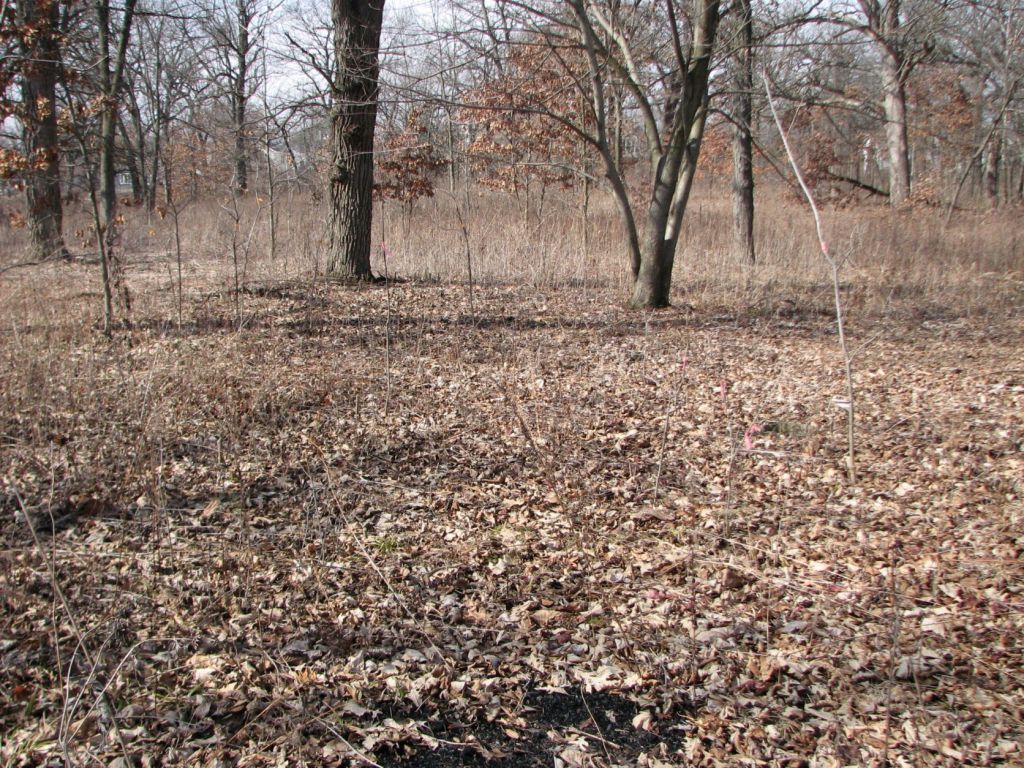
West 3/4/2023

West 8/8/2023
Burn Pile Three
As you look through the below images, notice staghorn sumac, tall goldenrod, and purple Joe-Pye weed growing around burn scars where nutrient enrichment has occurred. Staghorn sumac and tall goldenrod become so over abundant that they are controlled by various means. Joe-Pye weed tends to become very abundant when woody species are removed but declines without intervention given time (per Poplar Creek Prairie Stewards).
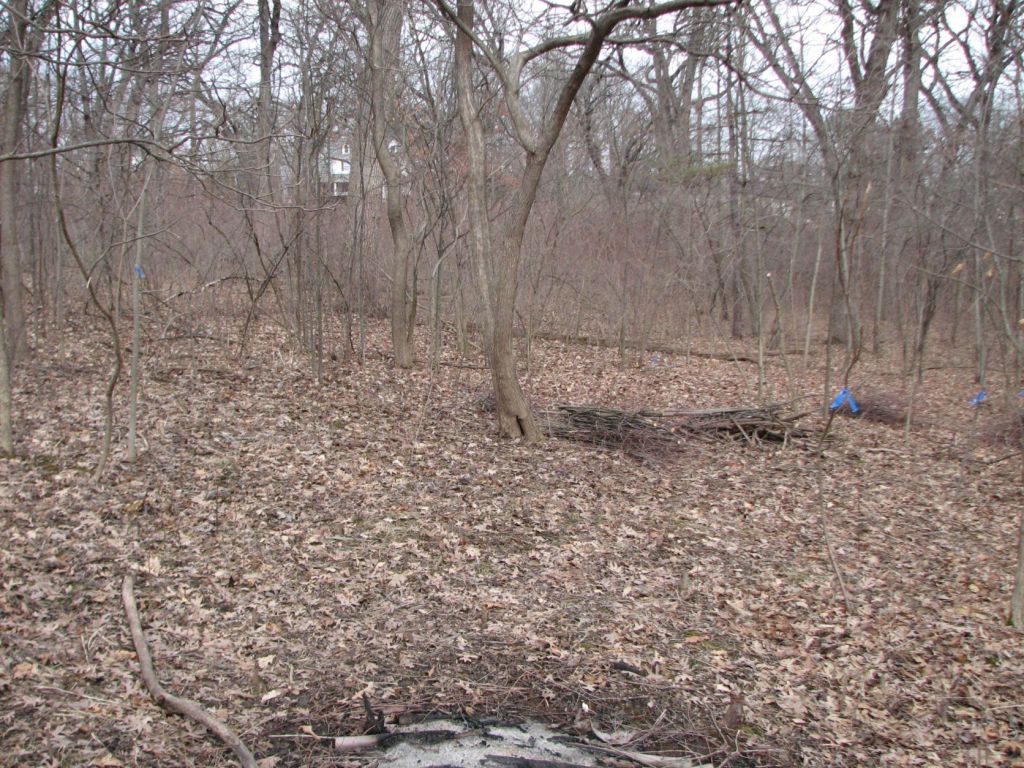
North on March 4th, 2023

North on August 8th, 2023
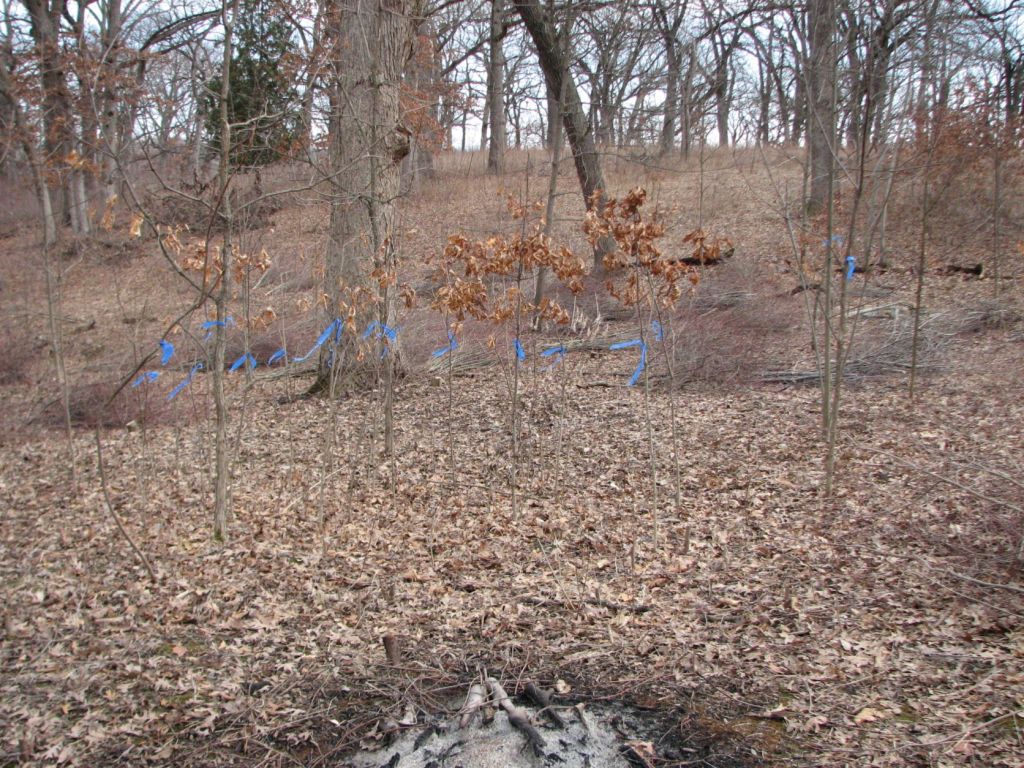
East on March 4th, 2023
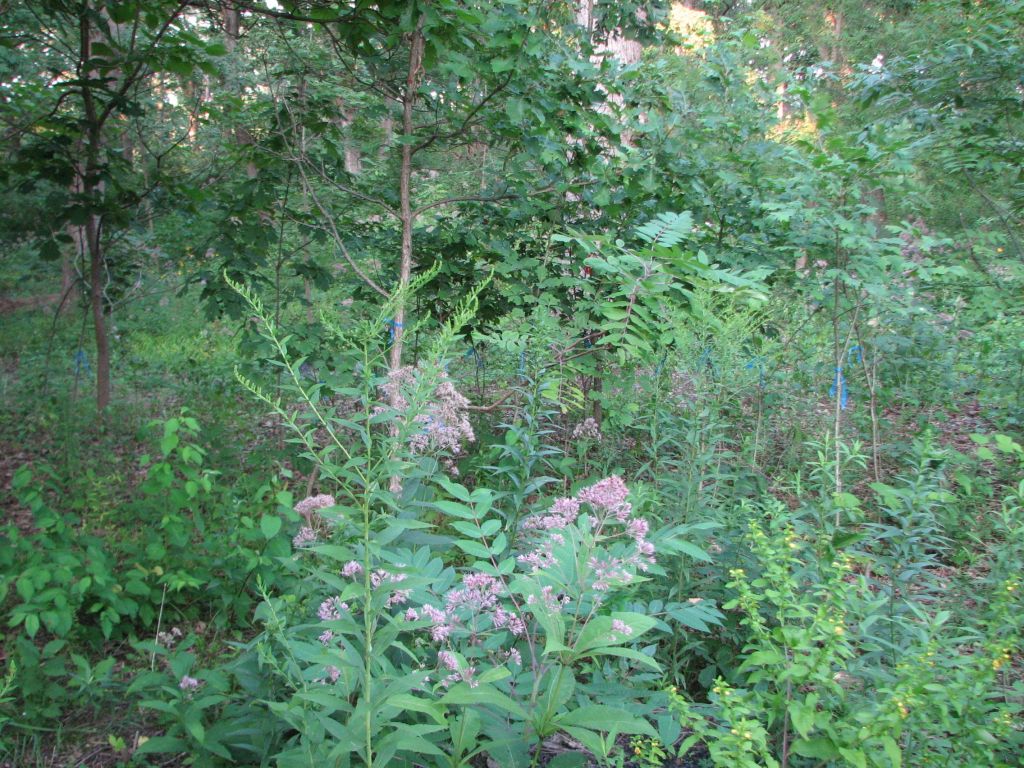
East on August 8th, 2023
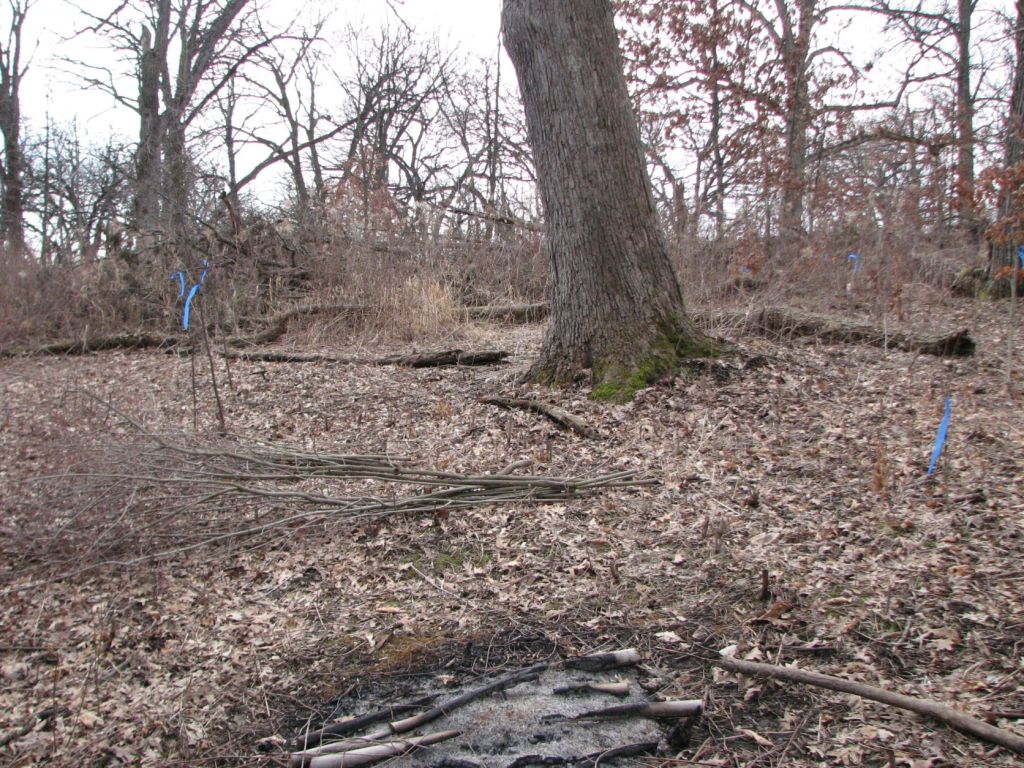
South on March 4th, 2023

South on August 8th, 2023
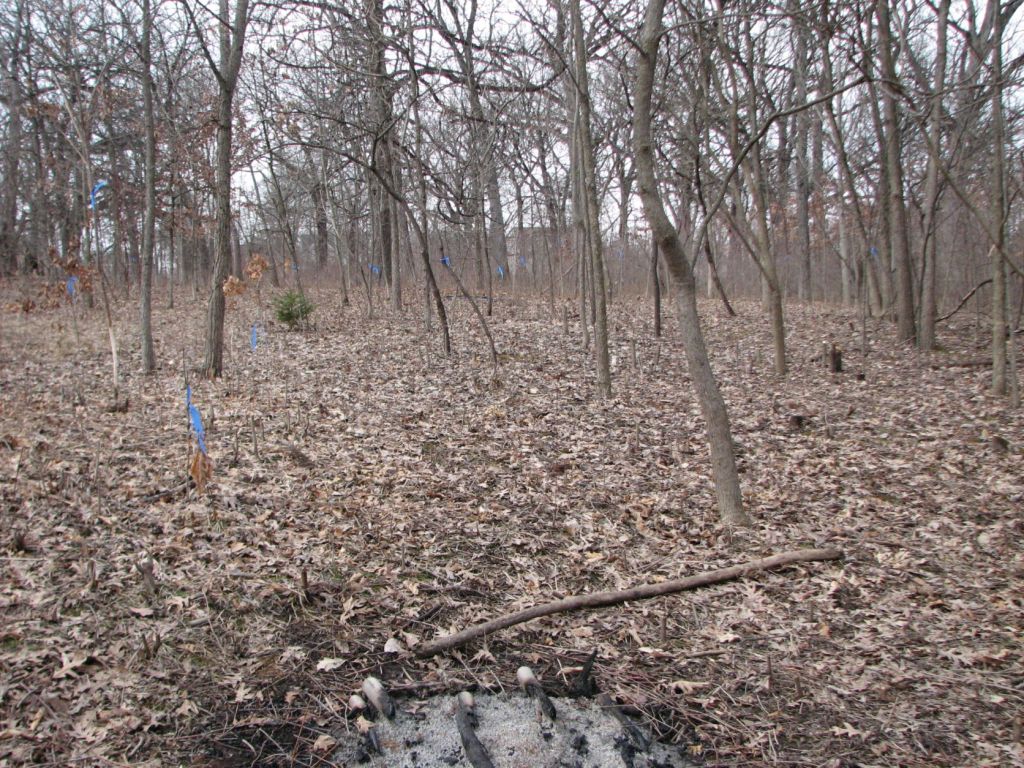
West on March 4th, 2023

West on August 8th, 2023
Burn Pile Four
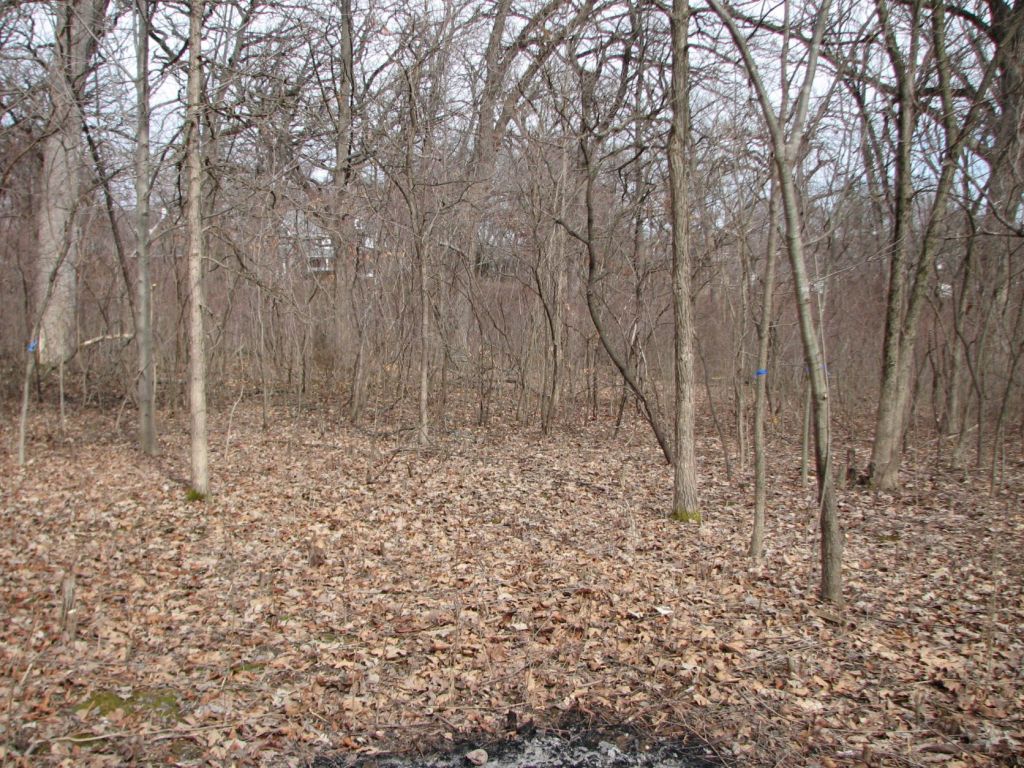
North on March 4th, 2023
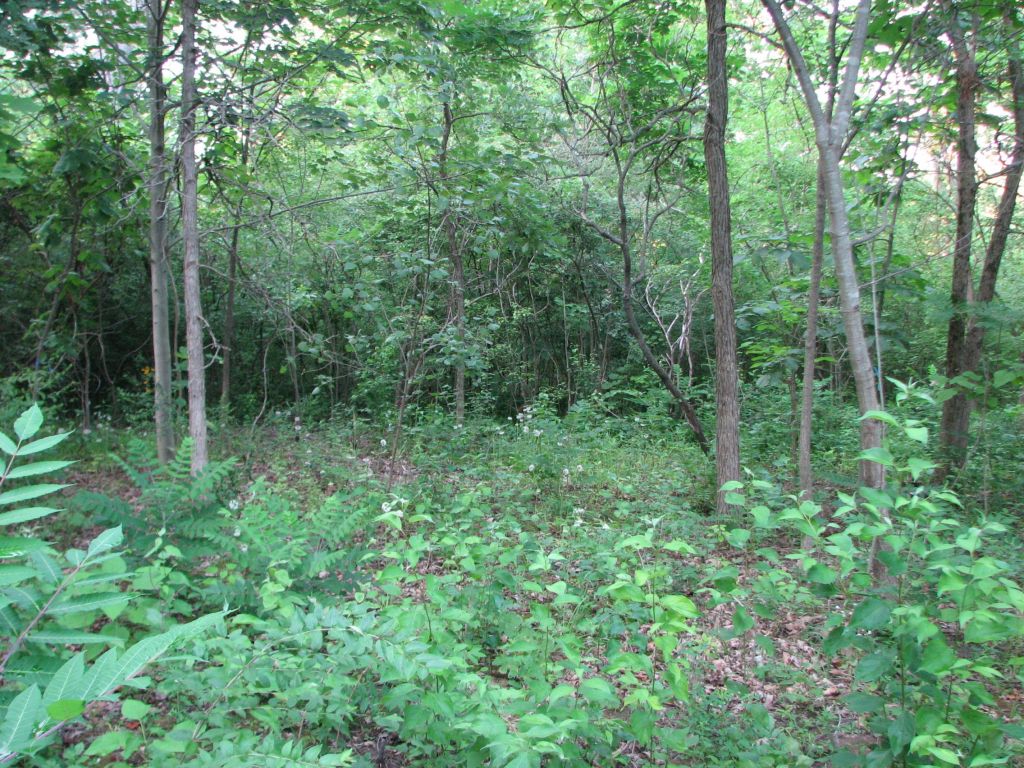
North on August 8th, 2023
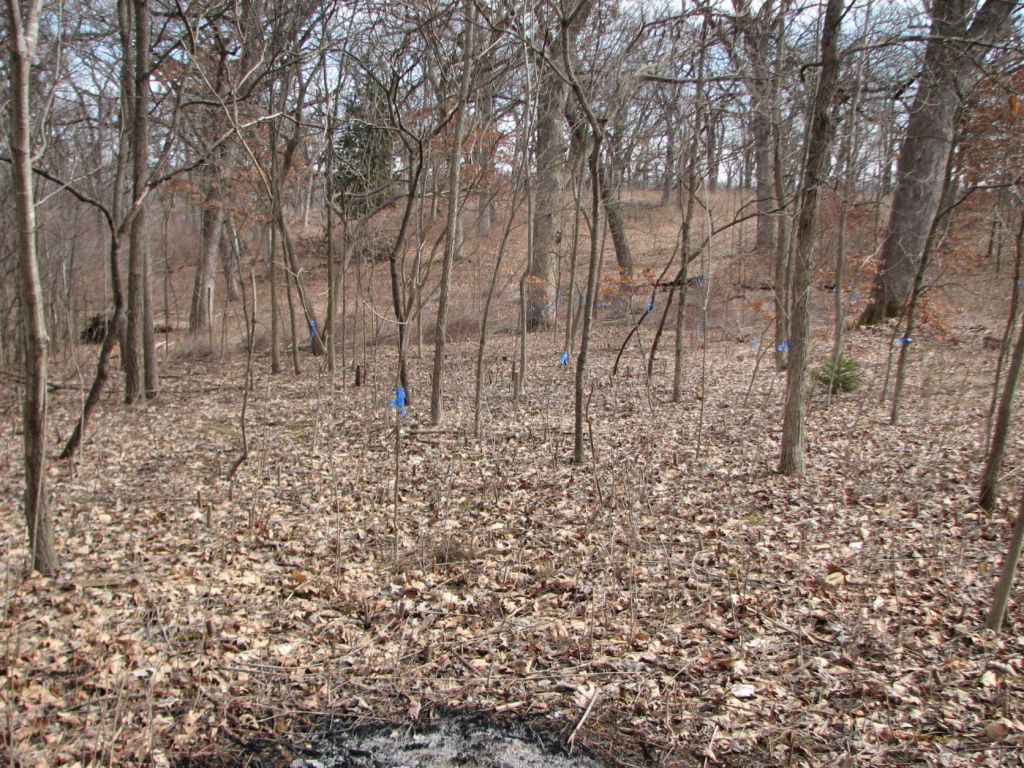
East on March 4th, 2023

East on August 8th, 2023
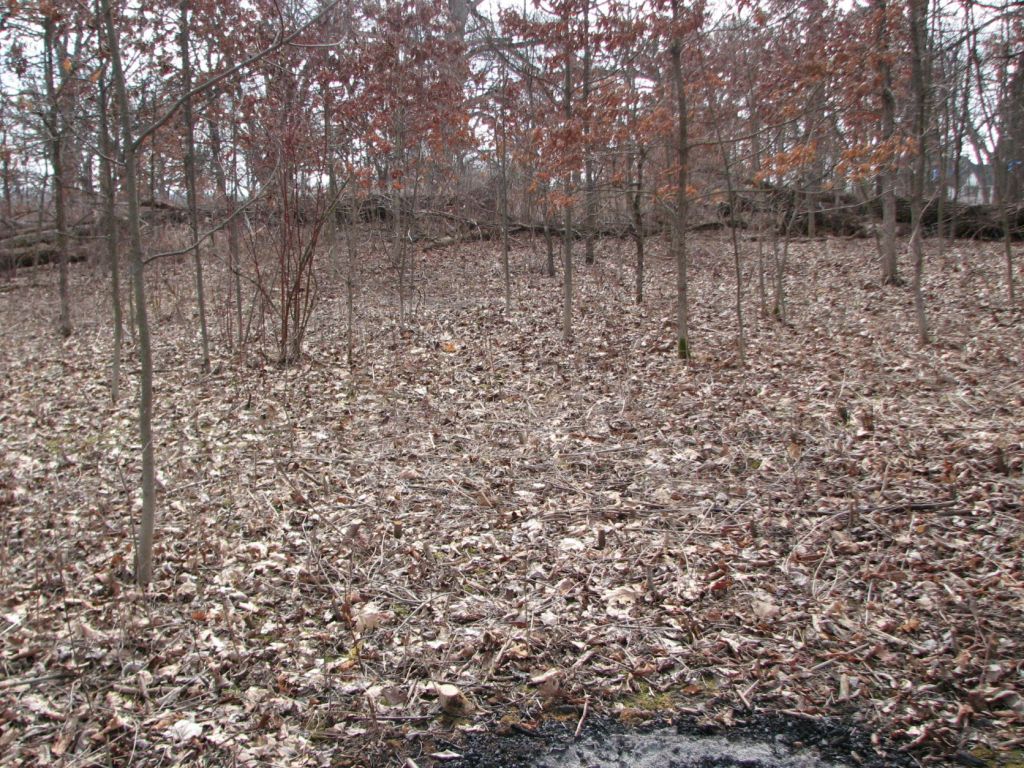
South on March 4th, 2023

South on August 8th, 2023
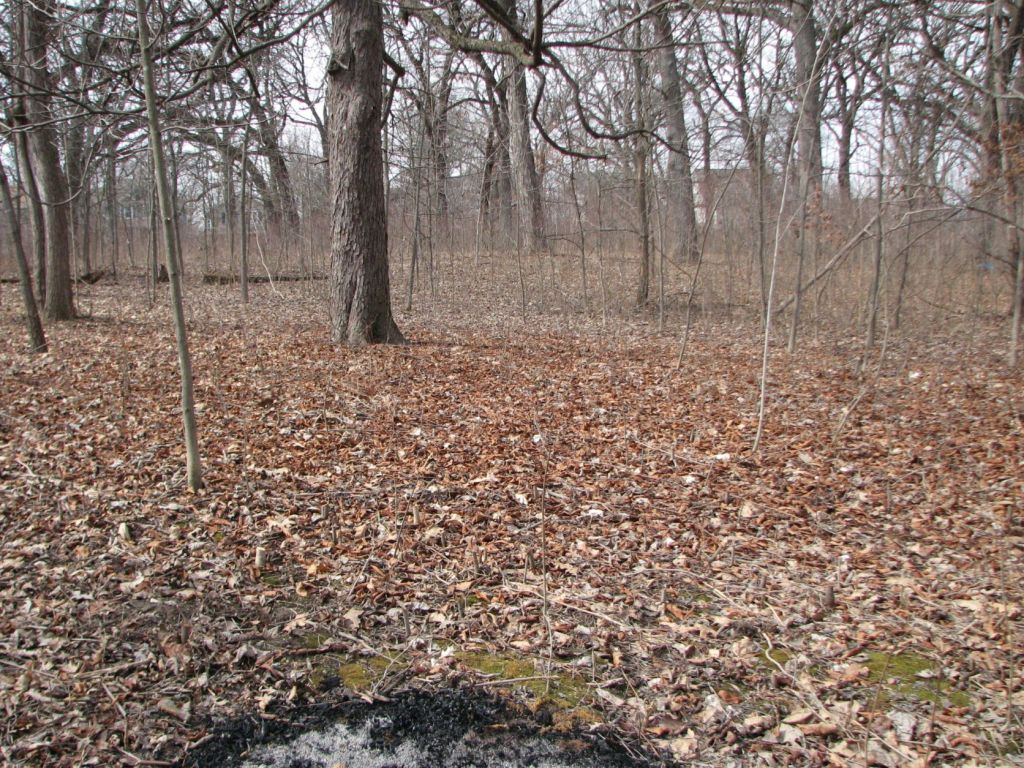
West on March 4th, 2023

West on August 8th, 2023

 Stewardship Chronicles
Leave a reply to Baker’s Lake, Barrington Park Campgrounds, 5/27/2024 (Draft) – Stewardship Chronicles Cancel reply