Summary
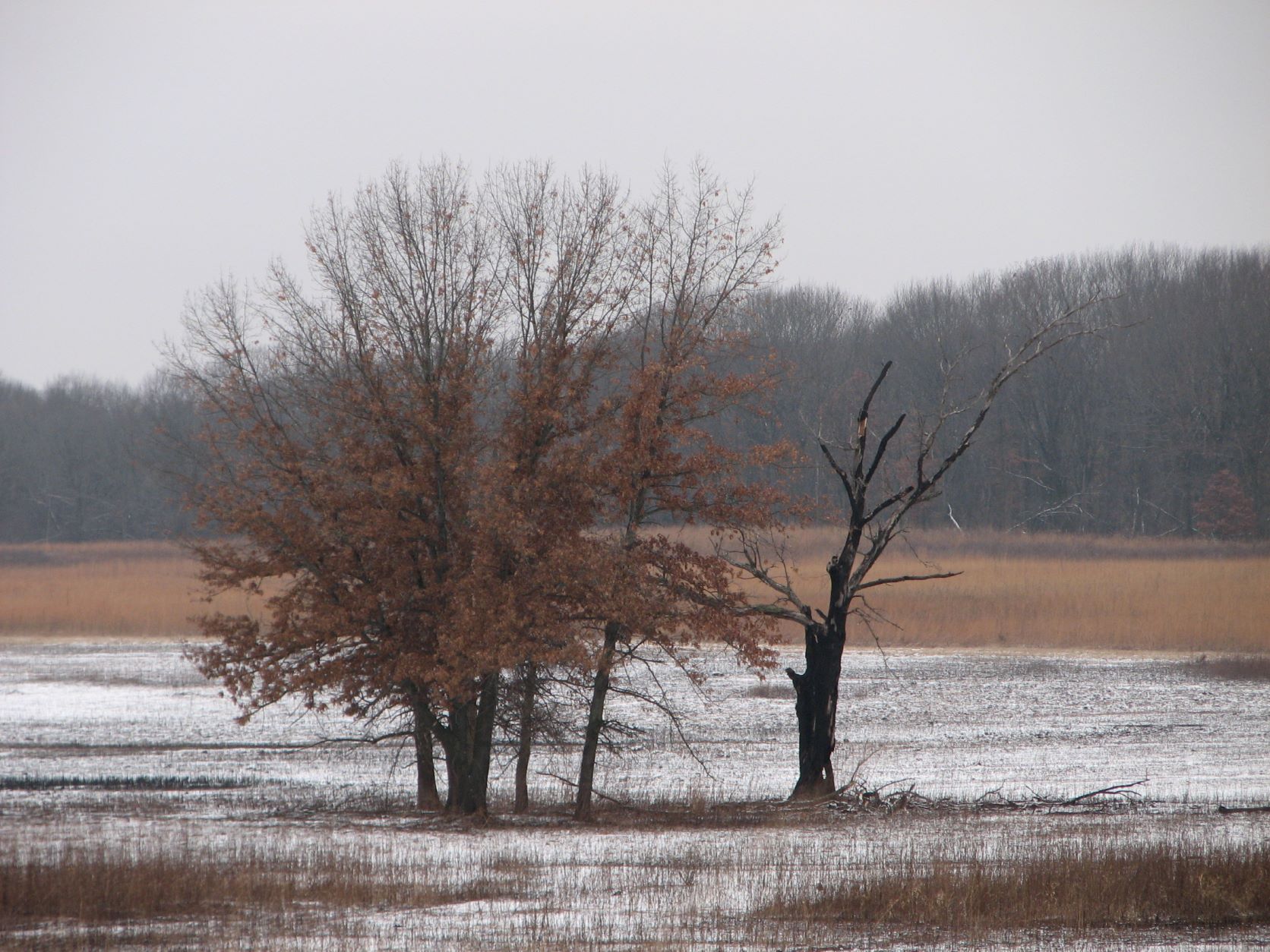
Pretty Images of Site Listed
Satellite Map of Site
Area One
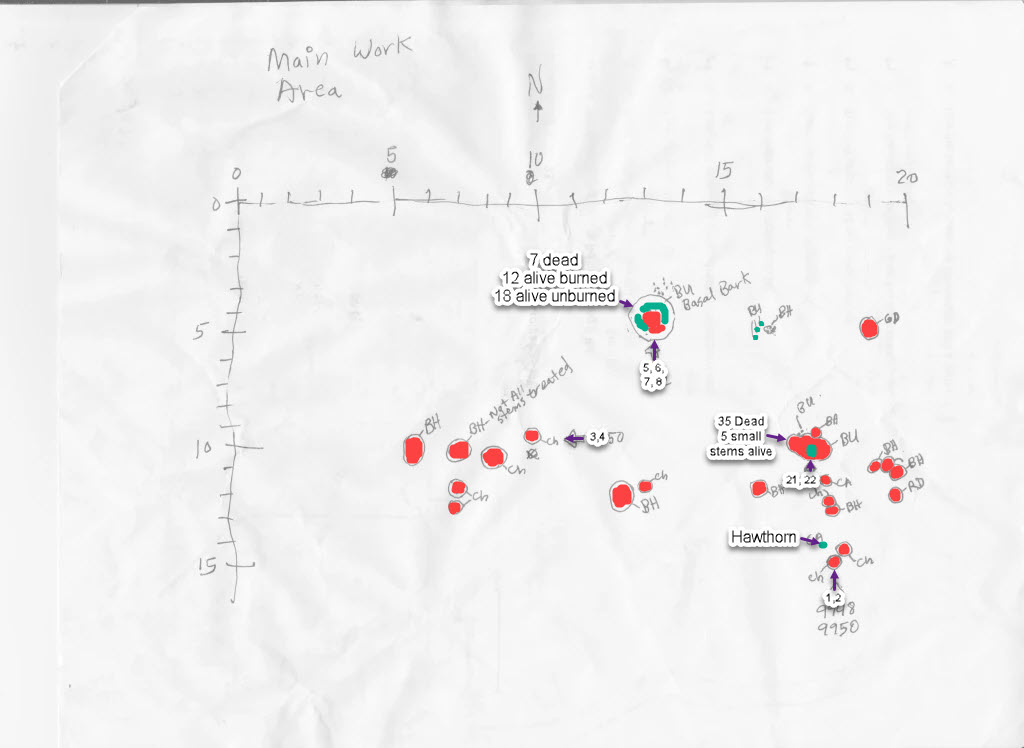
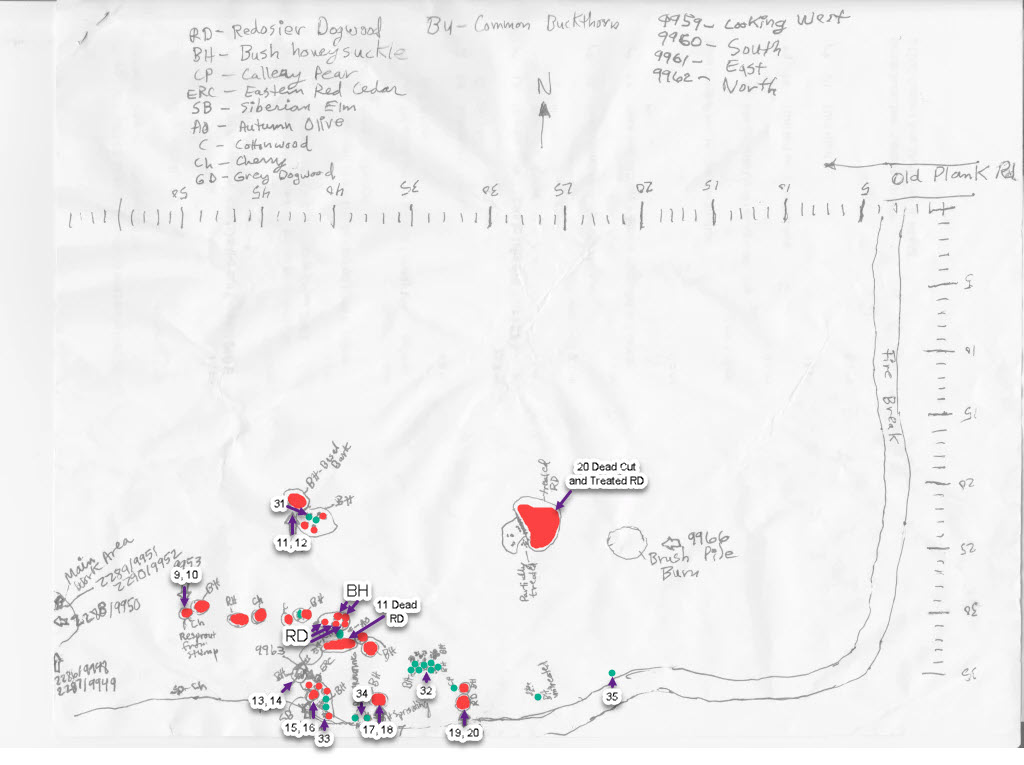
Herbicide Application Map – Numbers of Images Labelled on Map
Treatment Effectiveness (preliminary)
Ring of Death
Fires’ Impact on Herbicide Application Effectiveness
Fire as a Method to Control Woody Invasive Species
Comparison Images Between January 7th and May 5th
Bush Honeysuckle That Survived Treatment
Area Two
Views of Prairie, Brush Clearing Area, and Burn Scar
Area Three
Sumac Control Area
Area Four
Sumac Control Area
Area Five
Teasel Control, Location Where Herbicide Had Been Sprayed Previously, And Creamy False Indigo
Suggestions
Warning Flag
Earlier Post
Pretty Images of Site
26 Flowers in Foreground in Image of Area One
36 Prairie Phlox and Golden Alexanders in Area Two
37 Prairie Phlox and Golden Alexanders Longer View From Side
45 Creamy Wild Indigo in Area Three
Satellite Map of Site
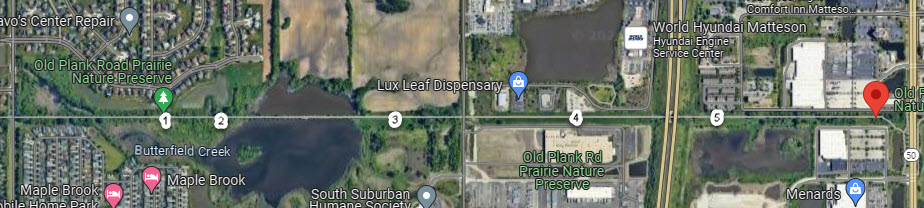
Retrieved May 5th, 2024
https://www.google.com/maps/place/Old+Plank+Road+Prairie+Nature+Preserve/@41.4988491,-87.7639648,411m/data=!3m1!1e3!4m6!3m5!1s0x880e17140b9a6161:0x732d0ed34fef7d4f!8m2!3d41.4990697!4d-87.7339454!16s%2Fg%2F11f5v0p0gl?entry=ttu
Area One
Herbicide Application Map
The red marks plants, or patches of plants, that are dead. The green marks if they are alive.
The numbers and arrows indicate the images that were taken from each location and the direction.
The code used for species is on the second herbicide application map that covers more of the site.
Treatment Effectiveness
Bush Honeysuckle
I counted 23 dead bush honeysuckles, 13 alive bush honeysuckles, and two that look like they have a 50/50 chance of dying from the application. I included the bush honeysuckle that looked like part of it would recover completely in the alive group but did not include the bush honeysuckle I gave a 50/50 chance of dying in the analysis. By my count, the treatment effectiveness is 64 percent. This is low. One grouping of seven bush honeysuckles I marked as treated did not have any that were controlled. If it was not for this group, the treatment effectiveness would have been 79 percent. Some of the bush honeysuckles I marked as “alive” could still be controlled by the application. An application of Triclopyr ester in basal oil can require a second season before some plants are controlled. Therefore, these numbers should be seen as being preliminary. See discussion on individual images for more thoughts on specific these results.
Update: I was told by a reputable restoration practitioner that it can take into a second season for plants treated with basal bark herbicide to die. However, recent personal experience has not proven this to be true.
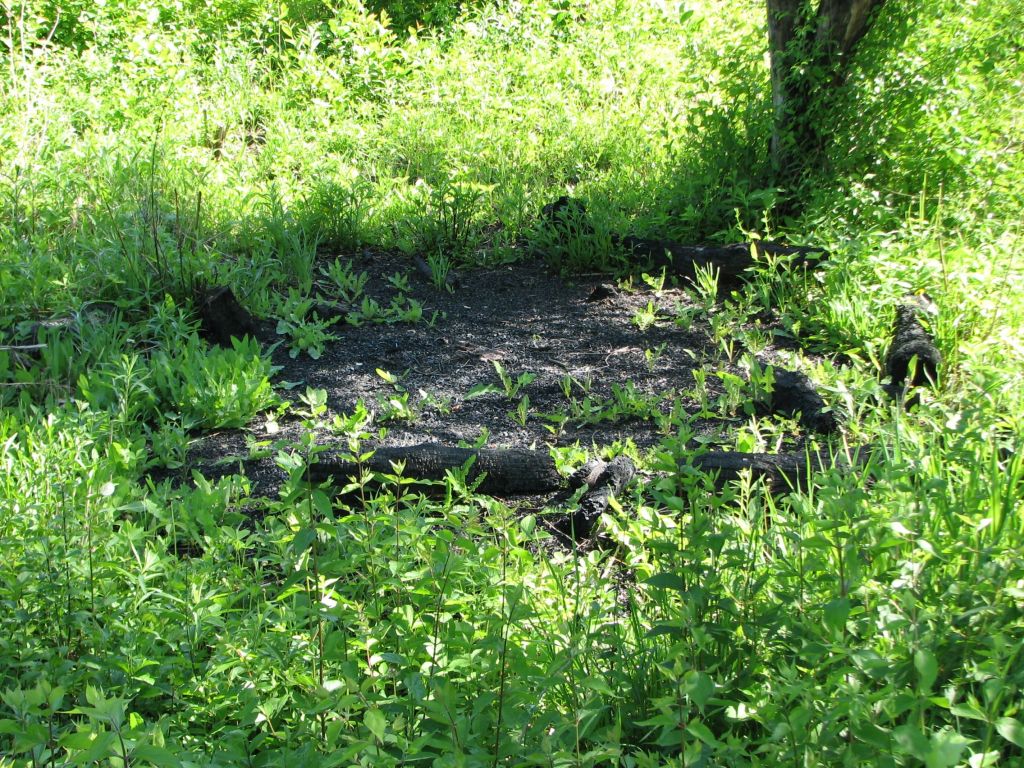
Common Buckthorn
I count 35 dead common buckthorn and three that were alive. I did not include small common buckthorn that missed receiving herbicide in the largest group. I also did not include the small common buckthorns that had the herbicide applied to the basal bark in this analysis. The treatment effectiveness for applications to cut stumps was 92 percent which is good.
Black Cherry
Of the 10 black cherries I marked as being treated with herbicide, all 10 were controlled. I remember one treated black cherry I did not mark on my map having one sprout. Regardless, this is about complete control.
Redosier Dogwood
All treated redosier dogwoods were controlled.
Other Species
I did not calculate treatment effectiveness for other species since the number of individuals was too low.
Ring of Death
Wet snow occurred two days after Triclopyr ester in basal oil was applied to the stumps. I suggest not applying this herbicide if rain/wet snow is forecasted within the next four days (longer being better). In the images below, the ring-of-death is visible as I had predicted in the post on my January 7th visit. What I did not realize at the time was the area where work was occurring was mostly pasture grasses and grazing tolerant prairie species (like stiff goldenrod, Oligoneuron rigida). Higher quality prairie species were few and likely had spread into the work area after the location was purchased for protection. High quality prairie is located on the slope near the old railroad bed. Considering the work area was mostly triclopyr tolerant pasture grasses, the herbicide that was washed into the soil by the wet snow did not cause lots of visible damage to non-target vegetation. However, in my opinion a ring of death is still visible as reduced vegetation around treated stumps. Impacts on soil from triclopyr ester in basal oil being washed into the soil are not as readily apparent and must be observed by how the vegetation recovers over time.
Fire’s Impact on Herbicide Application Effectiveness
Conducting a prescribed burn the spring after applying triclopyr ester in basal oil to stumps/stems had less of an impact, if any impact, on the application effectiveness than I had predicted. I had predicted a treatment effectiveness of 20 to 40 percent. A study soon to be published, by Kaleb Baker, found no evidence prescribed burning after spraying triclopyr ester in basal oil on bush honeysuckle (uncut) impacted the effectiveness of the herbicide application.
These two examples left me worrying that I was wrong that prescribed burning impacts the effectiveness of applications of triclopyr ester in basal oil. Applications I had done over an entire season showed decreasing effectiveness as the applications were done closer to a spring prescribed burn. This is something I have not seen in applications that did not have a prescribed burn occurring afterwards.
It took me a lot of consideration to realize what might cause the disparity between the results at Old Plank Road Prairies and Kaleb Baker’s Study compared to results from applications I had done before a prescribed fire. What I finally realized was different between the applications I had done, compared to the Old Plank Road Prairie results and Kaleb Baker’s Study, is the ring of death. When I had applied triclopyr ester in basal oil before prescribed burning there was no ring of death. If herbicide is washed into the soil by rain/wet snow (Old Plank Road Application) or gotten into the soil through overspray or herbicide running down to the ground (Kaleb Baker’s Study) then a ring of death occurs. If other plants do not grow in soil impacted by triclopyr ester in basal oil, then the target invasive species likely would not grow either. The way I apply triclopyr ester in basal oil that prevents the ring of death is likely why the effectiveness of triclopyr ester in basal oil applications done by me were impacted by spring prescribed burning.
Added 1/24/2025: Looking again at the treated stumps shown below after fire had occurred, there is another difference I did not consider previously. The treated stumps shown below are not burned down to the ground. Not even thin stems that had resprouted or dead stems burned. At most, some thinner stems were blackened. The herbicide applications I had done where effectiveness progressively declined as the application had been performed closer to a prescribed burn had a much hotter burn. It is possible the difference is, when the application I did mostly failed, the stems where herbicide was applied were killed to the ground or were burned off completely. In contrast, the fire after the applications shown below was not hot enough to kill anything other than the smallest diameter stems or completely burn off any treated stems.
Fire As a Method to Control Invasive Woody Species
The untreated sapling buckthorns in the patch that was not cut and had herbicide applied to the basal bark had many (presumably untreated) individuals that were sprouting from the ground after being burned in the fire. Fire will only kill very small common buckthorn and bush honeysuckles. Once common buckthorn and bush honeysuckle reach a few years old, they are not killed by fire. Herbicide must be applied to kill these invasive woody species. If woody species that sprout are killed to the ground by fire then when they sprout many more stems than were originally present grow. For effective treatment to occur, all stems must be treated. Conducting a prescribe burn before invasive species in an area have been treated with herbicide can create more work. Burning suppresses common buckthorn and bush honeysuckle and prevents seed production, but does not control them once they have reached a few years old. Therefore, tradeoffs must be considered between burning suppressing invasive species and preventing seed production versus increasing the number of stems which causes more work when applying herbicide.
Comparison Images between January 7th to May 5th
Images of Work Area
1 Cut Stumps

2 There was good control of woody invasive species. A ring of death is noticeable.
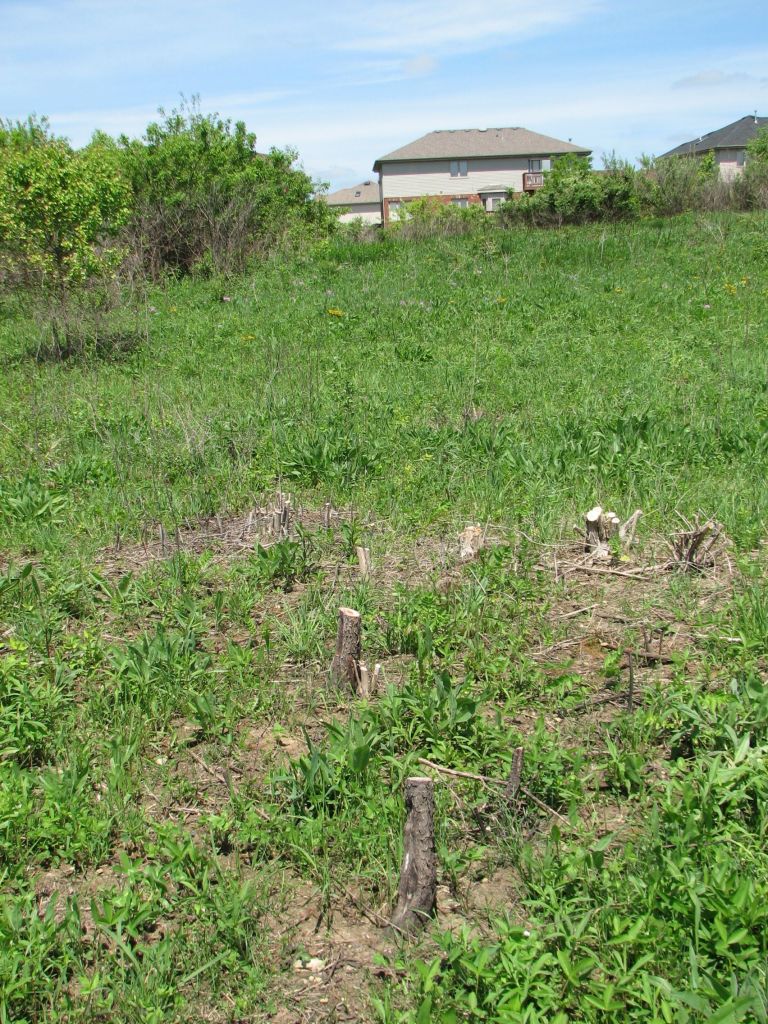
3 More Cut Stumps
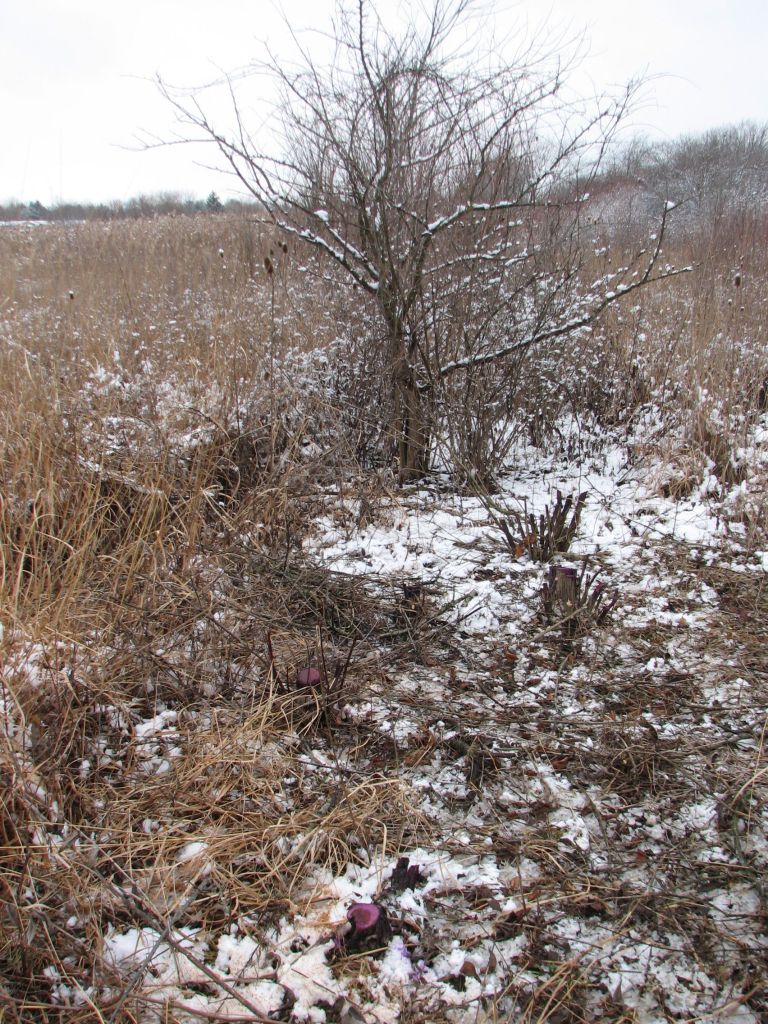
4 As before, there was good control of woody invasive species. A ring of death is noticeable.
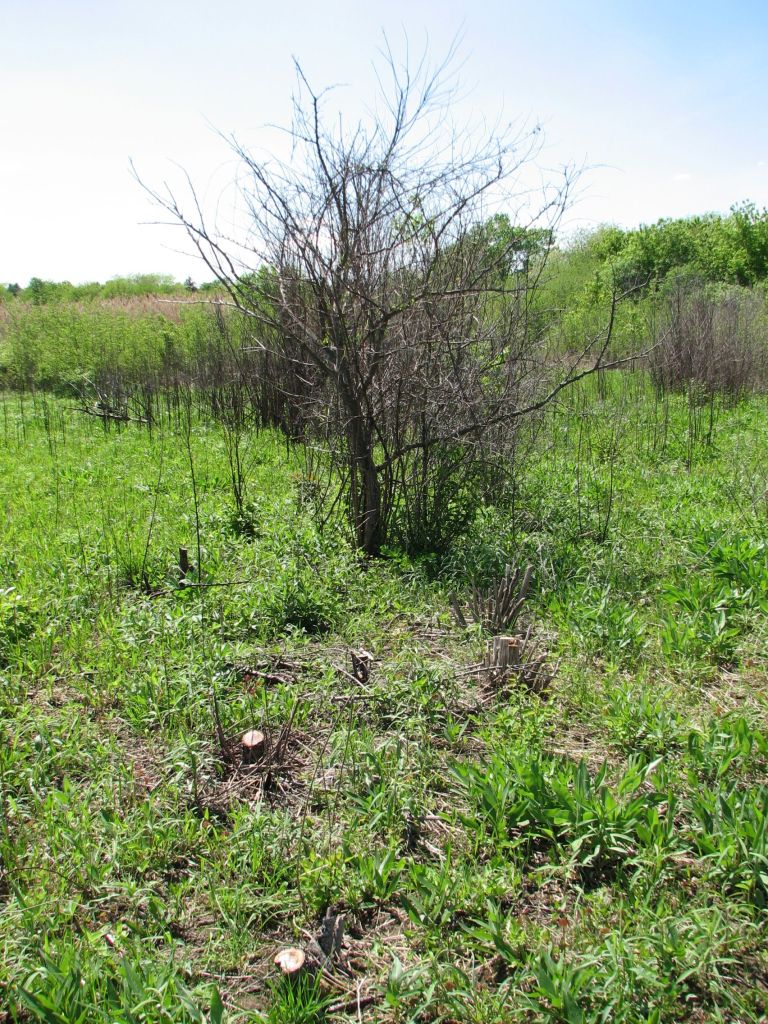
5 Clump of buckthorn saplings with triclopyr ester in basal oil applied to the bark.
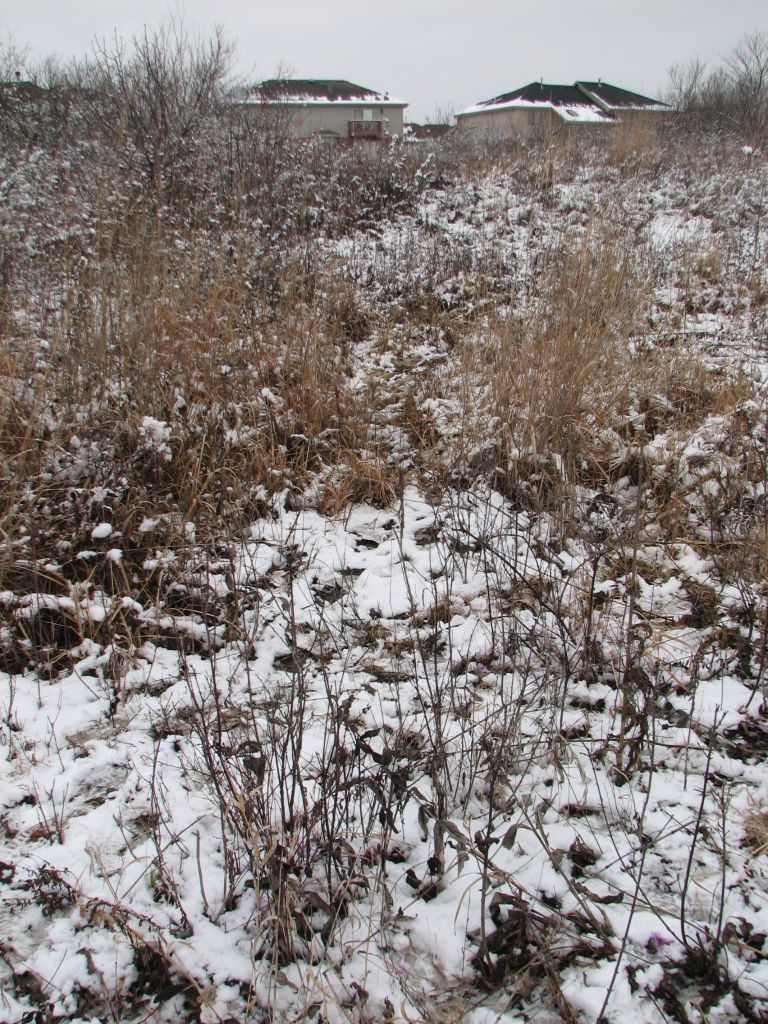
6 The same clump as above but on May 5th.
7 Closer view of buckthorn saplings with triclopyr ester in basal oil applied to the basal bark.
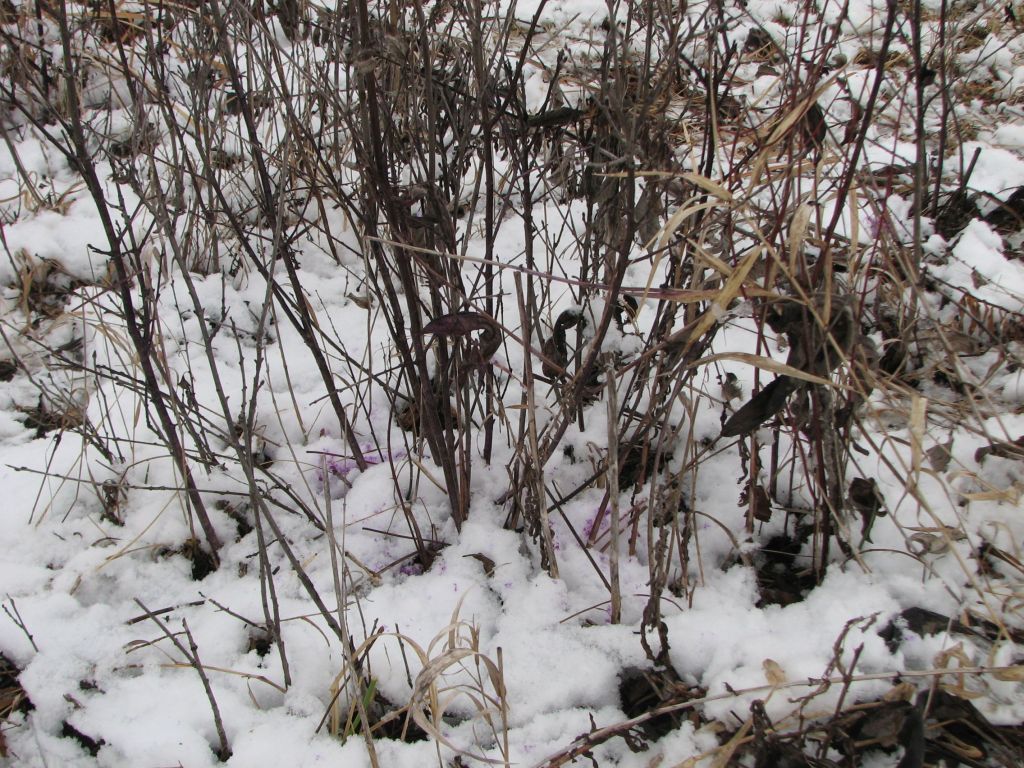
8 In the below clump of treated buckthorn saplings, I counted seven dead in the middle of the clump. There were 12 alive buckthorn saplings that had been killed back to the ground by fire. There were an additional 18 alive buckthorn saplings that had not been burned back to the ground by fire. My hope was to use the image I took on January 7th to see which stems were treated and if those had been controlled by the herbicide application. I did not realize the snow would make the image so underexposed that I would not be able to see the purple herbicide dye on the stem. However, herbicide that dripped onto the snow is visible. The stems that have herbicide on the snow around them in the above image appear to be dead in the below image. The 18 alive buckthorn saplings that had not been burned back to the ground were likely alive because they were not treated with herbicide. Every stem in the clump had not been treated.
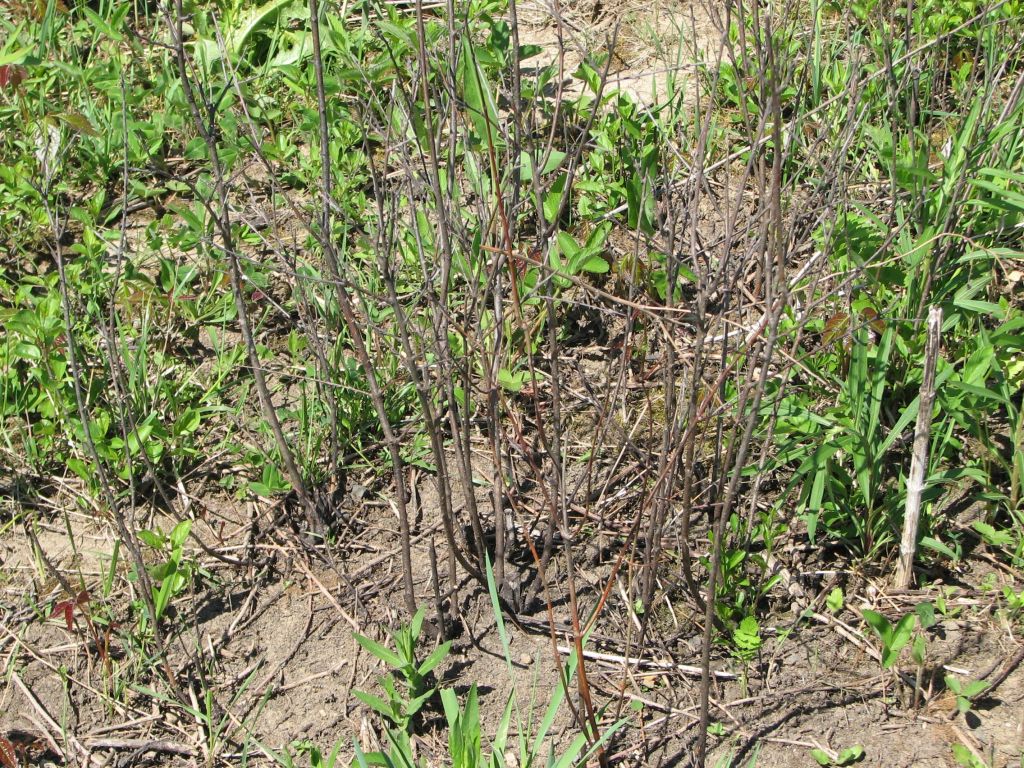
9 Treated bush honeysuckle and black cherry.
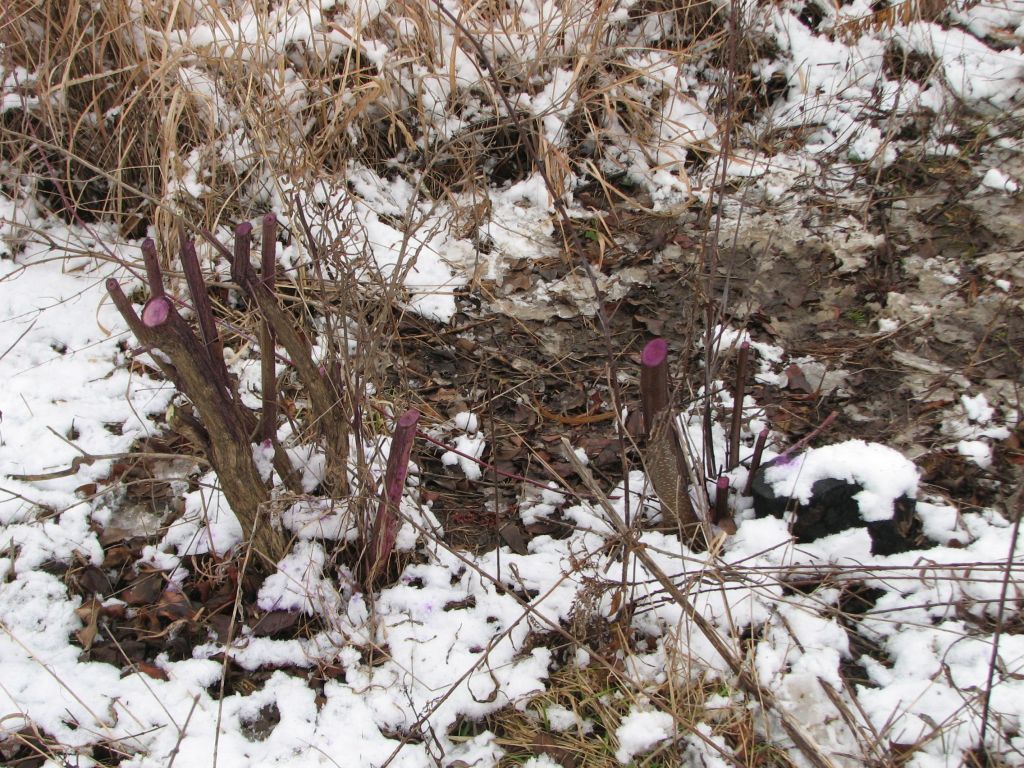
10 Dead bush honeysuckle and black cherry.
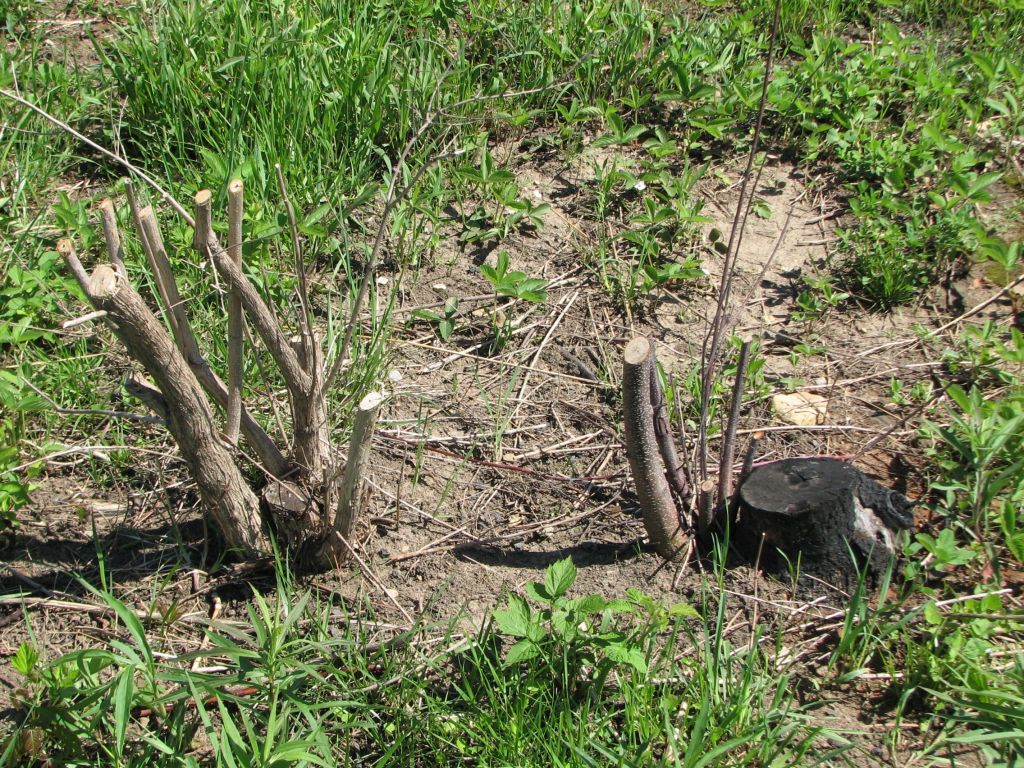
11 Asian bush honeysuckle that had triclopyr ester in basal oil applied to uncut stems on one half and cut stems on the other half.
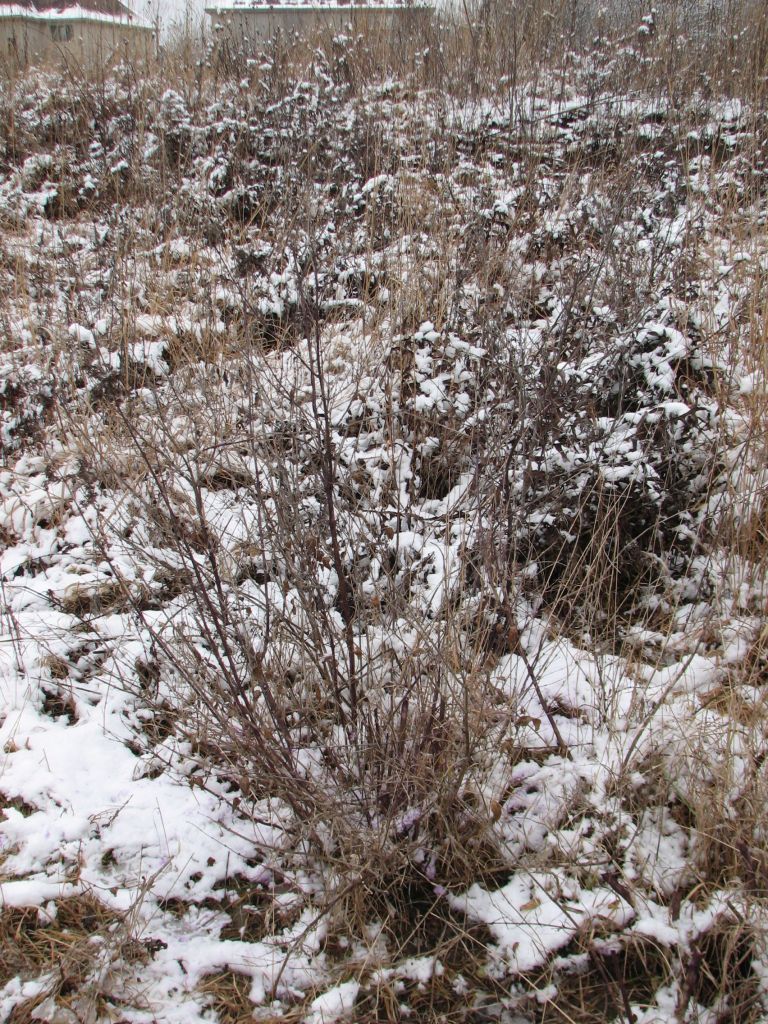
12 Both the cut stems and uncut stems were killed by the application of herbicide. This shows when treating shrubs that have been killed back to the ground and sprouted that cutting the stems before treatment is not necessary. The sprouts have thin bark which allows the herbicide to be translocated easily into the plant. The cut surface on cut stems has a small surface area. When doing basal bark application, coating the cut surfaces does not contribute much toward control when stems are thin compared to what needs to be applied to the bark to get good control.
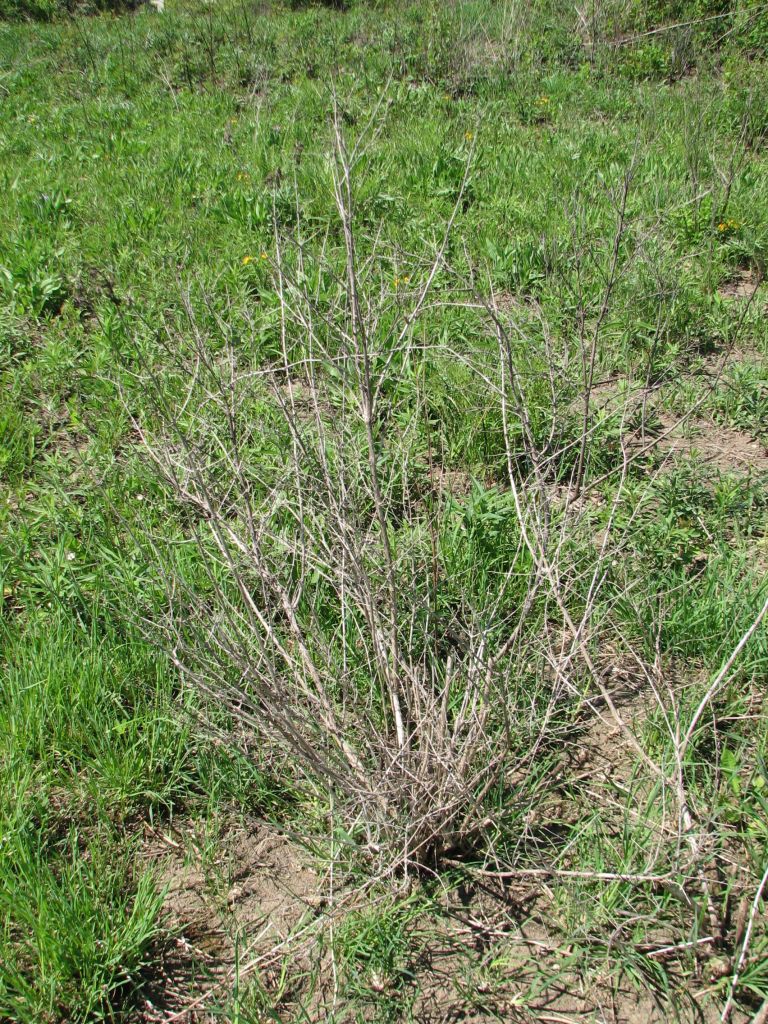
13 Redosier dogwood with herbicide dripped onto the snow.
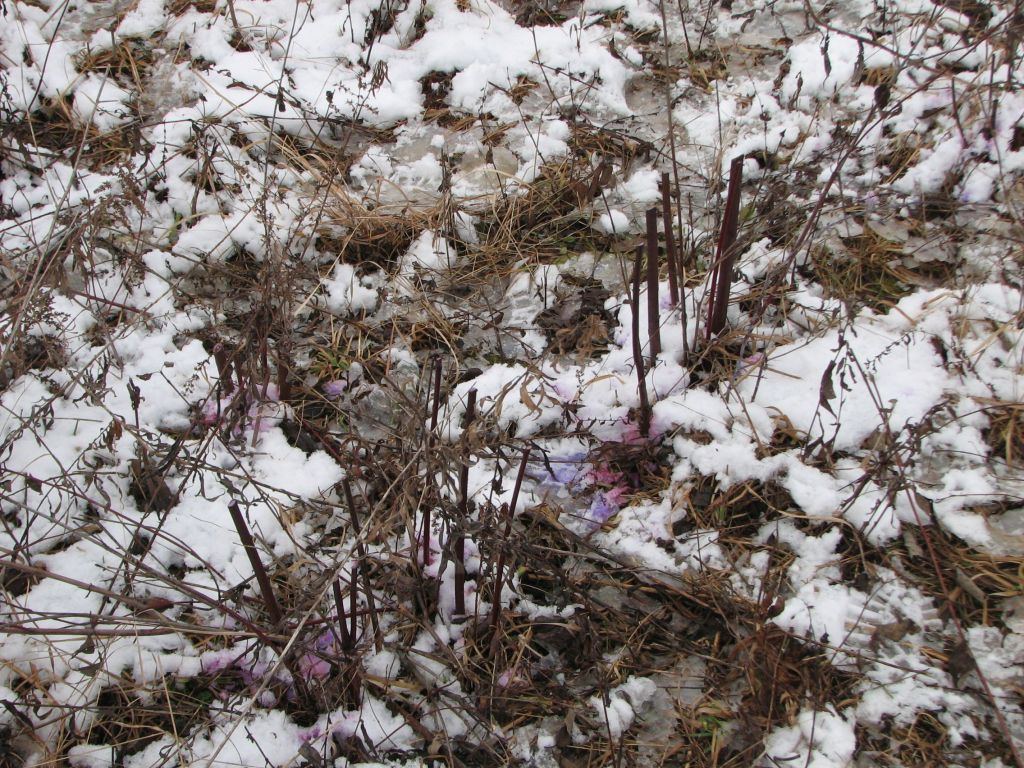
14 Herbicide dripped onto snow did not have much of an impact since the area was mostly pasture grasses which are more tolerant of triclopyr products.
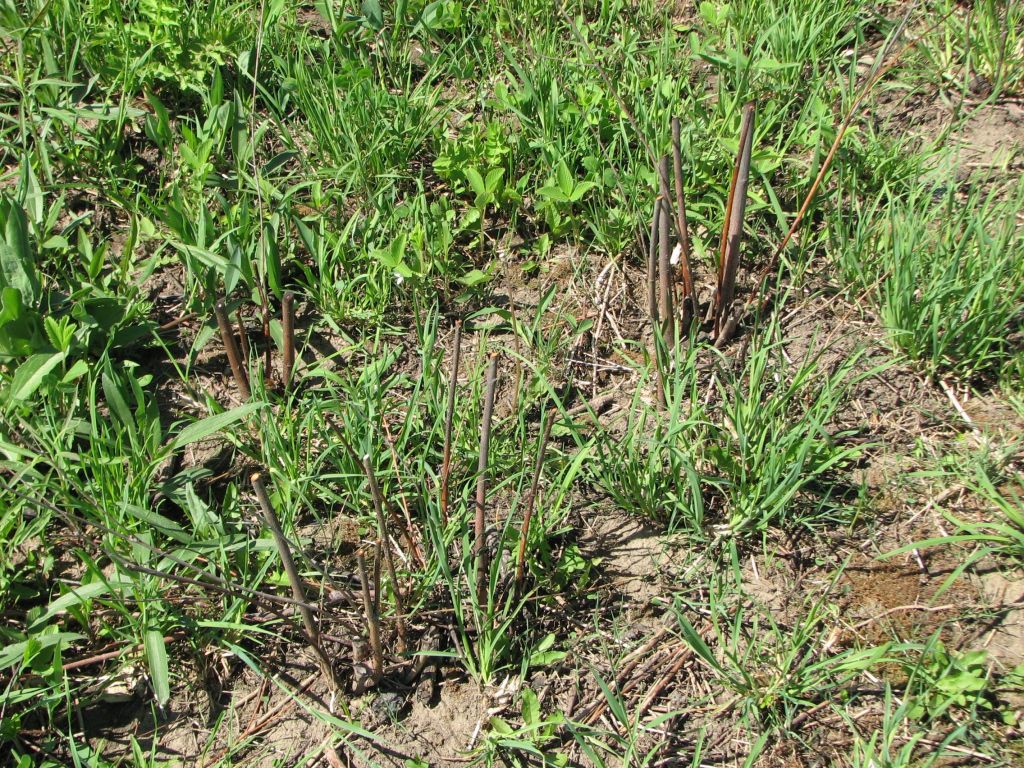
15 Treated Stump
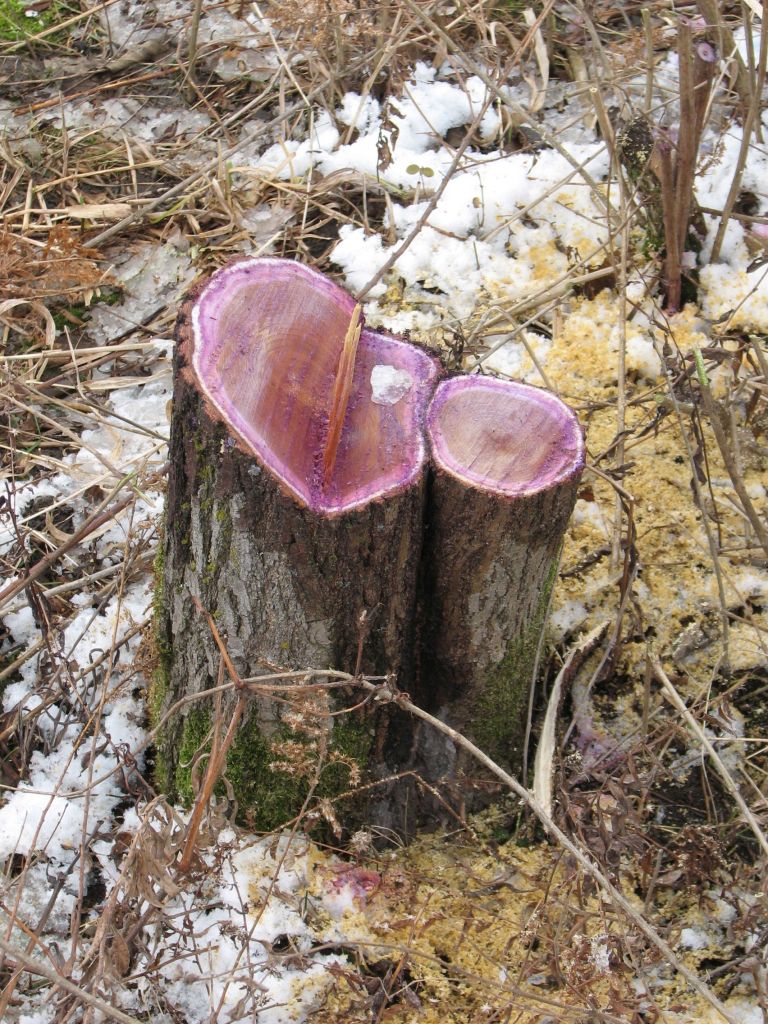
16 The ring of death is less than I expected. There are red clover and strawberries growing near the base of this stump.
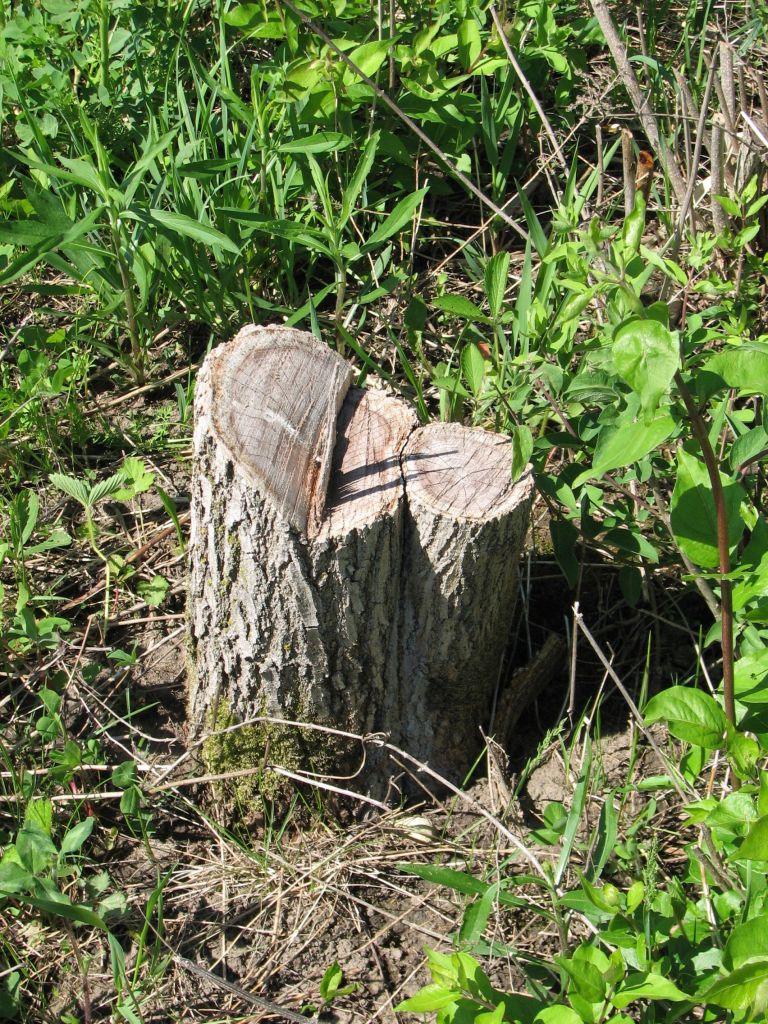
17 Sprouting Bush Honeysuckle That Had Sprouts Cut Before Treatment
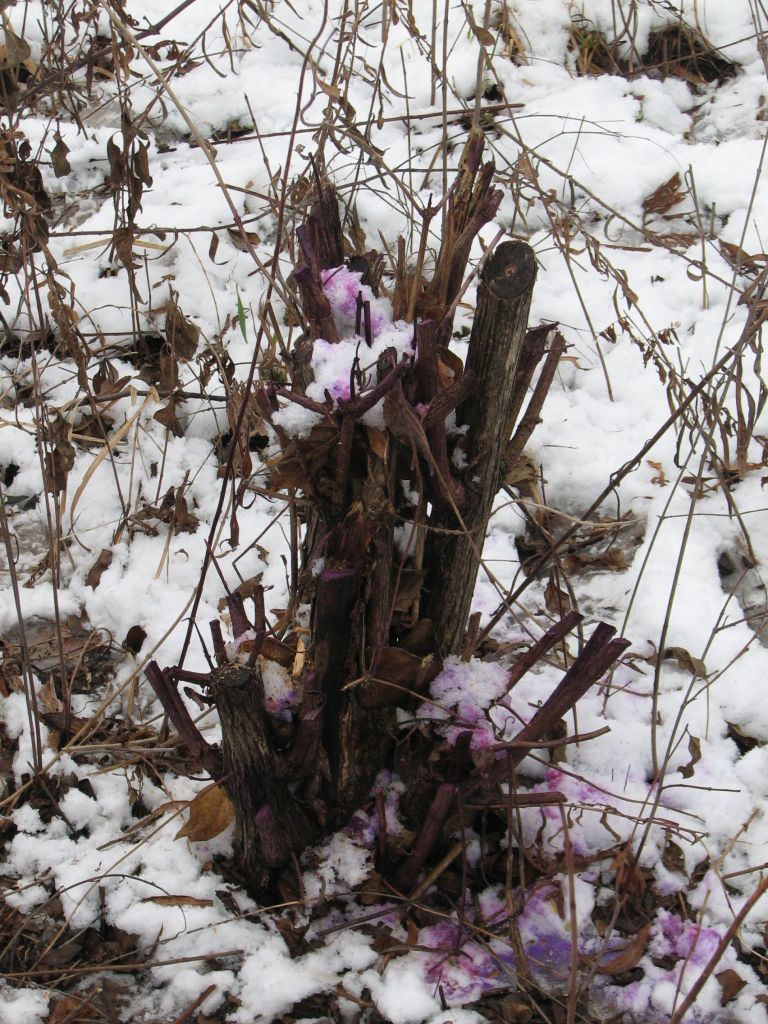
18 Dead Bush Honeysuckle Stump
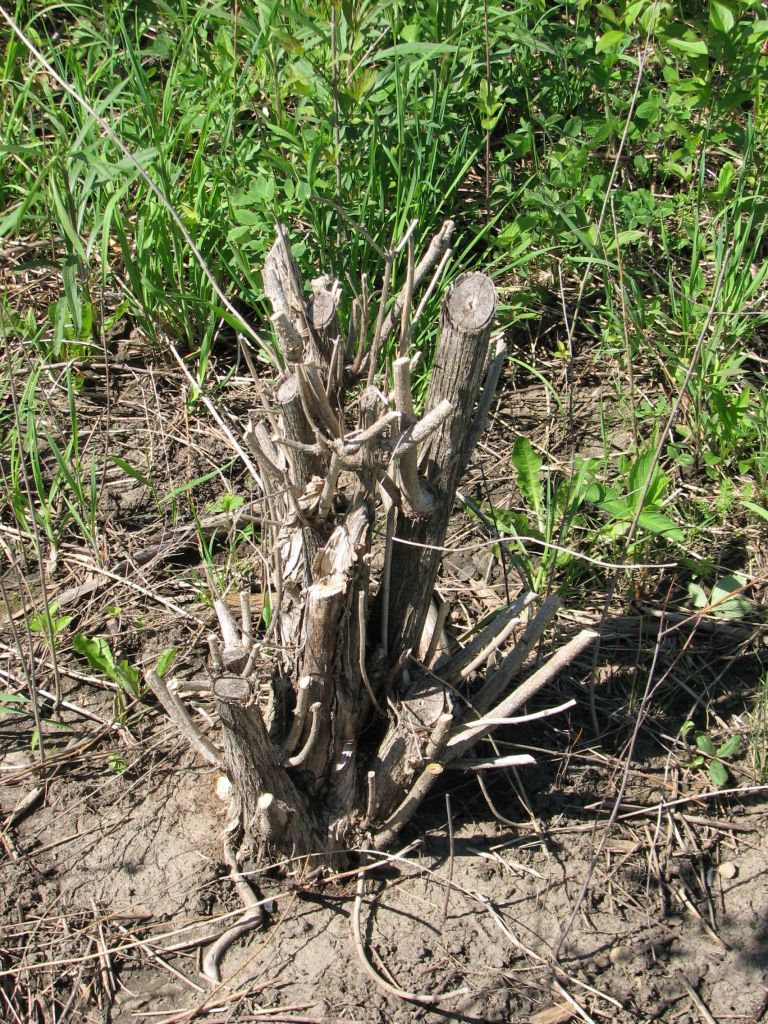
19 Redosier Dogwood

20 Dead Redosier Dogwood
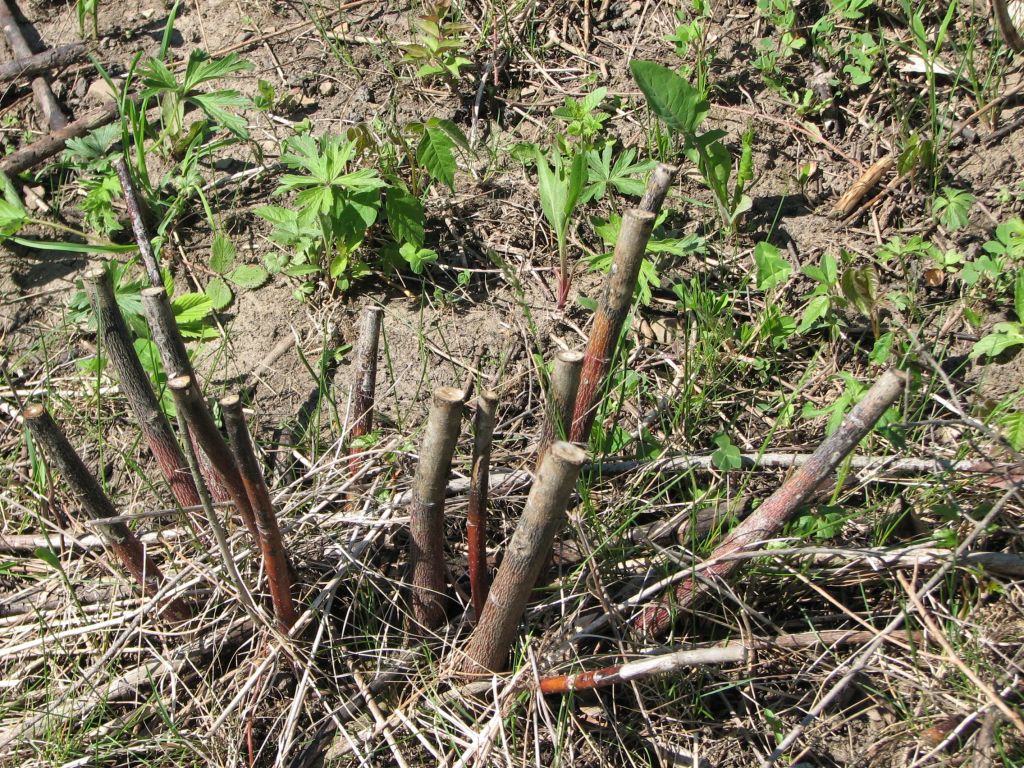
21 Largest Grouping of Cut and Treated Common Buckthorns

22 Dead Common Buckthorn Stumps
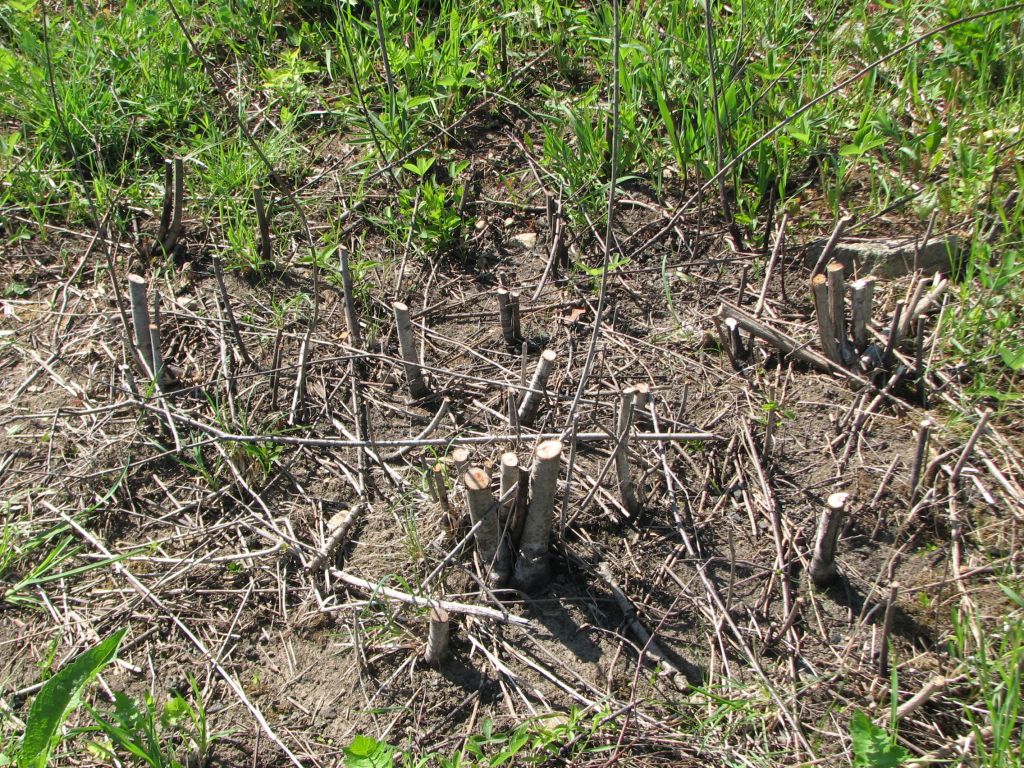
Views North, South, East, West
North
23
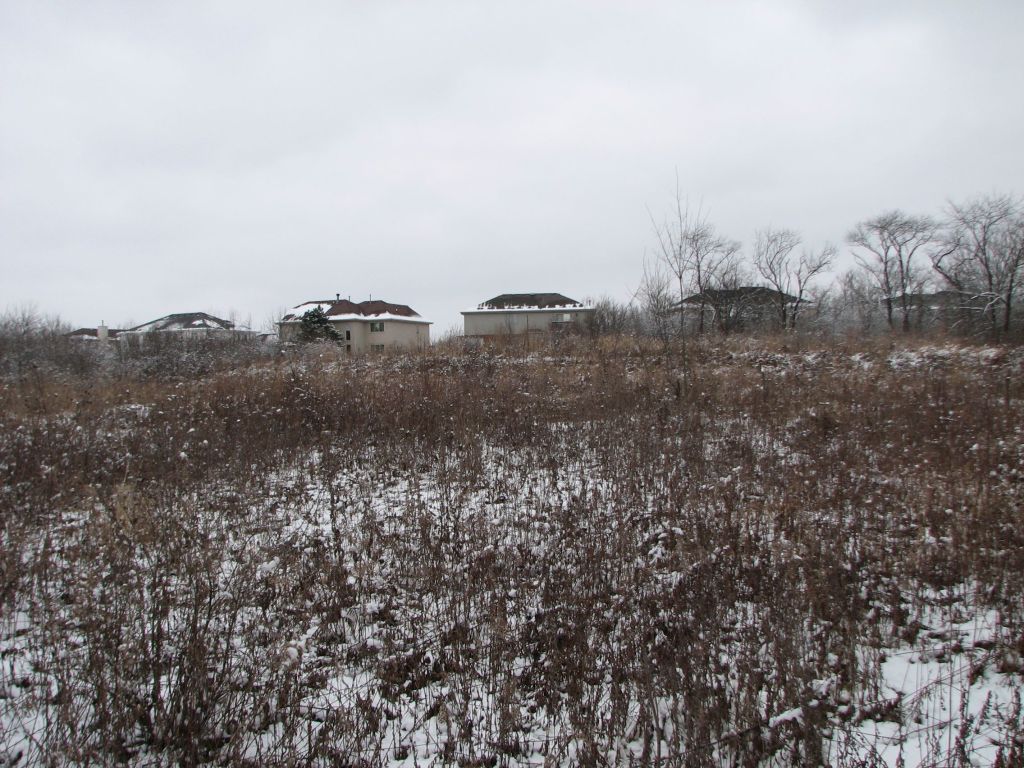
24
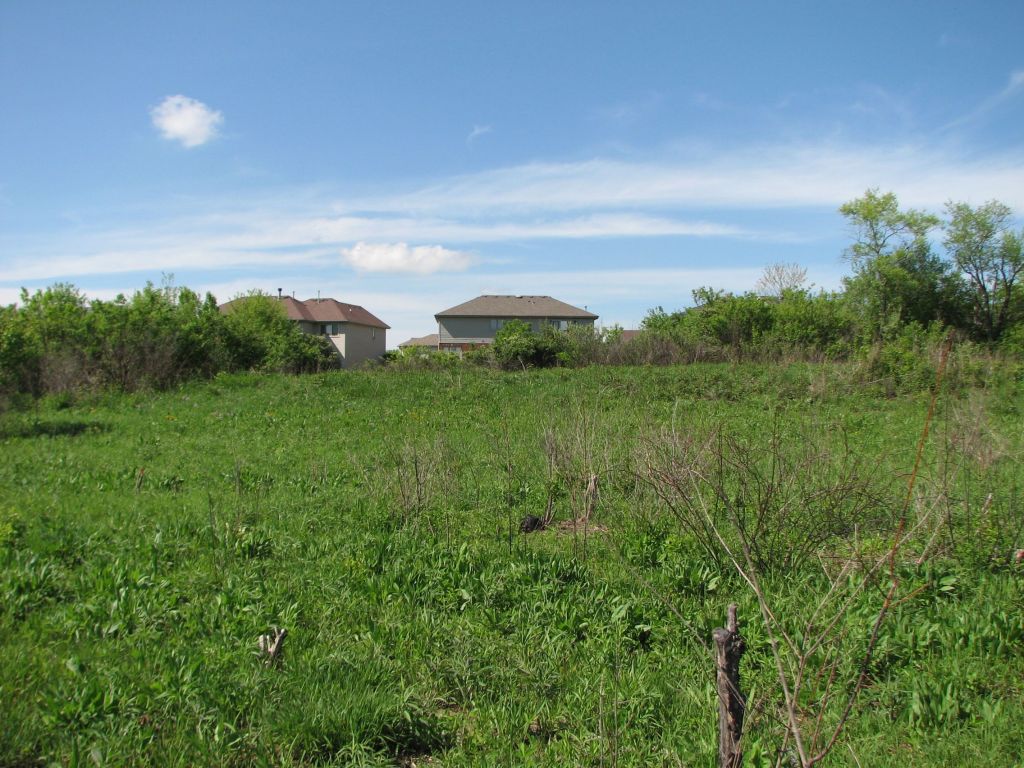
South
25

26 Notice in the below image there are high quality prairie species in the foreground but not further away in the work area.
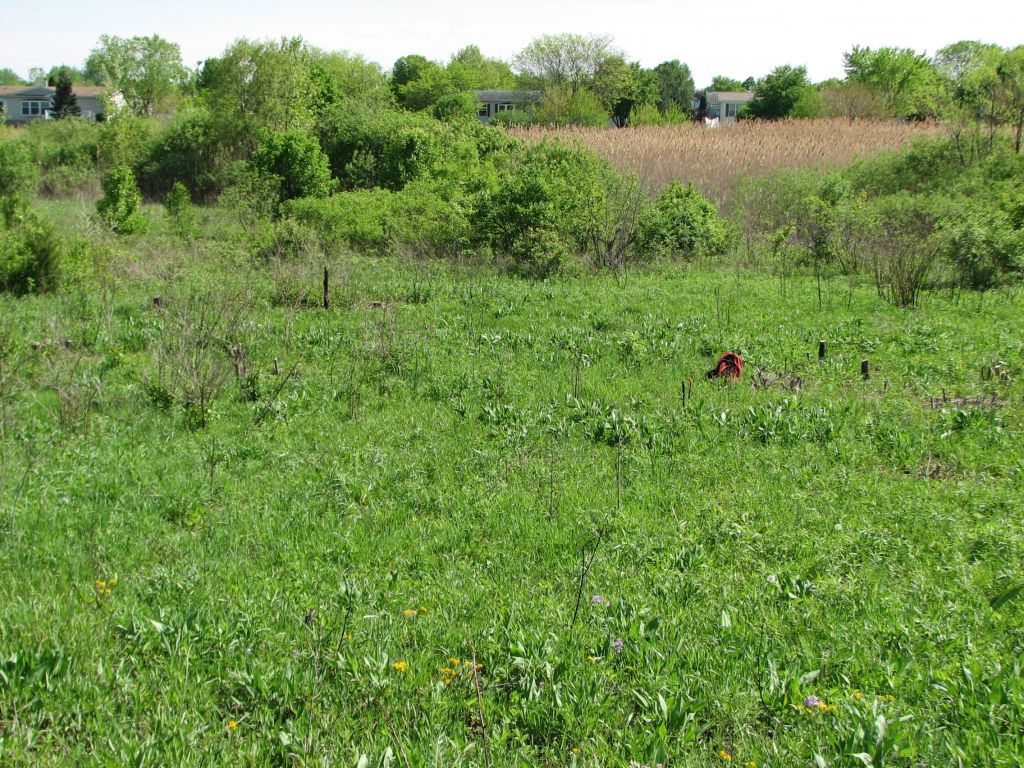
East
27

28
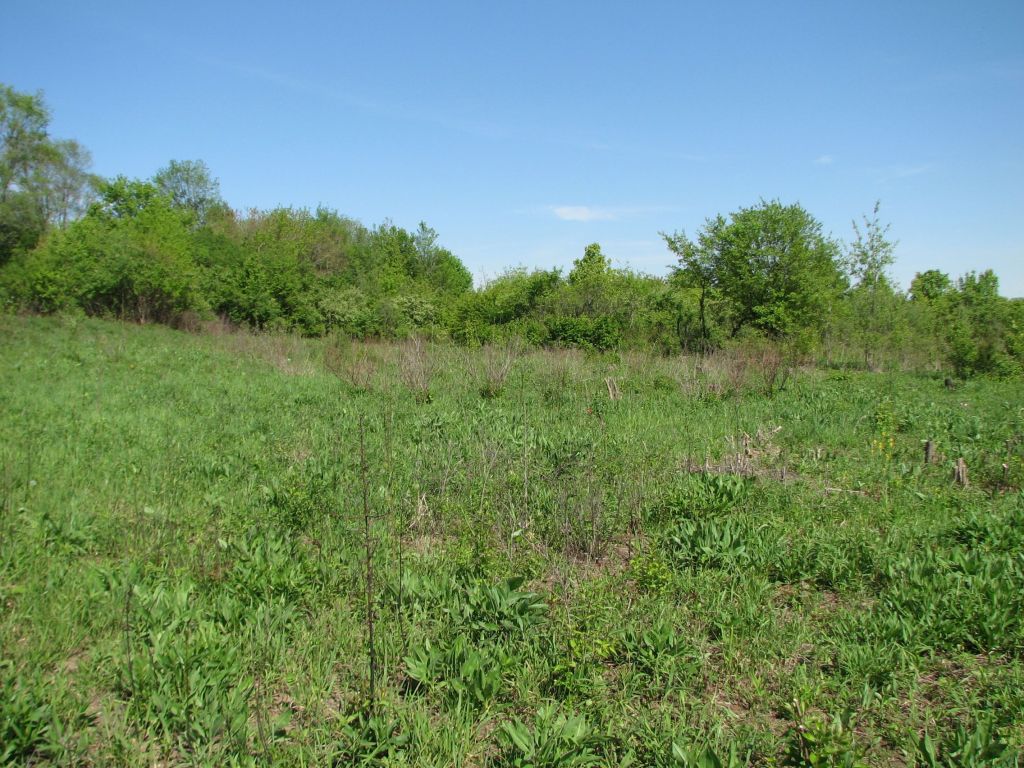
West
29
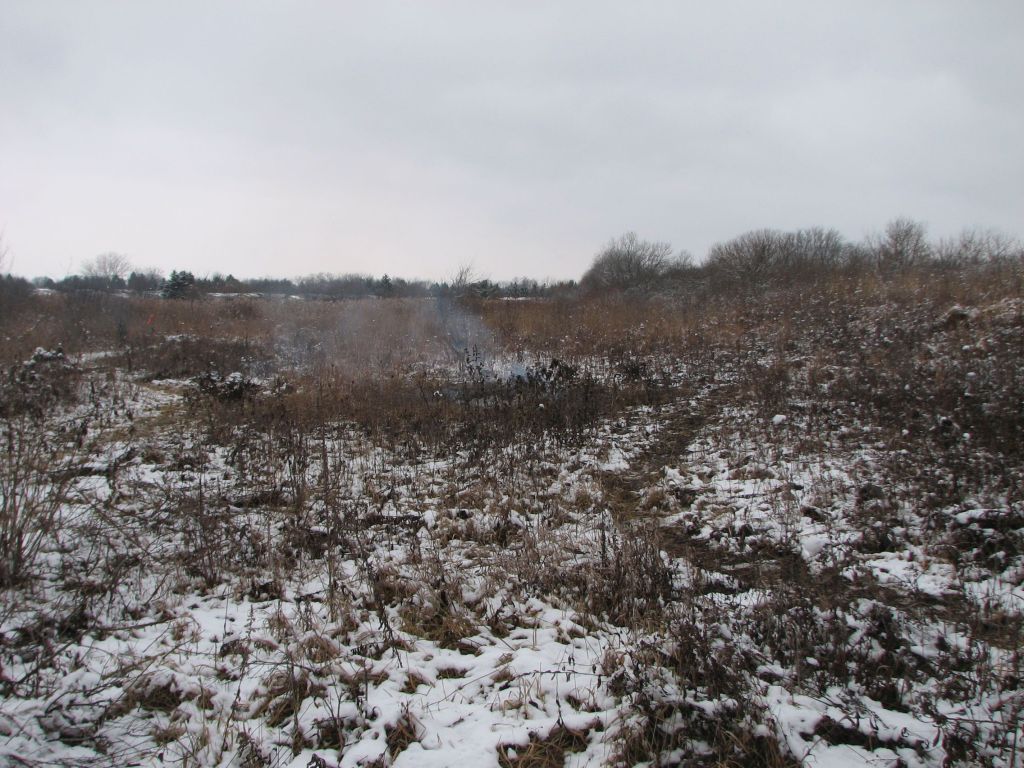
30
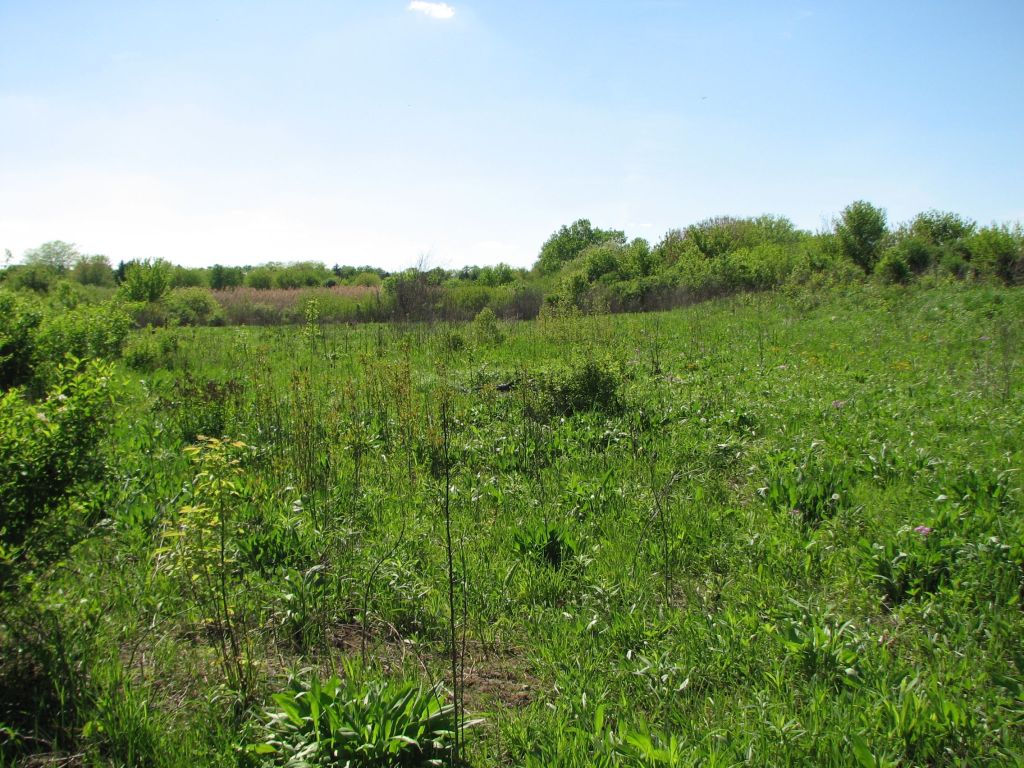
Bush Honeysuckle That Survived Treatment
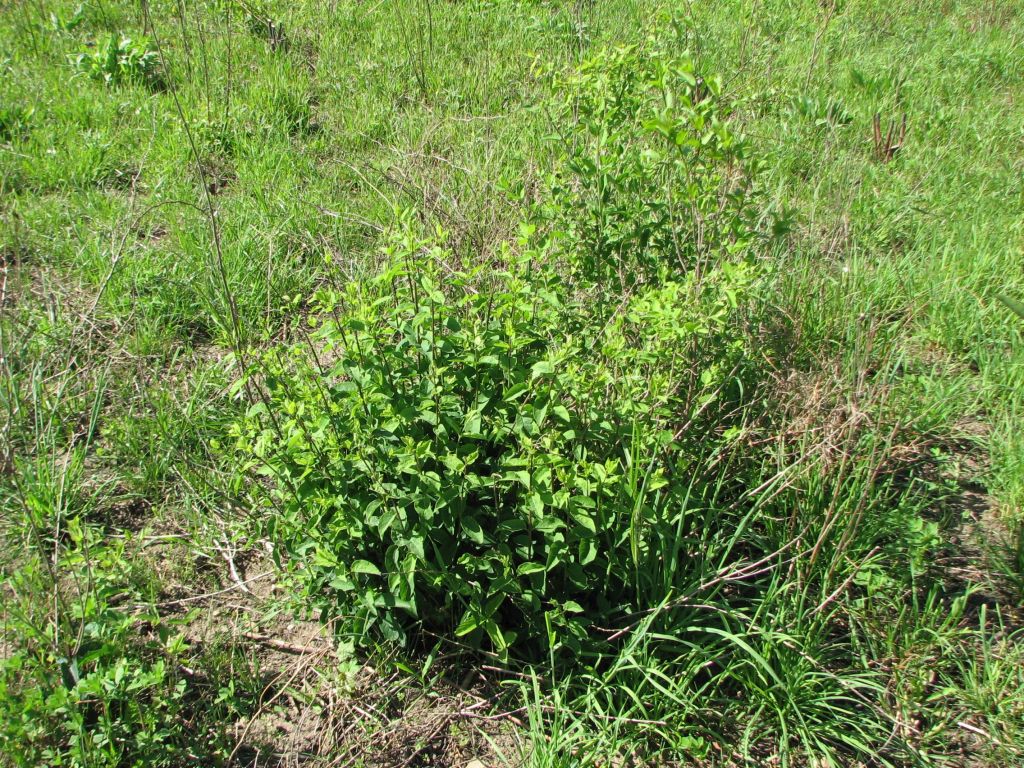
31 From my experience, I believe the below herbicide impacted Asian Bush Honeysuckle have a 50/50 chance of being killed/or surviving the herbicide application.
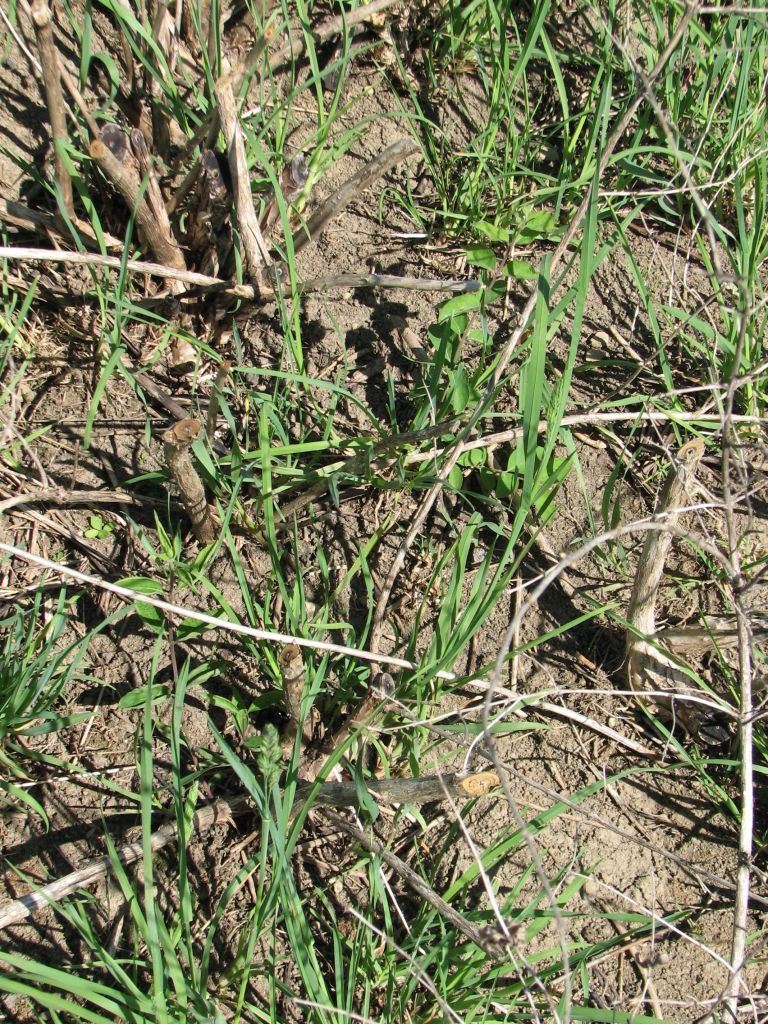
32 Group of bush honeysuckle that survived being cut and having triclopyr ester in basal oil applied to the stump. I have no explanation as to why all the bush honeysuckle in this group survived. Possibly they received less herbicide. I wish I had taken an image of them after herbicide had been applied.
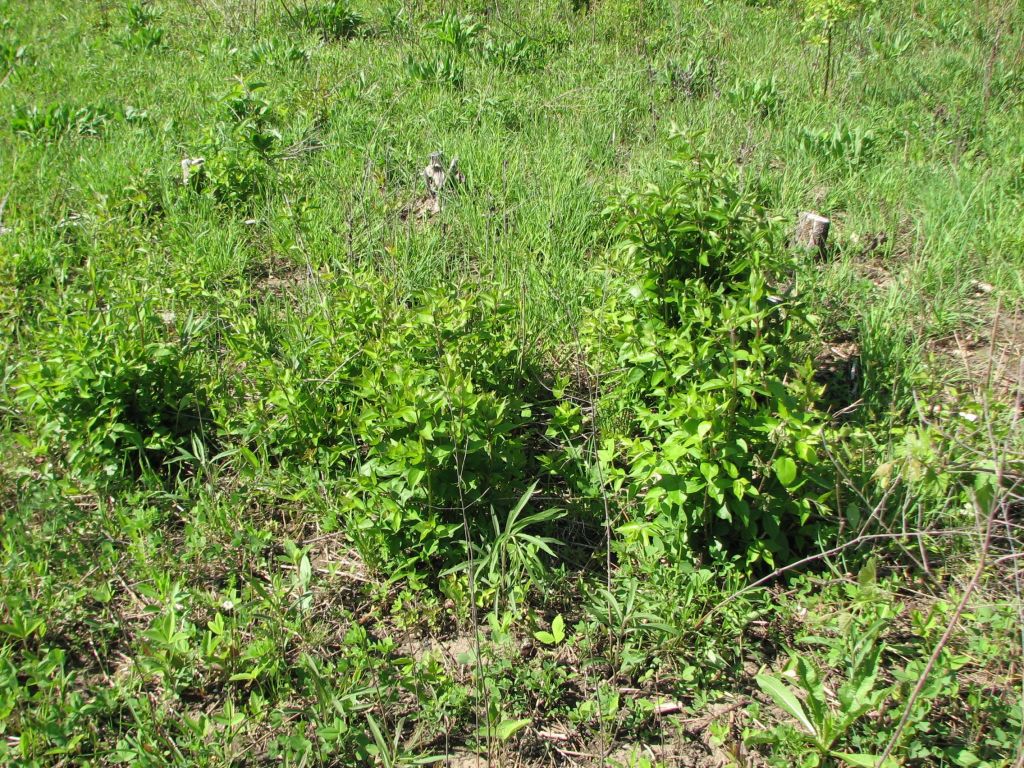
33 Bush honeysuckle that survived in a group of treated stumps where all the other stumps had been killed.
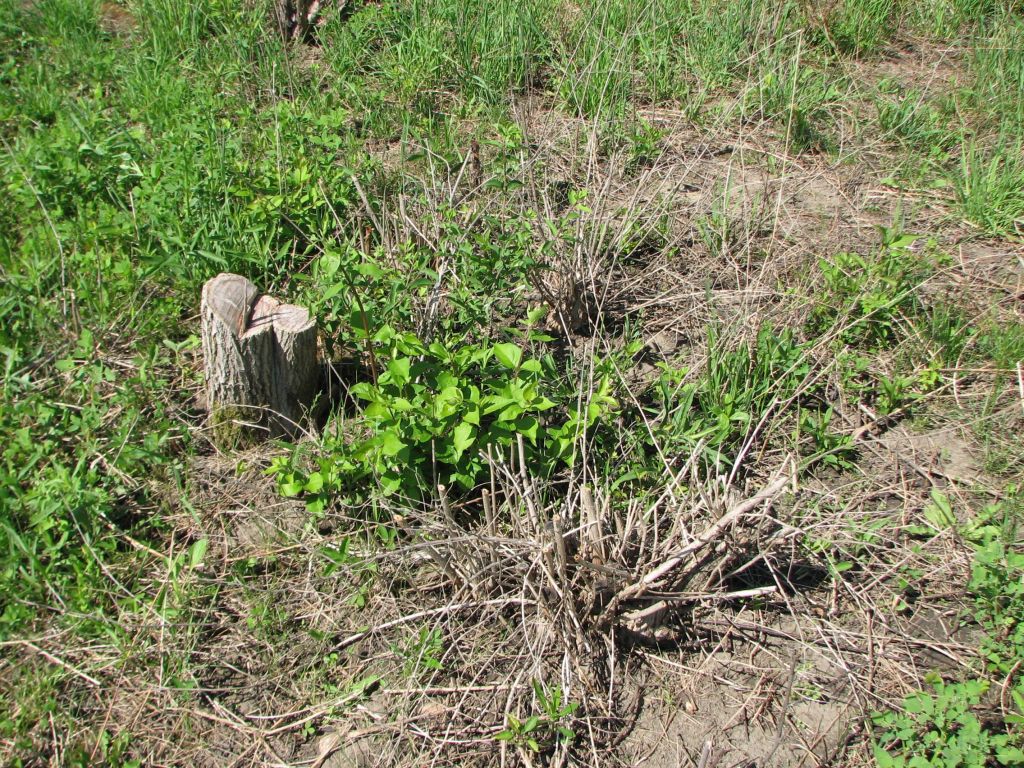
34 Two bush honeysuckles that survived herbicide treatment looking away from work area.
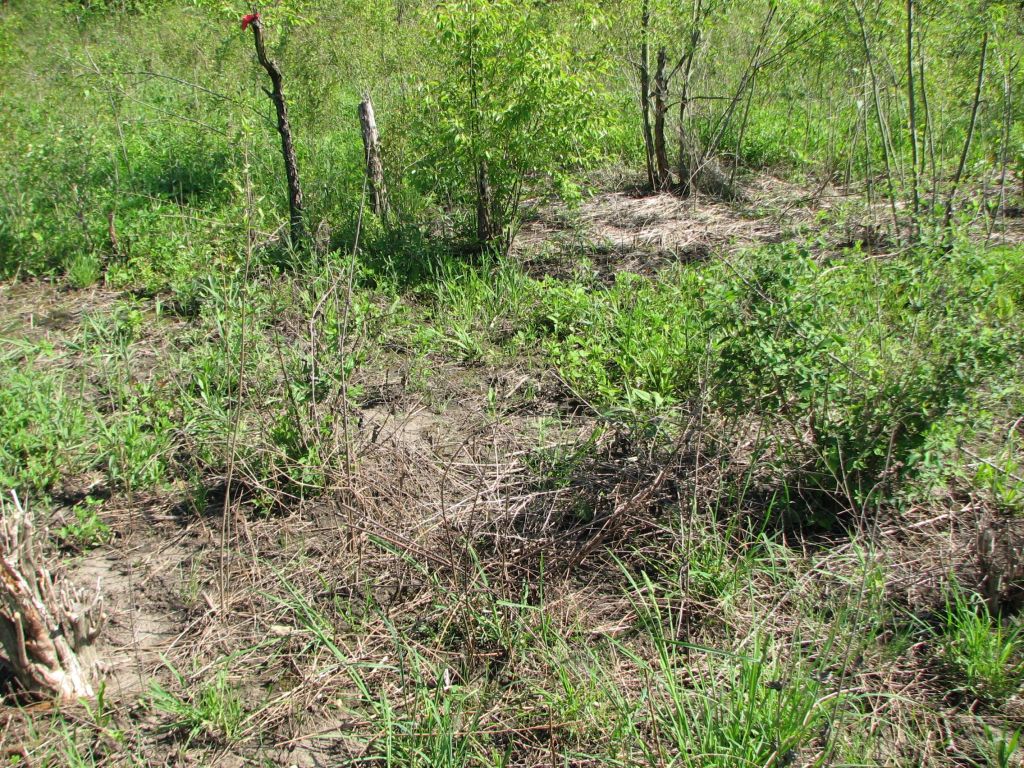
35 A bush honeysuckle I did not mark as being treated with herbicide. However, it was cut and the foliage is showing herbicide impacts so I included a picture of it here. It may have been cut and treated at an earlier workday.
Area Two
36 The reddish flowers in the front are a non-native columbine. The pink flowers in the prairie are prairie phlox. The yellow flowers are golden Alexanders.
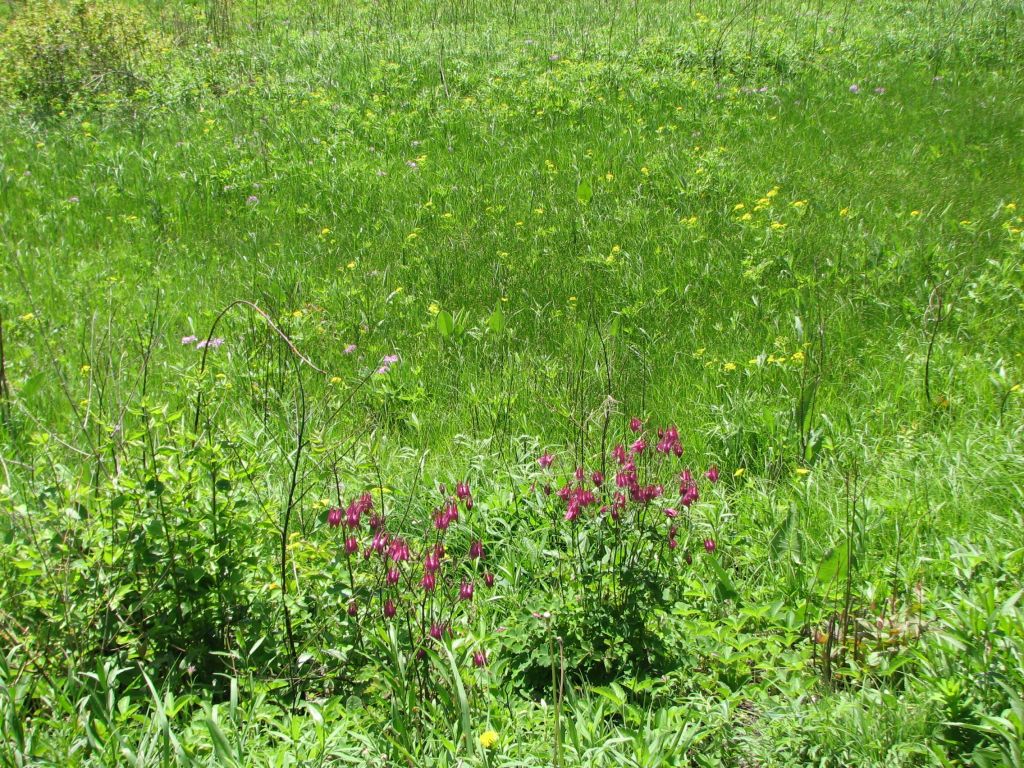
37 Long view of prairie.
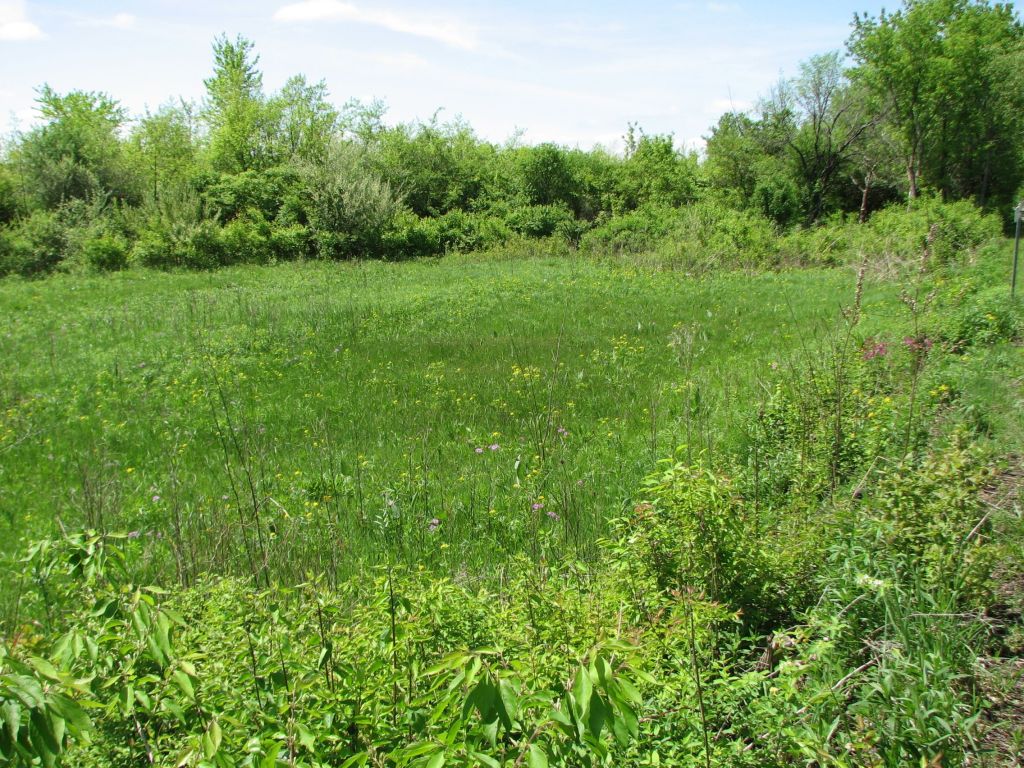
38 Area to east where woody species have been cut and piled.
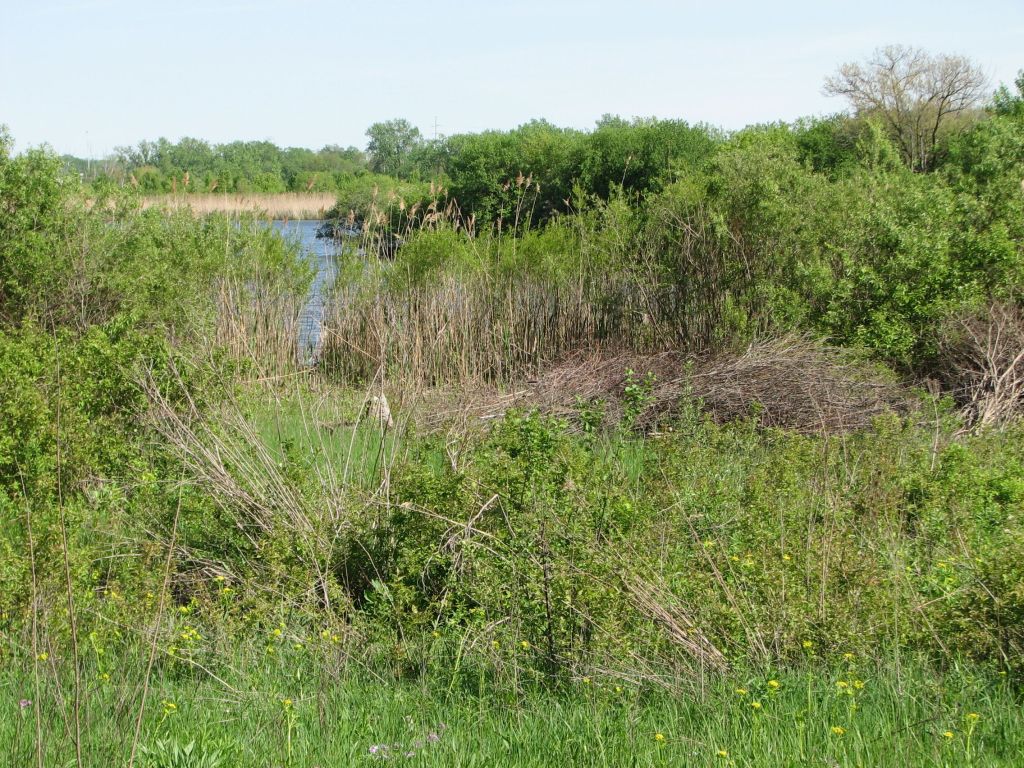
39 Burn Scar
Area Three
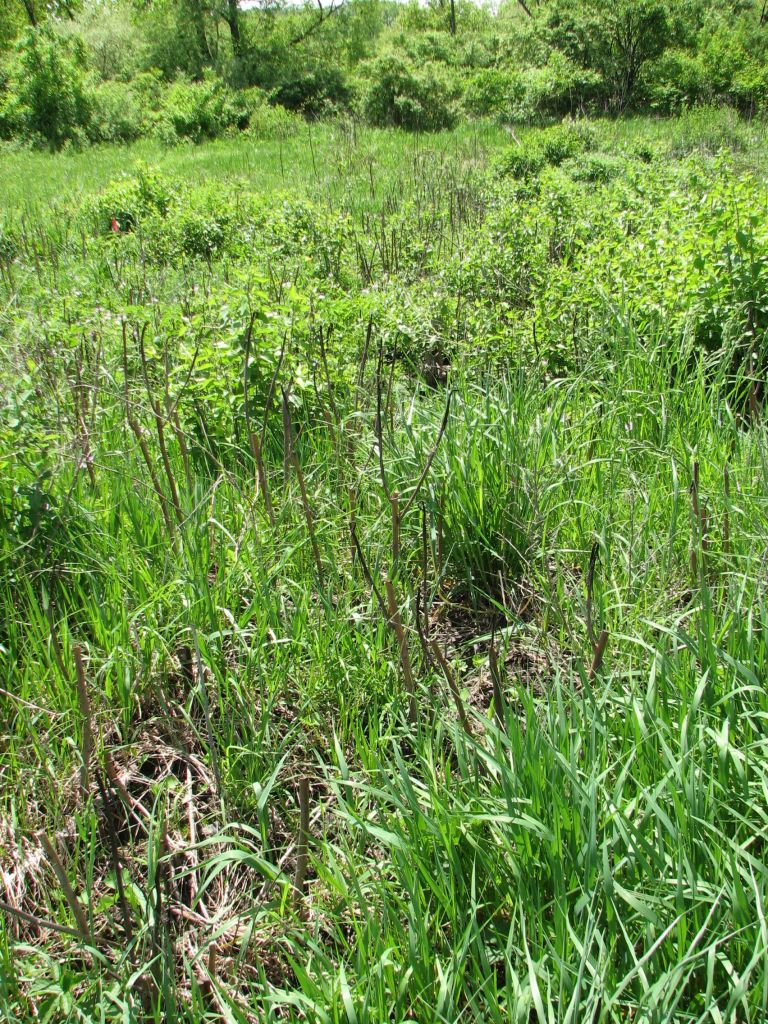
40 These staghorn sumacs look like they might have been foliar sprayed after an unsuccessful attempt at cutting and treating with herbicide.
Area Four
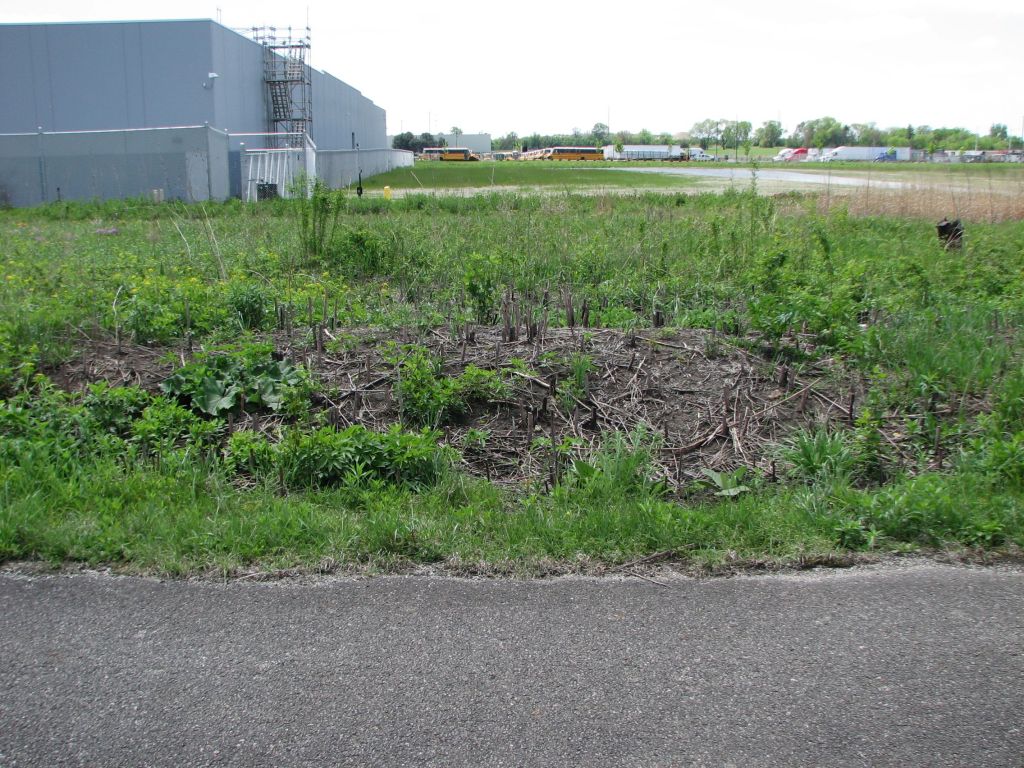
41 This is a controlled staghorn sumac clone. The sprouting around each stump makes it look like the stumps had to be cut and treated with herbicide multiple times before the clone was controlled.
Area Five
42 Cut-leaf teasel treated with herbicide. I have seen where treating teasel like this will kill the part of the plant above where the herbicide was applied but not the entire plant. Teasel can still send up flower shoots even after being treated with herbicide. I have decided to reduce my herbicide usage and remove the seed heads once teasel starts to flower.
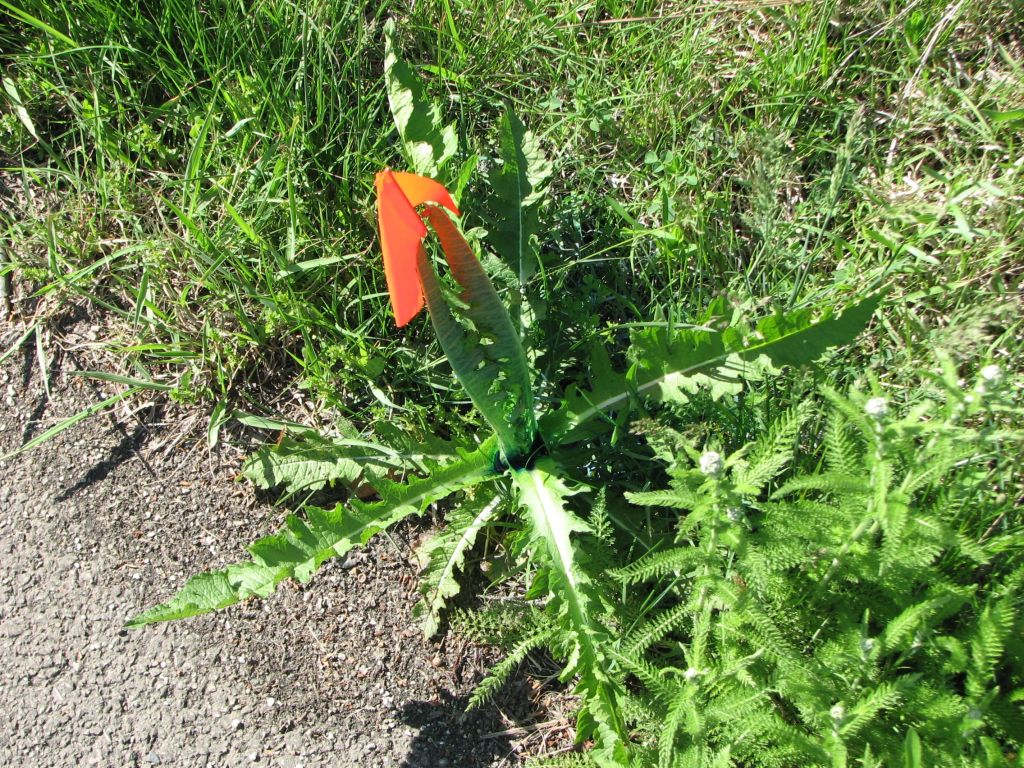
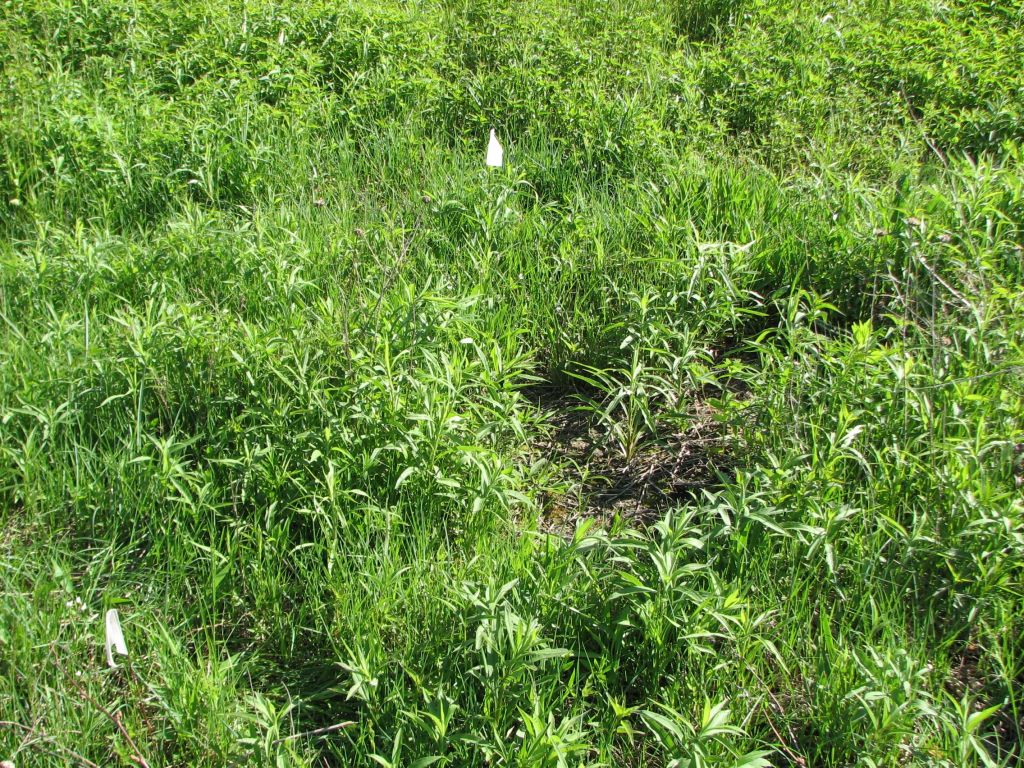
43 Lower quality area where invasive species must have been sprayed leaving dead zones. It can take several years before herbicide impacted areas revegetate. This is one of the reasons I am working to minimize the herbicide I use. Spraying in this location was likely targeting reed canary grass. My spring applications of herbicide to reed canary grass have proven to not be satisfactory. This year I will be applying herbicide to reed canary grass in fall to find minimum amounts of herbicide that give good to excellent control for different methods. I hope that by treating reed canary grass with herbicide in the fall I can use less herbicide.
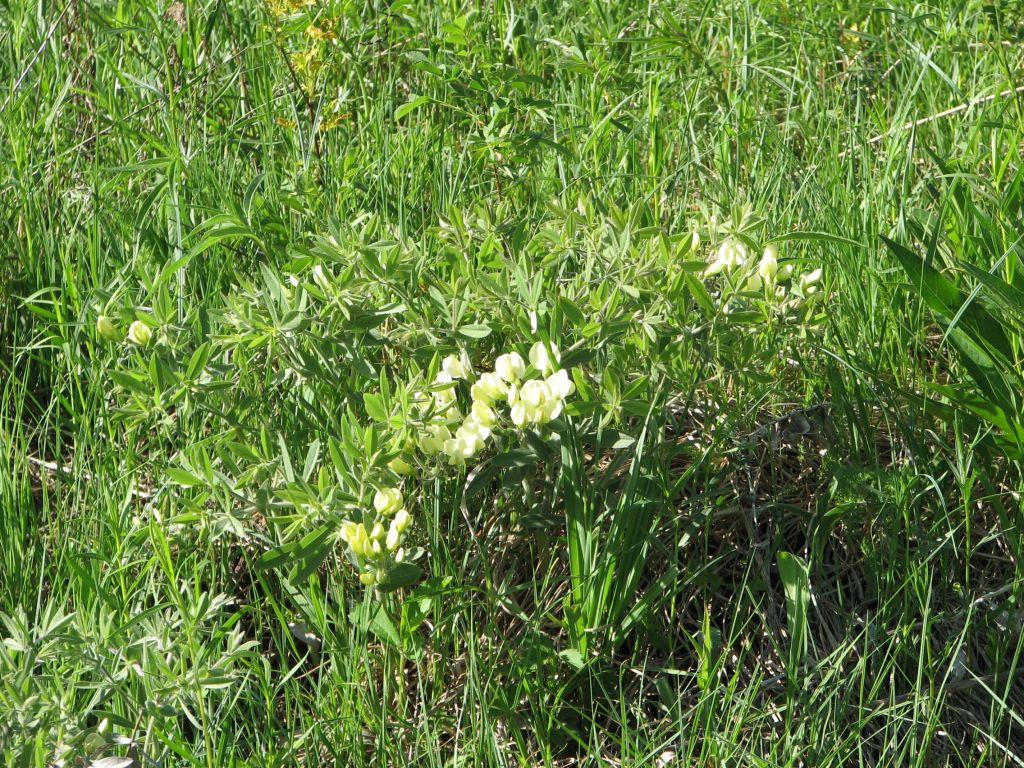
45 Creamy False Indigo
Suggestions
Now that lots of the larger woody invasive species have been cut and treated with herbicide, I suggest next November (when common buckthorn and Asian Bush Honeysuckle still have leaves on the stems) to treat the smaller individuals missed being treated with herbicide and the cut stumps not killed by the herbicide application.
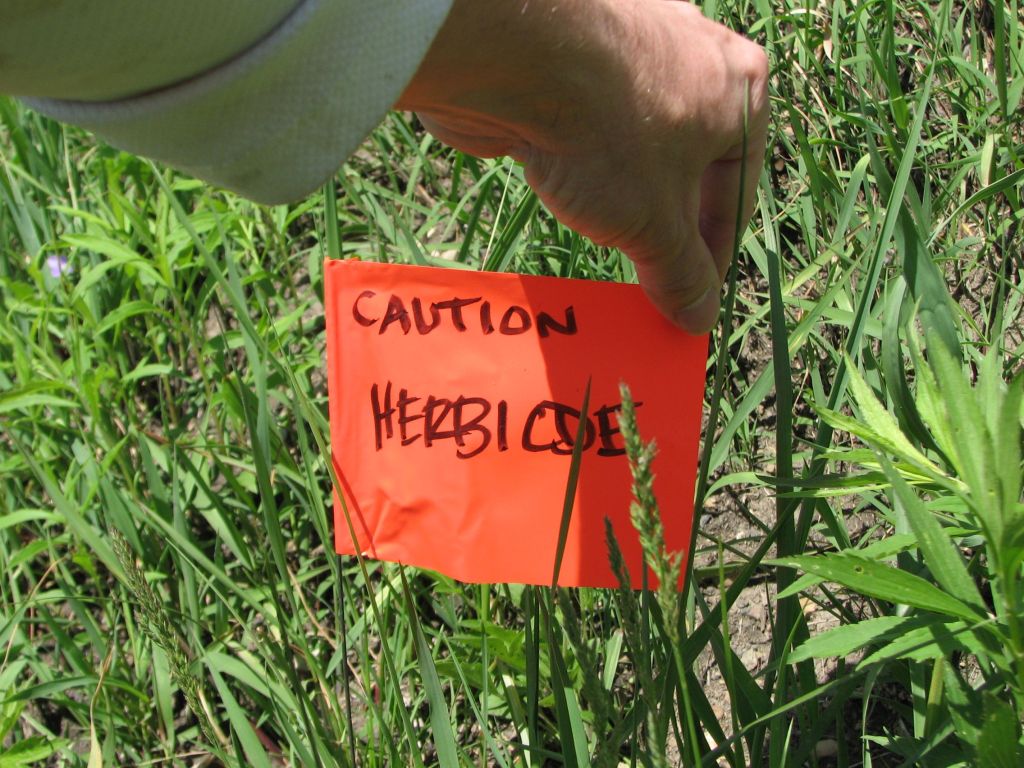
Warning Flag
46

 Stewardship Chronicles
Leave a reply to Old Plank Road Prairie Nature Preserve 1/7/2023 – Stewardship Chronicles Cancel reply