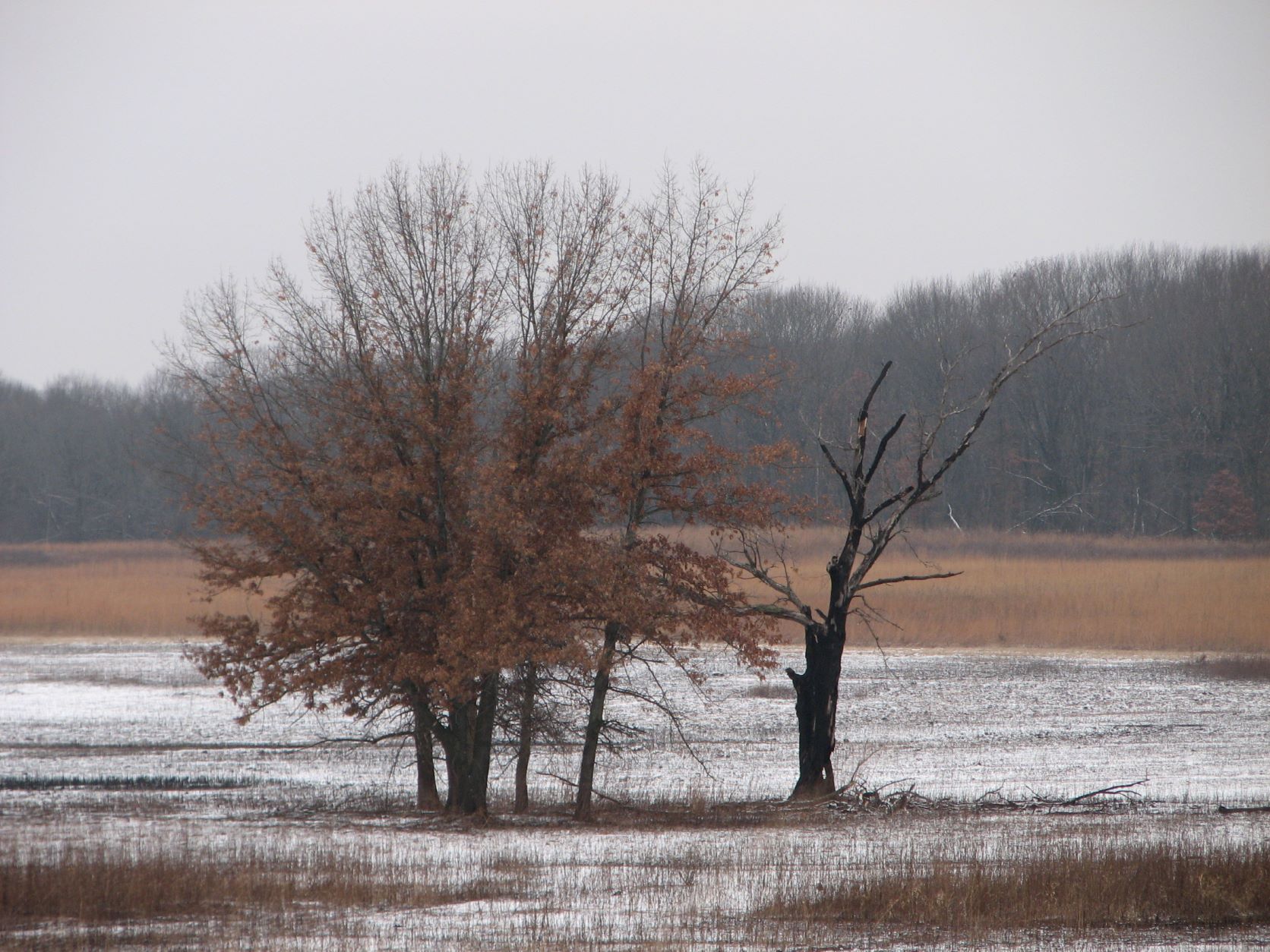
Summary
Pretty Images of Site
Map
Crown Vetch Control Images
Discussion
Related Posts
Pretty Images of Site
1 Two-Flower Cynthia (Krigia biflora)

2 Unidentified saytr butterfly, likely little wood saytr (Megisto cymela)

3 Carolina Puccoon (Lithospermum caroliniense)
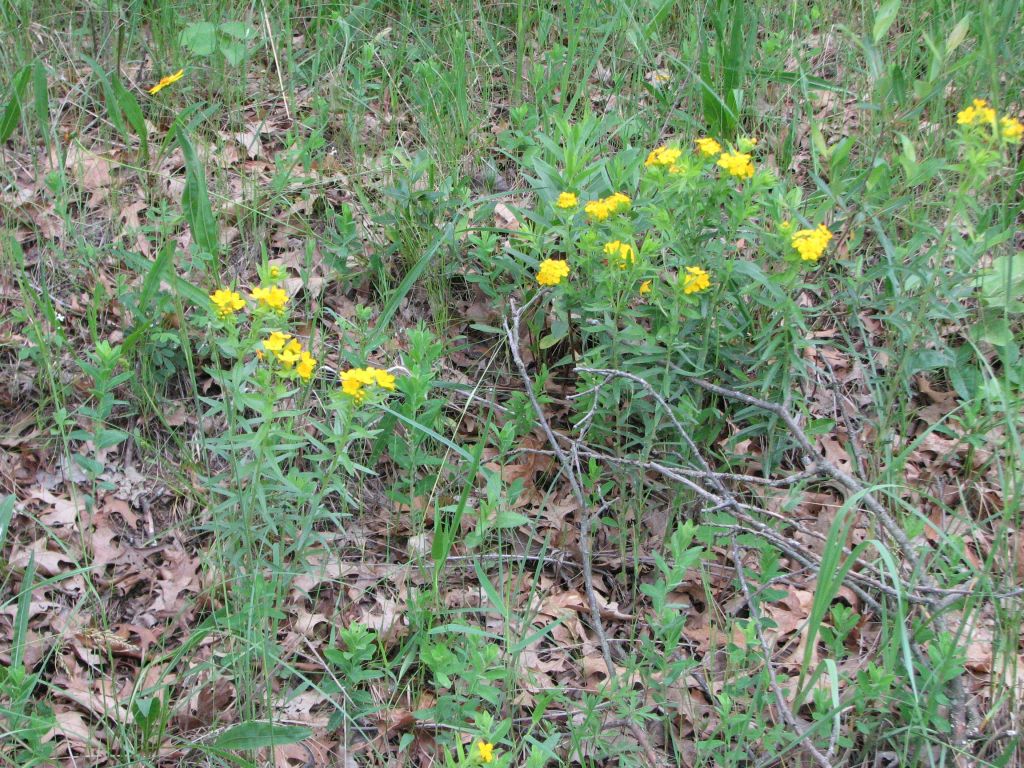
4 Eastern-tailed Blue (Cupido comyntas) Since it does not have the characteristic tail I think this is actually a Spring Azure Butterfly (Celasterina ladon ladon)

5 Canada Frostweed (Helianthemum canadense)

Map
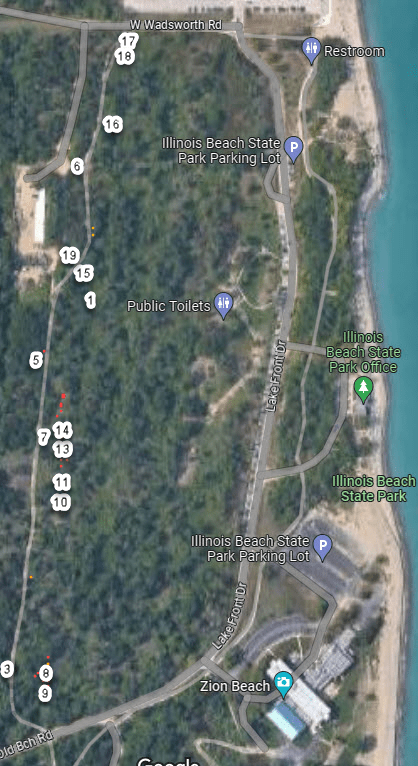
Retrieved August 9th, 2023
https://www.google.com/maps/@42.4271142,-87.8074256,975m/data=!3m1!1e3?entry=ttu
The numbers on the above map match the numbers assigned to the images on this post. I was unable to relocate the location for image 12 and it is not mapped. The location of the numbers 13 and 14 might not be accurate on the map. These numbers may be closer to the number one on the map. I did my best marking where I was on a google earth map not having a GPS unit with me.
Crown Vetch Control
The crown vetch patches (current and former) shown were sprayed last year. I mapped patches of crown vetch that were flagged and sprayed so I could return this year to see if the treatment was effective.
I have seen crown vetch sprayed with Transline repeatly grow again in the same location after being sprayed every year for well over a decade. I wanted to verify that the concentration and method of application the IDNR is using is working before investing my time into controlling crown vetch using their method.
I was told the treatment being used by the IDNR, and provided to volunteers, controlled 90 percent of the crown vetch after it had been sprayed. I did not do a comprehensive survey. However, my observations from looking at areas where crown vetch was sprayed last year gives me no reason to question the previously found control rate. Control rates can vary significantly even when all parameters remain the same, but 90 percent control after spraying with the IDNR method appears about right.
Added 11/28/2024: I now realize that after crown vetch has been sprayed with herbicide, it can emerge much later in the season. This leads me to question if surveying on June 8th was too soon to evaluate effectiveness. Complicating this evaluation is the continual spraying of crown vetch. Considering these factors, it is impossible for me to measure the effectiveness of this effort. Crown vetch may appear to have been controlled, only to appear again later.
Different people (possibly spraying different herbicides and concentrations) are working in this area. Last year, the volunteers were marking areas they sprayed with white flags. Therefore, the patches of crown vetch marked with white flags had probably been sprayed by volunteers applying Transline using the concentration and method determined to be best by IDNR staff.
6 A crown vetch that escaped being sprayed.

7 A crown vetch that was sprayed by volunteers just before my visit. Please notice the overspray on the oak tree seedling.
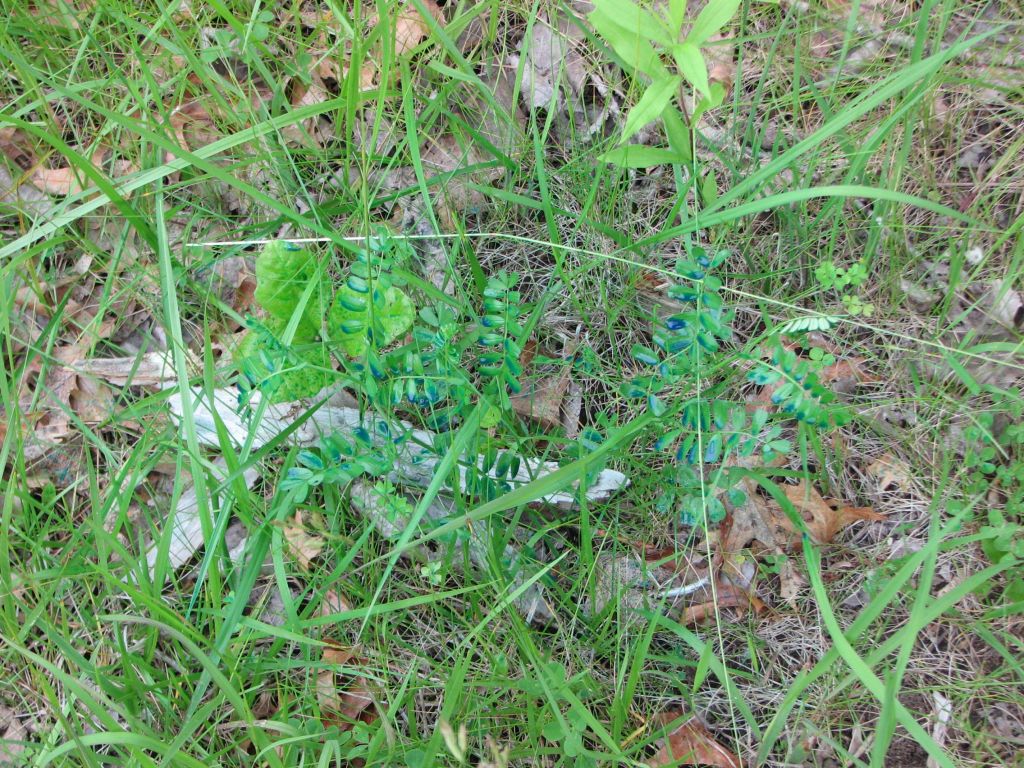
Crown Vetch Sprayed Last Year
8 A shoot of crown vetch is visible. Off-target impacts to prairie phlox (Phlox pilsosa), pasture roses (Rosa carolina) that appear to have been killed, and damage to other species from herbicide overspray and/or persistence can be seen.

Update from 6/19/2025- The images below were take of the above location on 6/14/2025. Notice the prairie phlox in the below image has been greatly reduced in size or eliminated from where the spraying occurred.

The below is a closer view of damage to wild rose visible in the above image.
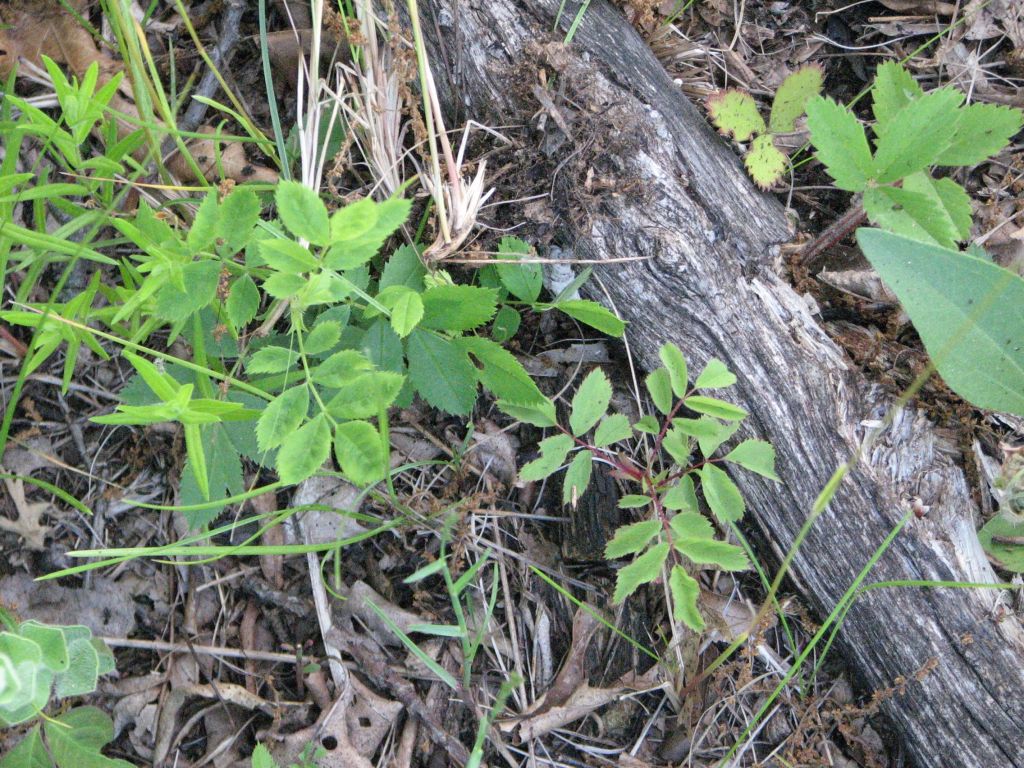
9 Crown vetch shoots are visible where this patch was sprayed last year. The crown vetch shoots were treated again this year. The lack of visible impacts to susceptible off-target vegetation is impressive. Since the flag is white, a volunteer likely treated the crown vetch in this area. A volunteer who takes exceptional care to not get herbicide on native plants.

10 In this location, the crown vetch has not returned after the first treatment. The only off-target impacts visible are slight impacts to poison ivy (Toxicodendron sp.). Although, I do not think many people care if poison ivy gets impacted.

11 Another location where crown vetch has not returned after the first treatment. What concerns me here is the lack of diversity. Other than graminoids, which are not impacted by Transline, all that is visible is one flowering spurge (Euphorbia corrollata) that had its top removed (deer?). I worry spraying Transline will eliminate many dicots from patches throughout this ecosystem. The lack of diversity shown in the above image could be due to previous spraying. Only by tracking changes from before to after spraying can impacts be ascertained.
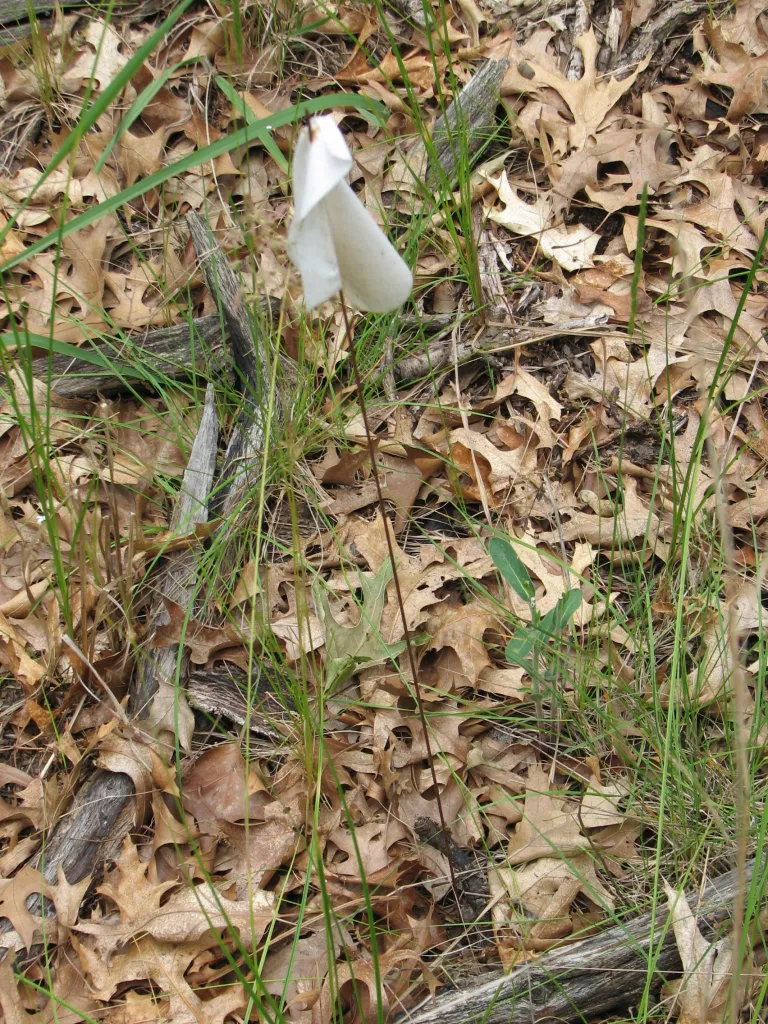
12 In this location, the crown vetch did not return after having been sprayed last year. In the area impacted by spraying, flowering spurge (Euphorbia corrollata) is stunted. I had previously documented flowering spurge foliage being significantly impacted after crown vetch was sprayed.
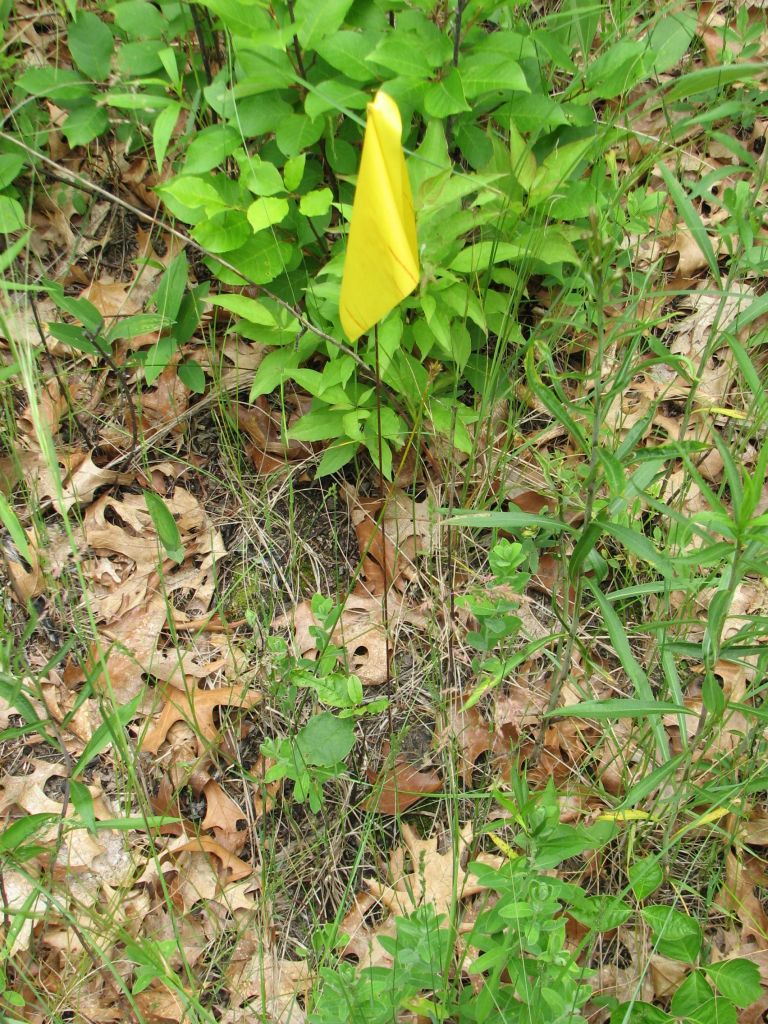
Losing the foliage could be the reason the flowering spurge has been stunted. Since flowering spurge is less impacted by the herbicides used than crown vetch, the flowering spurge survived the spraying. However, it is possible that the herbicide impacted flowering spurge could die later since herbicide impacted plants can sometimes take a few years to die. Although, this does not look likely with these plants.
Update from 6/19/2025: Below is one of the locations marked by a yellow flag (as above). In the area that was sprayed there is little remaining other than graminoides. The crown vetch has returned. I fear spraying is eliminating the diverse prairie vegetation but not eliminating the crown vetch.

13 Crown vetch was eliminated from this location. Whatever herbicide the people placing the blue flags sprayed impacted golden Alexanders. I had not documented this species being impacted by spraying crown vetch before.
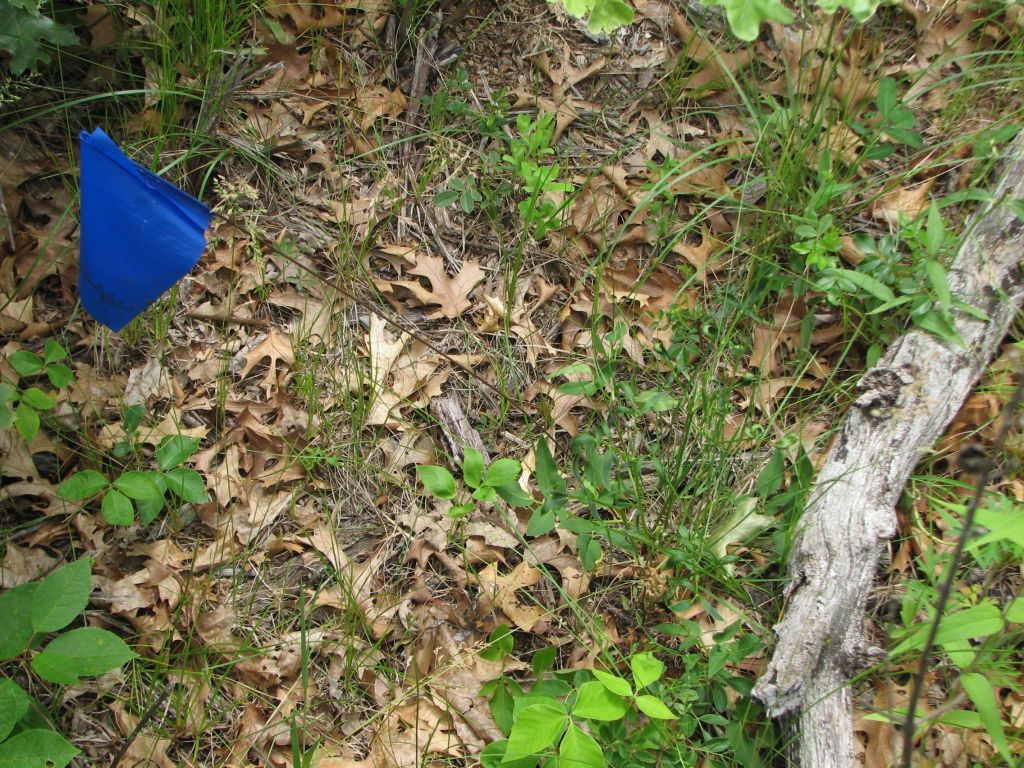
14 Another location where crown vetch did not return after having been sprayed with herbicide. This image was included to show the damage to an aster species (Symphyotrichum) from herbicide application.
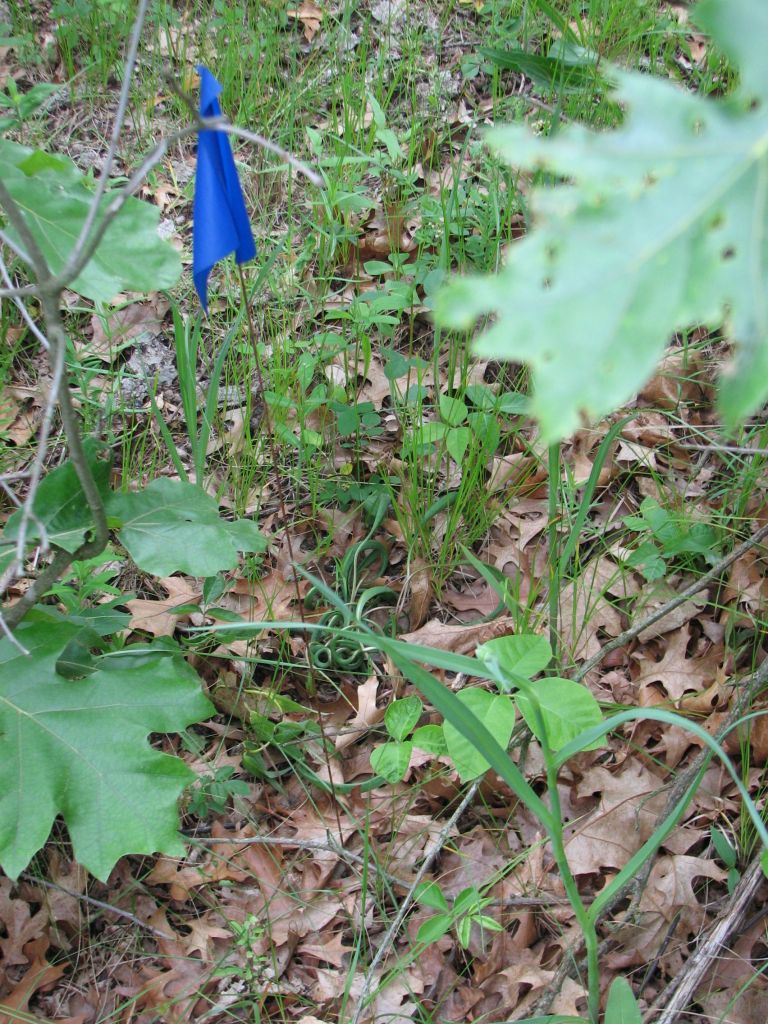
15 The herbicide sprayed to successfully control crown vetch has shown slight impacts to flowering spurge the following year. The herbicides typically used to control crown vetch are more persistent than some other herbicides.
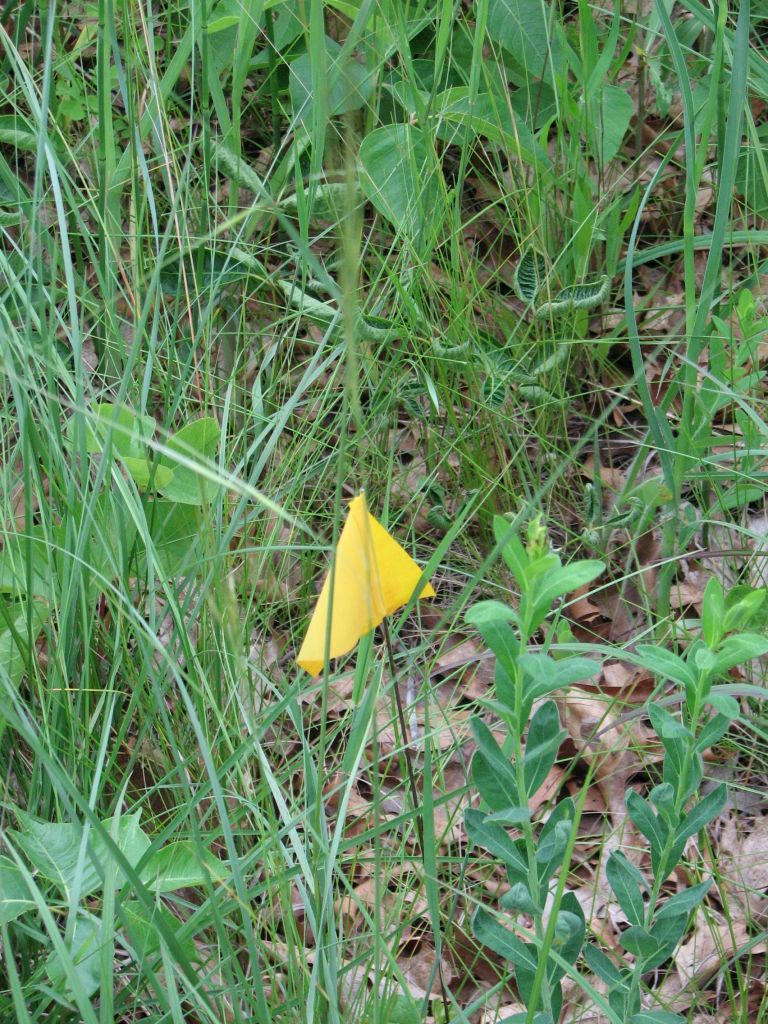
Crown Vetch Sprayed This Year
16 Spreading crown vetch patch that has not yet been treated with herbicide this year.
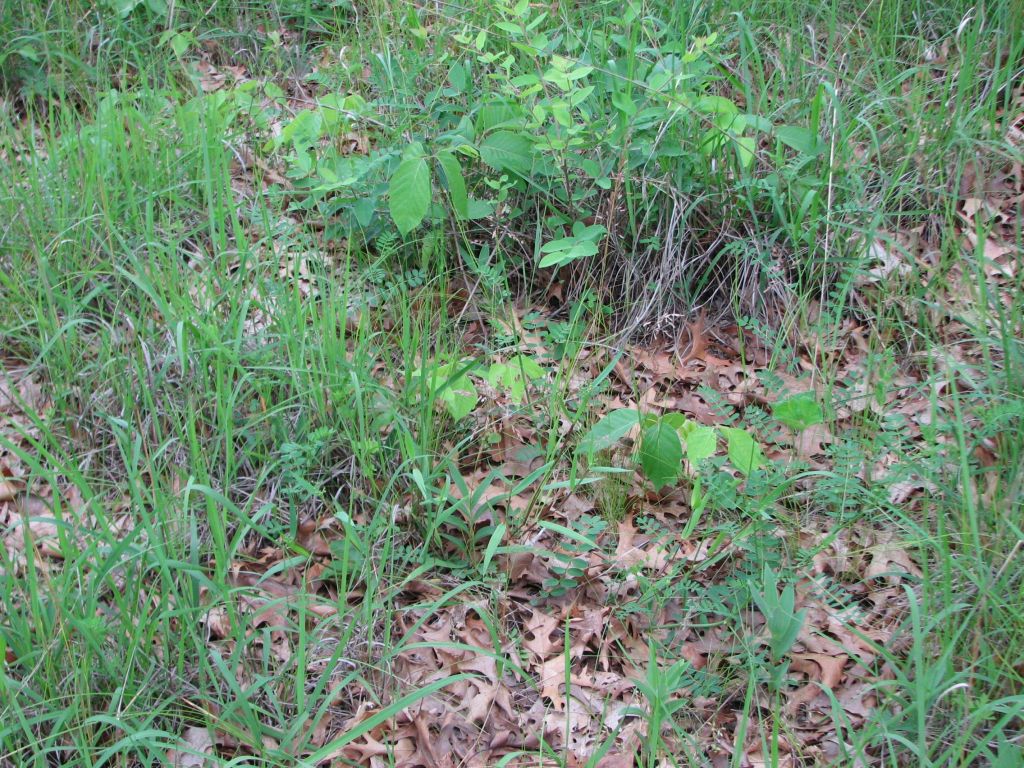
17 Spreading crown vetch patch that had been sprayed this year.
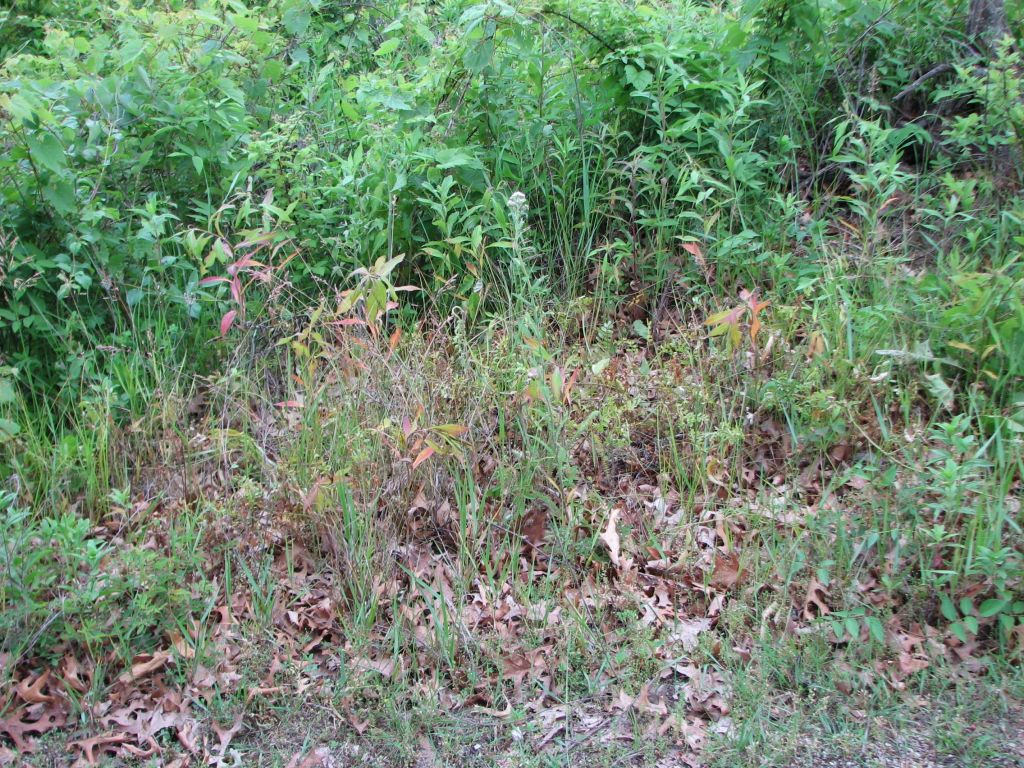
18 Where crown vetch was sprayed, a grape vine is showing impacts from the herbicide. Grape vines (Vitis) can be undesirable in this type of ecosystem. This image was included to show another species that can be impacted by the herbicide being applied.
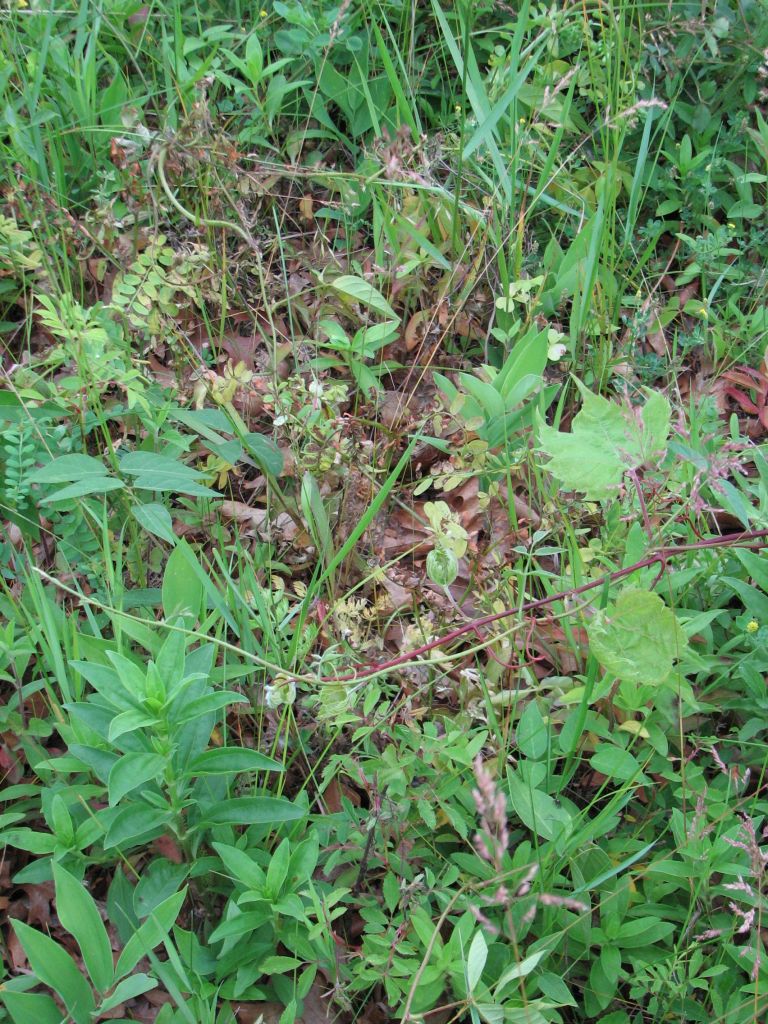
19 Here flowering spurge and an aster species are showing impacts from a recent herbicide application.

Discussion
Legume Specific
People keep saying the herbicides that are used to spray crown vetch {Milestone (aminopyralid) and Transline (clopyralid)} are legume specific. I hope the above images have convinced you that this is not true. These herbicides impact most dicots, except for Brassicaceae when applying aminopyralid. Legumes and aster may be impacted most, but many species of dicots are impacted.
My initial tracking of crown vetch spraying at Illinois Beach State Park was because I wanted to know if the spraying being done was achieving the objective. Namely, was crown vetch being controlled. I am satisfied that this is the case.
Added 1/26/2025: A more accurate description is the herbicide treatment surpresses crown vetch. As mentioned, in the 11/28/24 added information, “… it is impossible for me to measure the effectiveness of this effort. Crown vetch may appear to have been controlled, only to appear again later.”
The next question that needs to be answered is if the native ecosystem is improved after the crown vetch has been sprayed. This is a much more difficult question to answer. I believe only in the hands of a skilled herbicide applicator is this the case in limited situations. An example of this kind of situation is crown vetch in a location with only grasses or sedges. The herbicides being used impact most dicots, which are important to these ecosystems. Spraying herbicide tends to have a homogenizing effect. Reducing the vigor of native dicots could lead to more crown vetch in the future. Julianne Mason wrote a blog post on how spraying these chemicals to control field thistle (Cirsium arvense) led to the perpetuation of field thistle in a prairie reconstruction.
Unfortunately, unlike field thistle, crown vetch does not tend to disappear as native vegetation establishes. Crown vetch persists in high quality areas filling open ground as it becomes available. Crown vetch also takes over areas where native vegetation has been reduced or eliminated (for example where a tree has died) preventing native vegetation from establishing.
As I walked through the area where treatments were done last year, I kept seeing patches of crown vetch growing in places where I did not notice it before. Possible reasons I found more patches of crown vetch include they were not noticed previously, small crown vetch that grew to a size that is now noticeable, recruitment from seed, etc. Controlling crown vetch will be a long-term effort that will impact a significant amount of area.
Crown vetch needs to be controlled so our natural areas do not increasingly become more and more crown vetch. My experience has been the control that is done needs to be very selective for the ecosystem to improve. This means herbicide applicators need tools that make it easy for them to gets the herbicide on the target plant without getting it on native plants that are nearby, or even within the crown vetch patch. Using herbicides that are less persistent would also be beneficial. Luckily, there is an off-the shelf solution to these problems. See the below blog post for the solution.
Added 7/3/2025: The method shown in the following link may limit off-target damage even further than the application method in the above link.
I ask that the IDNR and the Nature Preserve Commission allow volunteers to use the application method that will give the best result (applying herbicide foam) regardless of what herbicide is used to control crown vetch.

 Stewardship Chronicles
Leave a reply to Crown Vetch Control – Applying Glyphosate Foam to the Base of Stems – Stewardship Chronicles Cancel reply