Contents
Map
Images From Site
Crown Vetch Control Area East of the South Side of the Panne
Comparison From When Treatment Occurred Versus This Visit
Crown Vetch That Missed Being Treated
Off-Target Damage
Crown Vetch Control Area in the Northeast Corner of Preserve
Comparison From When Treatment Occurred Versus This Visit
Crown Vetch That Missed Being Treated
Off-Target Damage
Seedling
Off-Target Impacts in Area Where Crown Vetch Was Sprayed with Transline
Discussion of Crown Vetch Control
Glossy Buckthorn Control Revisited
Herbicide Applied to Frills
Herbicide Applied to Cut Stumps
Discussion of Glossy Buckthorn Control
Summary
Related Posts
Map
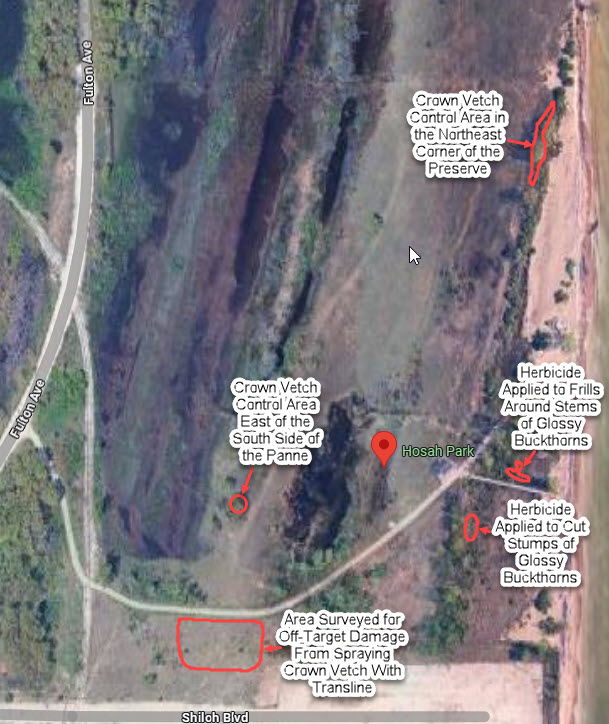
Retrieved June 19th, 2025 from Google Maps. (n.d.) https://www.google.com/maps/place/Hosah+Park/@42.4514237,-87.8043327,477m/data=!3m1!1e3!4m6!3m5!1s0x880ff389fe08f383:0xc64f02a60f8c7a4b!8m2!3d42.4508327!4d-87.8015383!16s%2Fg%2F1tdhmf5b?entry=ttu&g_ep=EgoyMDI1MDYxNi4wIKXMDSoASAFQAw%3D%3D
Images From Site
1. View of Lake Michigan

2. Stiff Sandwort (Minuartia michauxii)

3. Habitat view of stiff sandwort. The yellow flowers are sand coreopsis (Coreopsis lanceolata).
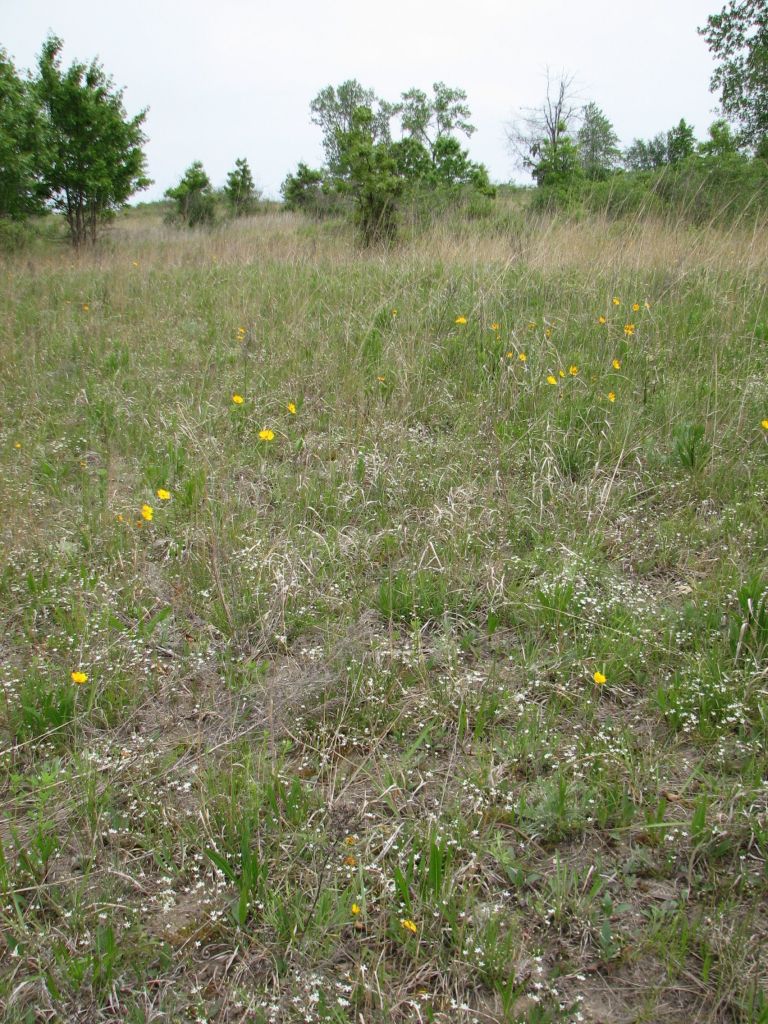
4. Western Golden Aster (Heterotheca villosa)

5. Western Golden Aster – Wider View

6. Western Golden Aster – Even wider view
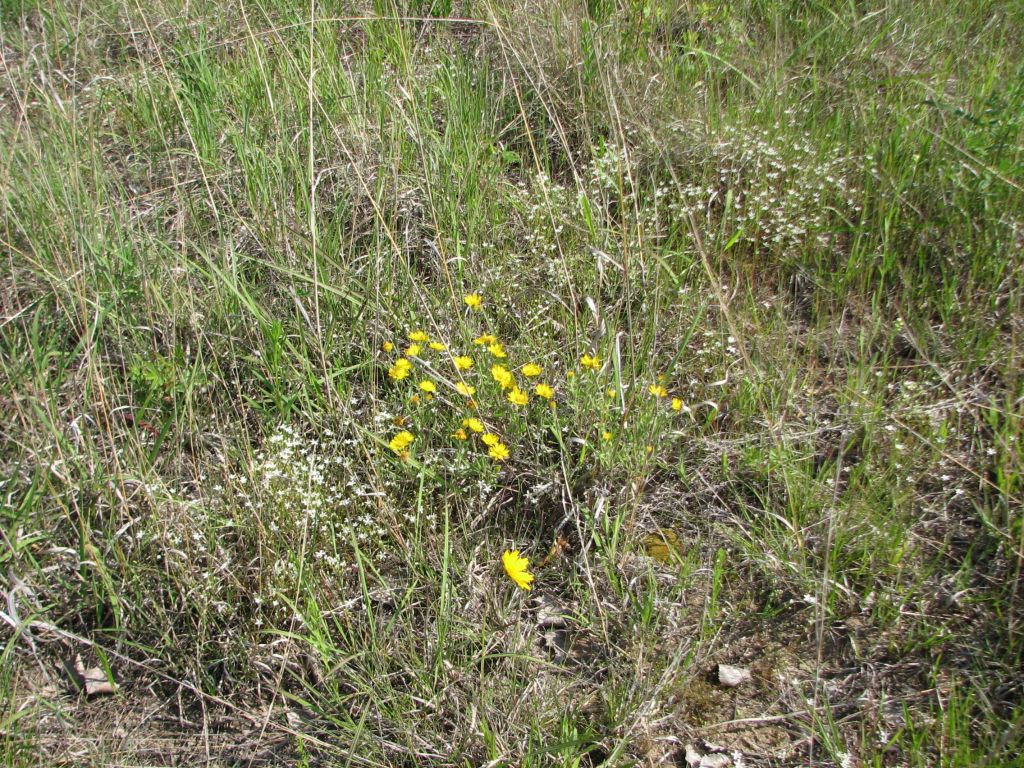
7. Grove Sandwort (Moehringia laterifolia) – Close View
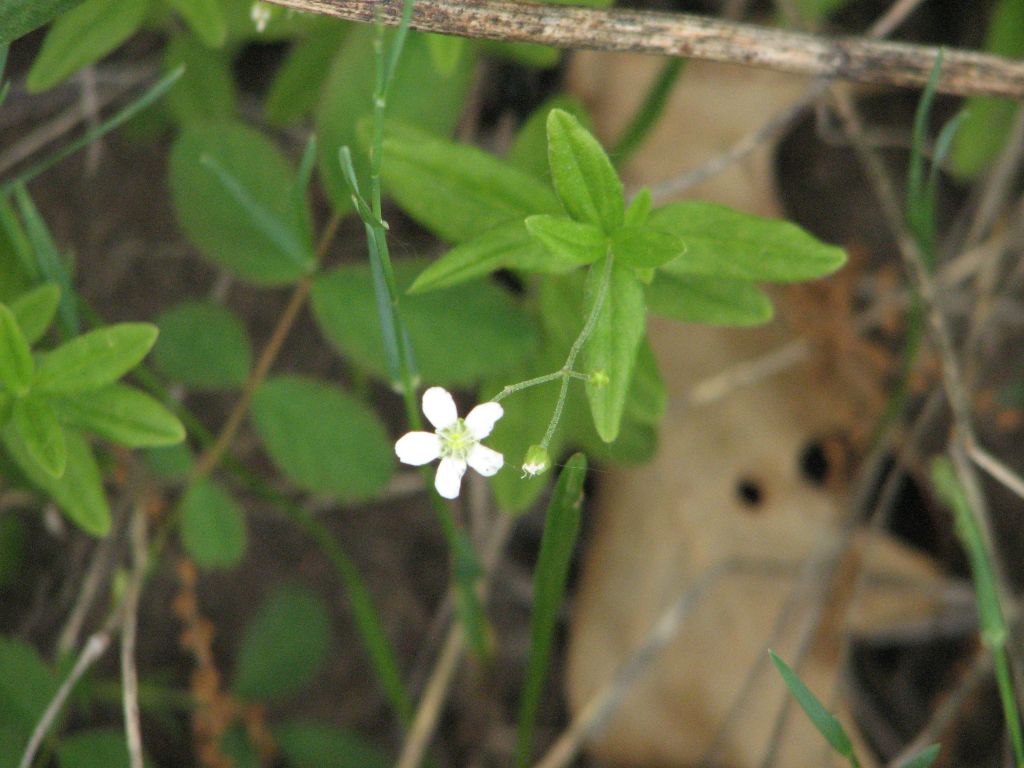
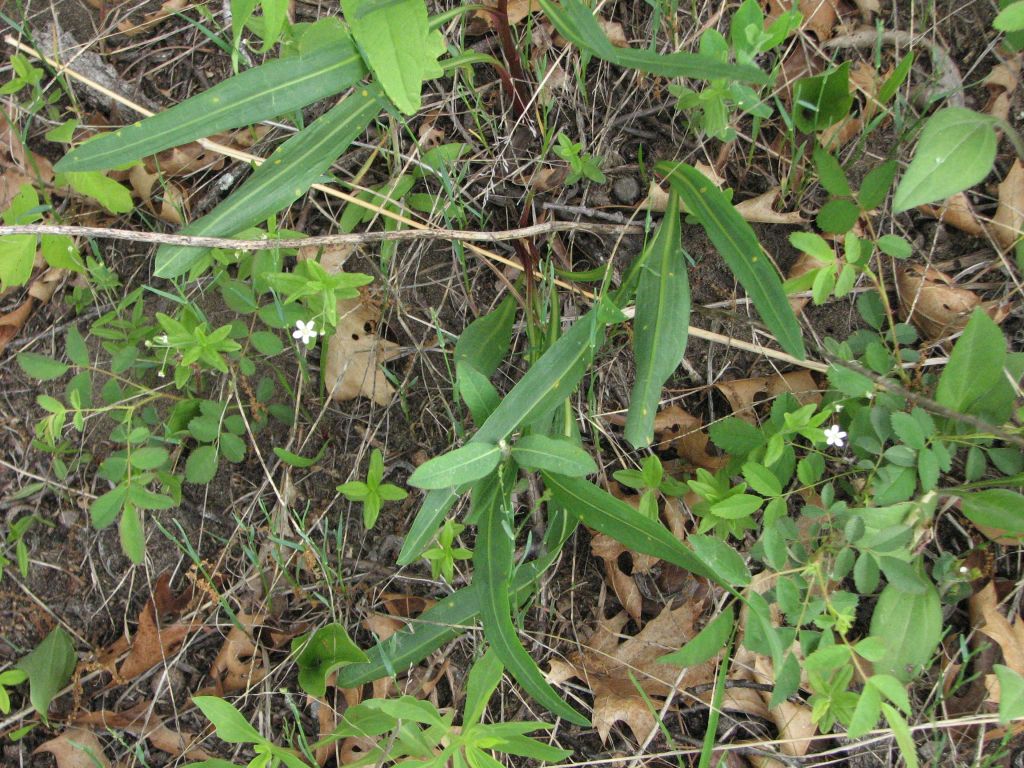
8. Grove Sandwort – Wider View
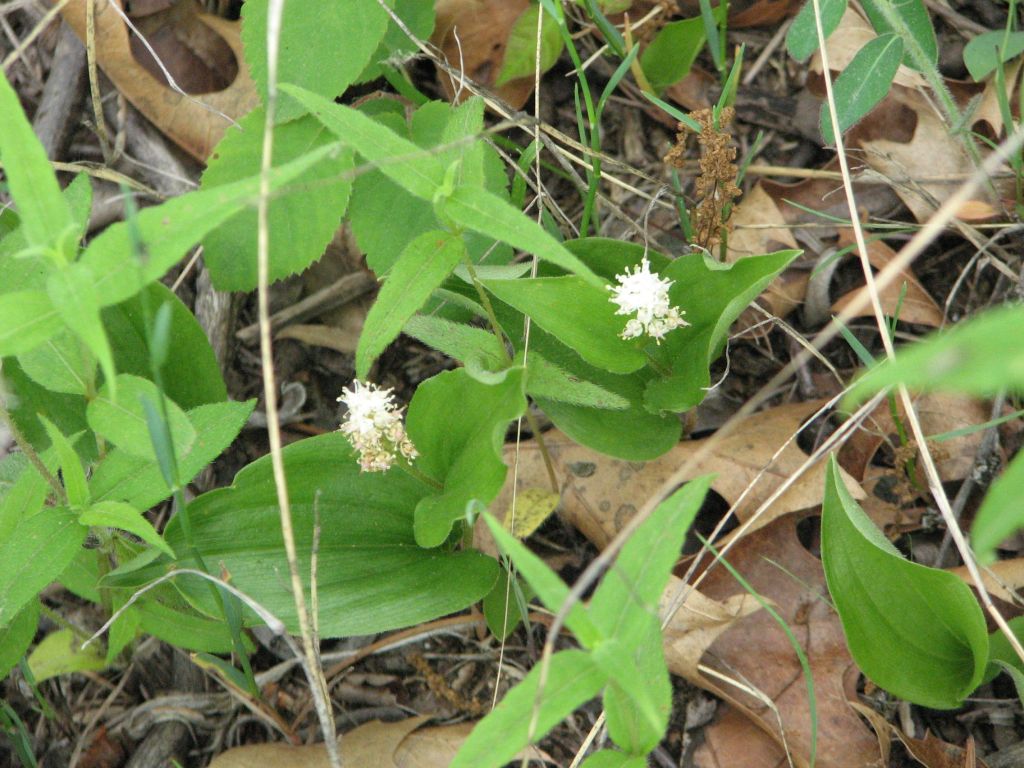
9. Canada Mayflower (Maianthemum canadense)
Crown Vetch Control Area East of the South Side of the Panne
Comparison From When Treatment Occurred Versus This Visit
10. Area where crown vetch had four percent active ingredient (a.i.) glyphosate foam applied to stems on 9/14/2024.
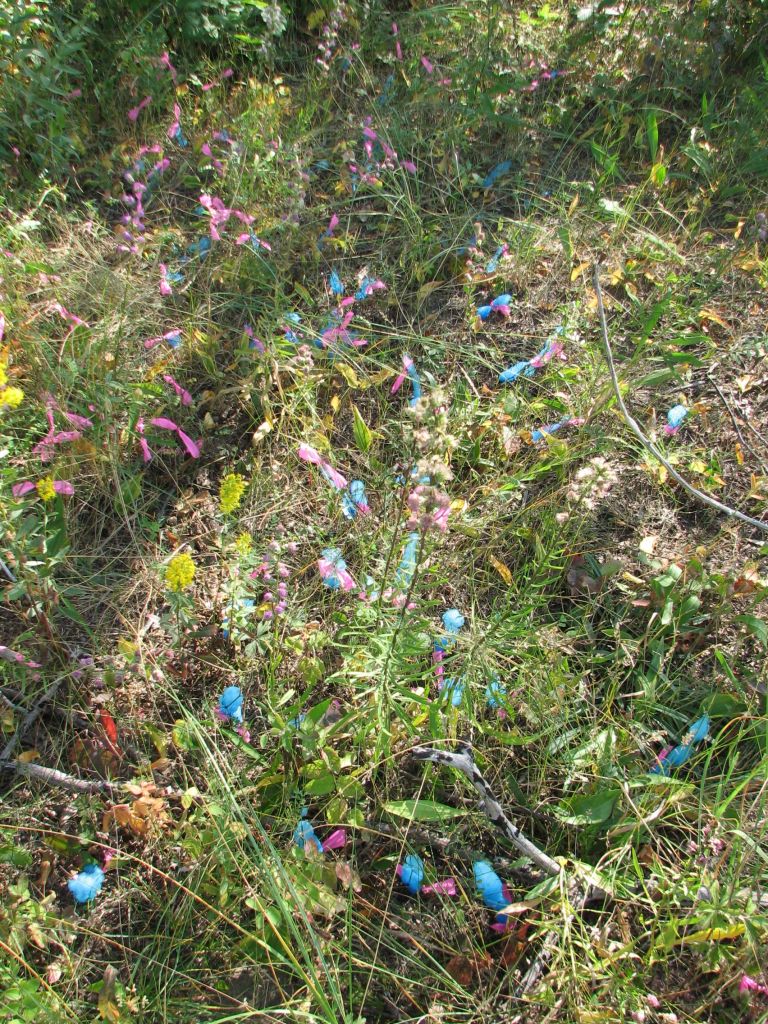
11. The area shown above on 6/14/2025.

12. Closer view of area where crown vetch had four percent a.i. glyphosate applied to the stem on 9/14/2024.

13. View of approximately the same location as above on 6/14/2024.
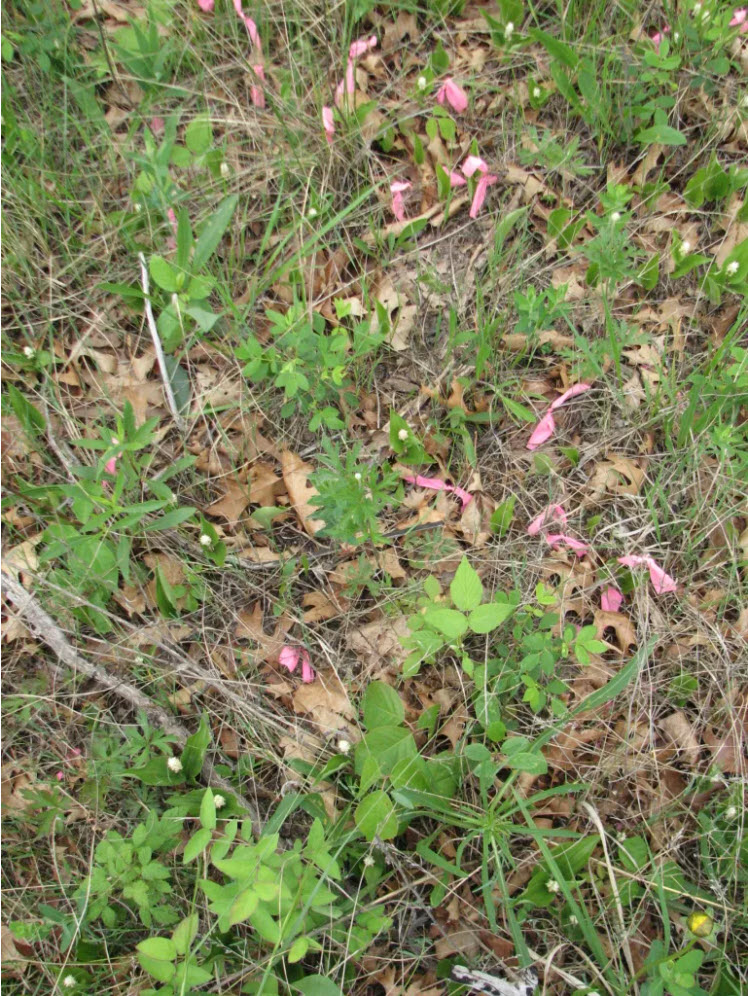
Crown Vetch That Missed Being Treated
14. Crown vetch in treatment area that missed having herbicide applied last year.

15. Crown vetch that was not treated last year but shows herbicide damage. The herbicide must have been transported through the rhizomes.
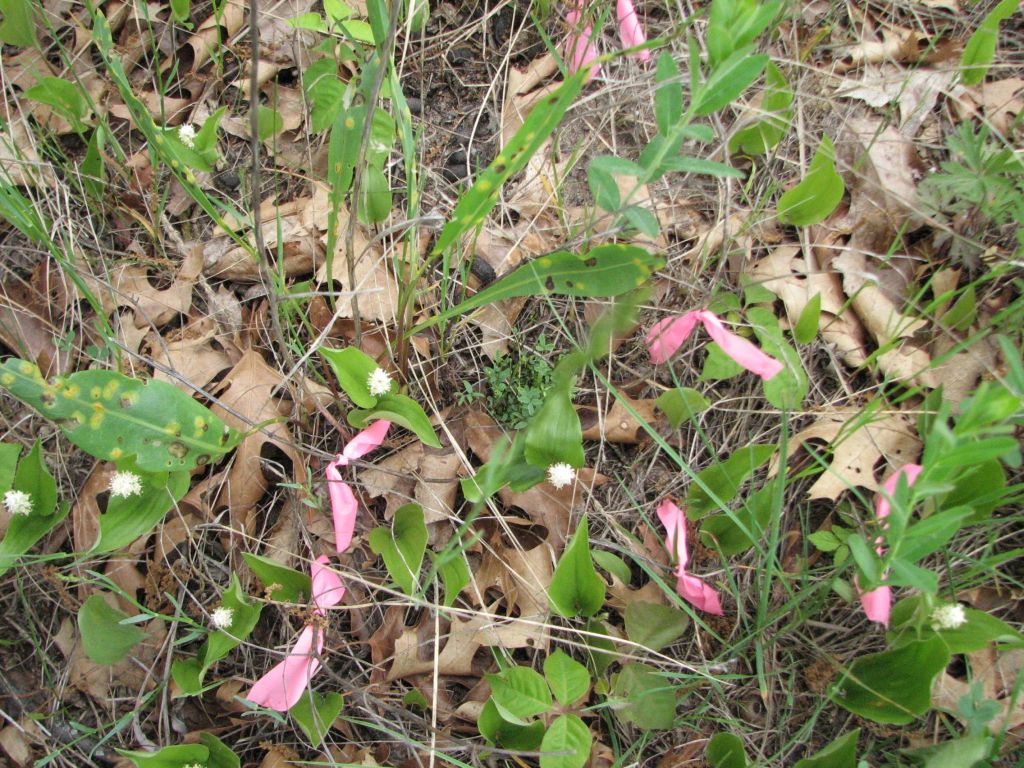
16. More crown vetch that missed getting treated last year.
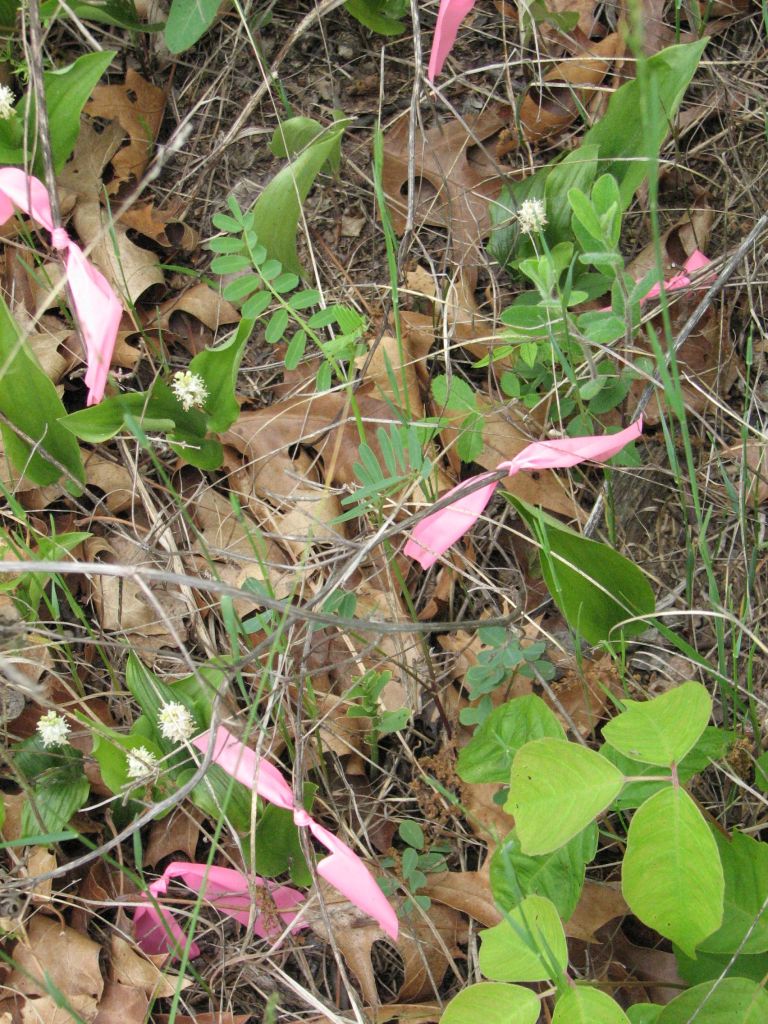
Off-Target Damage
17. Rose damaged by herbicide application.

18. Thimble (Anemone cylindrica) and Canada mayflower damaged by herbicide application.
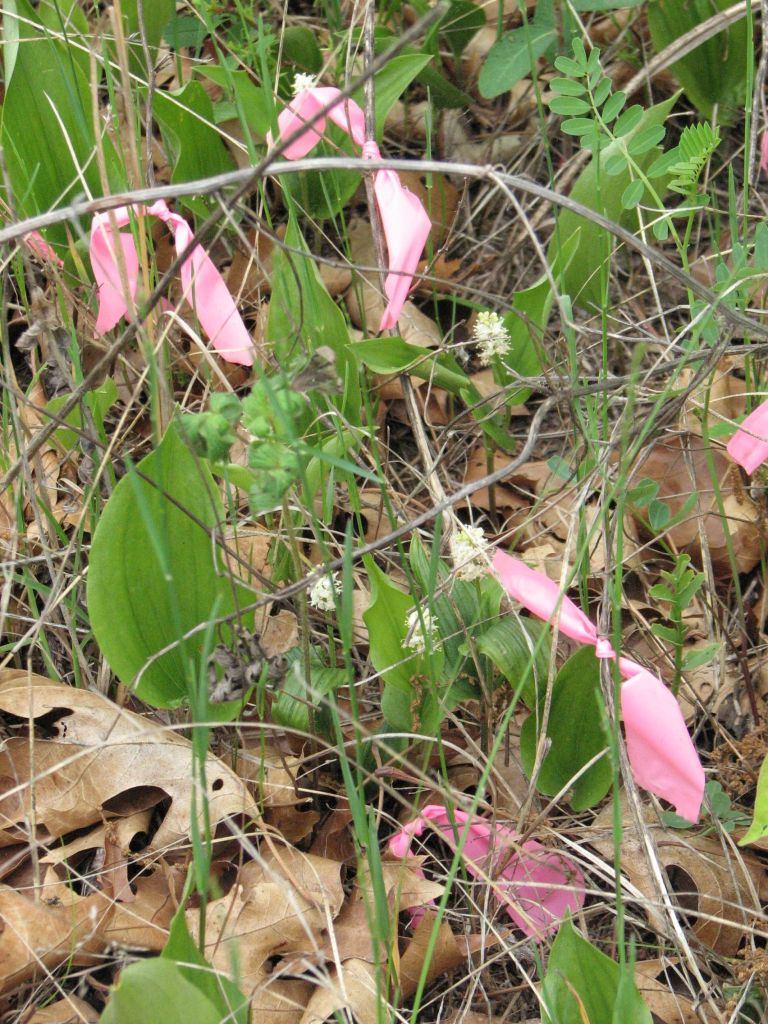
Crown Vetch Control Area in the Northeast Corner of Preserve
Comparison From When Treatment Occurred Versus This Visit
19. Area where crown vetch had five percent a.i. glyphosate foam applied to crown vetch stems on 9/14/2024.
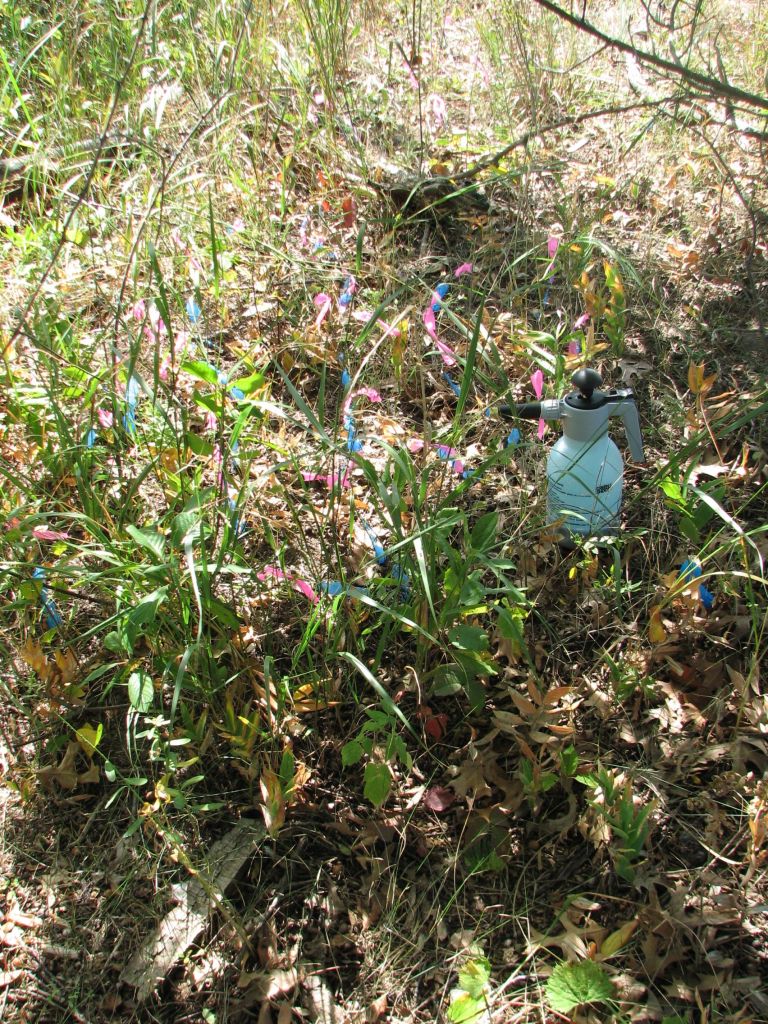
20. The area shown above on 6/14/2025.

21. Closer view of area where crown vetch had five percent a.i. glyphosate foam applied to crown vetch stems on 9/14/2024.

22. View of approximately the same area shown above on 6/14/2025.
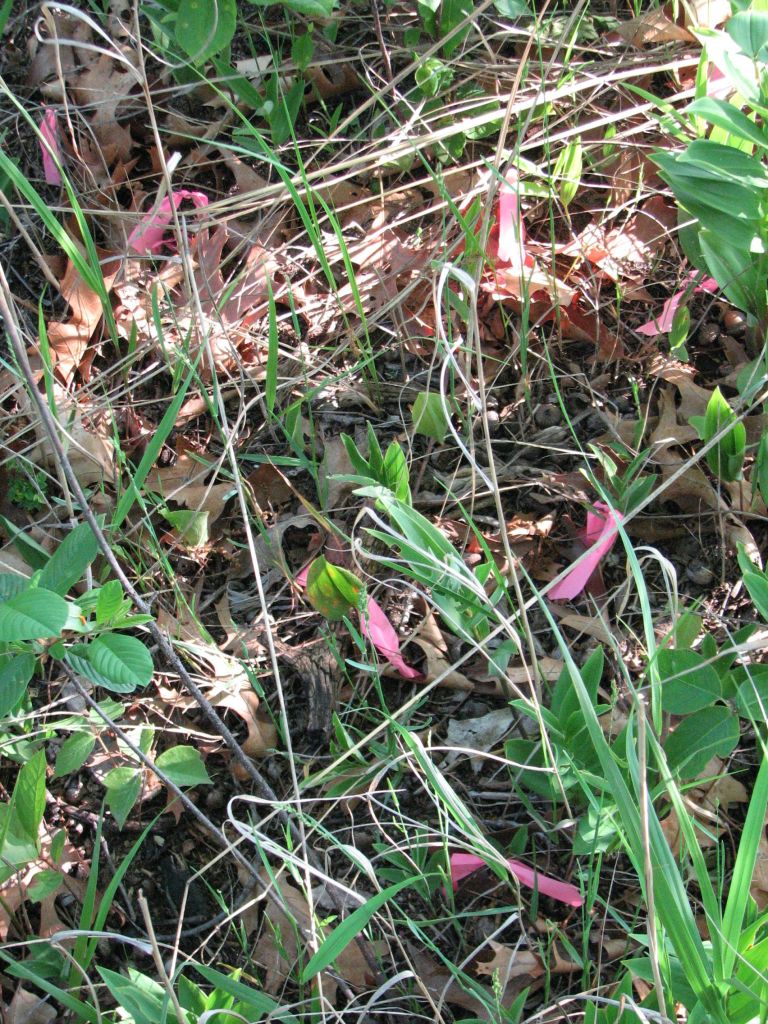
Crown Vetch That Missed Being Treated
23. Crown vetch that missed getting treated last year. This one was hiding in the tall grass on the edge of the treatment area.

24. More crown vetch that missed getting treated last year. These were in an open area and should have been seen.
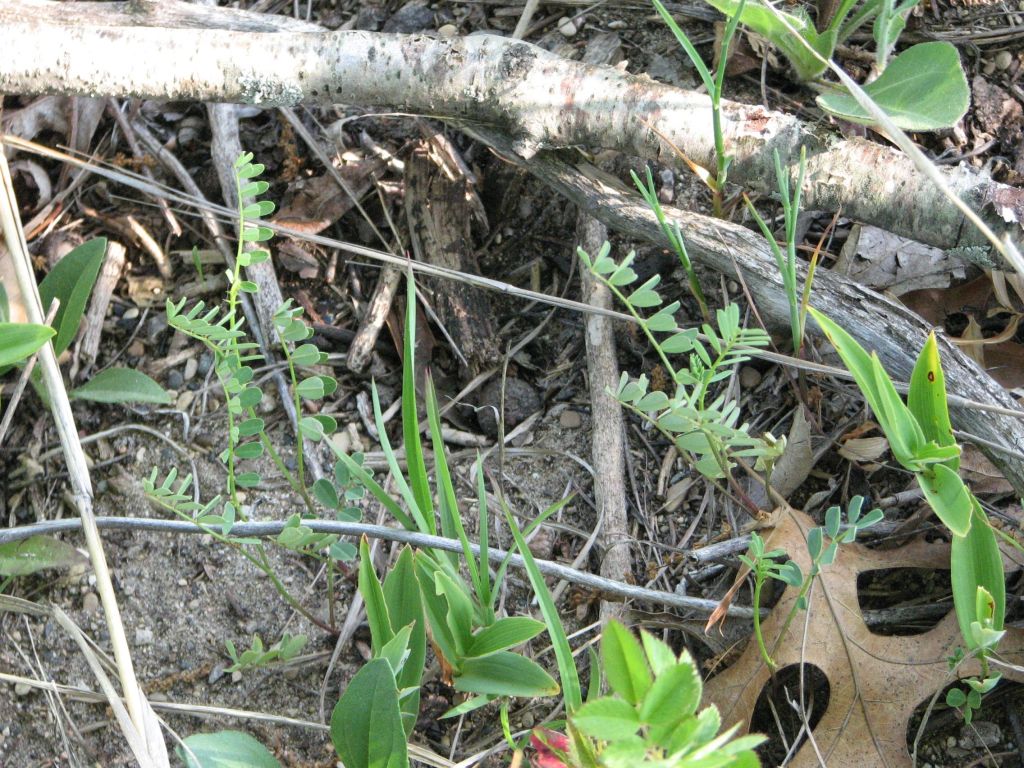
Off-Target Damage
25. Rose showing herbicide damage from the application.

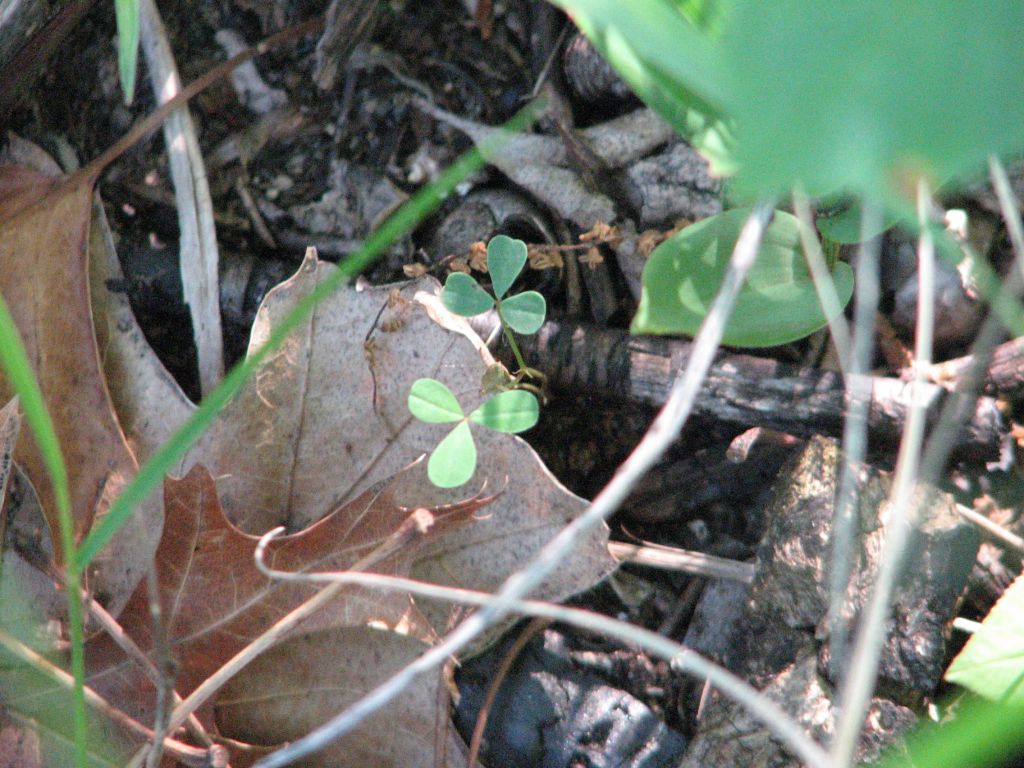
Seedling
26. A crown vetch seedling.
Off-Target Impacts in Area Where Crown Vetch Was Sprayed with Transline
27. White Prairie Clover (Dalea candida) showing herbicide damage.

28. More white prairie clovers showing herbicide damage.
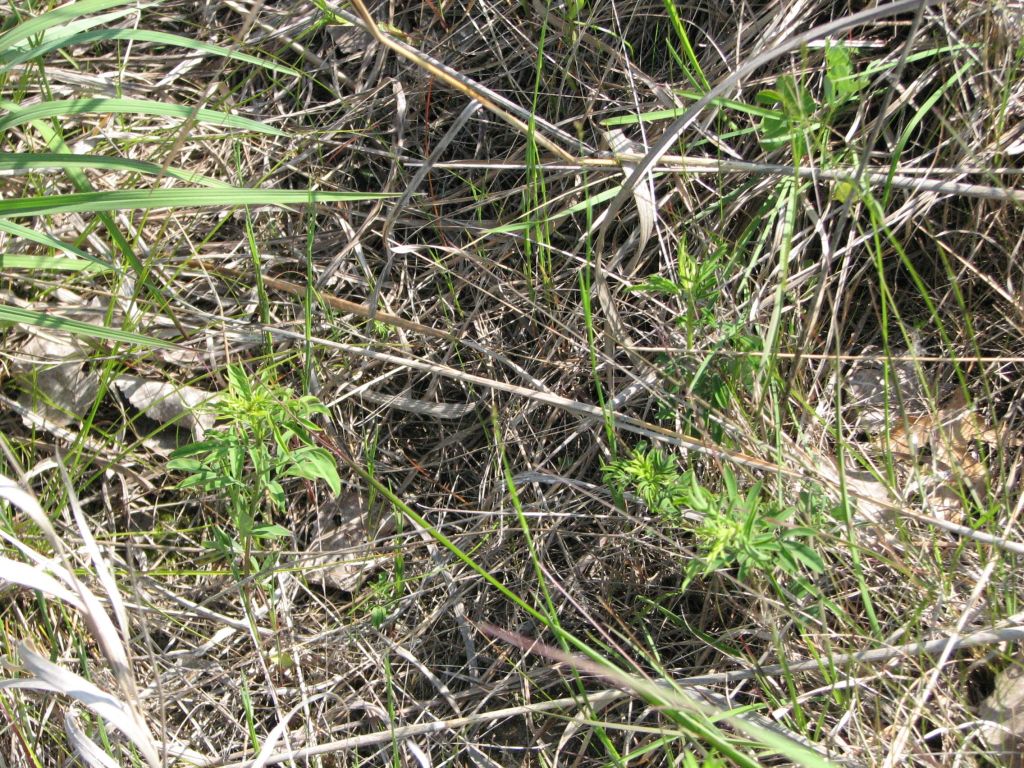
29. A Purple prairie clover (Dalea purpurea) showing herbicide damage.

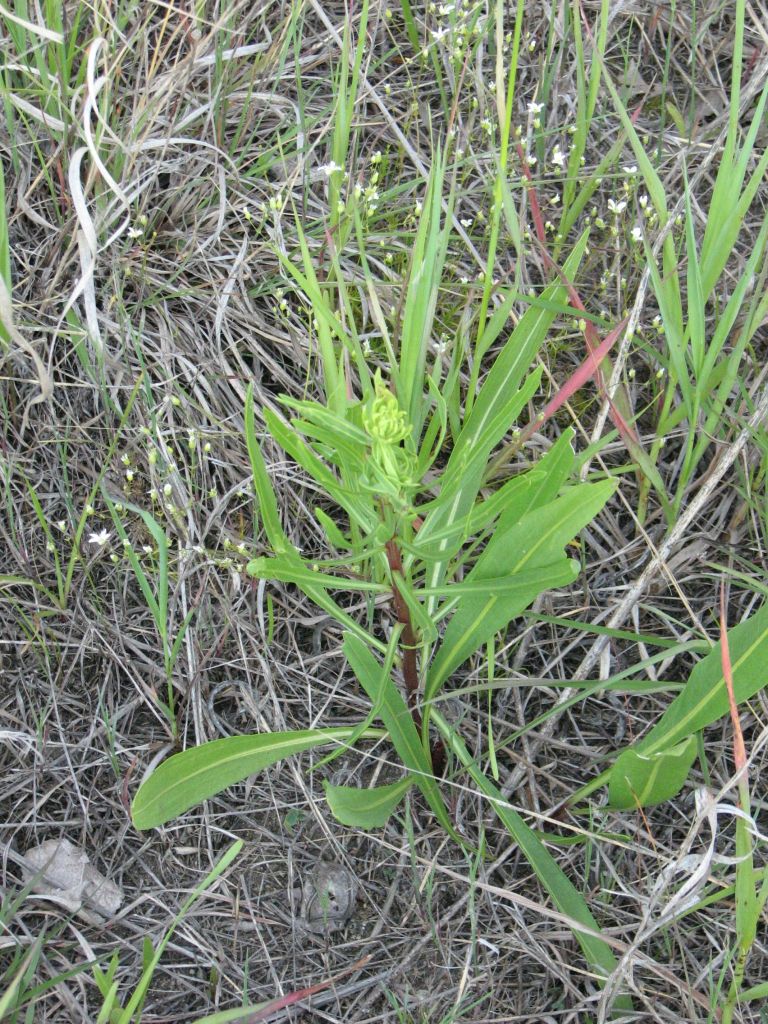
30. Liatris aspera showing herbicide damage.
Discussion of Crown Vetch Control
In the location labelled “Crown Vetch Control Area East of the South Side of the Panne,” 165 stems of crown vetch had surveyor’s tape tied on them and about 170 stems were treated on 9/14/2024. On 6/14/2025, I was able to find 154 of these pieces of surveyor’s tape. Many pieces of surveyor’s tape were not able to be located because they were under fallen leaves. On 6/14/2025, I counted 9 living crown vetch stems. Six of these stems looked to have been impacted by herbicide transferred through rhizomes. Seedlings were not included in this count. The treatment in this location reduced the number of crown vetch stems (not including seedlings) by 95 percent. All crown vetch stems marked with surveyor’s tape appeared to have been killed.
In the location labelled “Crown Vetch Control Area in Northeast Corner of Preserve,” 102 stems of crown vetch had surveyor’s tape tied on them and a total of 104 stems were treated on 9/14/2024. On 6/14/2025, I was able to find 87 of these pieces of surveyor’s tape. On 6/14/2025, I counted 38 living crown vetch stems. Again, seedlings were not included in this count. The treatment in this location reduced the number of crown vetch stems (not including seedlings) by 63 percent. All crown vetch stems marked with surveyor’s tape appeared to have been killed.
The crown vetch stems found on 6/14/2025 must have either been missed, were killed back to the ground by drought prior to the application, or grew from rhizomes.
The location labelled “Crown Vetch Control Area East of the South Side of the Panne” had four percent a.i. glyphosate applied to a length of four inches of stem (more for taller stems). The location labelled “Crown Vetch Control Area in the Northeast Corner of Preserve” had five percent a.i. glyphosate applied to a length of four inches of stem (more for taller stems). This was done to determine which concentration would give the best tradeoff for control versus minimizing off-target damage. Both concentrations killed all stems that had been marked with surveyor’s tape and that could be relocated.
Considering all treated stems relocated were killed in both treatment areas, I recommend four percent a.i. glyphosate be used in high-quality areas (like Hosah). I had done an application where I covered four inches of stem length of crown vetch with four percent a.i. glyphosate that failed (not at Hosah). I had applied the glyphosate foam with glove covered hands to much more vigorous crown vetch stems. The Green Shoots large foam herbicide dispenser applies a thicker stream of foam to stems than I was applying when I applied foam with a gloved hand. Considering my previous experience with hand application, I was unsure if four percent a.i. glyphosate applied with the Green Shoots large foam herbicide dispenser directly to stems would provide satisfactory control. These results are preliminary. However, it appears that four percent a.i. glyphosate foam applied to four inches of stem (more for larger stems) at Hosah gave complete control of treated stems. Until I can finalize my assessment of these application’s effectiveness next year, I will use four percent a.i. glyphosate in high-quality areas and five percent a.i. glyphosate in low-quality areas with more vigorous crown vetch.
There were slightly more plants showing off-target damage in the location labelled “Crown Vetch Control Area East of the South Side of the Panne.” This is interesting because the concentration applied in the location “Crown Vetch Control Area East of the South Side of the Panne” was less (4 percent a.i.) than the concentration applied in the location “Crown Vetch Control Area in the Northeast Corner of Preserve” (5 percent a.i.). I attribute the greater number of off-target damaged plants in the “Crown Vetch Control Area East of the South Side of the Panne” to getting herbicide on more non-target plants during the application. The applicator had treated this area last and was hot and tired by the end of the day. This undoubtedly impacted his ability to apply herbicide in the careful manner necessary to not get any herbicide on off-target plants.
I walked through an area where crown vetch was controlled by spraying it with Transline herbicide to compare off-target damage of this type of treatment with the treatments done with glyphosate foam. In the area where crown vetch was sprayed with Transline herbicide, many of the white prairie clovers and purple prairie clovers showed impacts. I also saw impacts on a rough blazing star (Liatris aspera). However, I was surprised I did not see impacts to prairie sunflowers (Helianthus pauciflorus) in the area where prairie clovers showed impacts. I could see no impacts on the sky-blue asters (Symphyotrichium oolentangiense). However, the sky-blue aster may not have been impacted because they could have been in an area that did not have crown vetch and where herbicide was not applied. Since the flags marking where the crown vetch plants were located had been removed, I had to use off-target impacts as an indicator of where treatments had occurred.
Glossy Buckthorn Control Revisited
Herbicide Applied to Frills
31. A glossy buckthorn (Frangula alnus) that had 50 percent a.i. glyphosate applied to frills on 10/22/2023
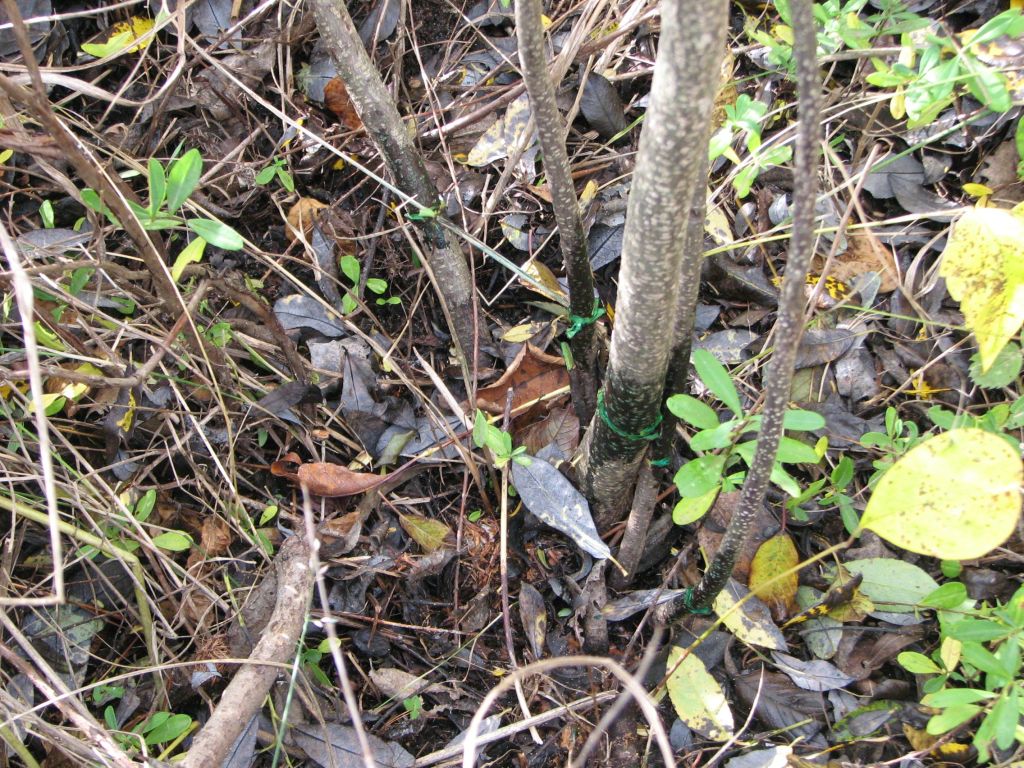
32. The above frilled and treated glossy buckthorn appearing dead on 6/8/2024.

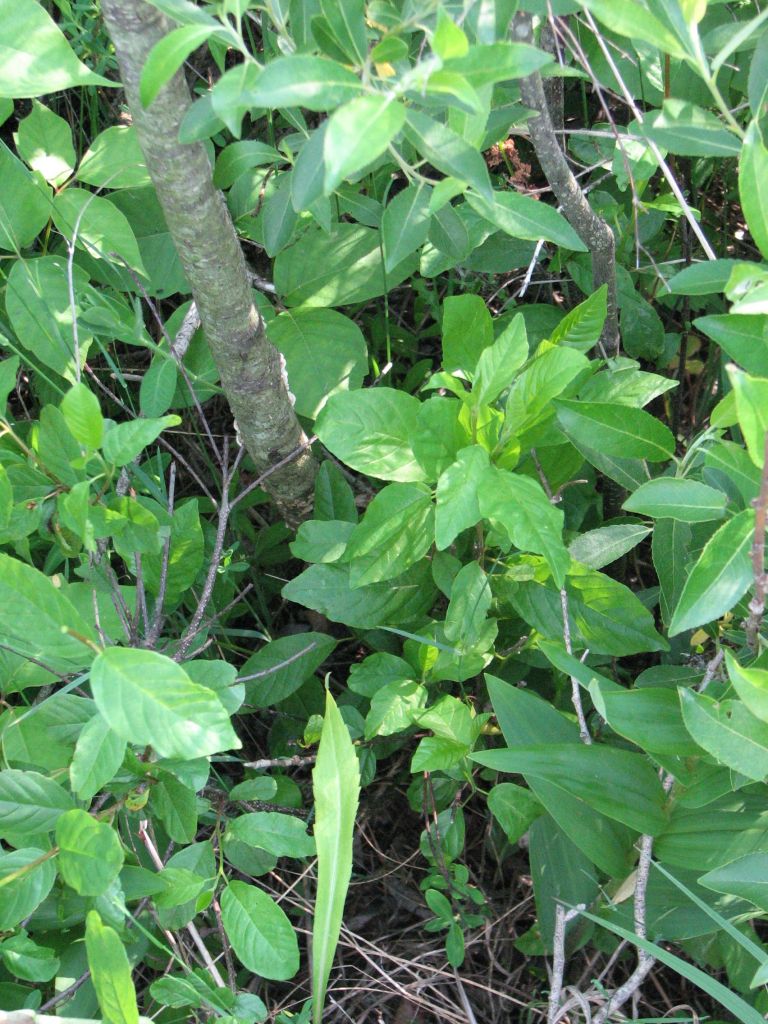
33. The above glossy buckthorn on 6/14/2025 now showing resprouting.

34. A second example of a glossy buckthorn that had 50 percent glyphosate applied to frills on 10/22/2023 that has resprouting on 6/14/2025.
Herbicide Applied to Cut Stumps
35. Glossy buckthorns that had 50 percent a.i. glyphosate applied to stumps on 10/22/2023.
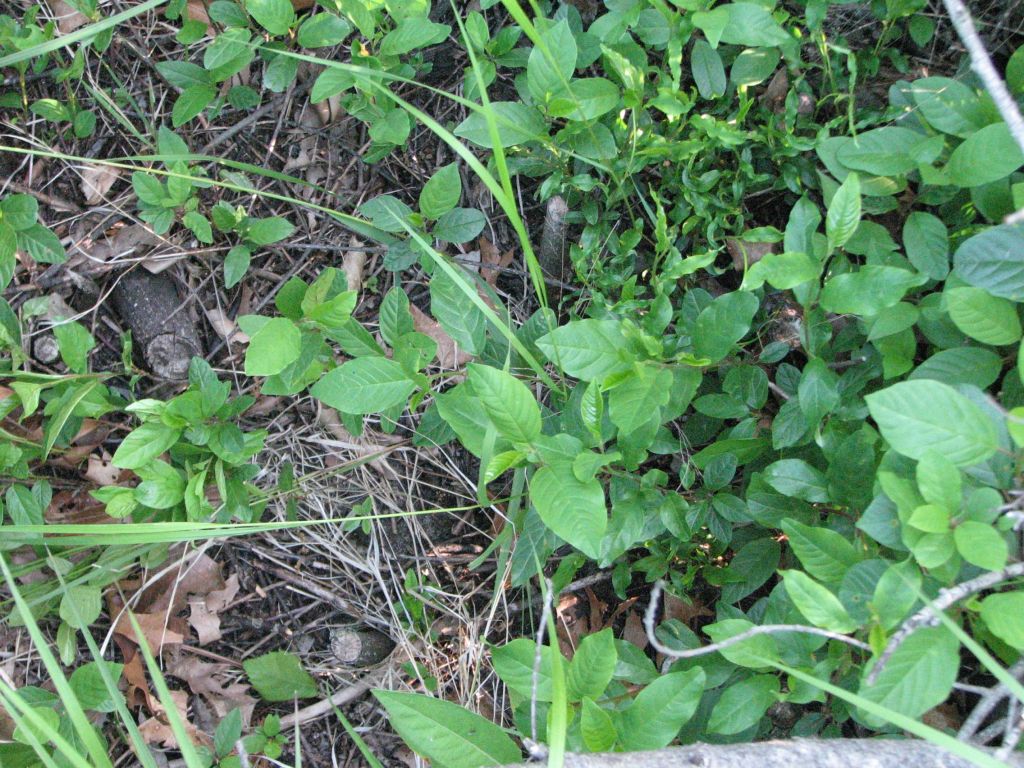
36. A second image of glossy buckthorn stumps that had 50 percent a.i. glyphosate applied on 10/22/2023.
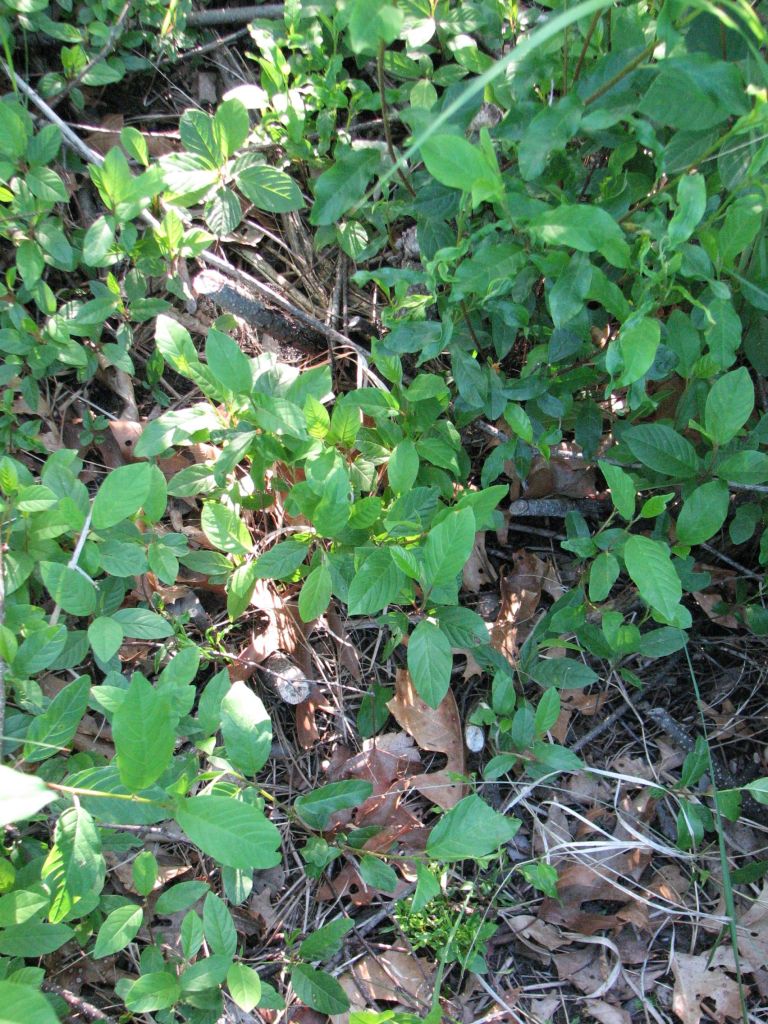
27. A third image of glossy buckthorn stumps that had 50 percent a.i. glyphosate applied on 10/22/2023.

Discussion of Glossy Buckthorn Control
I had written a blog post giving the results of applying glyphosate to frills versus cut stumps.
The results in the above blog post declared victory prematurely. All the large glossy buckthorn I looked at that had 50 percent a.i. glyphosate applied to frills now have sprouts from the base. I did not do a formal count, but I estimate about half of the cut stumps that had 50 percent a.i. glyphosate applied now have sprouts.
I have applied glyphosate to frills and cut stumps of common buckthorn previously. I had found applying glyphosate to frills was more effective than cut stump treatment. I believe this is because the frills can hold more herbicide. I even did a related experiment that showed that cutting stems was not what was responsible for the decreased effectiveness I have observed from cut stump treatments.
Glossy buckthorn is different than common buckthorn. When applying herbicide to frills, if larger common buckthorn is not killed then it does not sprout from the base. More cuts can be made around the stem and more herbicide applied. In contrast, the observations following the 10/22/2023 application is that when a less than lethal dose of glyphosate is applied to frills around stems of glossy buckthorn, the frilled stems die, and the glossy buckthorn sprouts from the base. Common buckthorns have thicker bark than glossy buckthorns. Cuts through this thicker bark hold more herbicide. Please compare the frills shown in this post with those in the above link, “My Hypothesis ‘Is Applying Herbicide to Frills More Effective Than Cut Stump Treatment Because the Stem Is Not Cut?’ Has Been Disproved.” The glossy buckthorn sprouting from the base after frilling must have been due to the frills not being made in a manner that held enough herbicide. This was my fault since I had done the frilling.
On 6/14/2025, when I looked at the glossy buckthorn that had herbicide applied to frills, I could only find the larger treated glossy buckthorn. The smaller glossy buckthorn must have been killed and burned up in a prescribed fire. Since it is difficult to apply enough herbicide to cut stumps of smaller stemmed invasive species to get effective control, I suggest the following.
Smaller glossy buckthorns should have a frill made around the stem and herbicide applied to the frill. Larger glossy buckthorns should be cut and have herbicide applied to the cut stumps. I have yet to determine above what stem diameter it is best to apply glyphosate to the cut stumps of glossy buckthorn rather than to frills. Since the glossy buckthorns that were cut and had glyphosate applied on 10/22/2023 had about a fifty percent control rate, I suggest applying the maximum amount of glyphosate herbicide that the surface of each stump (cut flat) will hold using a gooseneck bottle and then repeating the application. If applying the herbicide to each cut stump twice in this manner does not give satisfactory control, then three (or for large plants more) repetitions may be necessary.
Summary
Preliminary results are both four and five percent active ingredient glyphosate, when applied from the Green Shoots Large Foam Herbicide Dispenser directly to crown vetch stems (a length of four inches, more for larger stems), provided complete control of all treated stems. Going forward, I suggest using four percent active ingredient glyphosate in high-quality areas and five percent active ingredient glyphosate in lower-quality areas that have more vigorous crown vetch plants.
A small number of non-target plants in areas treated with glyphosate foam exhibited damage from the herbicide application. This was attributed to getting herbicide directly on the impacted plants. This was contrasted to an area where crown vetch was sprayed with Transline herbicide. The off-target impacts from the application of Transline herbicide were widespread and frequent. This indicates the impacts may have been caused by movement of herbicide through the soil.
When treating glossy buckthorns, I suggest applying 50 percent a.i. glyphosate to frills around stems when the base of the stem at ground level is small. For larger glossy buckthorns, applying the maximum amount of 50 percent glyphosate that can be held on the surface of a flat cut stump may need to be repeated twice (or more for larger glossy buckthorns) to get a high-level of control.

 Stewardship Chronicles
Leave a reply to Crown Vetch Control At Hosah Park on 9/14/2024 – Stewardship Chronicles Cancel reply