Contents
Introduction
2024 Application
1. A large purple loosestrife plant sprouting after herbicide application
2. A second large purple loosestrife plant sprouting after herbicide application
3-9. Medium size purple loosestrife plants, not sprouting after herbicide application
2025 Application
10. View of part of the application area
11-20. Purple loosestrife plants sprouting after herbicide application
21. Purple loosestrife seedlings
22. Pulled purple loosestrife seedling
Conclusion
Introduction
I have been applying 20 percent active ingredient glyphosate to cut stems. This method has reduced the off-target damage that occurred when I was hand-wicking four percent glyphosate on the lower stems and leaves of purple loosestrife plants. See the following blog post for images of off-target damage that occurred when hand-wicking was done.
The results have been broken up into the two years when I did these applications. Each year, I applied the herbicide differently to the marked purple loosestrife plants. This allowed me to determine the effectiveness of applying the herbicide to cut stems a different number of times.
2024 Application
In 2024, I applied 20 percent active ingredient glyphosate to cut stems of medium sized purple loosestrifes twice. This entailed applying herbicide to the cut surface, waiting for the herbicide to be absorbed, then applying herbicide to the cut surface again. For very large multi-stemmed purple loosestrife, I applied the herbicide to cut stems three times.
1. Below is what I consider to be a very large purple loosestrife. It had seven stems. I applied herbicide to the cut stems three times. Despite this, the purple loosestrife has sprouted and is growing.
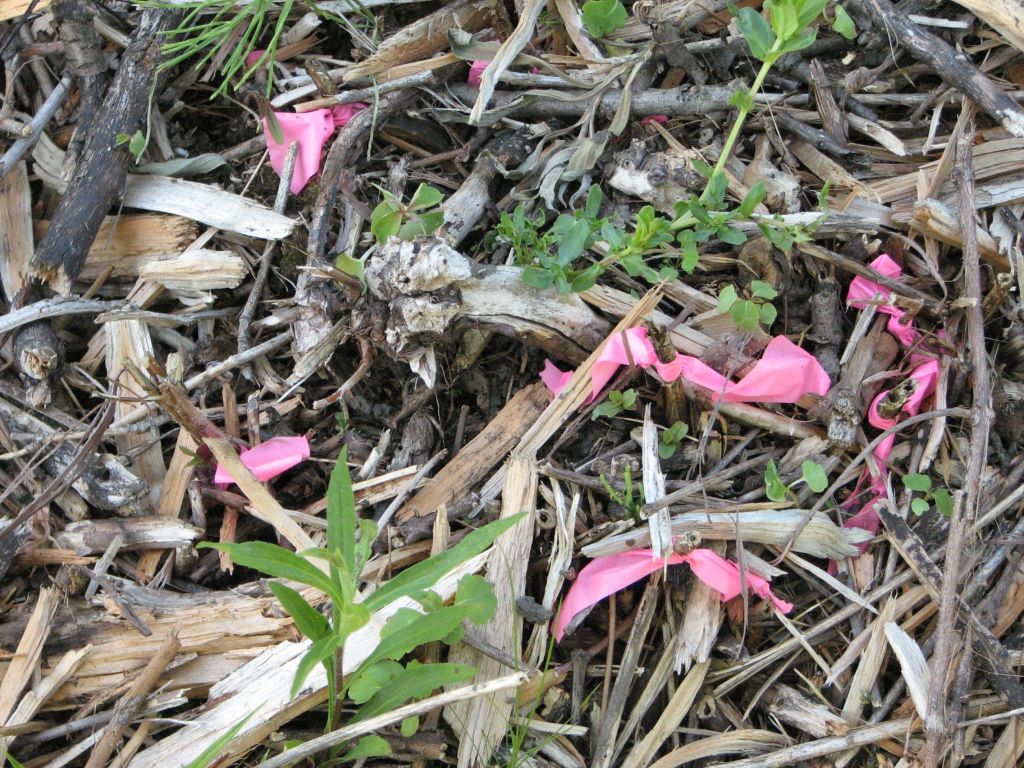
2. This is another very-large purple loosestrife. It also had seven stems. I applied herbicide to the cut stems three times on this purple loosestrife. As above, this purple loosestrife also has sprouted.
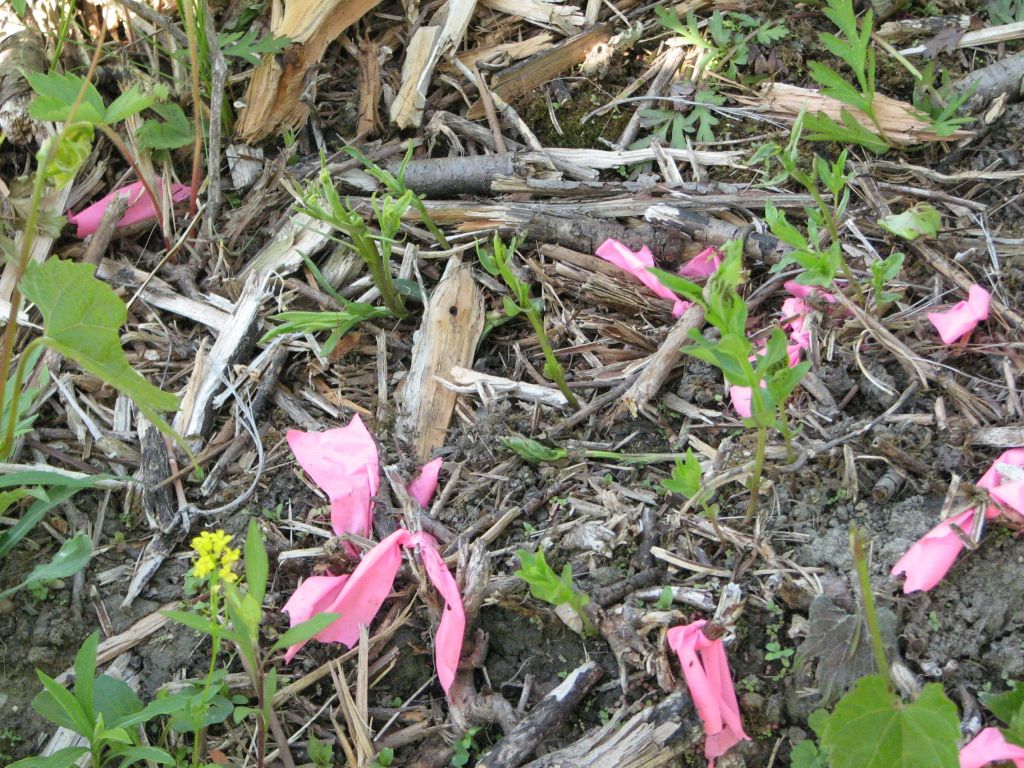
The next seven images are what I consider to be medium size purple loosestrife. Each piece of surveyor’s tape is tied onto an individual plant. I applied herbicide to each cut stem twice. This effectively controlled all these purple loosestrife plants.
3.
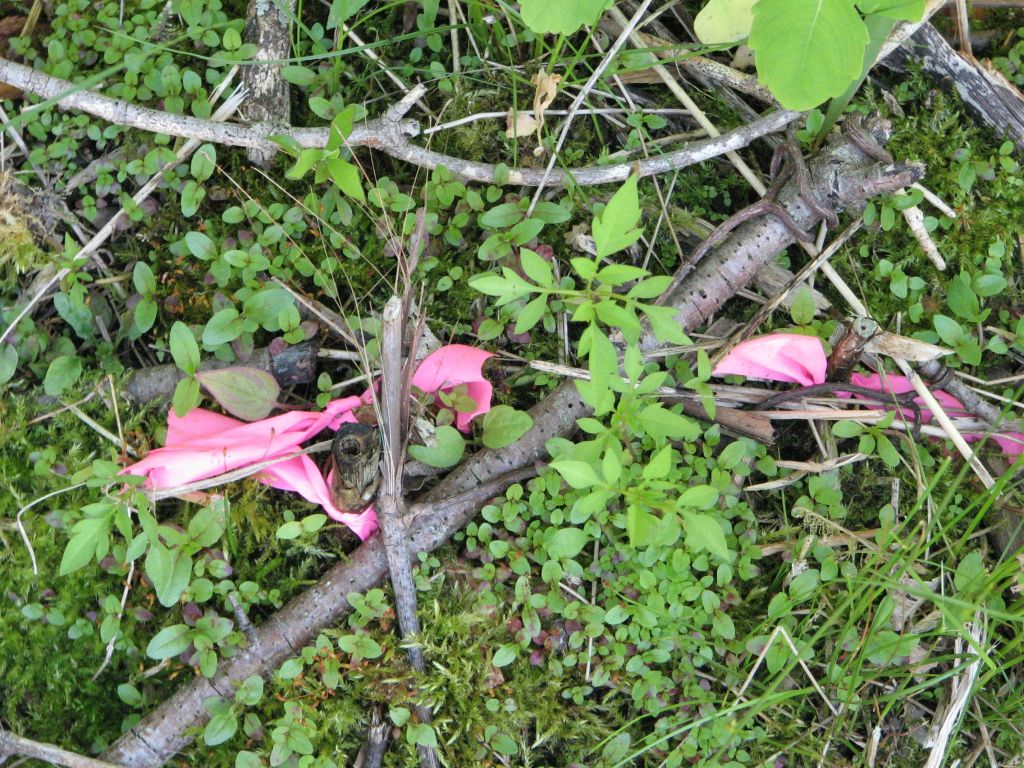
4.
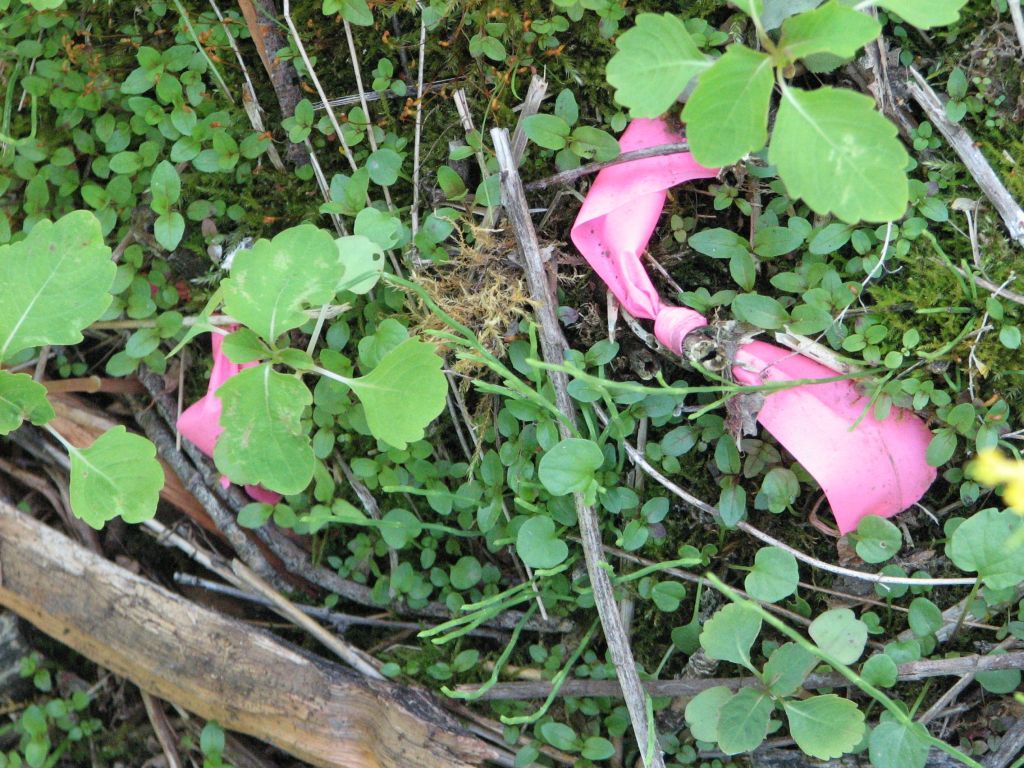
5.
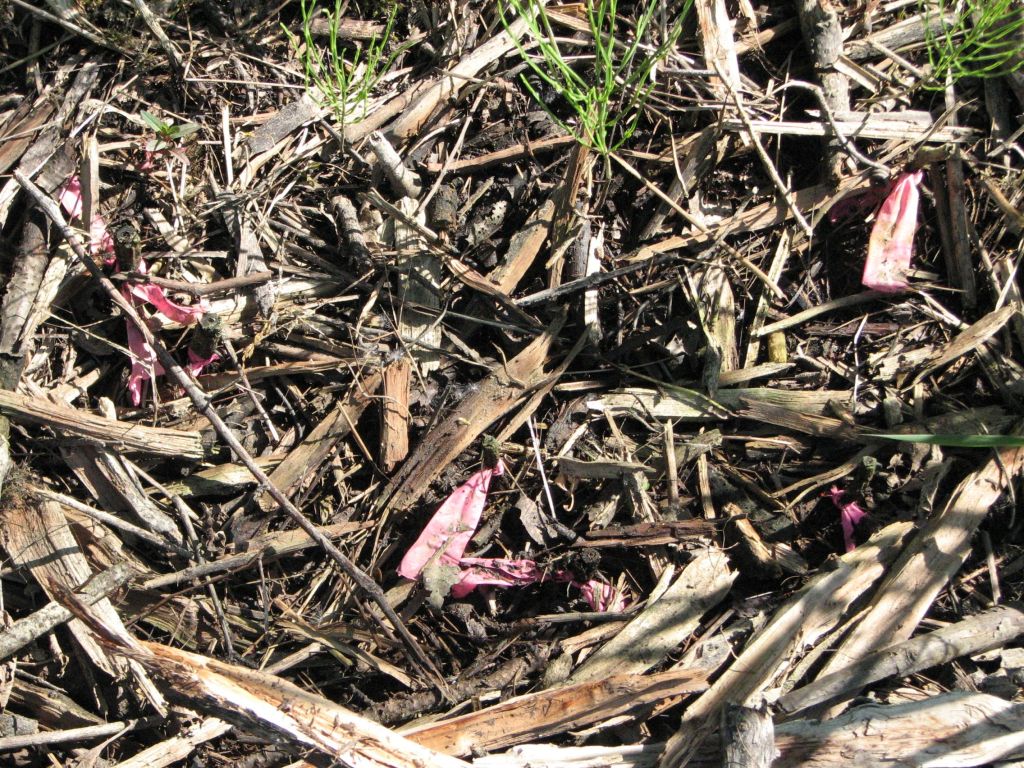
6.
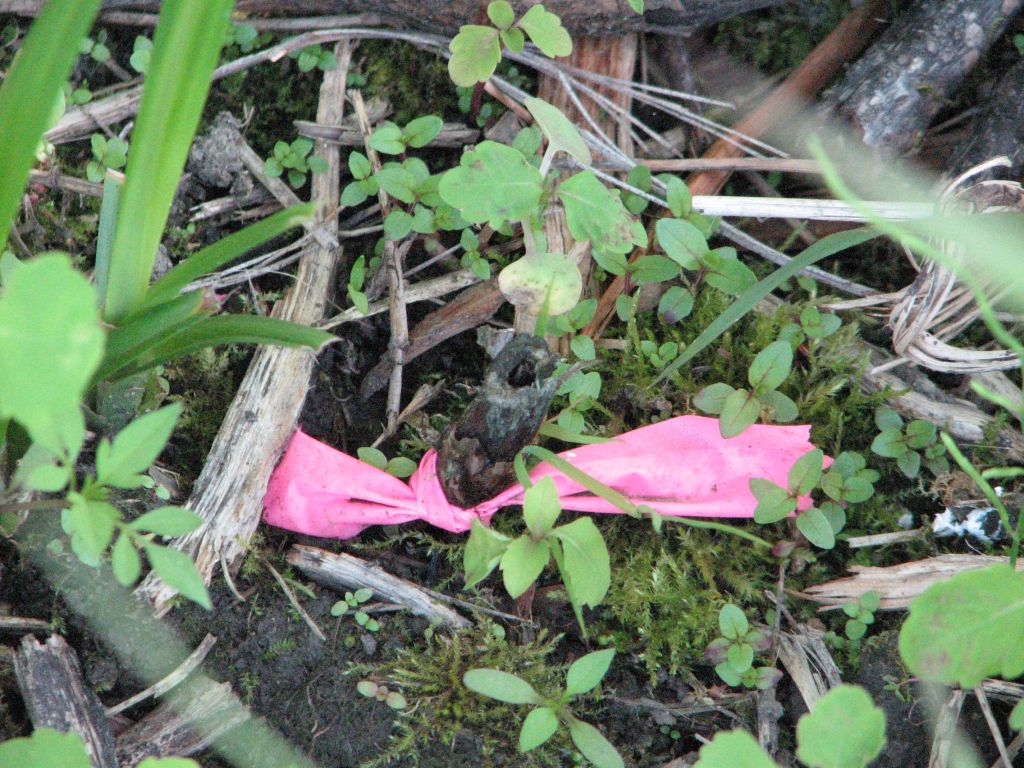
7.
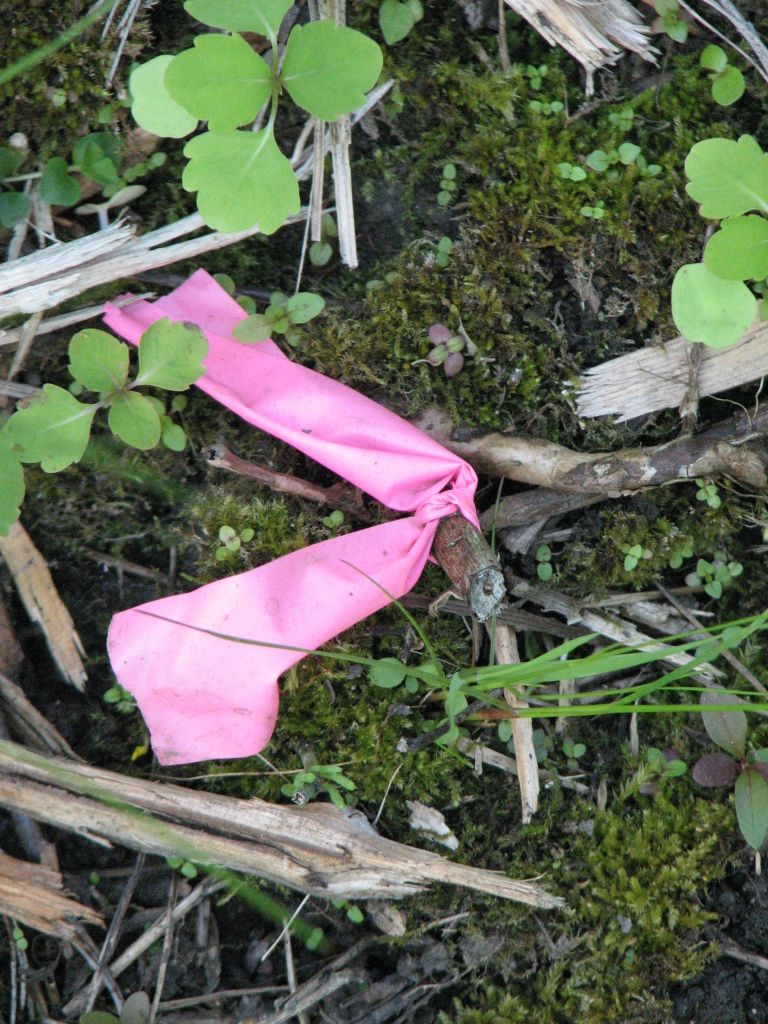
8.
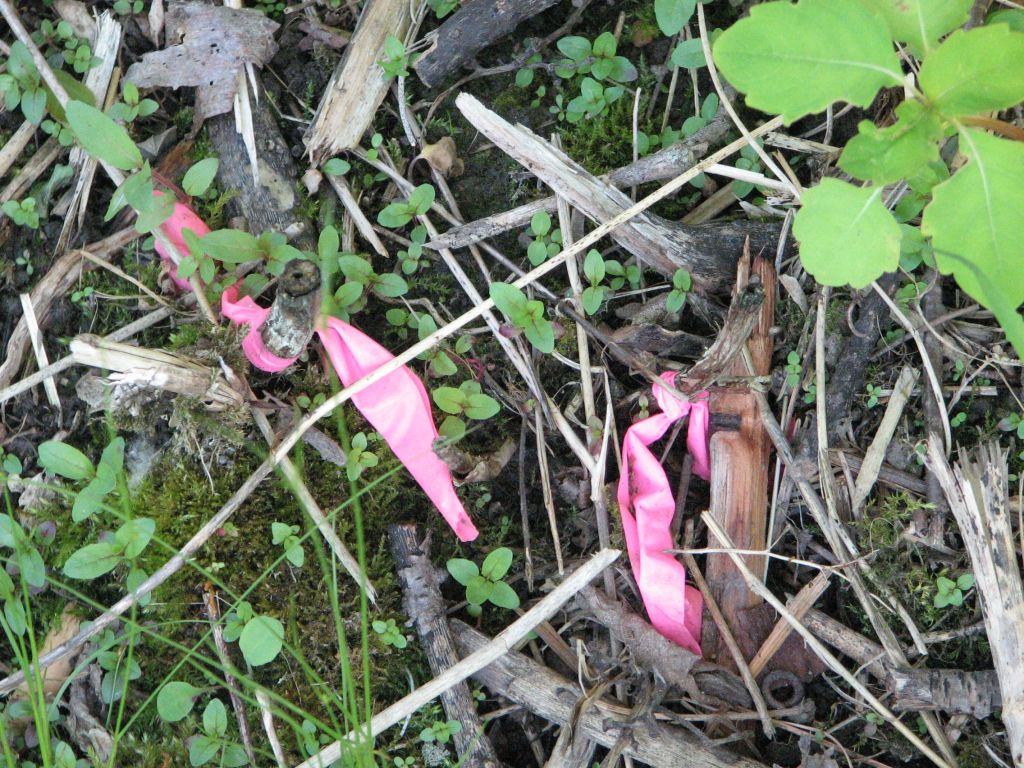
9.
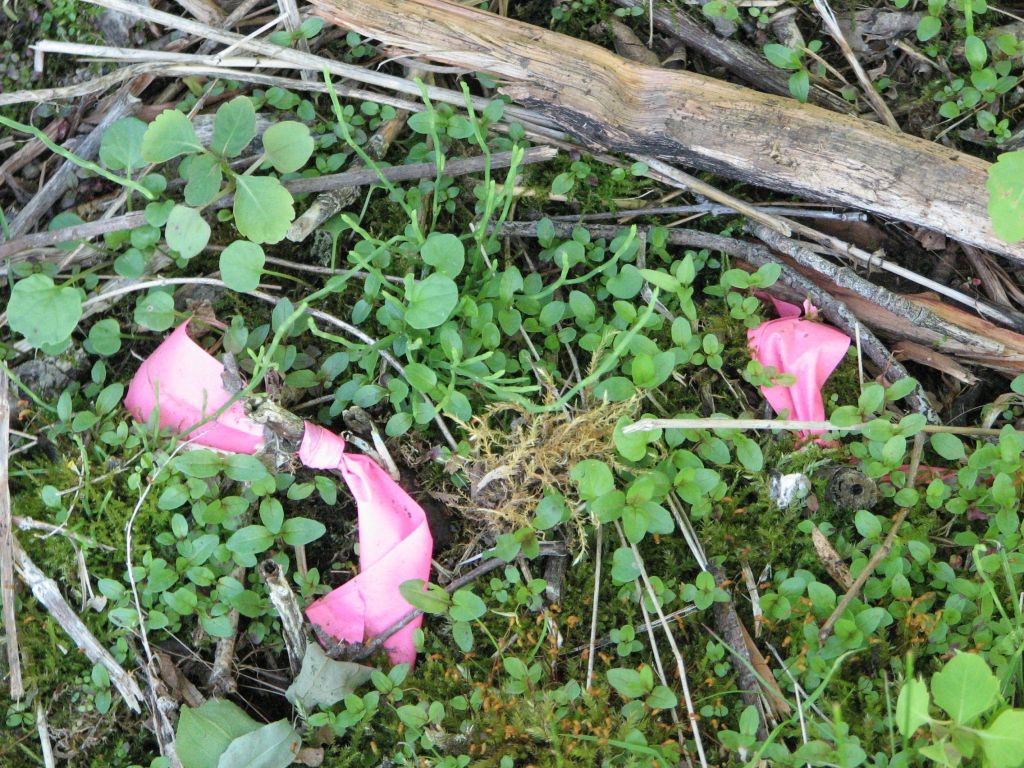
2025 Application
For this application, I tied surveyor’s tape on a cut stem of 50 purple loosestrife plants. I then applied 20 percent active ingredient glyphosate to the cut surface of these stems once. I wanted to determine the control rate at this lower herbicide application amount.
10. This is a wide view of part of the application area.
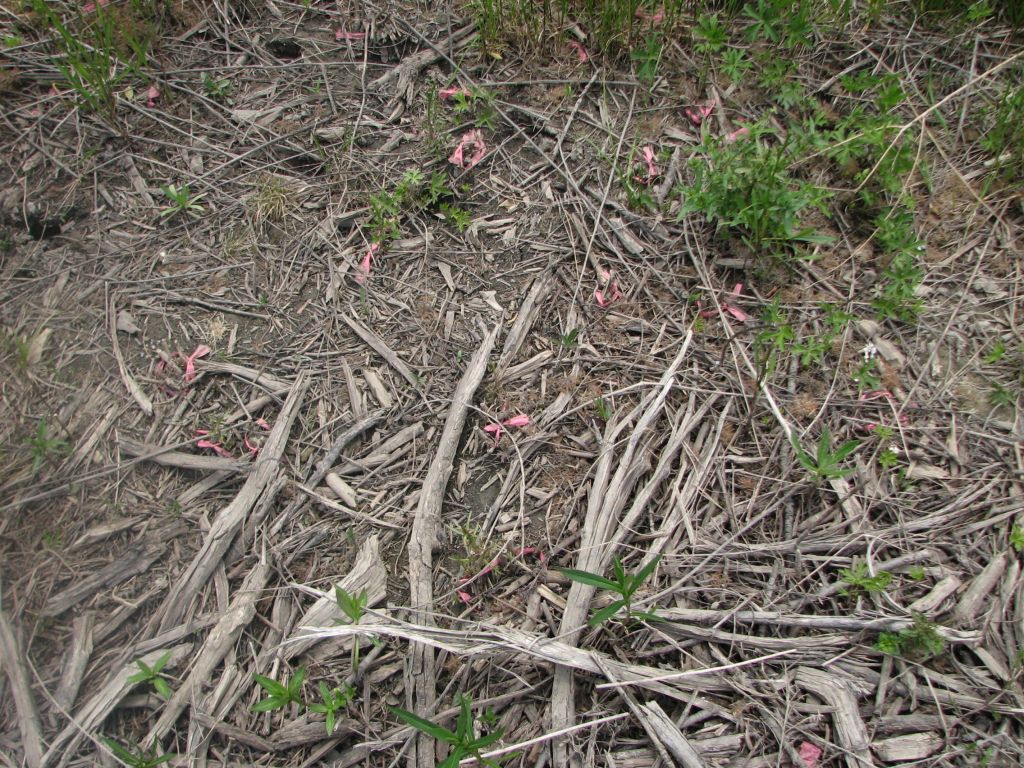
11. Purple loosestrife plants sprouting after treatment.
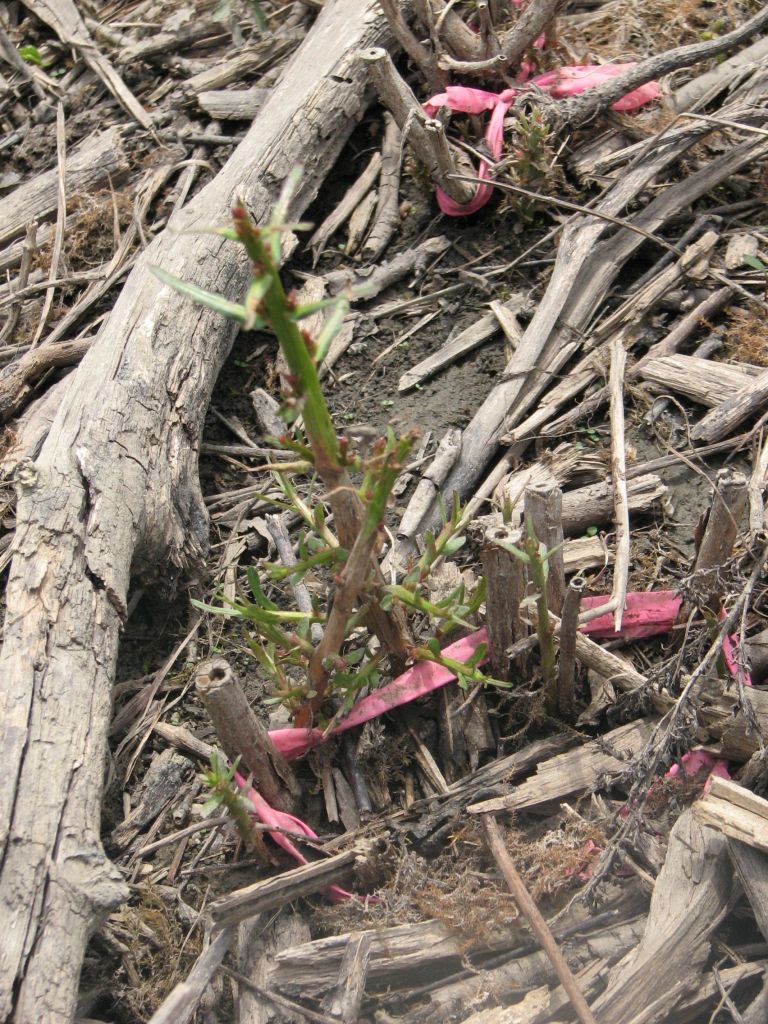
12. Purple loosestrife plants sprouting after treatment.
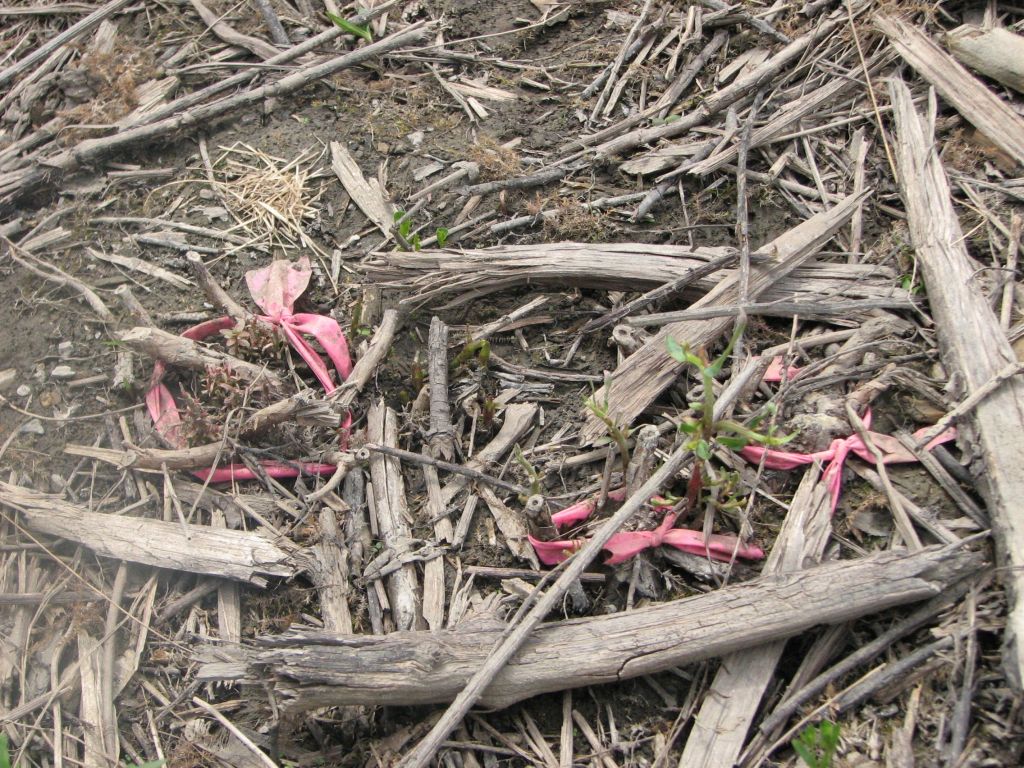
13. Purple loosestrife plant sprouting after treatment.
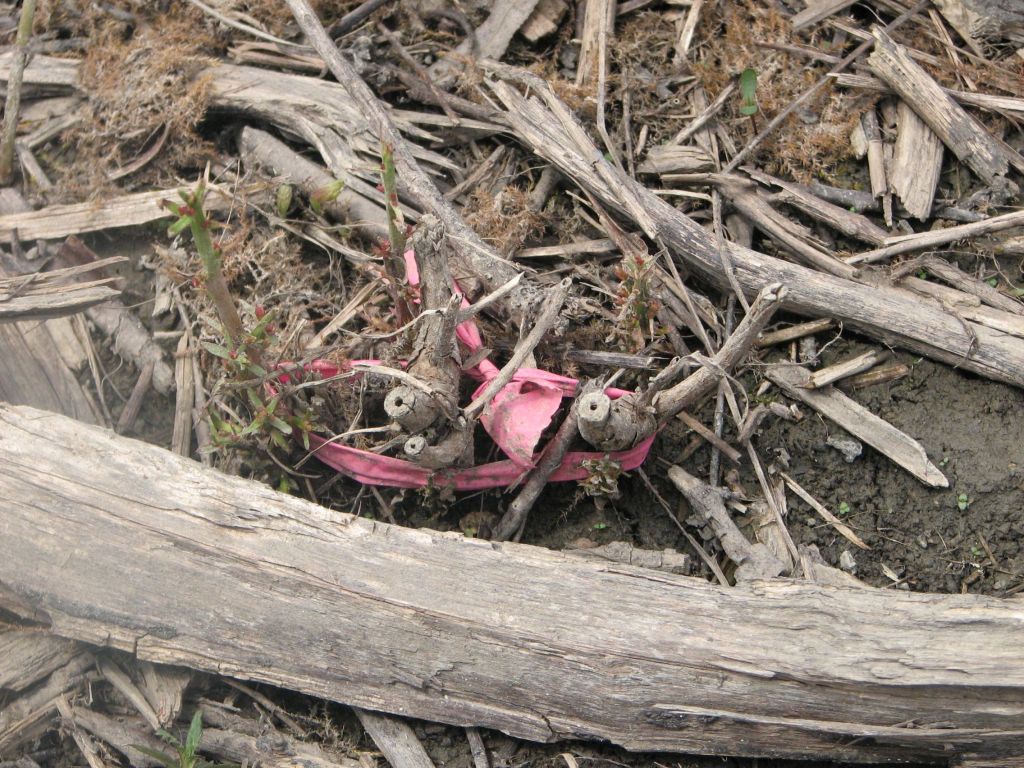
14. Purple loosestrife plants sprouting after treatment.
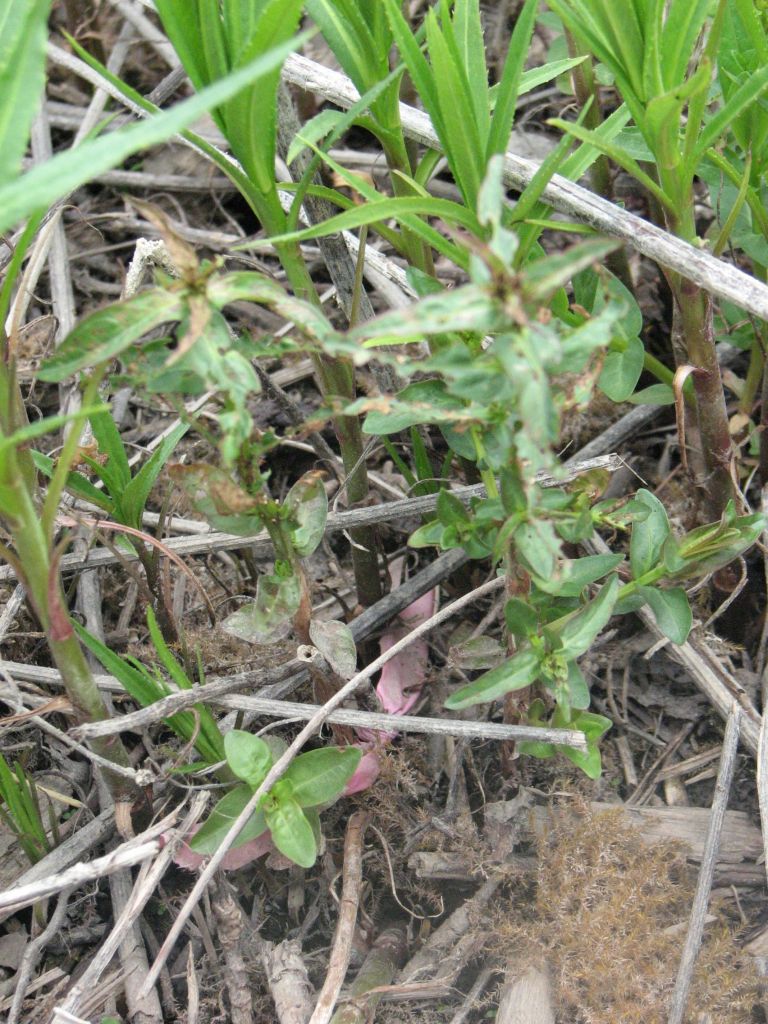
15. Purple loosestrife plants sprouting after treatment.
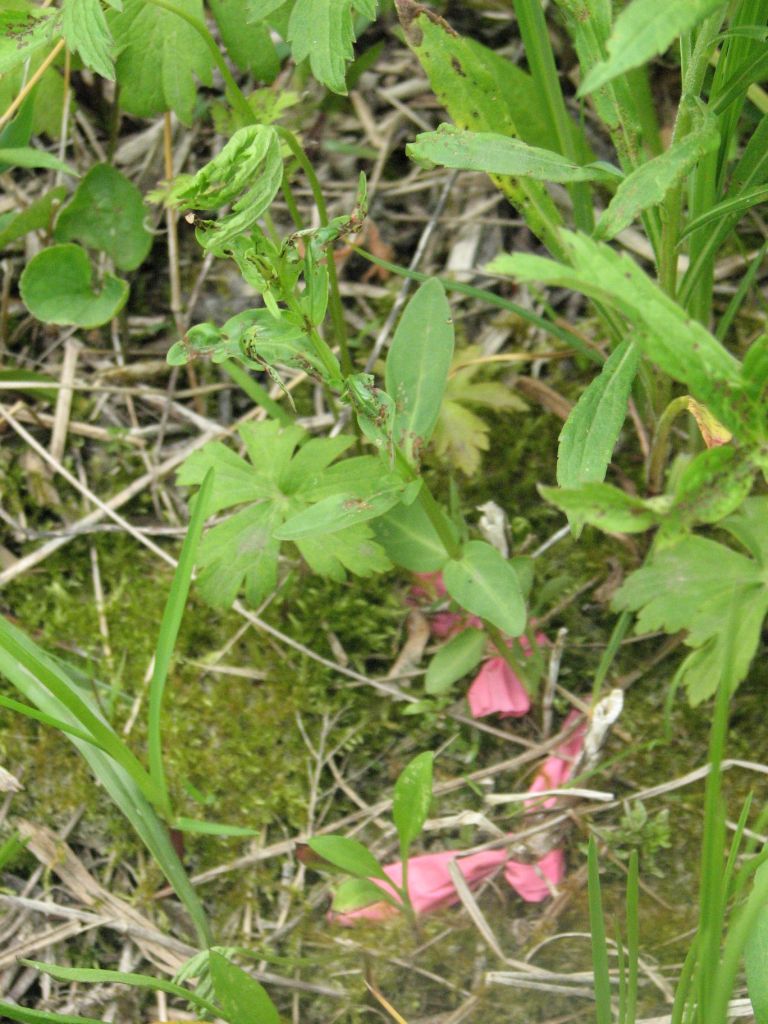
16. Purple loosestrife plants sprouting after treatment.
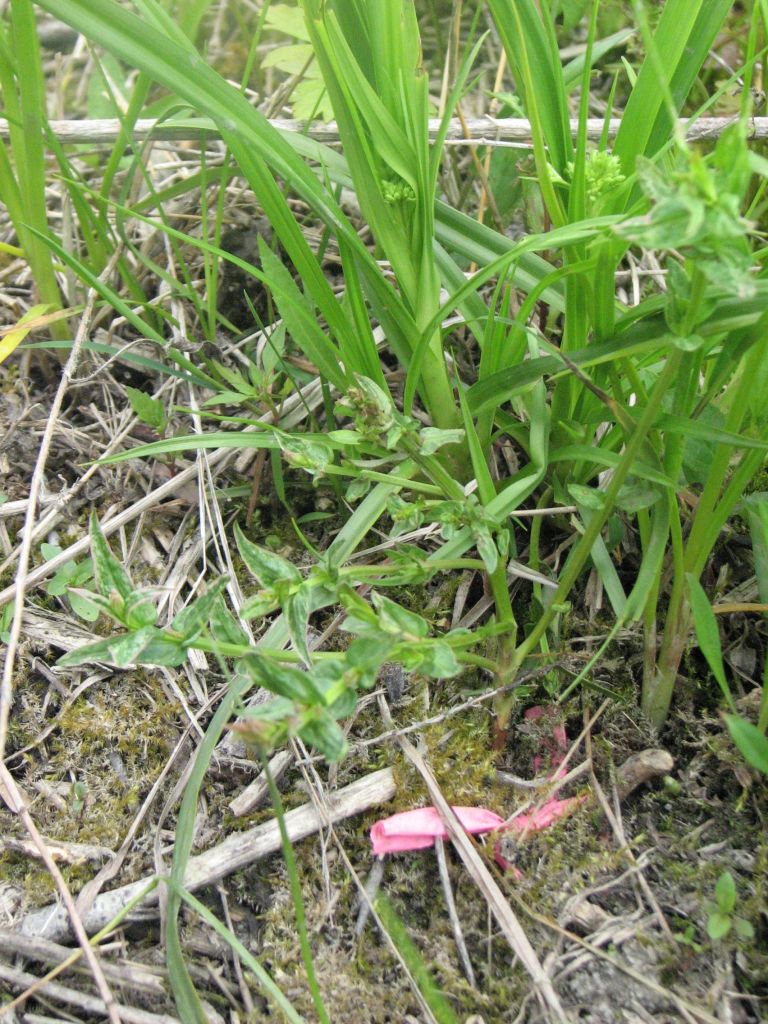
17. Purple loosestrife plant sprouting after treatment.
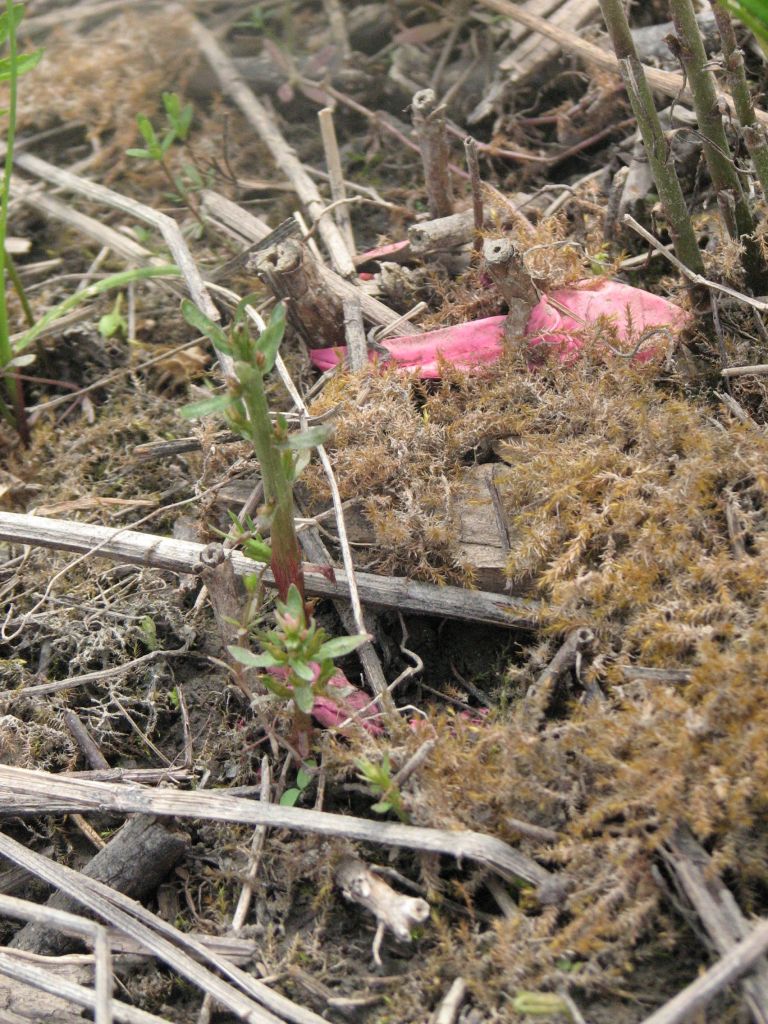
18. This looks like it was a medium size purple loosestrife plant. However, the sprouting makes it appear the plant was larger than the single cut stem that is visible.
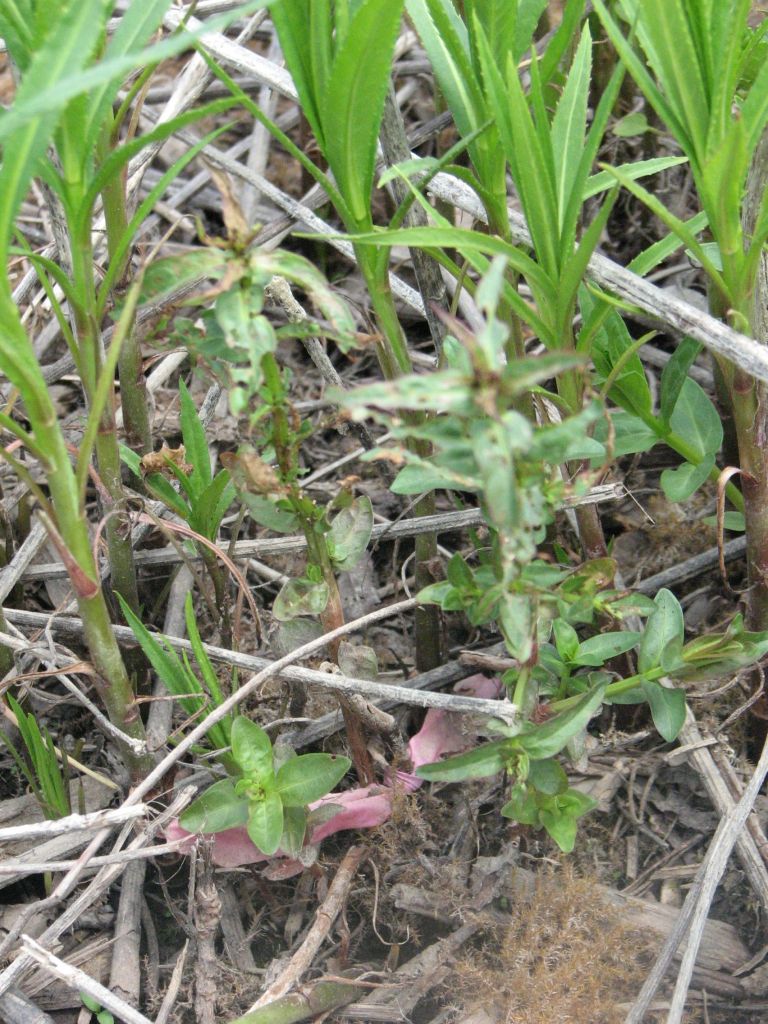
19. Purple loosestrife plant sprouting after treatment.
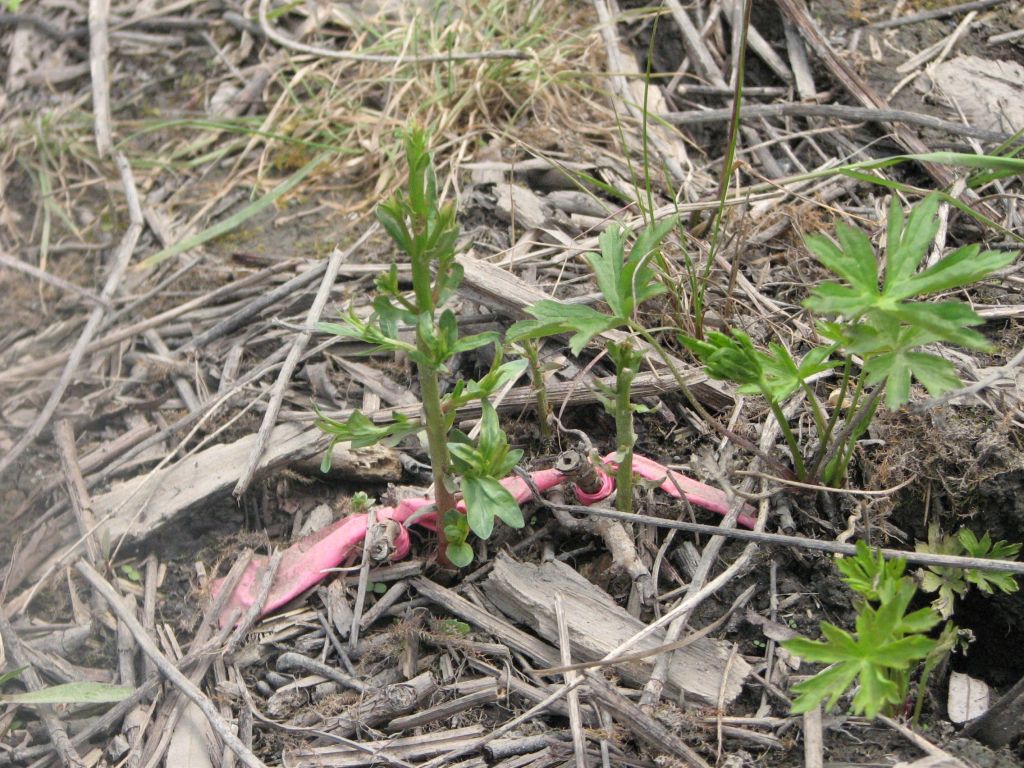
20. Purple loosestrife plant sprouting after treatment.
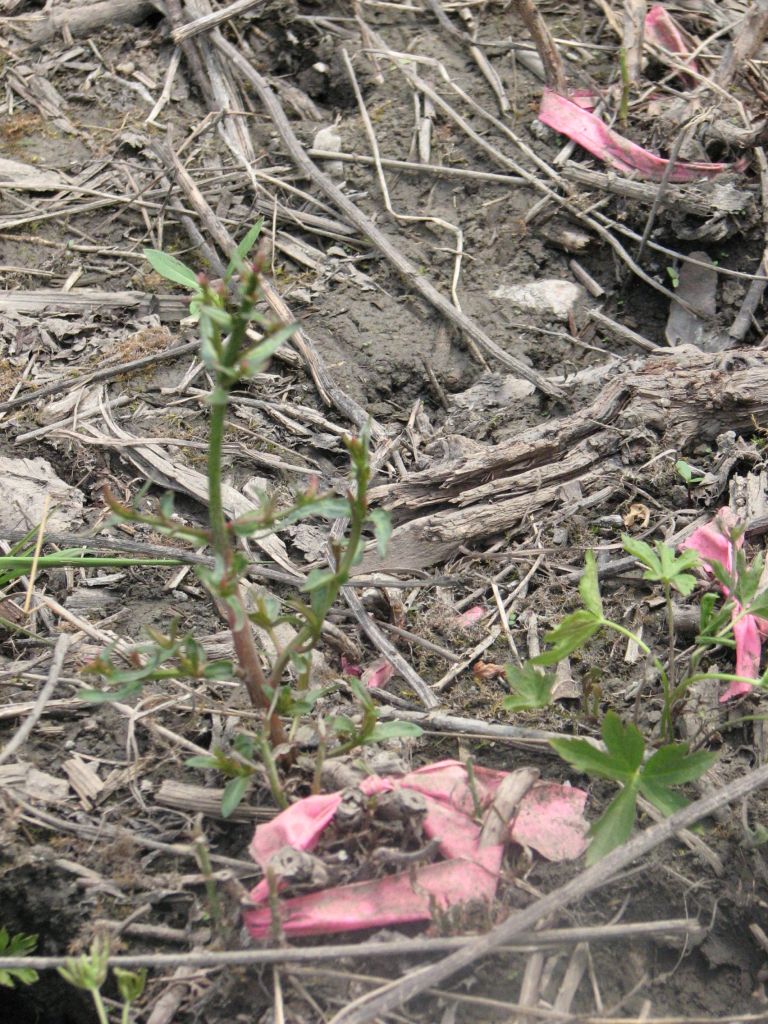
21. Abundant purple loosestrife seedlings. When they are small, they can be pulled.
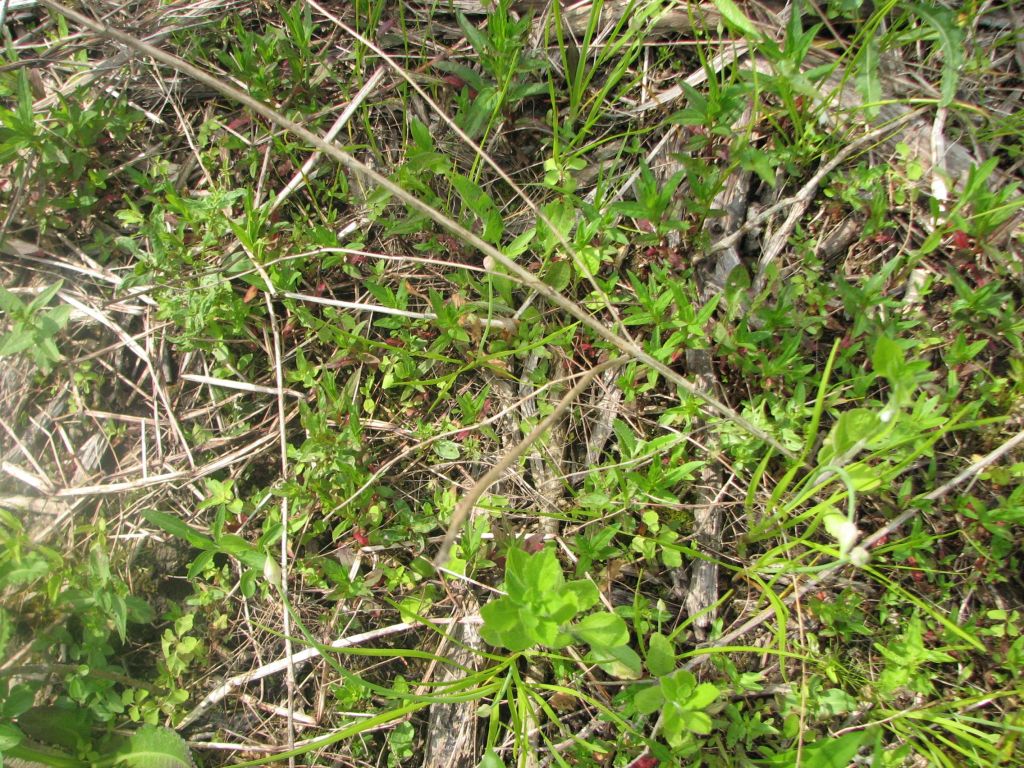
22. Add image of pulled purple loosestrife seedling here.
Conclusions
For the 2025 application, I was only able to relocate 33 of the purple loosestrife plants that had surveyor’s tape tied on them. Of these plants, 17 were alive and 16 were dead. I have since been back to the location. The plants that produced herbicide impacted sprouts have recovered. My observation was that the application mostly killed the smaller plants that had been treated. In contrast, the larger plants that had been treated mostly sprouted and then recovered. My suggestion is to apply 20 percent active ingredient glyphosate to the cut surface of small (<1/8 inch diameter) single stem purple loosestrife once. For single stem purple loosestrife with a stem diameter larger than 1/8 inch, I suggest applying this herbicide to the cut stem twice. For large multi-stemmed purple loosestrife, I suggest applying this herbicide to the cut stems three or more times.
The above suggestions are preliminary. More observations need to be made to better narrow down the amounts of glyphosate that needs to be applied to different size purple loosestrife plants.


Leave a comment